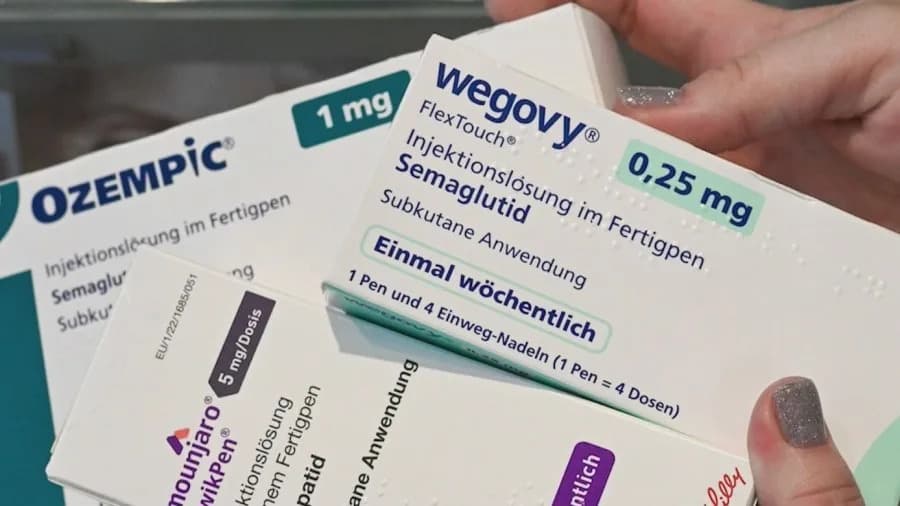
Lawsuits are increasing against GLP-1 drugmakers after plaintiffs alleged that medications such as Ozempic may be linked to non-arteritic anterior ischemic optic neuropathy (NAION), a rare condition that can cause sudden vision loss. Plaintiff Todd Engel claims he became legally blind after using Ozempic; his attorney says studies support GLP-1s as an independent risk factor and accuses manufacturers of failing to warn patients. Canada, Europe and Australia have added label language about the risk, while the FDA is still evaluating a potential semaglutide–NAION connection.
Patient’s Attorney Says Ozempic Left Client Legally Blind As GLP-1 Lawsuits Multiply

GLP-1 lawsuit: Patient’s attorney describes life-changing effects from taking drug
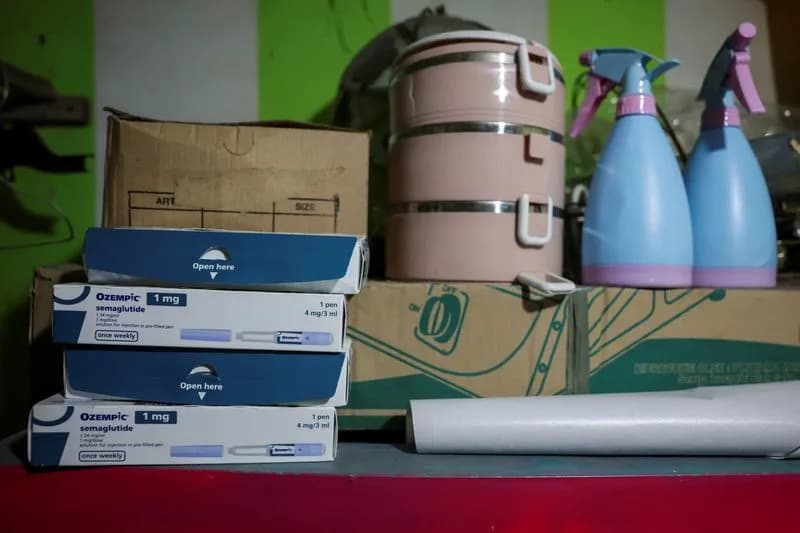
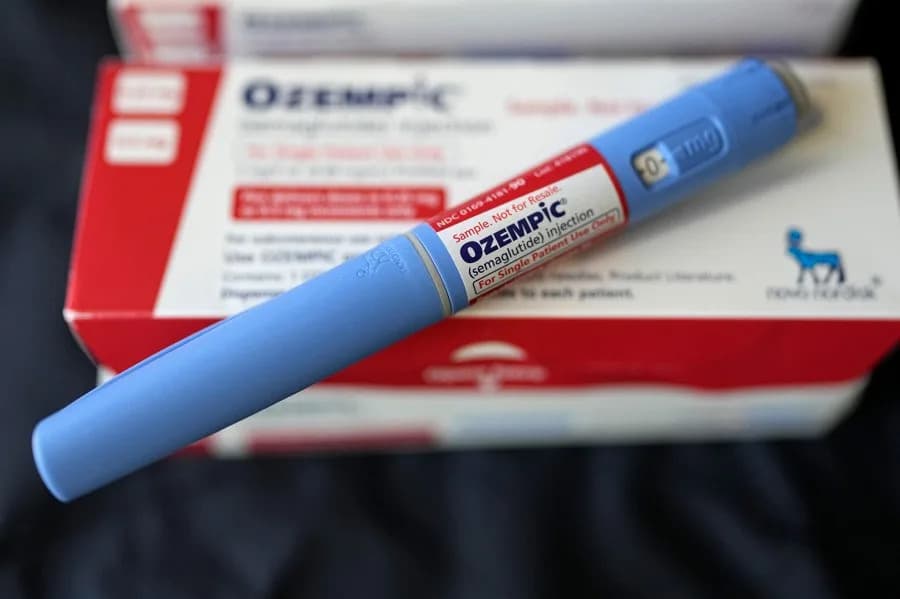
Lawsuits against manufacturers of GLP-1 medications have surged as patients and attorneys allege the drugs can cause serious, sometimes permanent, eye damage. The complaints target major makers such as Eli Lilly and Novo Nordisk and focus on a rare optic-nerve condition called non-arteritic anterior ischemic optic neuropathy (NAION).
What Is NAION? NAION can produce sudden vision changes and loss and, in some cases, lead to permanent blindness. The American Academy of Ophthalmology (AAO) estimates NAION affects roughly 2 to 10 people per 100,000 in the United States each year, making it an uncommon but serious condition.
The Plaintiff’s Claim Todd Engel is among the plaintiffs who say they were harmed while taking GLP-1 medications. Engel alleges he first lost vision in his right eye while using Ozempic (semaglutide) to treat diabetes; because he was not warned of a potential link, he continued the medication. About 10 months later, Engel says he lost vision in his left eye as well and is now legally blind.
"He will never see his wife smile," said Engel’s attorney, Grace Chandler, on the program "Jesse Weber Live." "He will not be able to watch his grandchildren grow up. And in every aspect of his life, he's now relying on others in ways he never did before."
Chandler says Engel’s lawsuit — which alleges Ozempic caused his vision loss — is supported by multiple studies that identify GLP-1 drugs as an independent risk factor for NAION. She argues manufacturers have a legal duty to warn patients if the medication increases or compounds risks for conditions commonly associated with diabetes.
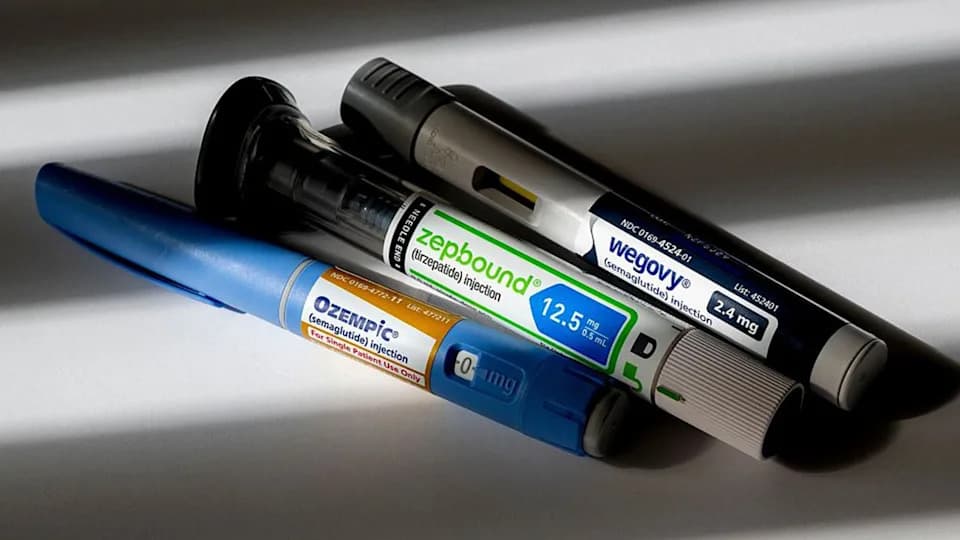
Chandler also pointed to publicly available literature and to regulatory changes abroad: Canada, parts of Europe and Australia now include label language acknowledging the possible risk. In the U.S., NAION is not currently listed as a warning on the labels for Ozempic, Wegovy or Zepbound.
The U.S. Food and Drug Administration (FDA) is evaluating a possible association between semaglutide and NAION but has not reached a determination. Media reports cited in the coverage also note that more than 1.1 million people are using GLP-1 drugs without an FDA-approved indication — a figure that has drawn scrutiny as use expands beyond diabetes treatment.
Context And Caution Medical experts emphasize that reported associations in lawsuits do not establish causation; ongoing regulatory reviews and peer-reviewed studies are needed to determine any definitive link. Patients with concerns about GLP-1 medications should consult their health care providers before stopping or changing treatment.
NewsNation reporter Alicia Sitz contributed to this report.
Copyright 2026 Nexstar Media, Inc. All rights reserved.
Help us improve.