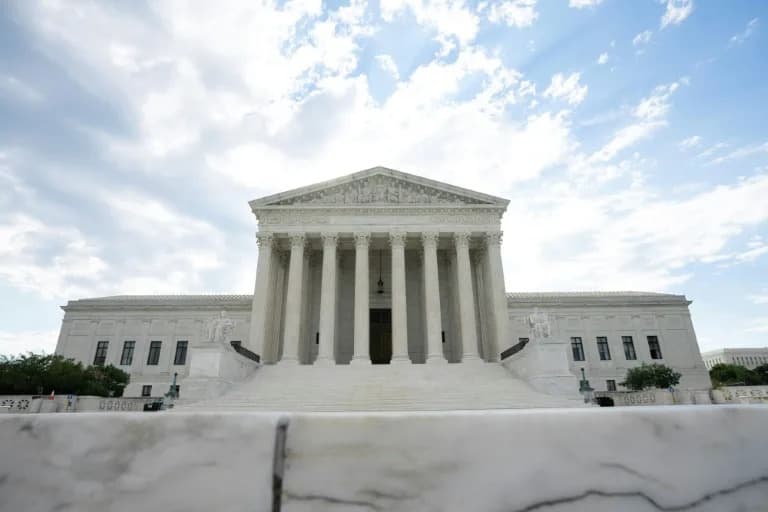
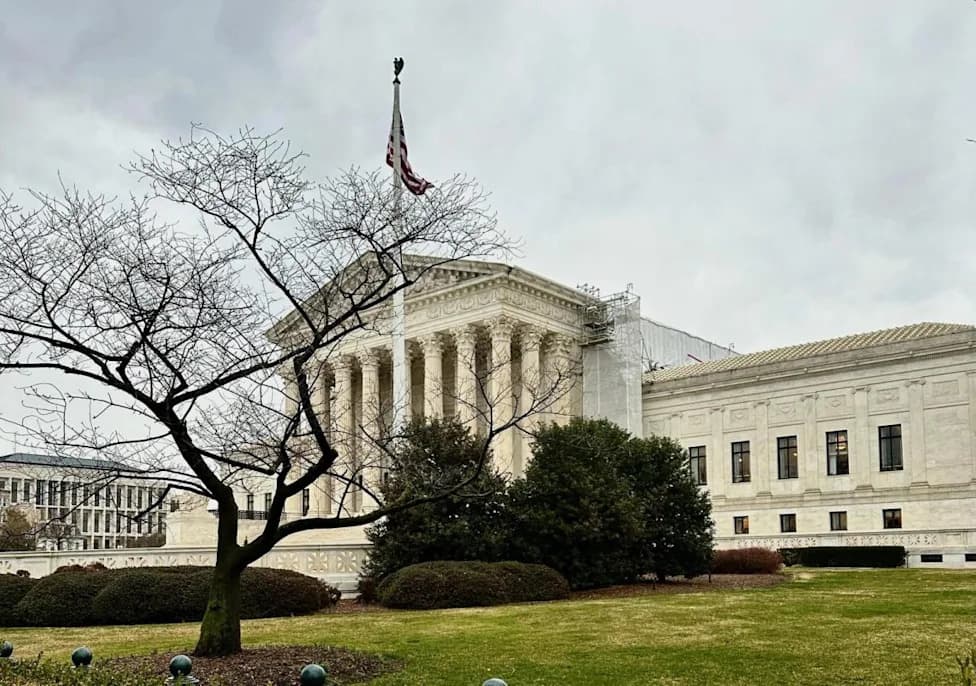
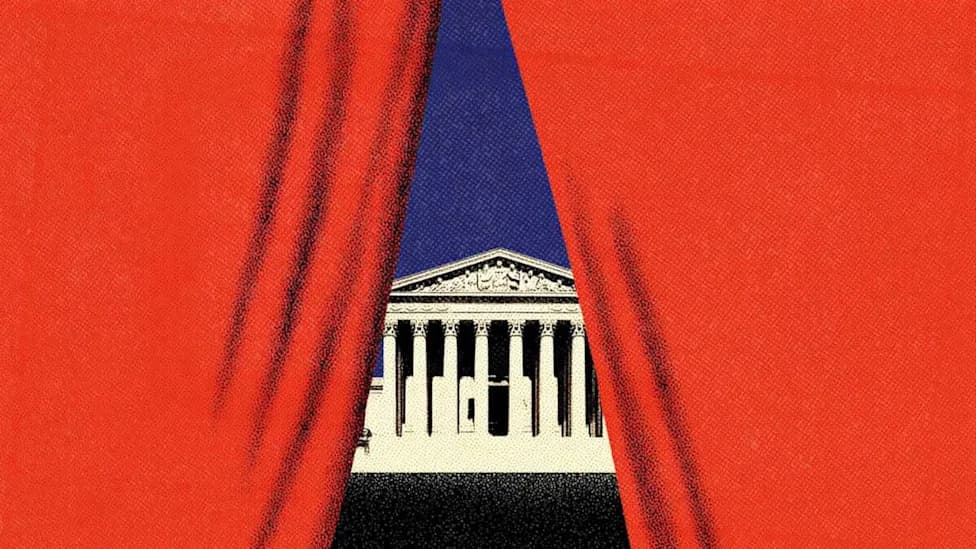
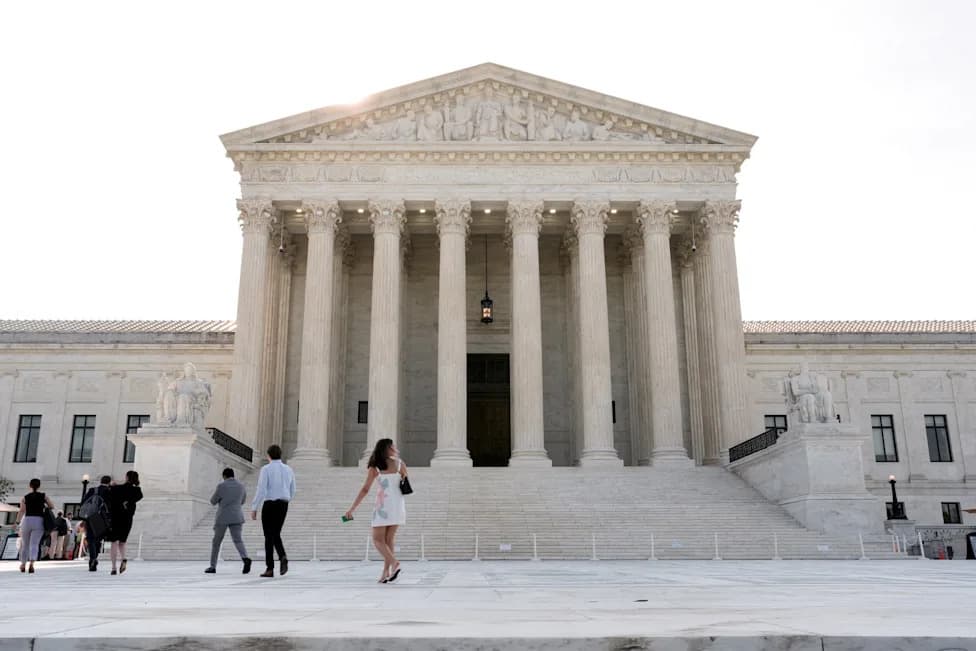
The Supreme Court returns with a docket that could produce major rulings on immigration detention (Rhoney v. Barbosa da Cunha), climate liability (Suncor Energy v. Boulder County), assault‑weapons bans (Viramontes v. Cook County), and Eighth Amendment forfeiture claims (Jouppi v. Arizona). The Court will also likely resolve splits over prediction markets and face election‑year disputes about executive power and emergency relief. These cases could reshape detention practices, municipal climate suits, gun law doctrine and election litigation.
Supreme Court Term Preview: Cases That Could Reshape Immigration, Climate Liability, Guns and More

The Biggest Cases Coming in the Next Supreme Court Term
The Supreme Court returns from its summer recess next week with a docket that includes several high‑stakes cases on immigration, climate liability, gun policy, criminal forfeiture and the scope of executive power. Some matters before the justices are already set for argument; others are likely to arrive as the term unfolds—but all could produce landmark rulings with broad policy effects.
Major Immigration Tests: Rhoney and Third‑Country Removals
Rhoney v. Barbosa da Cunha asks whether the federal government may detain certain noncitizens without bond while removal proceedings are pending. The Justice Department invoked a 1996 law—the Illegal Immigration Reform and Immigrant Responsibility Act (IIRIRA)—to justify mandatory detention for people it contends are "applicants for admission." Critics and many lower courts say that statutory provision applies only to people who present themselves at a port of entry, not to noncitizens apprehended well inside the country.
The plaintiff, Ricardo Barbosa da Cunha, was arrested in Massachusetts after living and working in the United States for nearly two decades. In April the Second Circuit sided with him, concluding that he falls under a different IIRIRA provision that permits bond hearings. More than 500 federal district judges and nine of the 11 federal circuits have rejected the administration's broad mandatory‑detention policy, creating a deep division the Supreme Court is poised to resolve.
The Court will also consider challenges to the administration's practice of third‑country removals—sending deported migrants to countries other than their nations of origin. Multiple lower courts have allowed migrants to challenge such removals, citing risks of language barriers and potential harm in receiving countries; the Supreme Court declined to block the removals while litigation proceeds.
Climate Liability: Suncor Energy v. County Commissioners of Boulder County
This case asks whether state courts can hear municipal claims against oil and gas producers for contributions to climate change and its harms. Boulder argues its suit fits within traditional tort doctrines; fossil‑fuel companies contend federal law preempts those claims. The Court could reach the merits or resolve procedural issues first; Justice Samuel Alito has announced his recusal from the case.
Gun Laws: Viramontes v. Cook County
The justices will review whether bans on AR‑15–style rifles and similar weapons can survive under the Court's 2022 Second Amendment framework, which directs judges to find a "historical analogue" for modern regulations. The consolidated challenges from Cook County, Illinois, and Connecticut will test how that new standard applies to categorical bans and to older precedents permitting restrictions on "dangerous" or "unusual" weapons.
Excessive Fines: Jouppi v. Arizona
In an unusual Eighth Amendment challenge, an Alaska pilot whose Cessna—valued at more than $77,000—was seized after bringing a passenger with a six‑pack of beer into a dry community argues the forfeiture is an excessive fine. The Supreme Court has not fully defined the scope of the Excessive Fines Clause; its decision could reshape criminal forfeiture law nationwide.
Prediction Markets, Sports Betting and Regulatory Splits
Prediction‑market platforms such as Kalshi and Polymarket allow users to trade contracts tied to sports outcomes in all 50 states. Firms argue their products are federally regulated "swaps," not state‑regulated bets, but the Ninth Circuit recently held those contracts are bets and not displaced by federal derivatives law. Other circuits have reached contrary conclusions, making Supreme Court review likely to resolve a growing split.
Executive Power, Election Litigation and Shadow‑Docket Risks
The Court may be asked to resolve high‑profile disputes over claims of sweeping presidential authority. During the recess the justices reinstated a controversial construction project at the White House site over dissent from several justices. With 2026 an election year, the Court is also likely to confront urgent election‑related disputes—on issues such as certification, ballot access and potential interference by federal actors—that could arrive on the fast‑moving shadow docket.
What to Watch
Expect decisions this term to have durable consequences for immigration enforcement, municipal climate litigation, gun regulation, criminal forfeiture practice, the regulation of novel financial products, and the Court’s approach to emergency election disputes and executive power.
Help us improve.