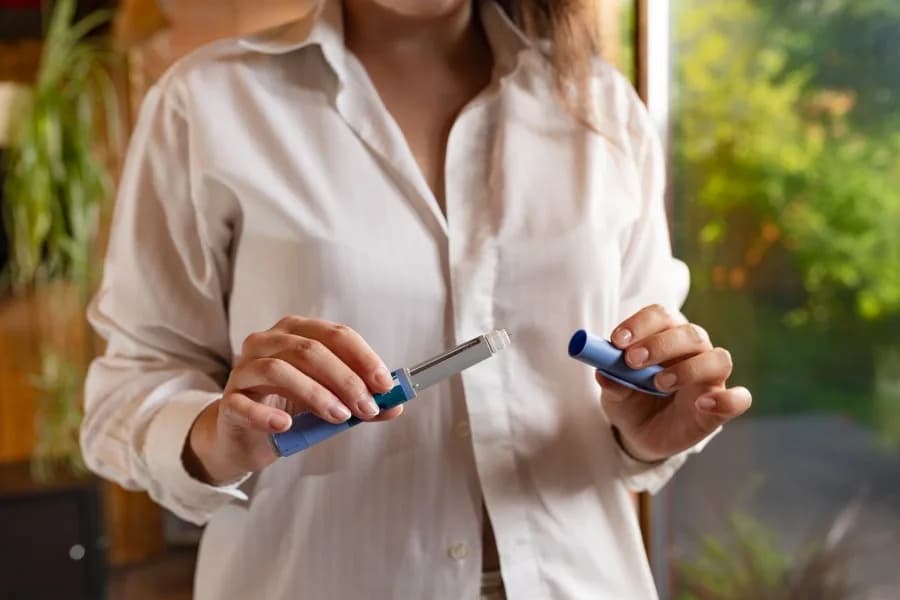
Several UK patients report severe, sometimes permanent, harm after taking GLP‑1 weight‑loss drugs such as semaglutide (Wegovy/Ozempic) and tirzepatide (Mounjaro). Around 150,000 adverse‑event reports have been filed with the MHRA, including roughly 15,000 serious events and over 200 deaths, though reports do not prove causation. Regulators and clinicians warn rare but catastrophic outcomes — including NAION (eye stroke), pancreatitis, intestinal perforation and persistent GI dysfunction — are possible and call for careful prescribing, monitoring and reporting.
‘I Won’t Get My Vision Back’: Patients Link Popular Weight‑Loss Jabs To Rare But Severe Harm
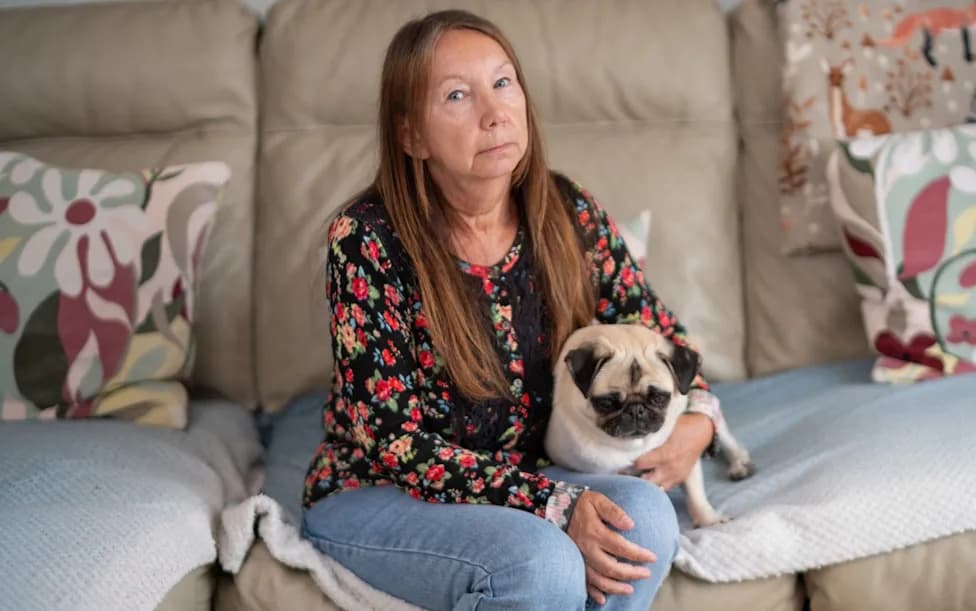
Diana Pardoe suffered an eye stroke two months after she started taking Wegovy - Jim Wileman
One January morning, 60‑year‑old Diana Pardoe of Newton Abbot, Devon, woke to find she could no longer see from her right eye. "It felt like a grey mist over it," she recalls. Initial checks at a minor‑injuries unit led only to eye drops; a week later an optician scan prompted an urgent hospital referral and a diagnosis: non‑arteritic anterior ischaemic optic neuropathy (NAION), a sudden, painless and often irreversible loss of vision.
NAION is most commonly associated with conditions such as high blood pressure, high cholesterol or poorly controlled diabetes, yet Pardoe's blood tests were repeatedly normal. Two months earlier she had begun taking the GLP‑1 weight‑loss drug Wegovy (semaglutide), purchased online and escalated from weekly 0.5mg to 1.7mg as directed by the supplier. "I'd just started on the 1.7mg, taking my second dose, and that's when it happened," she says.

Pardoe, 60, had 'just started on the 1.7mg' dose of Wegovy before her eye stroke - Jim Wileman
What Patients Are Reporting
Pardoe is among many people who attribute severe adverse reactions to GLP‑1 receptor agonists — a class that includes semaglutide (Wegovy, Ozempic), tirzepatide (Mounjaro) and liraglutide (Saxenda). In the UK, roughly 150,000 adverse‑event reports related to these drugs have been submitted to the Medicines and Healthcare products Regulatory Agency (MHRA). While most describe gastrointestinal symptoms such as nausea and constipation, at least 15,000 reports involve very serious events — including pancreatitis, cardiac or nervous‑system disorders, psychiatric conditions and vision problems — and the dataset includes more than 200 deaths.
Serious But Rare Harms
Reports do not prove causation, but regulators and clinicians are investigating possible links. Last year the European Medicines Agency (EMA) concluded that semaglutide may carry a risk of vision loss, estimating NAION could occur in up to one in 10,000 users. Some studies suggest weekly semaglutide injections might double NAION risk over five years in people with type 2 diabetes, though the absolute risk remains small.

Caroline Savage died in 2024 at 73, while taking Mounjaro, when a hole formed in her intestines - SWNS/Susannah Savage
Experts propose biological mechanisms that could plausibly connect GLP‑1 effects to optic nerve injury. For some vulnerable patients, strong reductions in blood sugar and blood pressure — or changes in blood flow — could potentially reduce oxygen delivery to the optic nerve, triggering irreversible damage.
Other Reported Catastrophic Outcomes
Clinicians have also linked GLP‑1 drugs to acute and, in rare cases, fatal complications. Pancreatitis is a recognised adverse event; while usually self‑limited, a small proportion of cases progress to necrotising pancreatitis with life‑threatening consequences. Severe constipation in older patients has been implicated in rare intestinal perforations, a catastrophic complication described in individual deaths.

Jayne Danks says her medical records now attribute her pancreatitis to the long-term consequences of taking Ozempic - Andrew Fox
Case examples: Dominique Willison, 46, developed debilitating fatigue and, a month after stopping Wegovy, suffered an eye stroke leaving her blind in one eye. Jayne Danks, 55, was hospitalised with acute pancreatitis after taking Ozempic and has since experienced recurrent pancreatic flare‑ups. Coroners and treating clinicians have raised GLP‑1s as potential contributors in several fatal cases now undergoing investigation.
Why Oversight Matters
Doctors and specialists emphasise that GLP‑1 medications provide substantial benefits for many patients — producing weight loss, improving glycaemic control in type 2 diabetes and offering potential kidney protection. "These are incredibly effective medications for the treatment of obesity and weight‑related diseases," says Cormac Magee, consultant gastroenterologist. In most users, side effects are mild and manageable, sometimes by slowing dose escalation.
Nevertheless, clinicians warn that some people access these drugs without adequate medical oversight. Although prescriptions are required, online pharmacy assessments and remote services can make it easier to obtain GLP‑1s without full in‑person review. Specialists urge careful patient selection, monitoring, and prompt reporting of severe or persistent symptoms.
Regulators, Manufacturers and Legal Action
Regulators including the EMA and MHRA continue to monitor safety signals. Manufacturers (Novo Nordisk and Eli Lilly) say they take patient safety seriously and encourage reporting of adverse events. In the US, more than 4,000 lawsuits have been filed since 2023 alleging harms ranging from persistent gastroparesis to extreme gastrointestinal complications.
What Patients Should Know
If you are taking or considering GLP‑1 therapy: do so under the supervision of a healthcare professional, discuss potential benefits and rare but serious risks, and report any concerning or persistent symptoms to your clinician and national regulator (e.g., MHRA in the UK). For patients who believe they have been harmed, legal advice may be available where causation can be established.
Bottom line: GLP‑1 weight‑loss drugs offer important benefits for many people but carry rare, potentially devastating risks that merit careful prescribing, monitoring and investigation.
Help us improve.