Use of GLP‑1 medications has jumped from 3% to 11% of U.S. adults. Originally for Type 2 diabetes, these drugs also treat obesity and reduce cardiovascular risk. Medical experts and patients say President Trump’s nicknames — "fat shots" or "fat drugs" — are stigmatizing and misleading. Clinicians emphasize the medicines’ broad health benefits and call for policy fixes, especially expanded Medicaid coverage, to improve access.
‘Fat Shots’? Doctors And Patients Push Back Against Trump’s Label For GLP‑1 Drugs

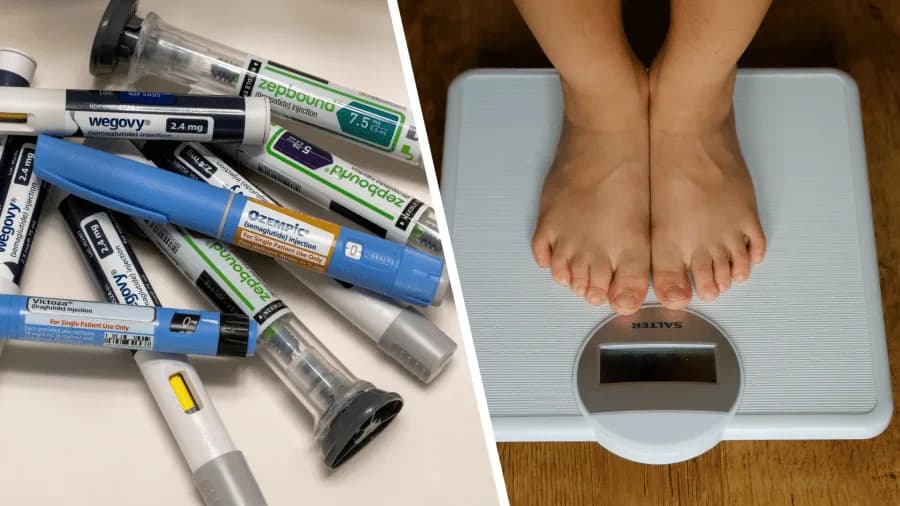
Donald Trump commonly calls GLP-1 medications "fat drugs" or "fat shots." Burak Kara via Getty Images / UCG via Getty Images
Use of GLP‑1 medications has surged in the U.S. and around the world. A recent Gallup poll found 11% of American adults now report taking these drugs, up from 3% in 2024.
Originally developed to treat Type 2 diabetes, GLP‑1s are now prescribed for obesity and can also help lower blood pressure and reduce cardiovascular risk. Clinicians and many patients describe the medications as highly effective across a range of metabolic and inflammatory conditions.
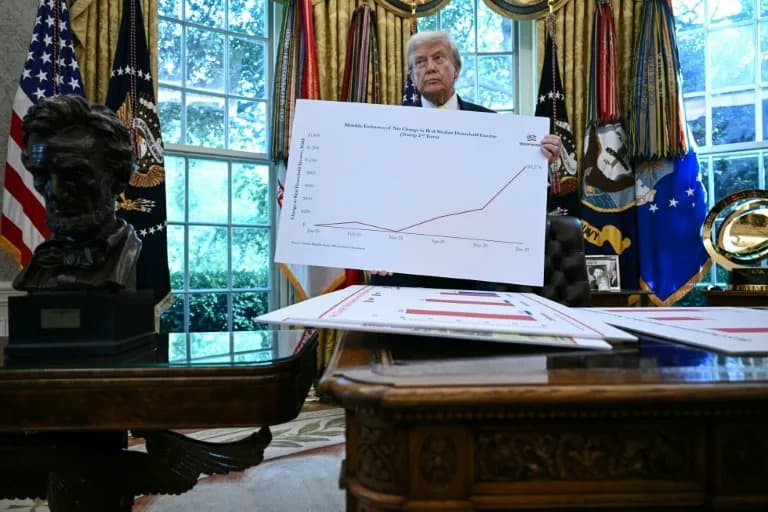
Despite their expanding clinical role, President Donald Trump has repeatedly referred to GLP‑1s with dismissive nicknames such as "fat shots" and "fat drugs," sometimes recounting anecdotes about a friend who "takes the 'fat pill' or the 'fat shot.'" Critics say that language is not only flippant but contributes to stigma toward people living with obesity.
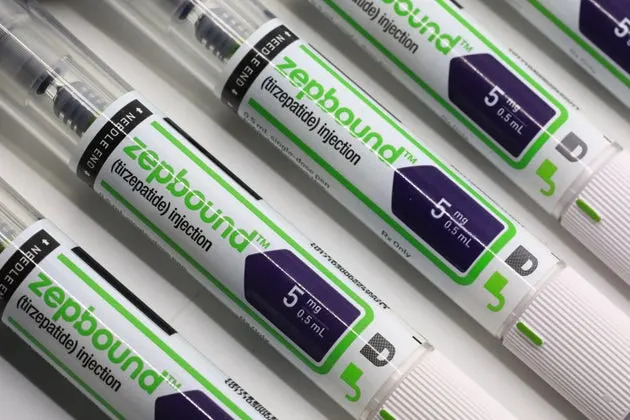
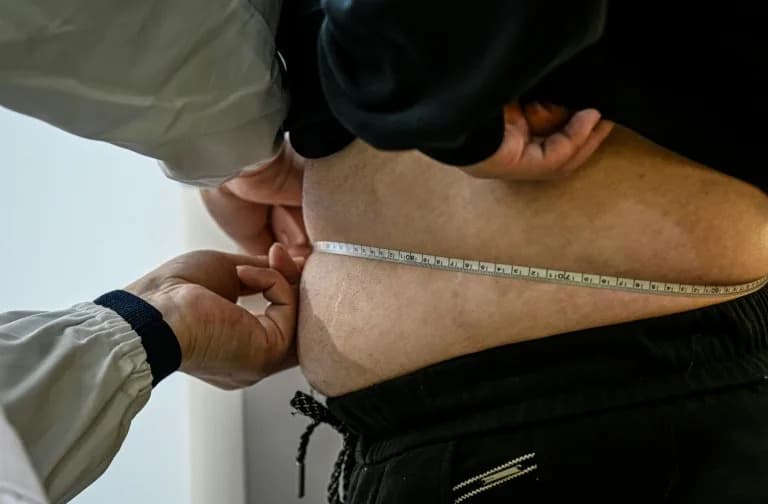
GLP-1 medications are considered to be "miracle drugs," but the people who use them often face judgment from non-users. Douglas Sacha via Getty Images
Voices From Clinicians And Patients
Dr. Eric Burnett, an internal medicine physician and health communicator in New York: "GLP‑1s are phenomenal medications — not only for weight loss but for diabetes, heart disease and sleep apnea. My greater concern is access: many patients still can't get these life‑saving drugs covered by Medicaid. Policy should focus on coverage, not nicknames."
Kylie Pomaikaiokalani: "Framing these medicines as 'fat shots' is fatphobic and reductive. It flattens the many medical benefits and risks making the drugs seem like vanity treatments rather than legitimate therapies for metabolic disease."
Dr. Elizabeth Kazarian, family and obesity medicine physician: "While steps have been taken to lower prices, the rhetoric is insensitive and perpetuates shame. Words from leaders shape public perception and can worsen stigma for an already marginalized group."
Dr. Oni Blackstock, founder of Health Justice: "Calling GLP‑1s 'fat drugs' extends fatphobia to the medications themselves and ignores structural contributors to obesity — food access, built environments, work conditions and social safety nets."
Cindy Mello: "Obesity is a complex chronic disease. GLP‑1s correct metabolic issues and are lifesaving for many people. Ridicule distracts from the medical reality."
Krysta Berning Nunn: "I was prescribed a GLP‑1 for insulin‑resistant PCOS and fatty liver. A surprising benefit was reduced inflammation and major relief from endometriosis pain — more than any previous treatments."
Kelly Kuntz: "My husband takes a GLP‑1 for diabetes and lost little weight. These drugs serve different therapeutic goals; stigma is unjustified in a nation already struggling with body image pressures."
Heather McClary Philpot: "After many failed attempts with diets, I've lost over 130 pounds in 22 months on a GLP‑1. It's not a quick fix — it's a tool used alongside major lifestyle changes."
Jennifer J. Beard: "I had to change my eating habits entirely. Calling the medication names won't change its impact on people's lives."
Amanda Brown‑Mini: "GLP‑1s are used for many conditions beyond weight loss. Labeling them ignores their broad clinical purpose."
Policy And Public Health Concerns
Clinicians and patients say the real conversation should center on access and coverage. Many urged policymakers to expand Medicaid and insurance coverage for GLP‑1 therapies so patients who need them can afford them. They also warned that political rhetoric that reduces complex medical treatments to derogatory terms reinforces stigma and misinforms the public.
Bottom line: GLP‑1s are clinically valuable for multiple conditions. Experts contend that mocking labels from political leaders distract from urgent policy decisions that determine who can access these medications and how they are perceived.
Note: This article adapts reporting and quotes originally published by HuffPost; quotes have been edited and condensed for clarity.
Help us improve.