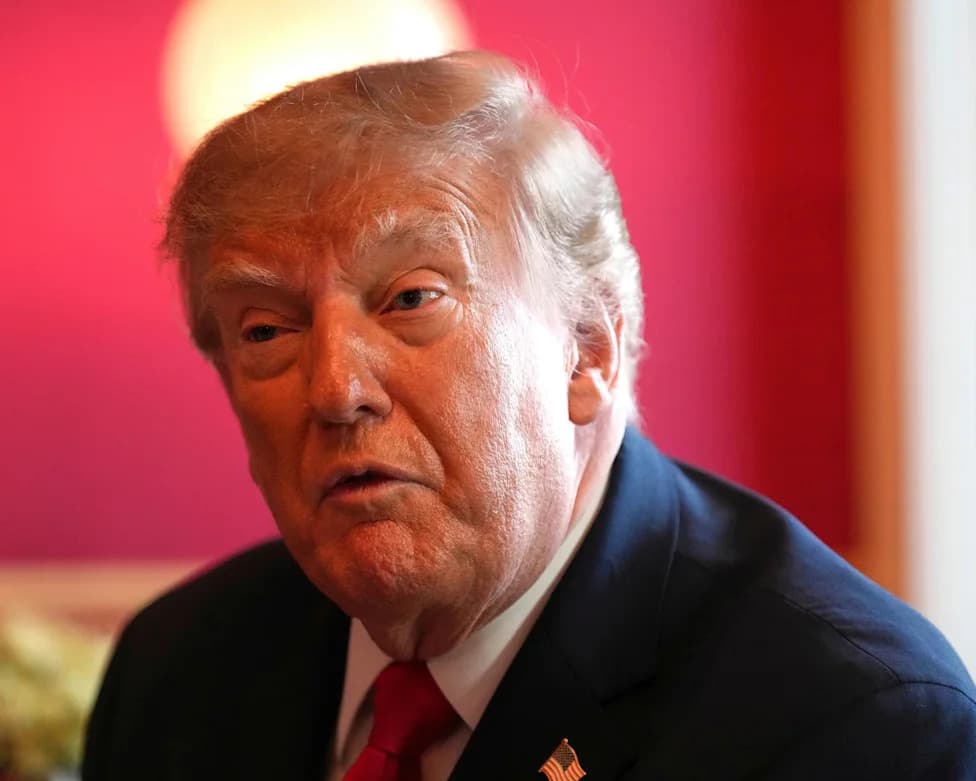
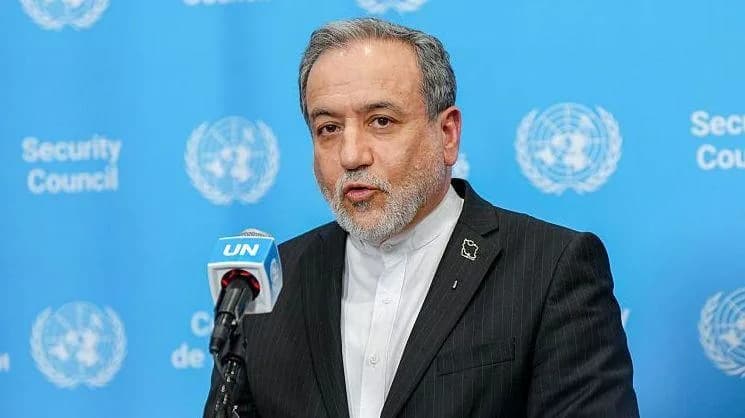
The US and China agreed to extend a trade truce until January 10, with Presidents Trump and Xi planning two more meetings this year. Officials say the rollover is a short "compliance period," and Washington remains wary about deliveries of rare-earth magnets and other commitments. The two sides also agreed to set up an AI notification channel, but experts doubt it will usher in broad regulatory cooperation. Analysts warn tangible outcomes are needed for a longer-term easing of tensions.
US and China Extend Trade Truce — Analysts Warn Time Is Running Out
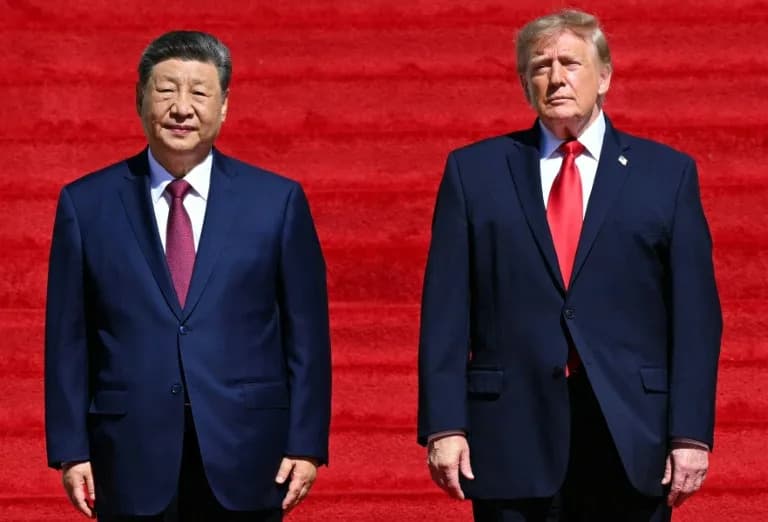
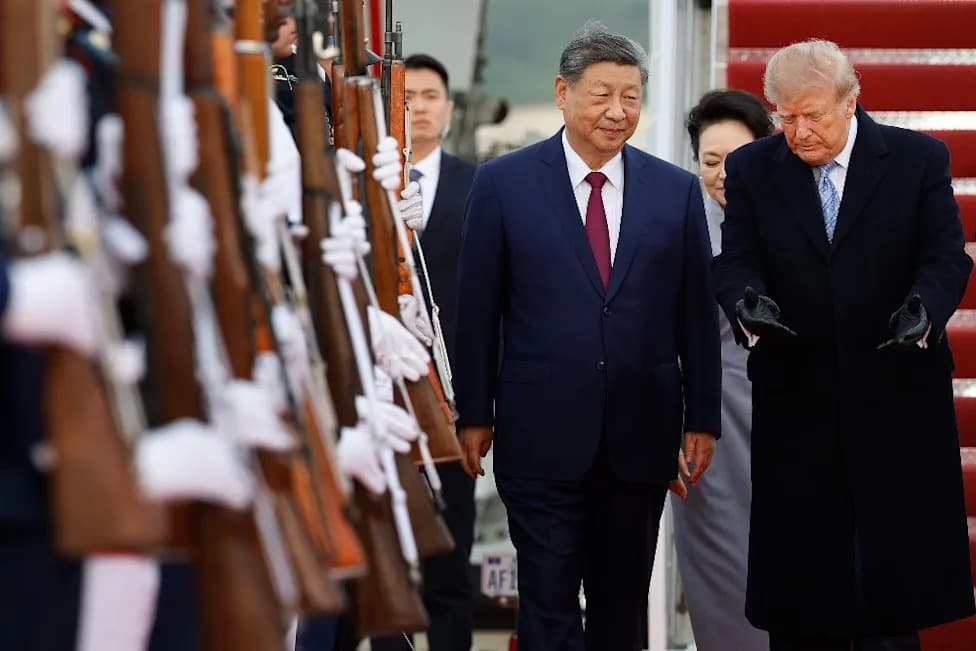
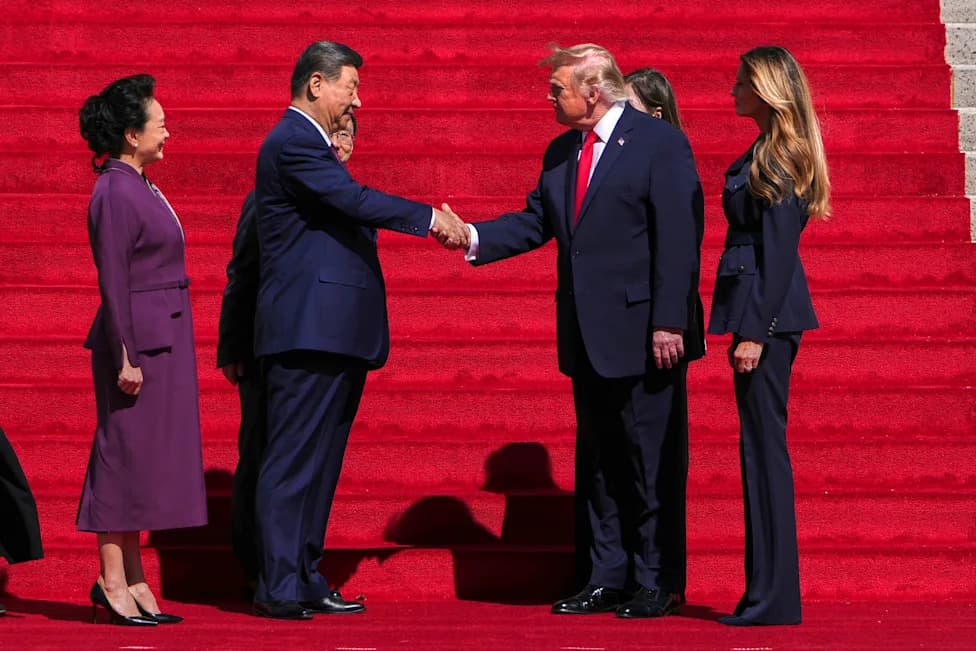
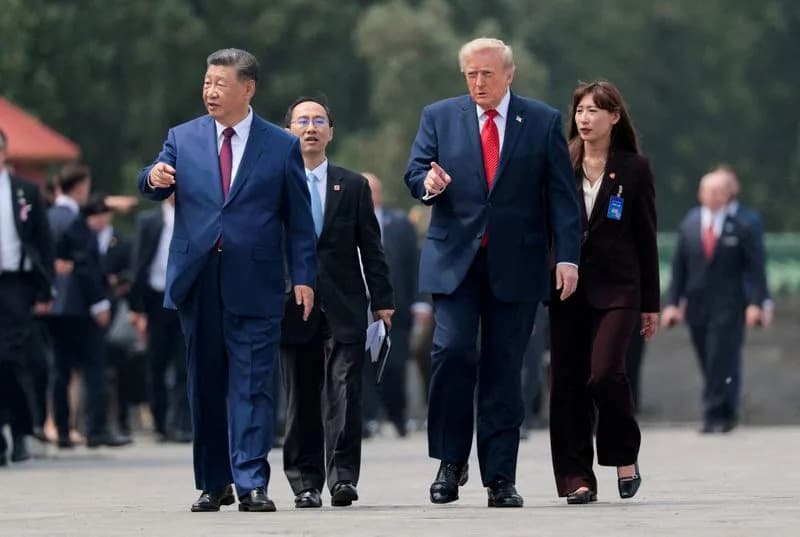
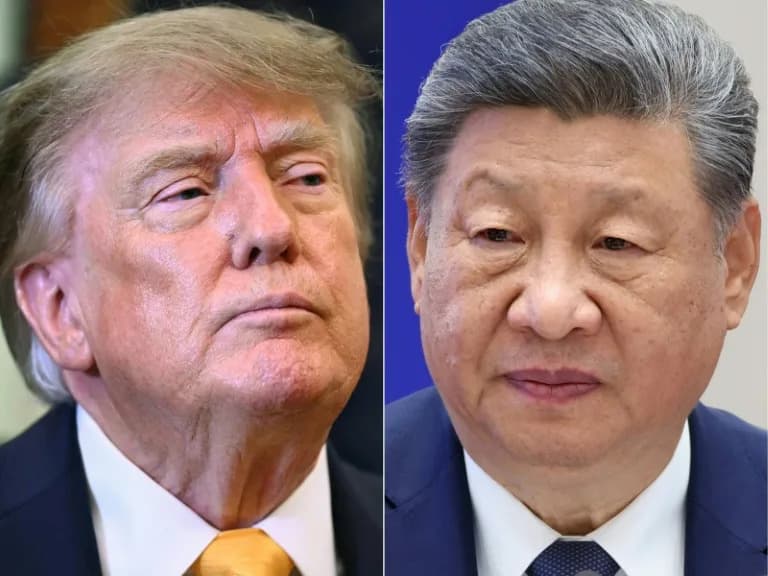
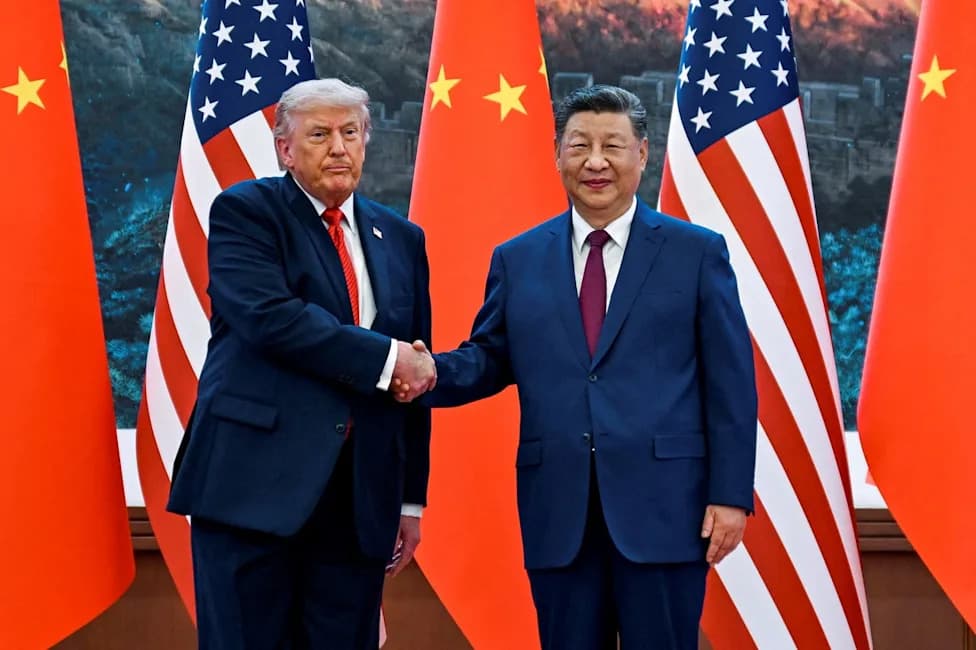
Even as US President Donald Trump and Chinese leader Xi Jinping 'are making nice,' analysts say both sides remain locked in fierce competition (SAUL LOEB)
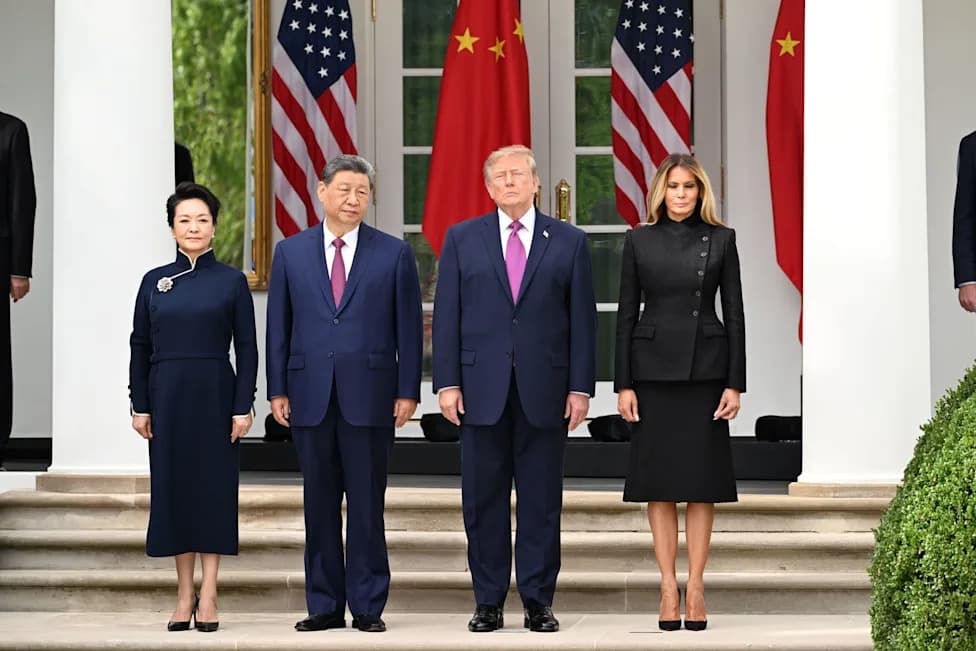
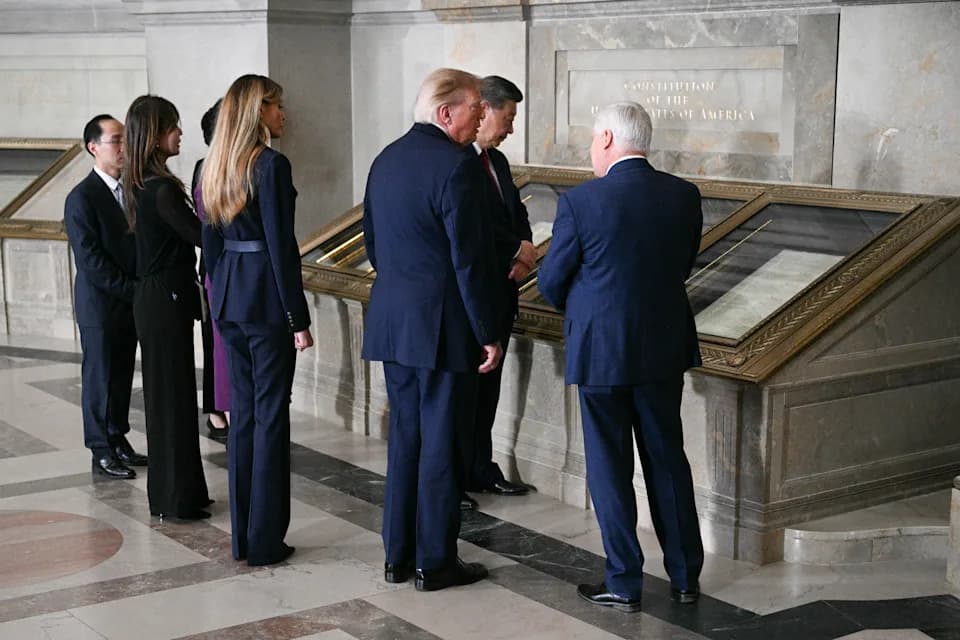
Washington and Beijing have agreed to a short-term extension of their trade truce, buying both sides breathing space while deeper strategic tensions remain unresolved. Presidents Donald Trump and Xi Jinping concluded a highly publicized summit and said they will meet two more times before the end of the year.
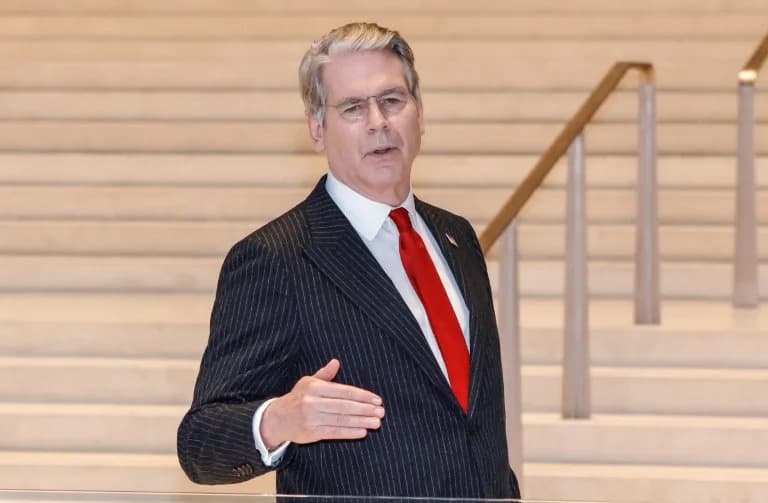
Under the rollover, the trade pact that had been due to expire in November has been extended until January 10, U.S. Treasury Secretary Scott Bessent said. The original agreement included Chinese commitments to increase purchases of U.S. soybeans and other agricultural goods and to suspend rare-earths restrictions for one year.
What officials say
U.S. trade officials described the extension as a short "compliance period." Jamieson Greer, the administration's top trade official, said both sides have made "progress" on some economic issues and promised to publish more details soon. Greer also indicated that negotiators are working to identify a subset of goods that could receive more preferential treatment and products to be set aside from future disputes.
Analysts temper optimism
"They're making nice, but their countries remain locked in a bitter competition over trade, tech, Taiwan, defense, rare earths and industrial policy," said Daniel Russel of the Asia Society Policy Institute.
Daniel Kritenbrink, formerly a U.S. official and now with The Asia Group, said both leaders want short-term stability but warned that "you'd have to see further tangible outcomes for this truce to extend in the long run." Kritenbrink and other U.S. officials have expressed frustration that Beijing has not always met earlier commitments.
Mary Lovely of the Peterson Institute for International Economics said the brief rollover reflected American caution. U.S. officials are particularly anxious about supplies of rare-earth magnets and have preferred a short extension to keep leverage "on a short leash." Lovely added that it is unclear how effective tariff threats now are in changing Chinese behavior.
New measures and lingering limits
Officials also announced plans to set up a notification channel between Washington and Beijing for artificial-intelligence incidents. Peter Richardson of Counterpoint Research said the mechanism could be as simple as a hotline but warned that it will be difficult to define triggers: "It is often very difficult to tell quickly whether an AI incident was state-directed, a rogue actor or an accident." He added that while the channel could serve as a practical guardrail, it is unlikely to produce a comprehensive international framework for AI regulation.
Looking ahead, Greer will host G20 trade ministers in Wisconsin, where U.S. tariff strategy and concerns over Chinese excess industrial capacity are expected to top the agenda.
Bottom line
The extension buys time, but analysts warn it does not resolve the strategic competition between the two largest economies. Without clearer, enforceable concessions, the truce risks remaining a temporary pause rather than the start of a durable détente.
Help us improve.