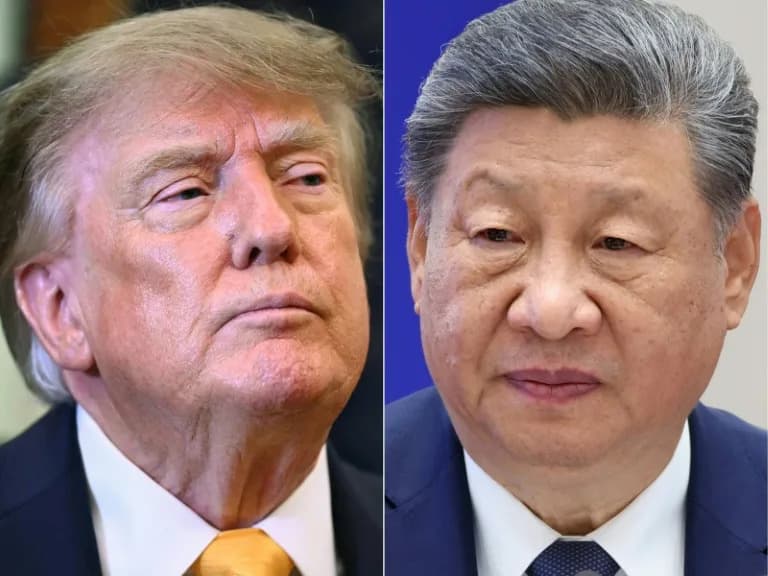
The Sept. 24 summit between Xi Jinping and Donald Trump is expected to prioritize extending last year’s trade truce rather than delivering sweeping breakthroughs. China arrives with exports surging and a trade surplus set to top $1 trillion, strengthening Beijing’s leverage. Trump, distracted by the costly Iran war and falling approval, may have limited room to press China on contentious issues such as Taiwan and sanctions on Iran. Preparatory talks focused on targeted areas like AI guardrails and non‑sensitive trade.
Xi Heads To Washington With China’s Trade Roaring — Truce Extension Likely
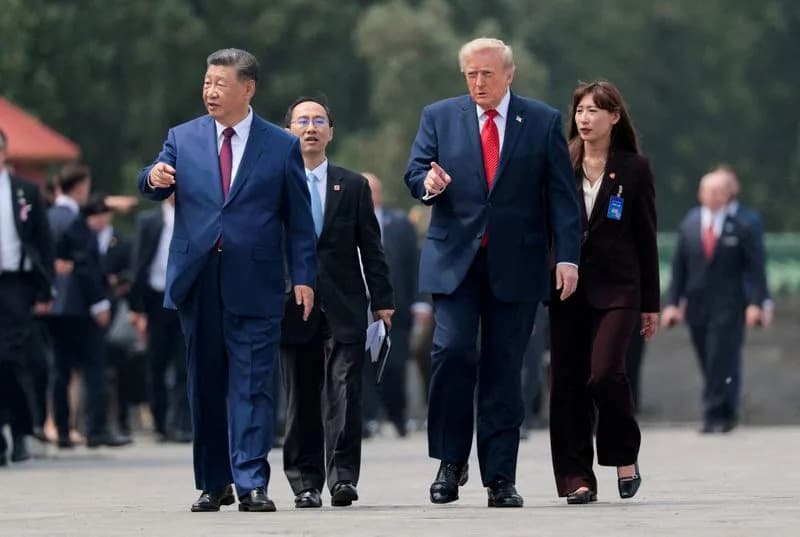
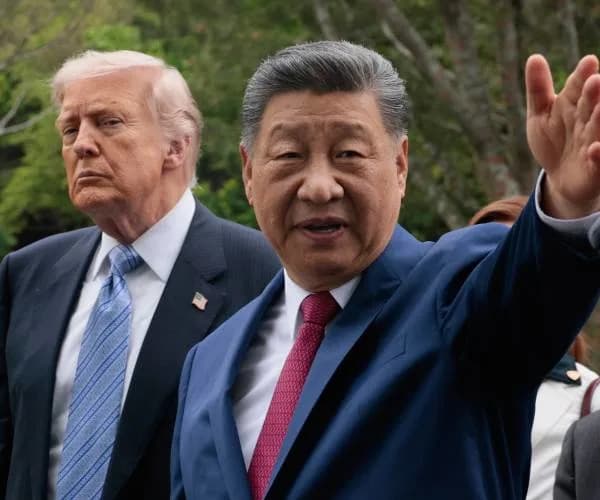
FILE PHOTO: U.S. President Donald Trump and Chinese President Xi Jinping walk together as they tour the Temple of Heaven in Beijing, China, May 14, 2026. REUTERS/Evan Vucci/File Photo
BEIJING/WASHINGTON — In the four months since their last meeting, Xi Jinping arrives in Washington with China’s export engine running strongly while President Donald Trump faces slipping approval amid a costly war with Iran. Analysts say those shifting dynamics have lowered expectations for sweeping breakthroughs at the Sept. 24 summit; the most likely outcome is a signal that the trade truce struck last year will be extended.
Xi’s Leverage And The Trade Picture
China’s exports have rebounded sharply, and its global trade surplus is on pace to top $1 trillion for a second straight year. Economists increasingly call the rebound “China Shock 2.0.” While U.S. curbs on cheap parcel shipments used by online retailers have had some effect, more than half of roughly 6,500 product categories China sold to the U.S. so far this year have grown versus 2025.
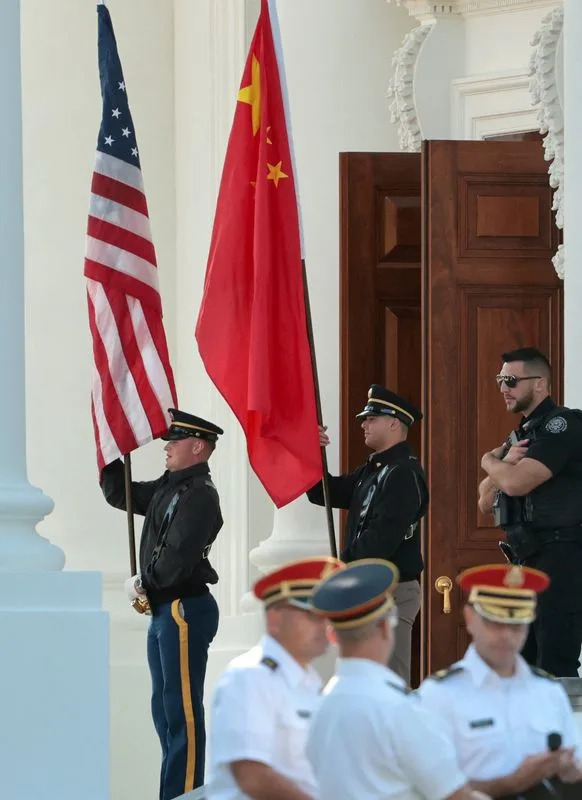
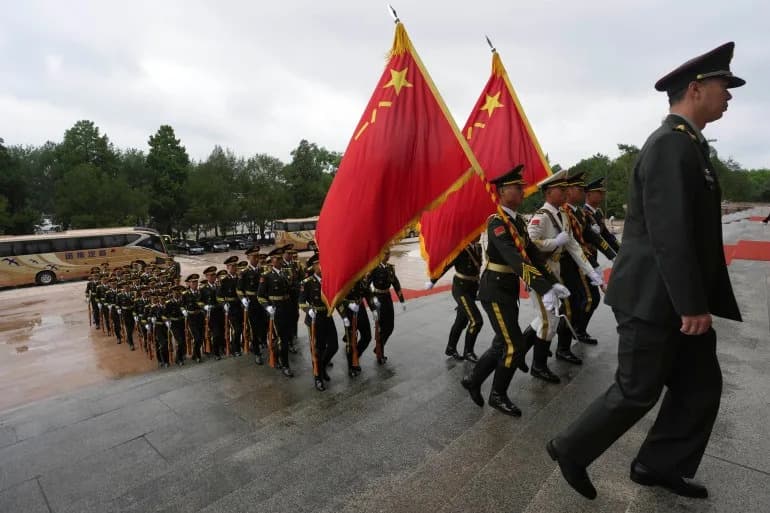
Members of a U.S. military honor guard rehearse an arrival ceremony with a Chinese flag and U.S. flag ahead of Chinese President Xi Jinping’s state visit next week with U.S. President Donald Trump at the White House in Washington, D.C., U.S., September 16, 2026. REUTERS/Jonathan Ernst
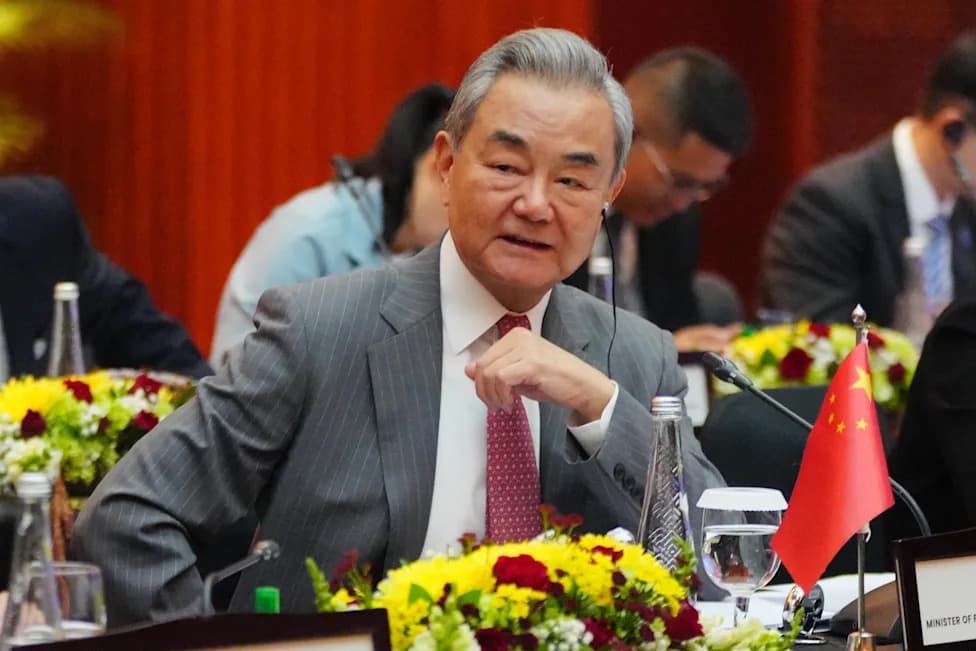
Preparatory talks in New York led by U.S. Treasury Secretary Scott Bessent and Chinese Vice Premier He Lifeng focused on narrower areas — potential AI guardrails and trade in non-sensitive goods — rather than far-reaching deals. A delegation of Chinese business leaders, possibly including firms facing U.S. regulatory scrutiny, is expected to travel with Xi.
“Xi is not really looking for anything tangible. He wants to extend the gentleman's agreement with Trump so that China has time to fortify itself,” said Jon Czin, a foreign policy expert at the Brookings Institution who formerly served as China director at the U.S. National Security Council.
Taiwan, Trade And Transactional Diplomacy
If Xi approaches talks from a position of strength, U.S. allies in Asia may worry Beijing will press Trump to soften Washington’s posture on Taiwan. Trump has said Xi raised Taiwan repeatedly when they met in Beijing, including questions about arms sales and U.S. resolve to defend the island. The president has described a pending $14 billion arms package for Taiwan as a potential “negotiating chip.”
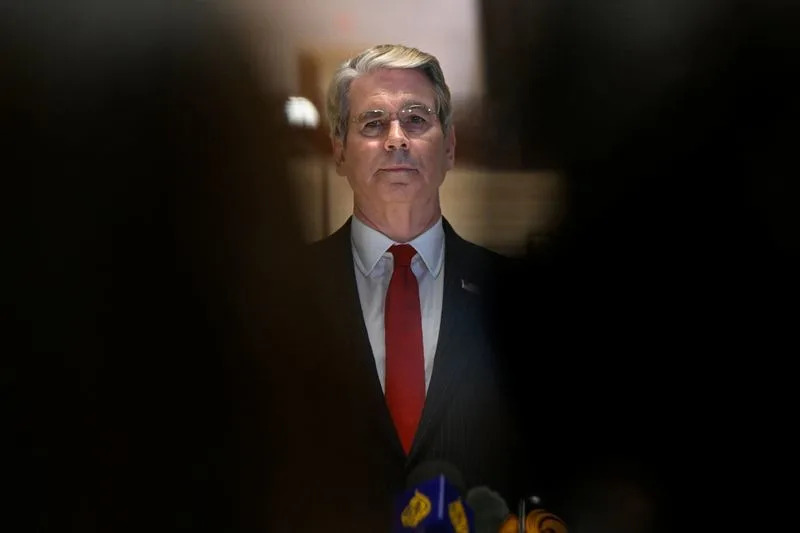
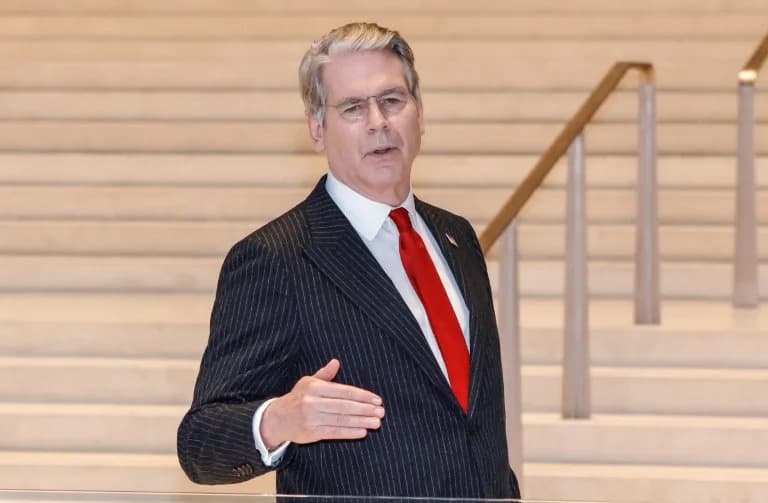
US Treasury Secretary Scott Bessent speaks to the media after meeting China's Vice Premier He Lifeng, ahead of a summit between US President Donald Trump and Chinese President Xi Jinping, at JPMorgan Chase's global corporate headquarters in New York City, US, September 20, 2026. REUTERS/Vincent Alban
Analysts say possible deals could include Chinese purchases of Boeing jets or U.S. farm goods, or commitments to stem the flow of fentanyl precursor chemicals. “China‑U.S. ties have become more transactional,” said Wu Xinbo, a professor at Fudan University who advises China’s foreign ministry. “If you accommodate our concern on the Taiwan issue, then we would be willing to accommodate your concerns on other issues, be it law enforcement or purchases of U.S. agricultural products.”
Iran And the Limits Of Leverage
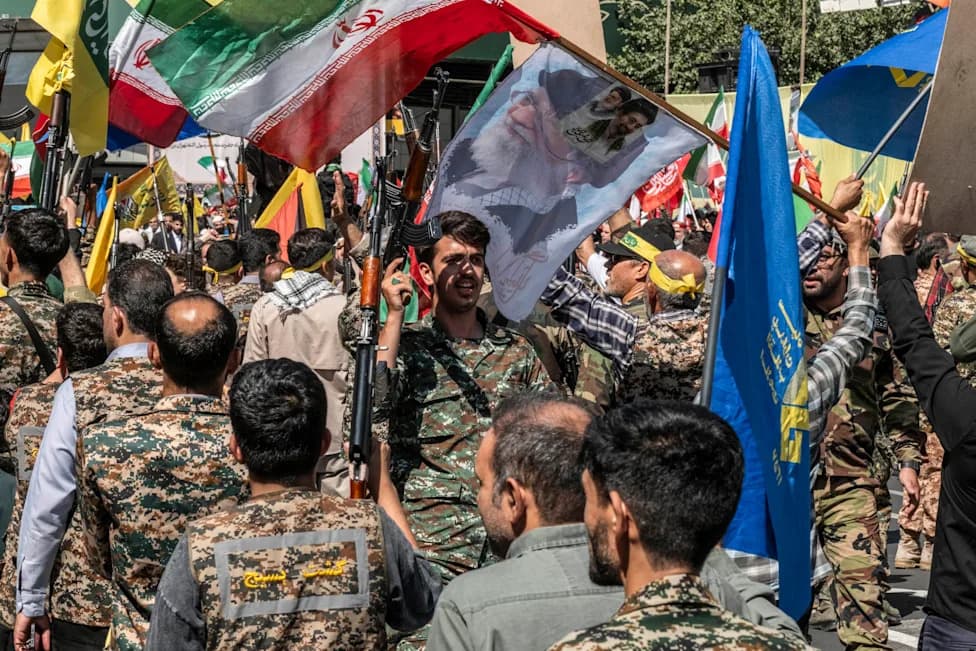
Washington also hopes Beijing can use its influence to press Iran to de‑escalate a war that has damaged Trump’s approval and raised costs for Americans. But Xi has shown little inclination to take that step. Reuters reported earlier that Beijing is moving billions of dollars’ worth of goods to Iran through alleged sanctions‑evasion channels — a claim China’s foreign ministry says it does not recognise.
U.S. warnings last month of secondary sanctions — described by Bessent as an “Economic D‑Day” — have not been applied to China, Tehran’s largest trading partner, reinforcing analysts’ view that both leaders prefer stability in the bilateral relationship so they can focus on other priorities.
“Both Xi and Trump feel it’s quite helpful to have stability in the relationship so that they can focus on more pressing things. For Trump, that is Iran. For Xi, that is building out China’s domestic resilience for whatever comes after Trump,” said Ruby Osman, senior geopolitical researcher at the Tony Blair Institute for Global Change.
The Sept. 24 summit will be watched for whether the leaders simply endorse an extension of last year’s trade truce or aim for limited, concrete arrangements — such as AI safety cooperation and non‑sensitive trade agreements — while leaving the most contentious security and human‑rights issues largely unresolved.
Help us improve.