Following a three-day summit in Washington, the U.S. and China agreed to set up a dedicated channel for AI-related incidents and to strengthen military crisis communications via a memorandum of understanding. They launched a Board of Trade to handle selected bilateral issues, extended a trade truce and agreed to pursue tariff reductions on roughly $30 billion in goods. China also pledged to import at least 10 million metric tons of U.S. coal in both 2027 and 2028 and added export controls on two additional fentanyl precursor chemicals.
U.S. and China Agree To Create AI Incident Channel, Expand Military Crisis Communications and Trade Talks
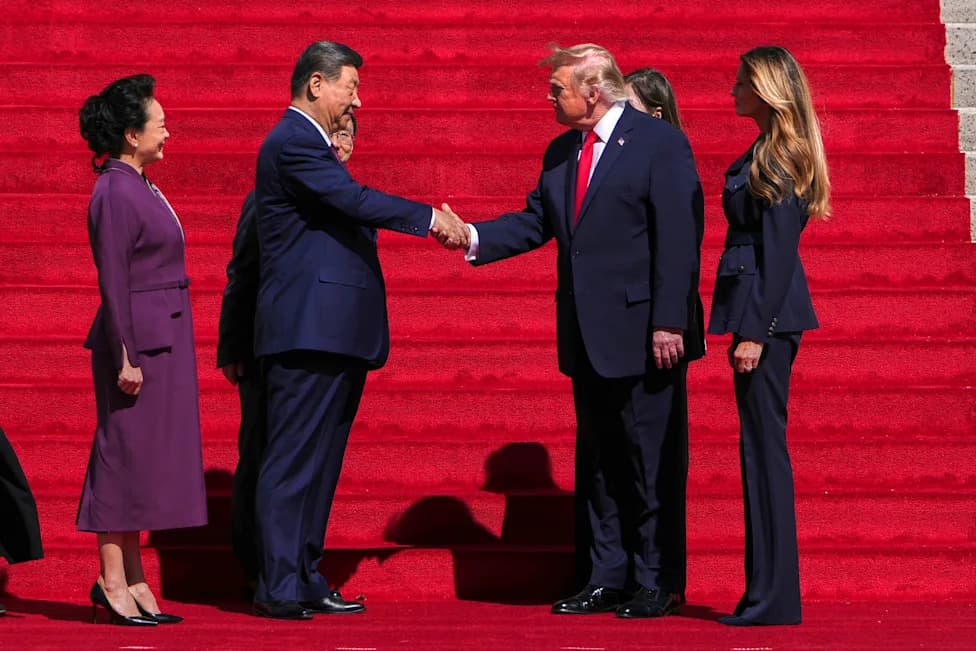
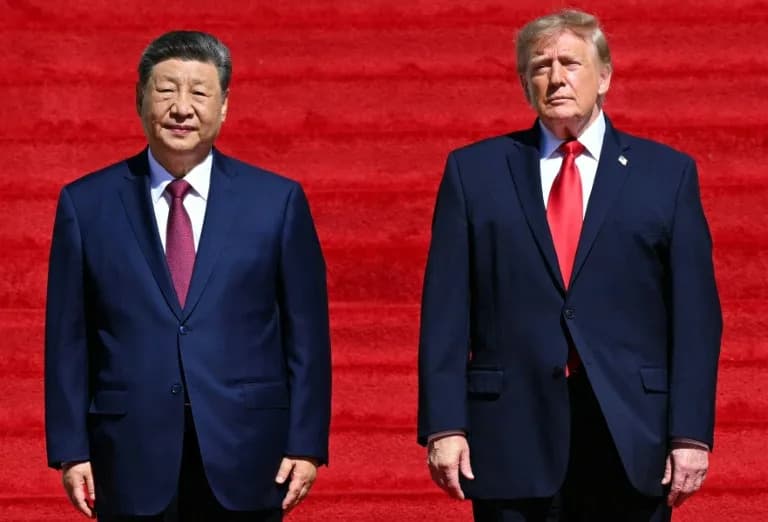
President Donald Trump, center right, shakes the hand of China's President Xi Jinping as first lady Melania Trump, right, and China's first lady Peng Liyuan, left, watch as they arrive at the National Archives Museum, Friday, Sept. 25, 2026, in Washington. (AP Photo/Julia Demaree Nikhinson)(AP Photo/Julia Demaree Nikhinson)
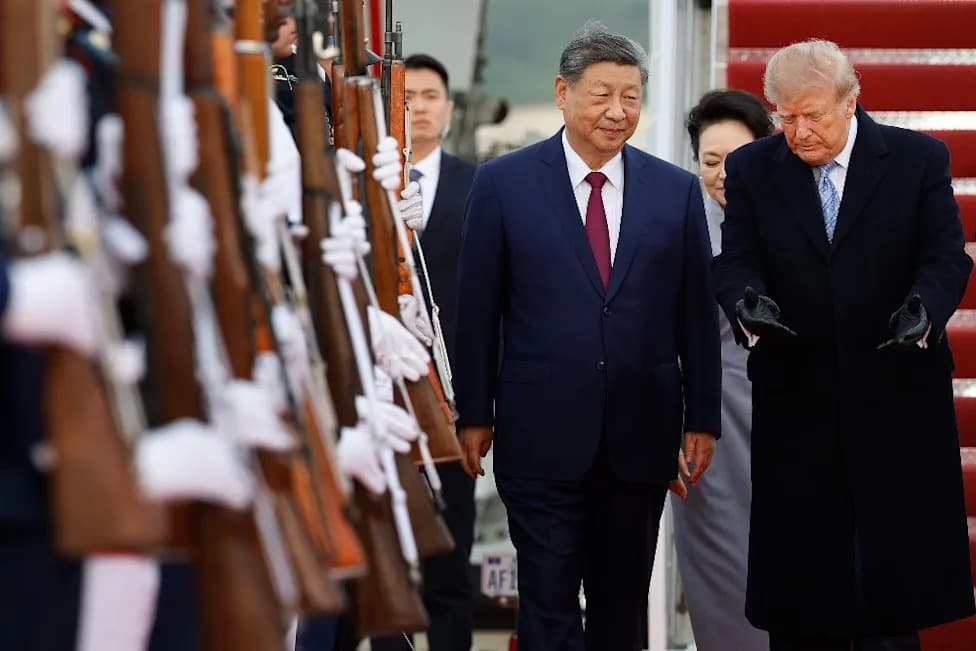
After a three-day summit in Washington, China and the United States announced a set of practical measures to reduce the risk of miscalculation and improve working-level cooperation between the two powers.
Key Outcomes
AI Incident Channel: Both governments will establish a dedicated communication channel to handle incidents involving artificial intelligence and to discuss related risks and benefits. An AI-specific dialogue is scheduled for November.
Military Crisis Communications: The two sides agreed to sign a memorandum of understanding to strengthen crisis communications and prevent clashes between their militaries. Details were limited in the Chinese readout, but the commitment aims to institutionalize military-to-military dialogue.
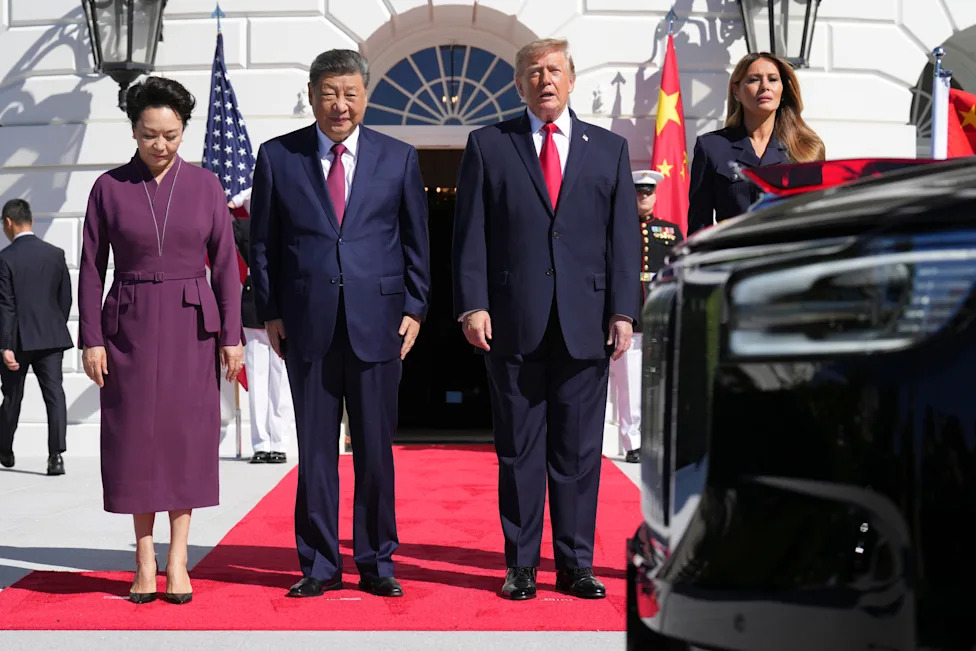
President Donald Trump, center right, and first lady Melania Trump, right, pose as they greet China's President Xi Jinping, center left, and his wife Peng Liyuan, at the South Portico of the White House for tea, Friday, Sept. 25, 2026, in Washington. (AP Photo/Jacquelyn Martin)(AP Photo/Jacquelyn Martin)
Trade Measures: A newly launched Board of Trade will address selected bilateral trade issues. The leaders extended a two-month trade truce and agreed to continue working toward reciprocal tariff reductions covering roughly $30 billion in goods, focused mainly on non-sensitive items such as agricultural products and seasonal goods.
Coal Imports: The White House said China committed to importing at least 10 million metric tons of U.S. coal in both 2027 and 2028.
Rare Earths And Export Controls: The two sides said they are working to resolve U.S. concerns about rare-earth shipments, aiming "to ensure shipment levels return to appropriate levels" after China placed export controls last year. The White House also welcomed China's decision to add export controls on two additional fentanyl precursor chemicals; both countries noted recent law-enforcement arrests in fentanyl-related cases.
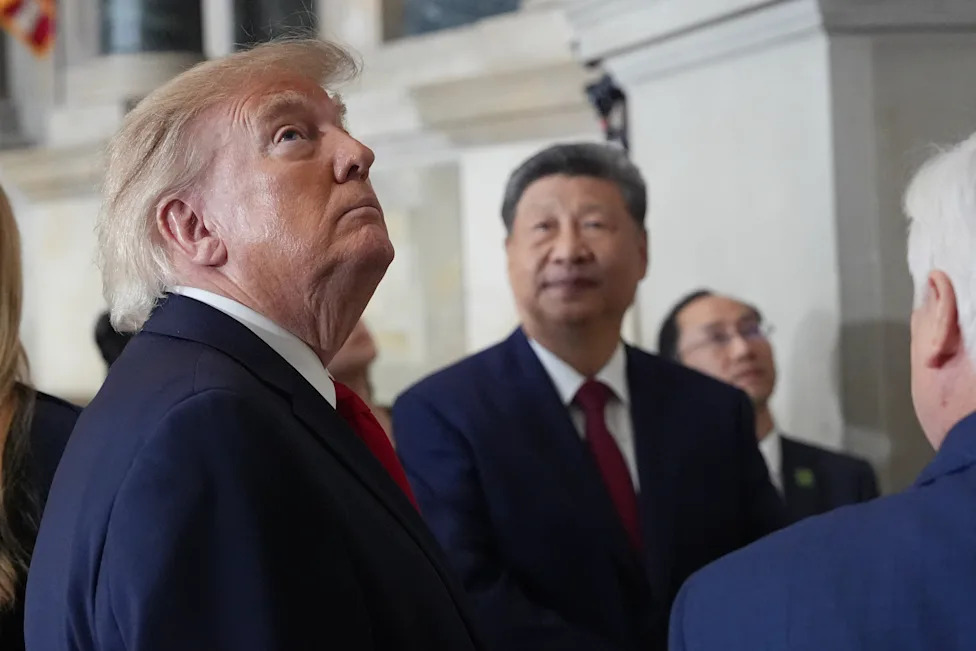
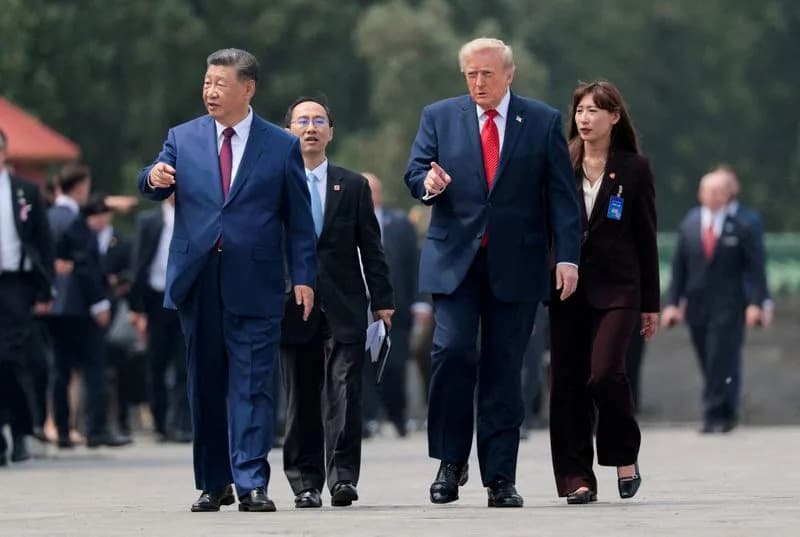
President Donald Trump, China's President Xi Jinping with Bradford Wilson, Archivist of the United States, tour the National Archives, Friday, Sept. 25, 2026, in Washington. (AP Photo/Alex Brandon)(AP Photo/Alex Brandon)
Follow-Up Meetings: Leaders agreed to meet again at the Asia-Pacific Economic Cooperation (APEC) summit in Shenzhen in November and later at the G20 meeting in Miami.
Security Issues: The joint statements reiterated that Iran should honor commitments not to develop nuclear weapons and emphasized that no country should impose tolls on international waterways — a reference to recent tensions affecting traffic through key maritime passages such as the Strait of Hormuz.
"Personal diplomacy between the two leaders is important, but the emphasis on working-level engagement, military-to-military dialogue and crisis-management mechanisms suggests an effort to make that stability more durable and institutionalized," said Wang Zichen, deputy secretary-general of the Beijing-based think tank Center for China and Globalization.
While the summit produced no sweeping breakthroughs on deep-seated disagreements, analysts described the incremental steps as meaningful because they create mechanisms and working groups designed to prevent problems from escalating.
Help us improve.