Xi Jinping completed a two-day state visit to Washington that was heavy on ceremony but light on immediate policy breakthroughs. Leaders agreed to extend a temporary tariff truce for two months and established an AI dialogue with a follow-up meeting planned. U.S. officials pressed concerns about Chinese assistance to Iran and reaffirmed that U.S. policy on Taiwan remains unchanged. The trip underscored symbolism — state dinners, gifts and high-profile guests — while keeping substantive negotiations ongoing.
Trump Hosts Xi at White House: High Drama, Few Concrete Breakthroughs
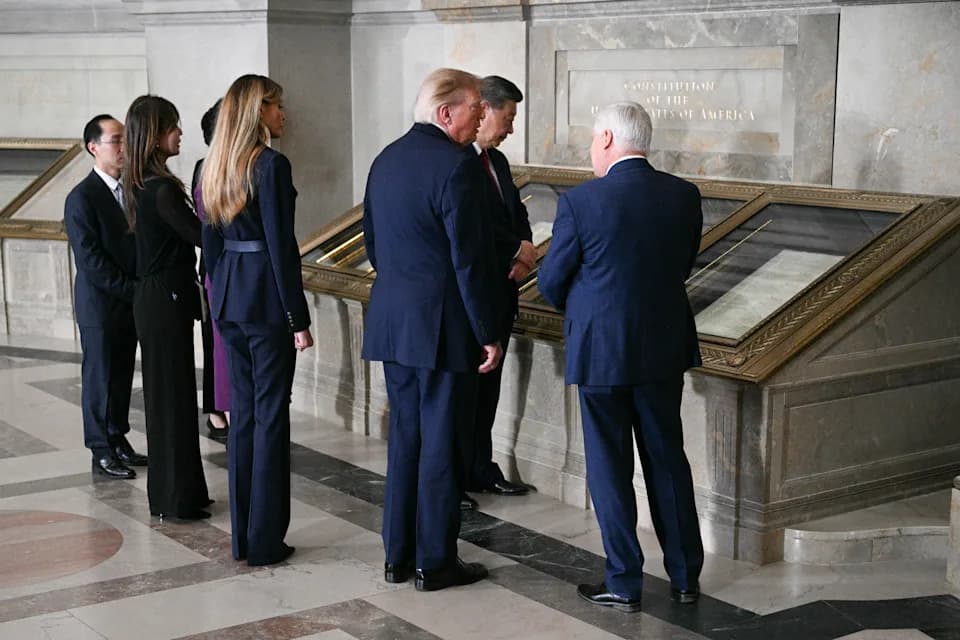
Bradford Wilson (R), Archivist of the United States, accompanies President Trump, China's President Xi Jinping, his wife Peng Liyuan, and First Lady Melania Trump as they view the U.S. Constitution at the National Archives in Washington, D.C., Sept. 25, 2026. / Credit: Jim WATSON /AFP via Getty Images
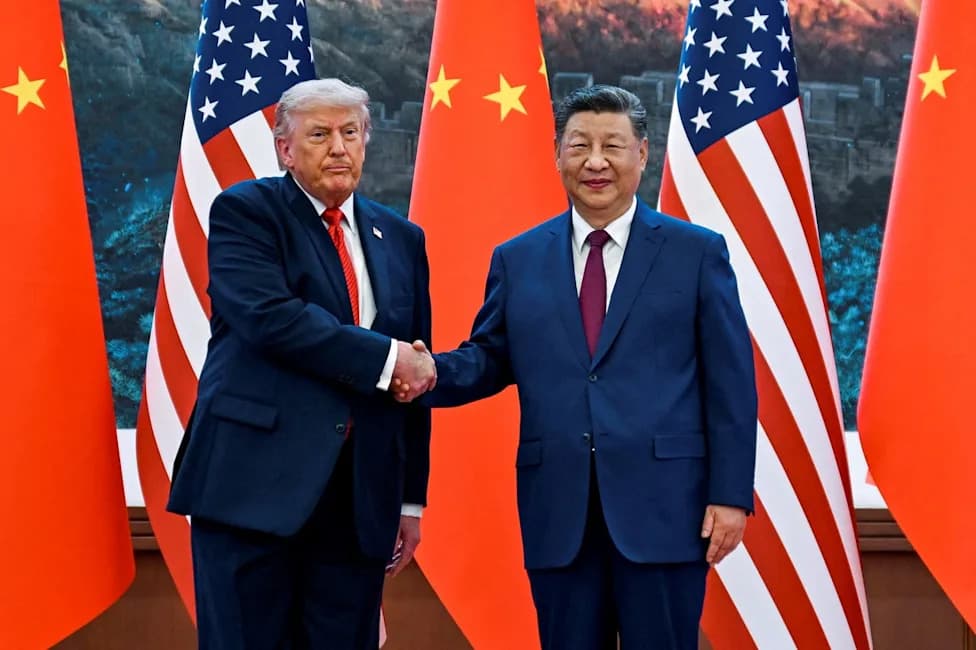
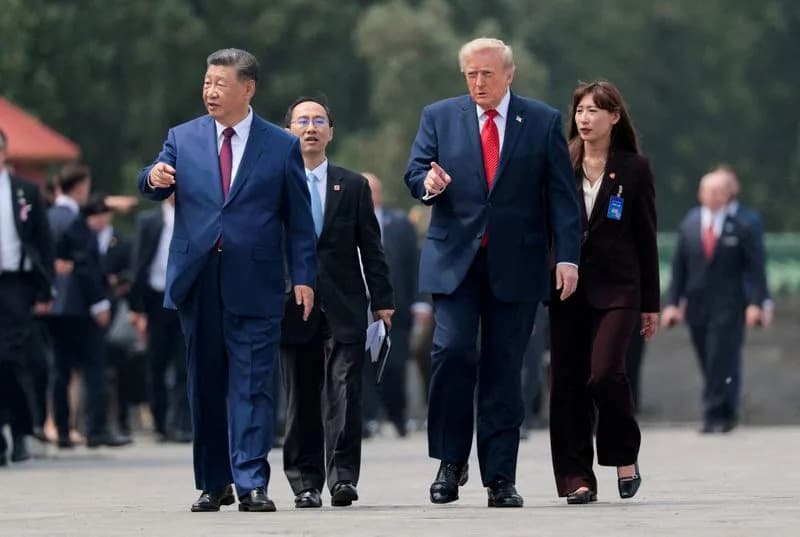
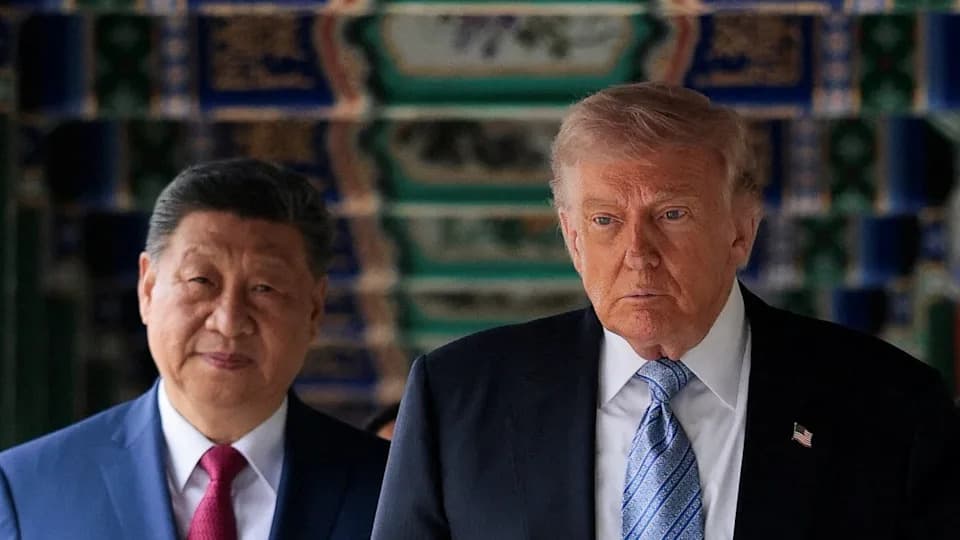
Chinese President Xi Jinping concluded a two-day state visit to the White House on Friday — his first formal trip to Washington in more than a decade — leaving behind a flurry of ceremonial moments but few clear policy breakthroughs.
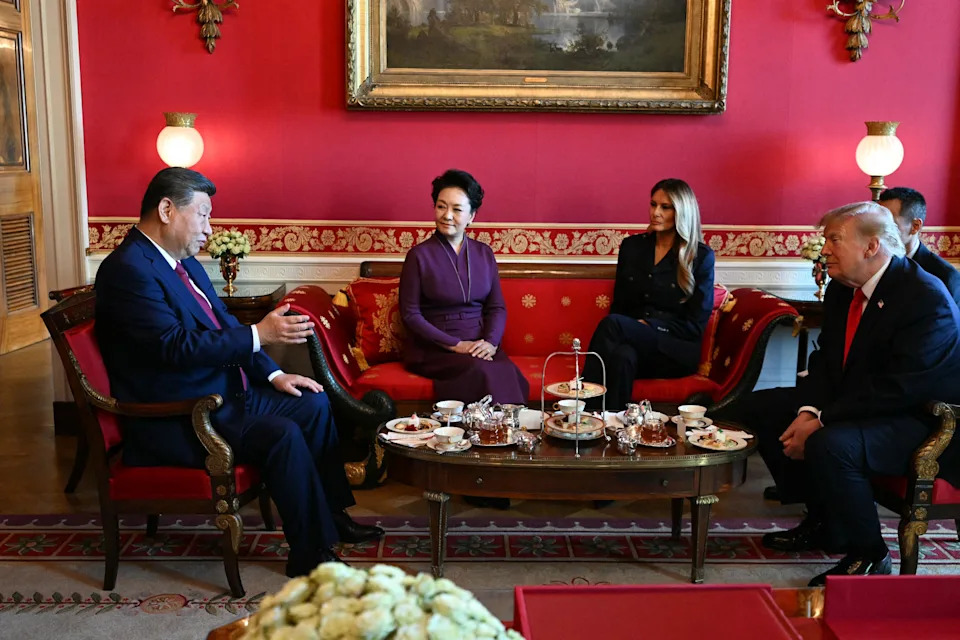
President Trump and fiirst lady Melania Trump host China's President Xi Jinping and his wife Peng Liyuan for tea in the Red Room of the White House, Sept. 25, 2026. / Credit: Alex WROBLEWSKI /AFP via Getty Images
What Happened
White House officials released limited details about substantive outcomes from Thursday and Friday's meetings. Both leaders described the visit in positive terms: President Trump called the talks "great" and said "everything" was accomplished, while Xi said the two sides "reached common understanding on many issues." Yet no wide-reaching agreements were announced.
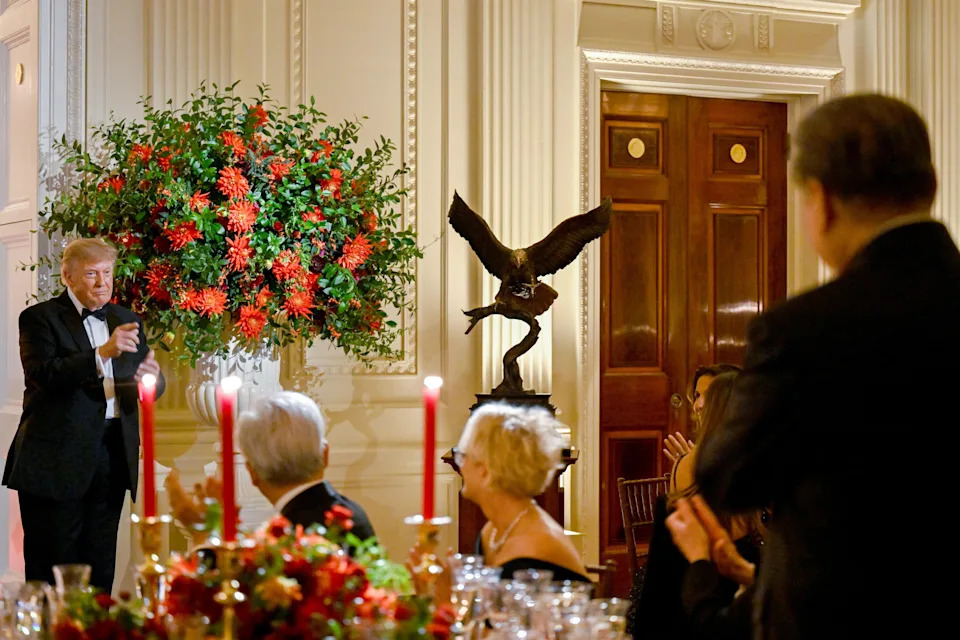
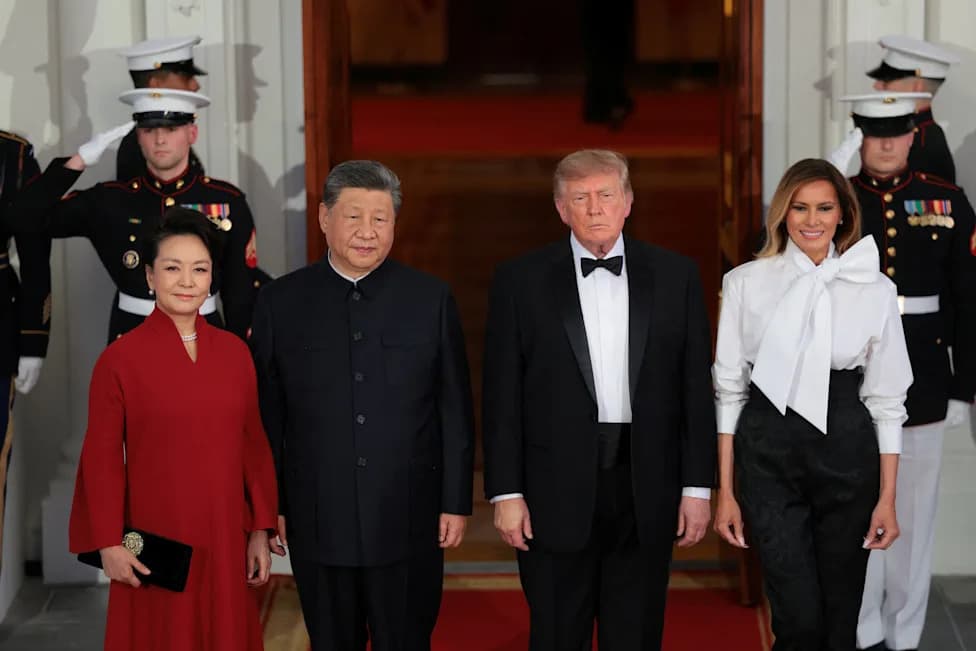
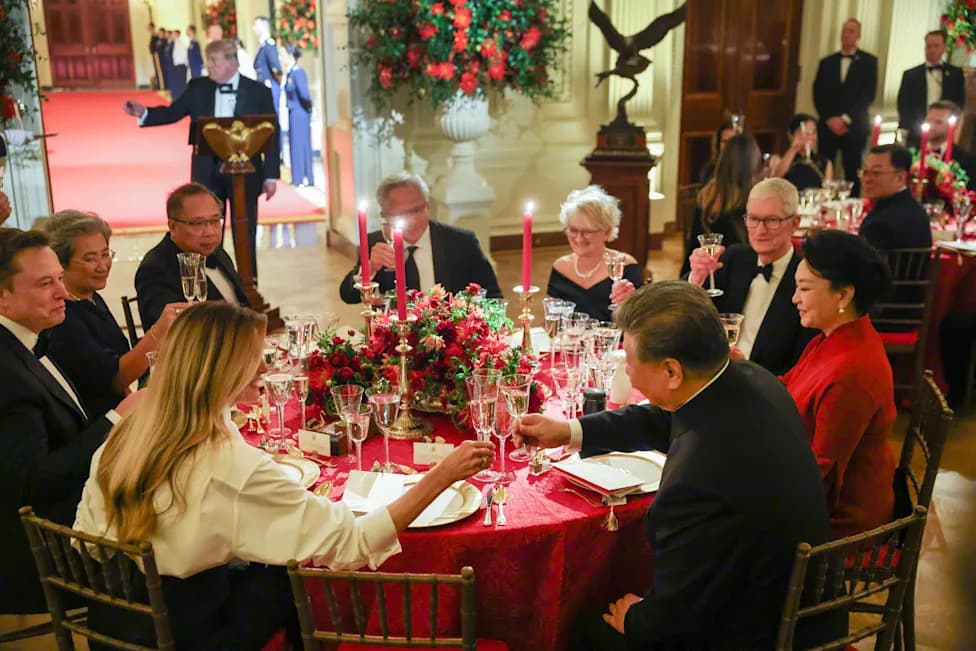
President Trump presents Chinese President Xi Jinping with a bald eagle sculpture during a state dinner in the East Room of the White House on Sept. 24, 2026. / Credit: Annabelle Gordon / CNP / Bloomberg via Getty Images
Agenda Focus: Trade, AI and Security
Trade and artificial intelligence were prominent items on the agenda. U.S. and Chinese economic teams agreed to extend a temporary tariff truce for two months, buying time for further negotiations. Treasury Secretary Scott Bessent said Beijing has proposed negotiating a broader deal beyond the Busan truce; U.S. officials said they are open to exploring options.
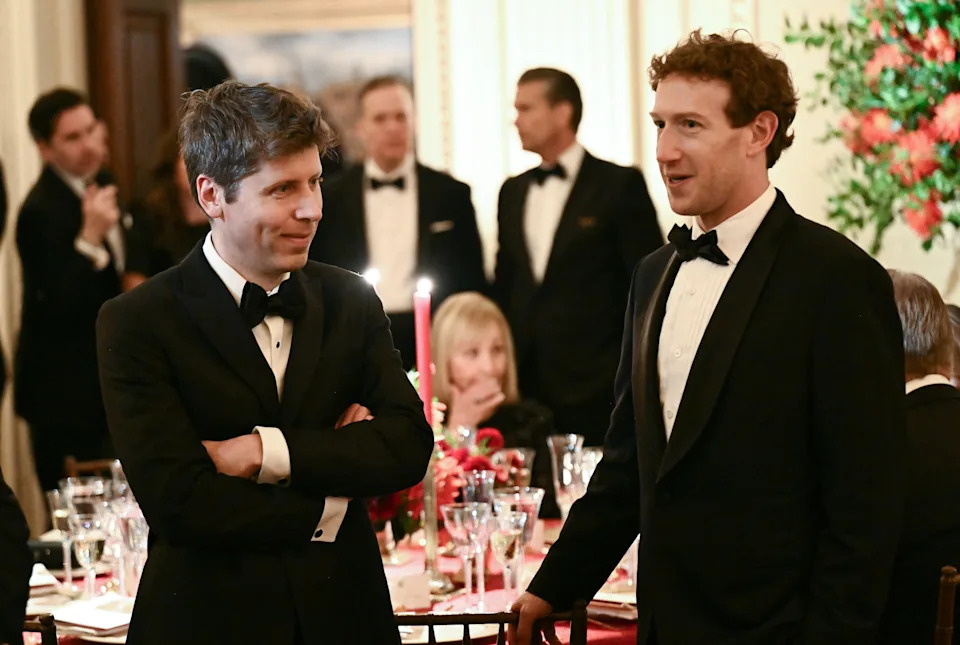
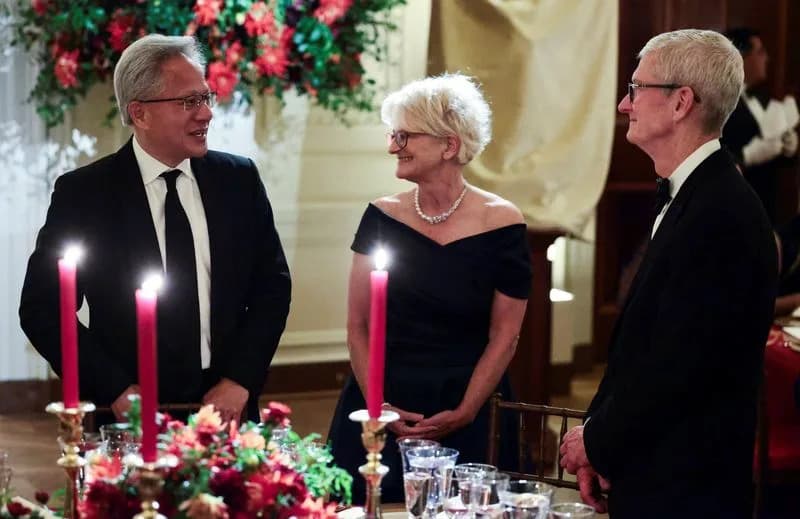
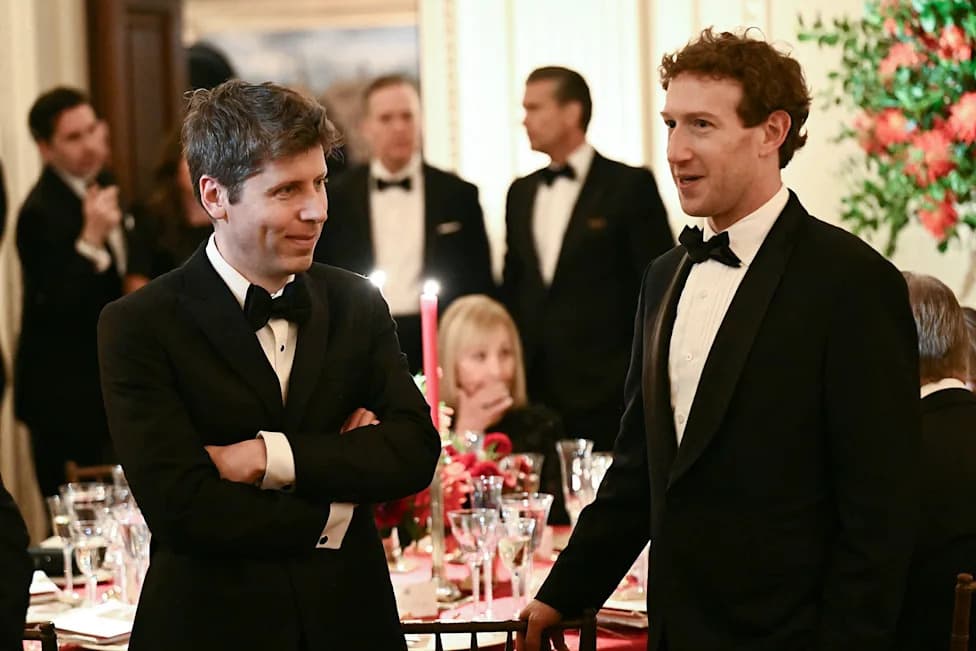
OpenAI CEO Sam Altman and Meta CEO Mark Zuckerberg attend a state dinner hosted by President Trump for Chinese President Xi Jinping in the East Room of the White House on Thursday. / Credit: Brendan SMIALOWSKI /AFP via Getty Images
On AI, U.S. Trade Representative Jamieson Greer confirmed that the two sides have established an AI dialogue — described as a communications channel to share risk information and incident reports, akin to a Cold War–era hotline. Greer said a follow-up AI meeting is expected within weeks, though no binding commitments were announced.
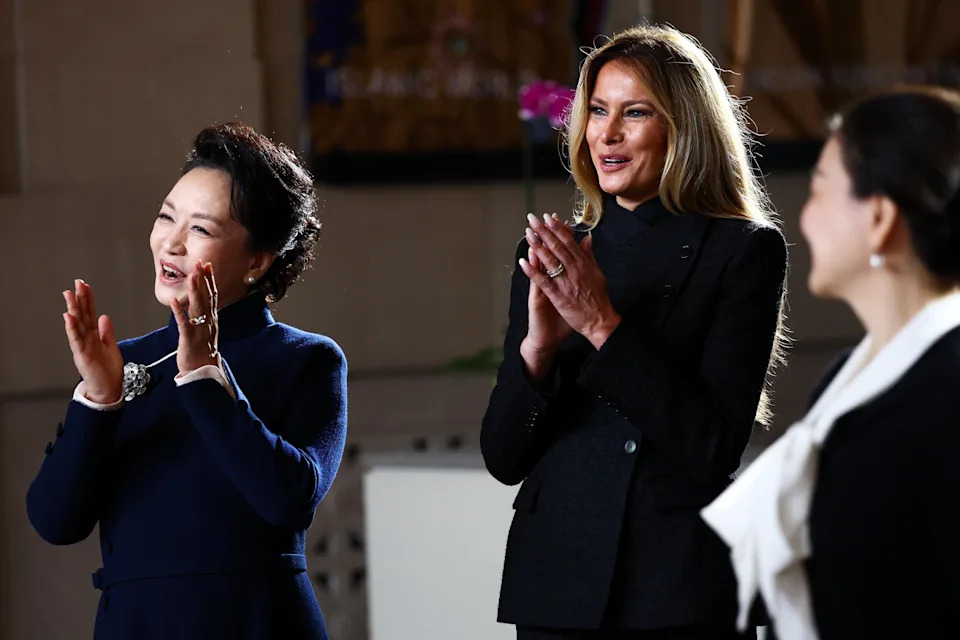
First lady of China Peng Liyuan (L), first lady Melania Trump (2nd-R) watch choir students from Hope Chinese School perform during visit to Smithsonian National Museum Of Asian Art on Sept. 24, 2026 in Washington, DC. / Credit: Finn Gomez / Getty Images
Security Tensions: Iran, Taiwan and Russia
Security topics loomed large. U.S. officials raised concerns about reports that Chinese entities provided satellite imagery or other assistance to Iran ahead of strikes that killed U.S. service members. U.S. Ambassador to China David Perdue said President Trump told Xi such support is "unacceptable," and that China has pledged movement toward restricting such activities.
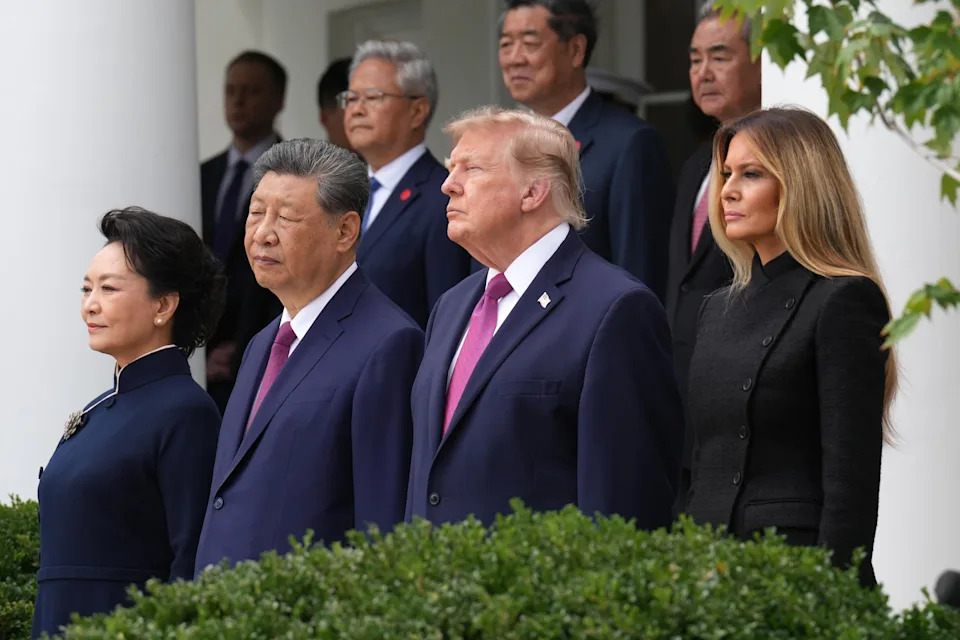
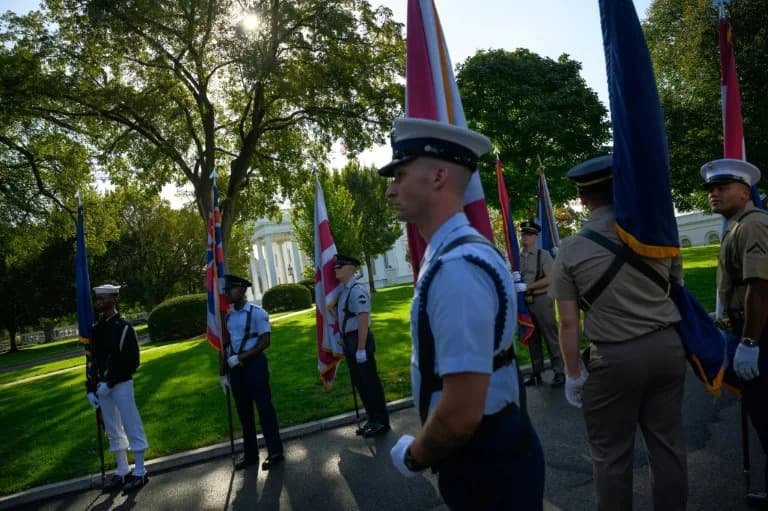
President Trump, first lady Melania Trump, China's President Xi Jinping and his wife Peng Liyuan watch a military review in the Rose Garden of the White House. / Credit: AP Photo/Jacquelyn Martin
Reporters repeatedly asked about Taiwan; President Trump declined to answer those shouted questions. Ambassador Perdue and other U.S. officials reiterated there is no change to longstanding U.S. policy toward Taiwan — including commitments under the Taiwan Relations Act, the three communiques and the six assurances. Analysts noted the enduring practice of "strategic ambiguity" about whether the U.S. would militarily intervene if China attacked Taiwan.
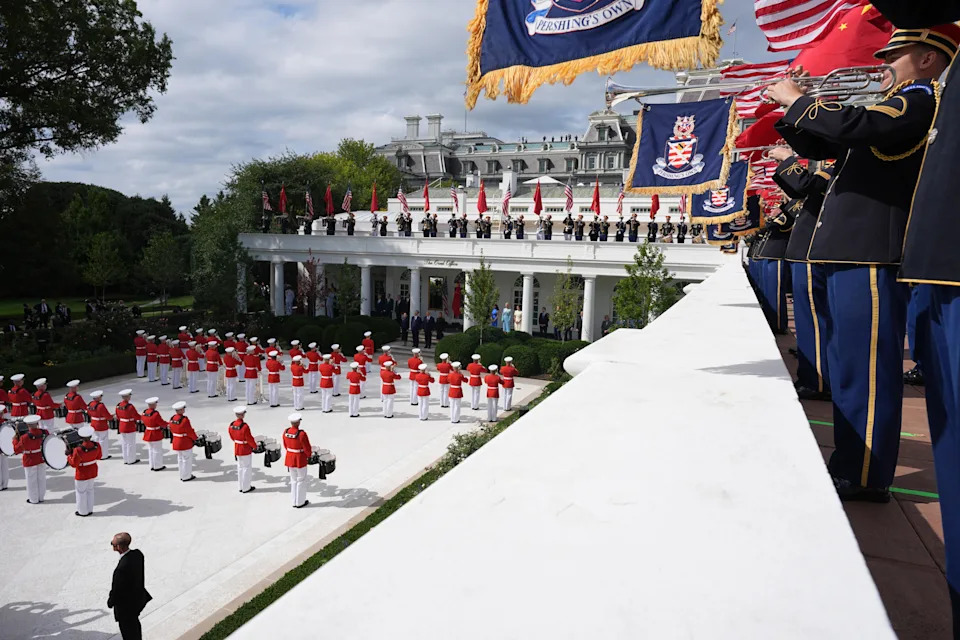
Another view of the military review in the Rose Garden of the White House as China's President Xi Jinping visits. / Credit: AP Photo/Alex Brandon
Ceremony, Gifts and Symbolism
The visit featured prominent symbolic gestures: a state dinner attended by dozens of top business and technology leaders, an exchange of gifts — including a large bald eagle sculpture presented to Xi — a National Archives tour where Xi viewed the Declaration of Independence and the Constitution, and the announcement that two pandas will be sent to Atlanta’s zoo.
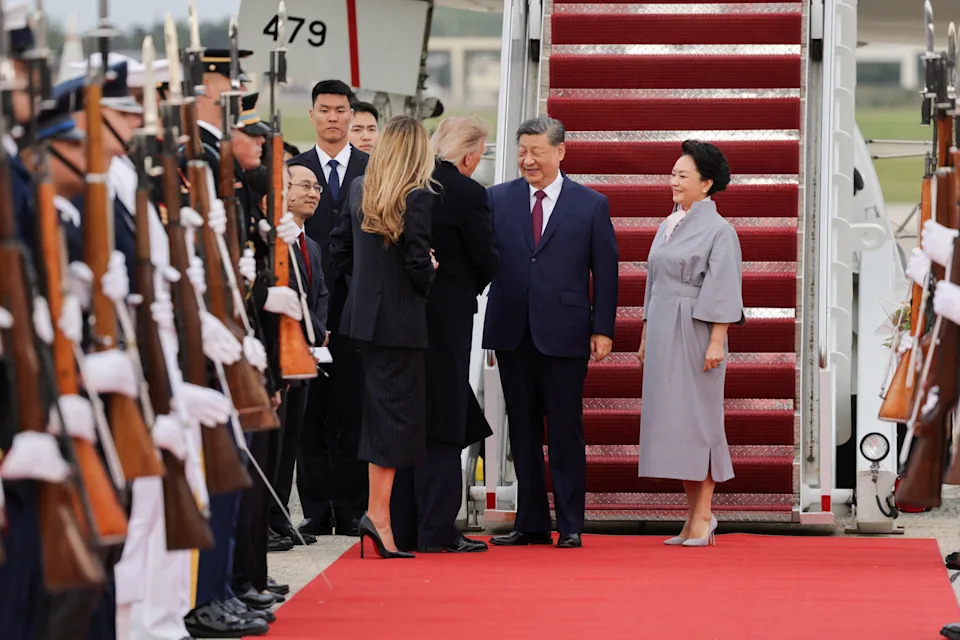
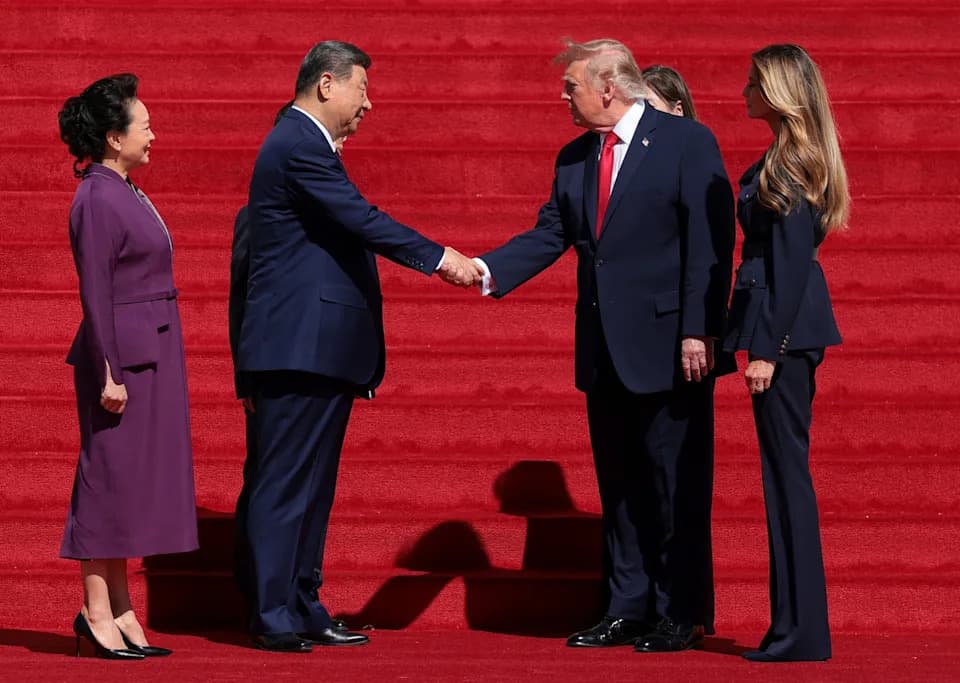
President Trump and first lady Melania Trump greet Chinese President Xi Jinping and his wife Peng Liyuan as they arrive for a state visit at Joint Base Andrews, Maryland, on Sept. 23, 2026. / Credit: Jonathan Ernst / REUTERS
The guest list mixed senior administration officials with leading corporate executives reportedly invited to the state dinner, drawing attention to the Trump administration’s outreach to the tech and finance sectors. The combination of pageantry and elite attendance underscored the visit's ceremonial weight even as negotiators sought practical outcomes behind closed doors.
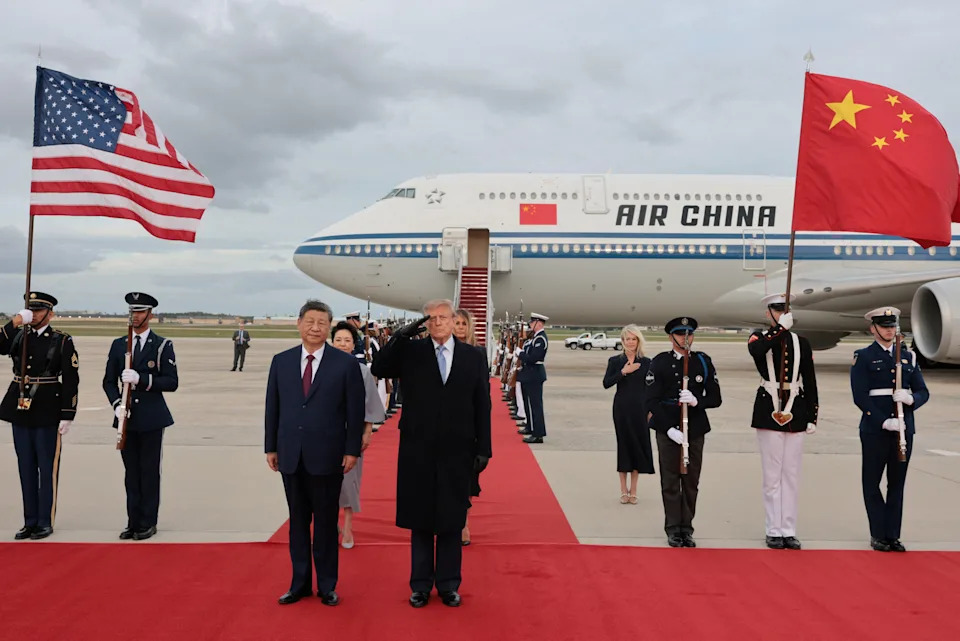
President Trump and Chinese President Xi Jinping during the arrival ceremony at Joint Base Andrews. / Credit: Jonathan Ernst / REUTERS
Media Access and Protests
Media access was a contentious issue. Several outlets faced restrictions from White House activities in the days leading up to the visit, and the television pool declined to provide live video coverage of parts of the arrival because it had not received assurances that certain outlets would be readmitted to regular rotation. Protesters outside the White House chanted slogans such as "Free Hong Kong" and "Keep Taiwan Free," while lawmakers from both parties criticized the lavish reception for Xi.
Next Steps
Both leaders signaled continued engagement: Xi said they may meet later this year at the APEC summit in Shenzhen and at the G20, and he welcomed a reciprocal state visit to Beijing. U.S. officials emphasized that the visit sustained important channels of communication (especially on AI and trade) rather than producing sweeping new policy accords. Follow-up meetings on AI and trade were indicated as likely in the coming weeks and months.
Bottom line: The visit reinforced lines of communication and produced a short extension of a tariff truce and an AI dialogue, but it delivered few immediate, concrete policy wins.
Help us improve.