The U.S. and China have extended the Busan trade truce by three months, moving its expiration from Nov. 10 to Jan. 10, 2027, to allow more time for broader negotiations. Treasury Secretary Scott Bessent credited recent talks with Chinese Vice Premier He Lifeng for the extension and confirmed progress on the “30 by 30” tariff framework. Both presidents met in Washington amid a packed agenda focused on AI safeguards and the war in Iran, which may limit immediate trade breakthroughs. Officials signaled possible announcements on Chinese agricultural purchases as talks continue.
U.S. and China Extend Busan Trade Truce for Three Months as Xi Visits Washington
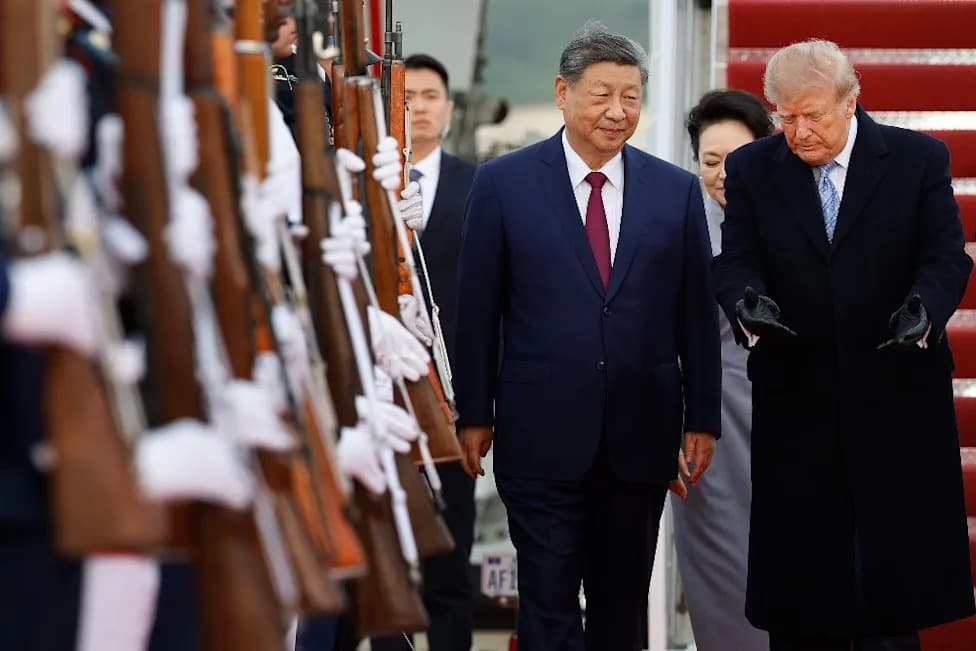
US and China Kick Off Bilateral Talks by Extending 2025 Trade Truce for 3 Months
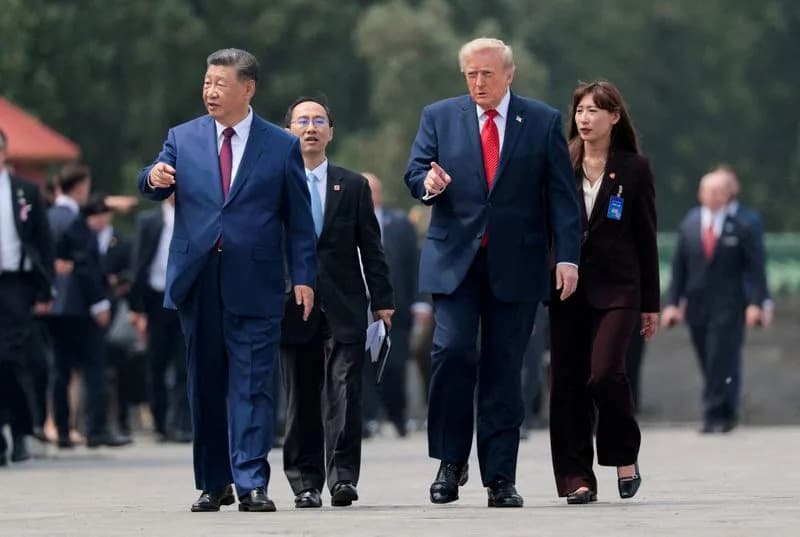
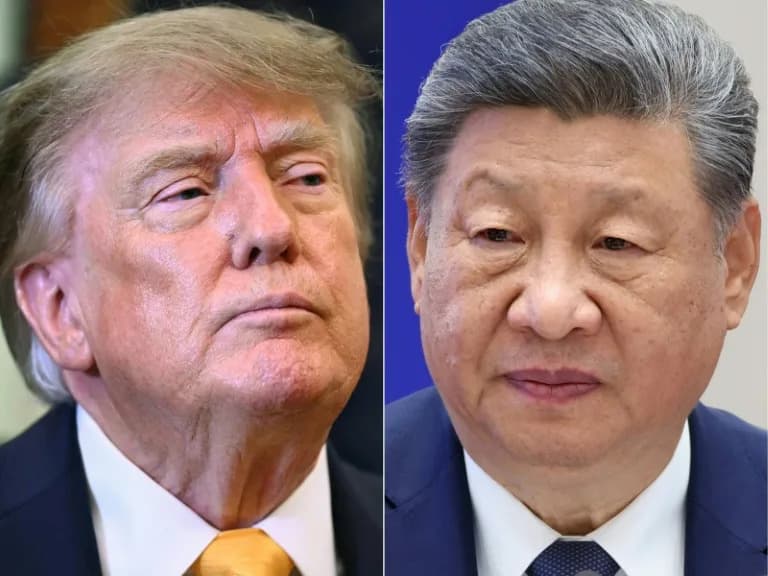
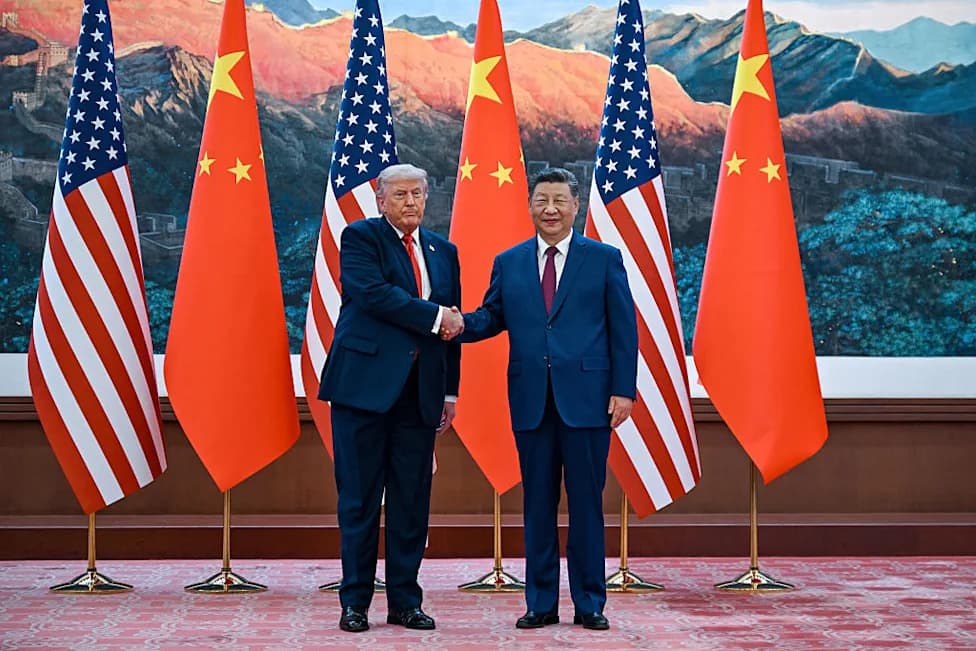
Chinese President Xi Jinping and U.S. President Donald Trump agreed to extend the trade truce negotiated in Busan, South Korea, last autumn for an additional three months as their formal bilateral talks opened in Washington.
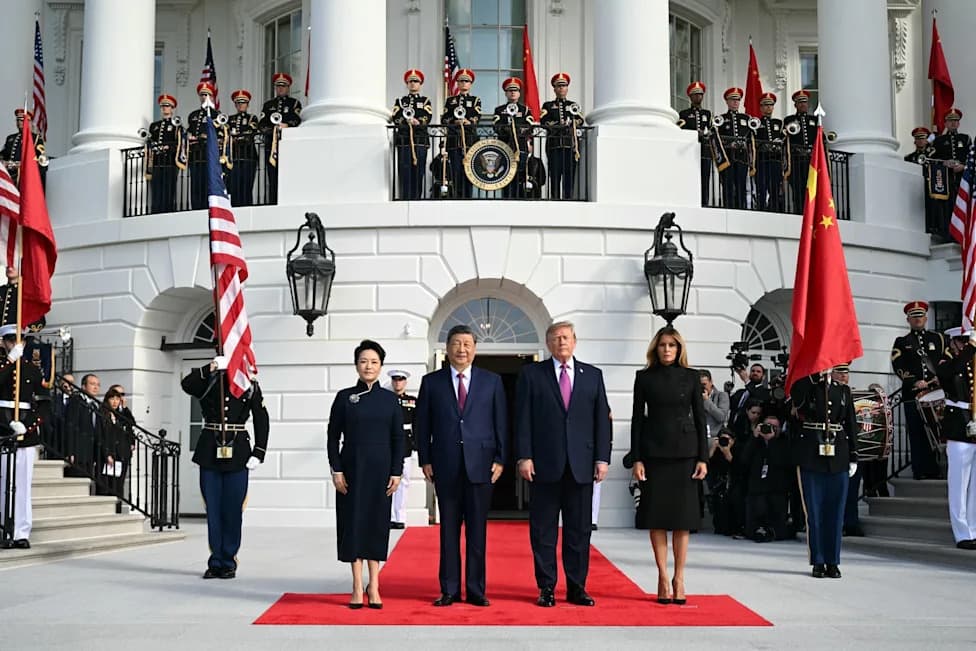
Xi arrived in Washington, D.C., on Wednesday and was welcomed at Joint Base Andrews by President Trump amid military honors and a red carpet. That evening, Treasury Secretary Scott Bessent told Fox News that the Busan Agreement deadline, originally scheduled to expire on Nov. 10, would be moved to Jan. 10, 2027.
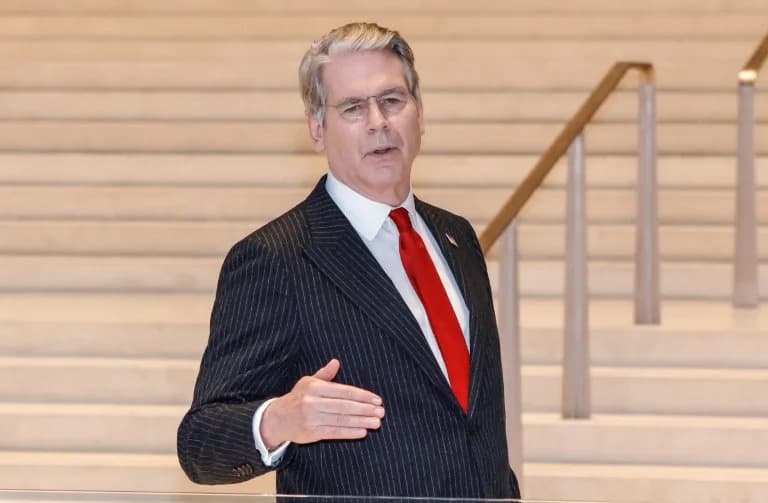
Bessent said the extension followed extended talks between U.S. officials and Chinese counterparts, including discussions between his team and Chinese Vice Premier He Lifeng in New York. U.S. Trade Representative Ambassador Jamieson Greer had earlier signaled that the deal might be prolonged for a short window of three to six months while negotiations continue.
“We still had some unfinished business,” Bessent said. “We met today to see if we could do a bigger deal as opposed to just a series of smaller things.”
Officials described the extension as maintaining an 11-month economic détente to buy time for more durable agreements. Bessent expressed cautious optimism, noting the unusually high level of face time planned between the two presidents this year: Trump visited Beijing in May, is expected to return to Shenzhen for the APEC leaders' meeting in mid-November, and Xi is scheduled to attend the G20 summit in Miami in December.
Bessent also confirmed movement on the so-called “30 by 30” framework proposed by Ambassador Greer, under which both sides would reduce duties on roughly $30 billion of non-critical imports. He added there would likely be announcements soon about additional Chinese agricultural purchases.
Still, officials warned that the presidents' packed agenda could limit the time available for major new trade breakthroughs. Key items expected to dominate talks included the future of artificial intelligence and potential safeguards, as well as the war in Iran.
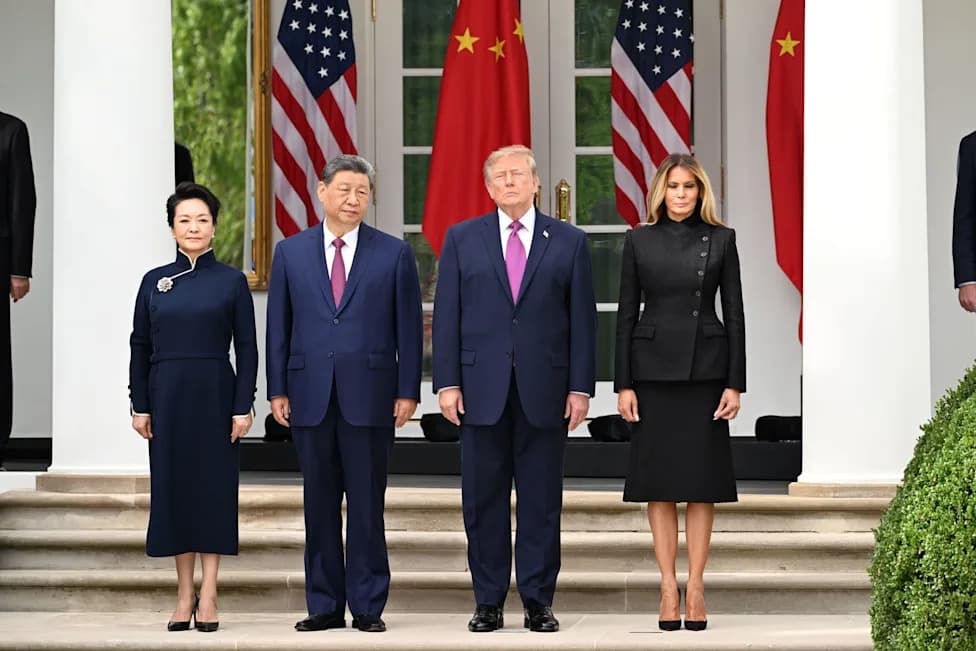
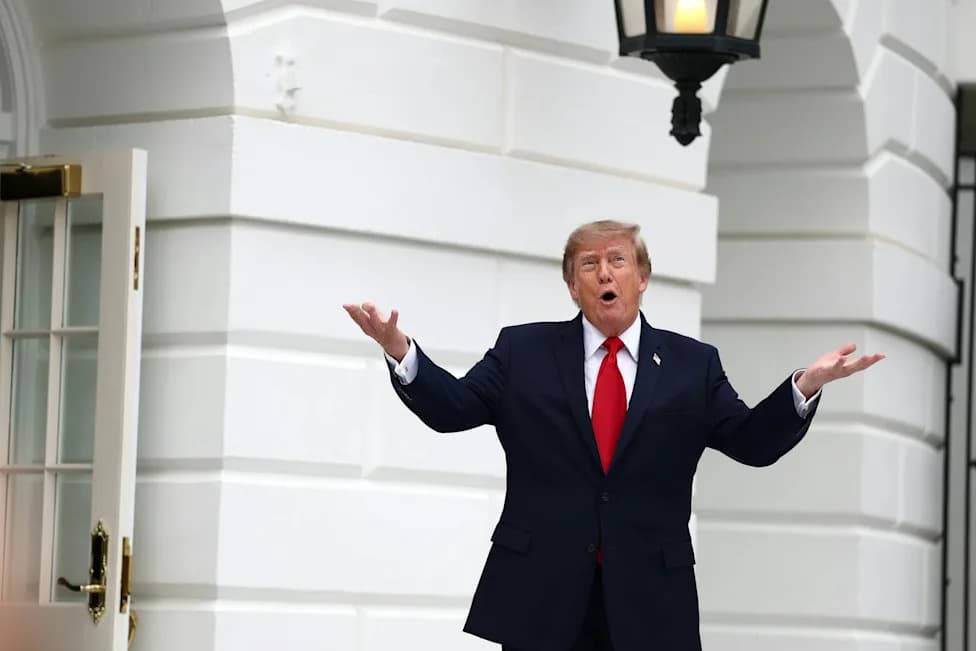
At a White House welcome ceremony, both leaders delivered remarks to officials and the press. President Trump described U.S.-China ties as a “truly great friendship” and said the two nations would “continue working together to forge a better future for both of our nations.”
Xi said, “Achieving the great rejuvenation of the Chinese nation and making America great again can go hand in hand,” warning that the two countries' interests are deeply intertwined and urging both sides to avoid the so-called Thucydides trap that can push rising and established powers toward conflict.
Help us improve.