The White House will host Xi Jinping on September 24 as leaders try to narrow tariff disputes and broader tensions. Headline tariffs peaked in April 2025 (reported up to 145% in the US and 125% in China), but effective rates are lower and vary by sector — the US effective tariff on Chinese imports was estimated at 22.8% in July. Bilateral trade remains robust ($400.8bn Jan–Aug) but is heavily tilted toward Chinese exports. Negotiators are discussing a $30bn-per-side reduction framework, though geopolitical and tech issues could complicate any deal.
US-China Tariff Showdown: Where Talks With Xi Stand Ahead Of Sept. 24 White House Summit
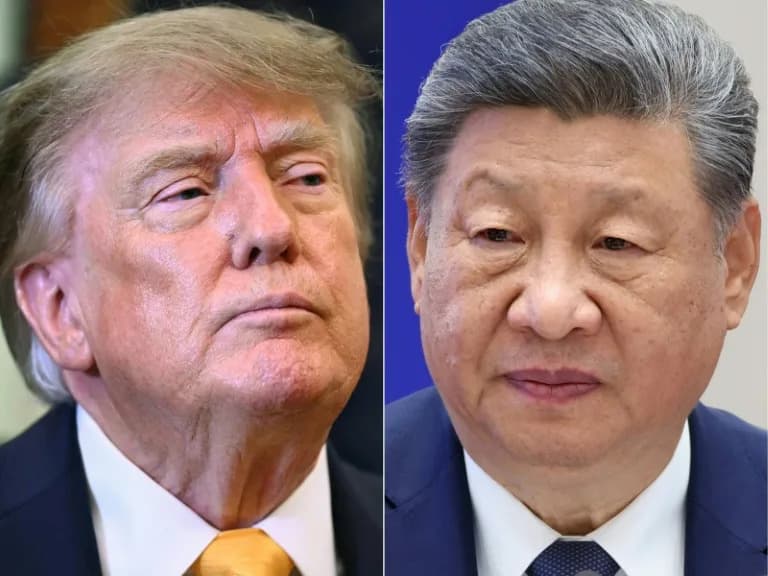
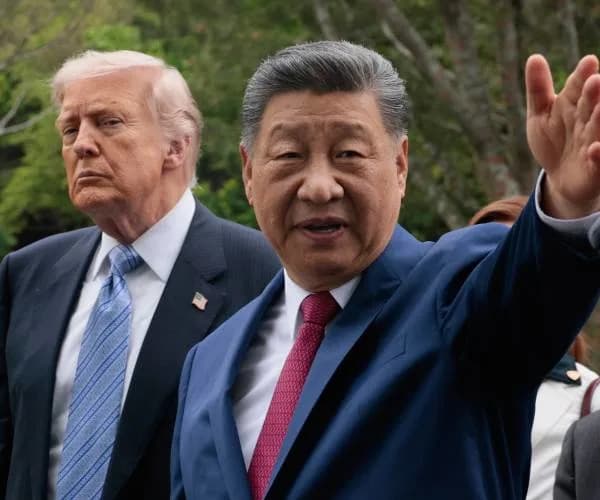
Presidents Donald Trump and Xi Jinping will discuss a range of issues at the summit, with trade likely top of the list (Kent NISHIMURA)
The White House will host Chinese President Xi Jinping on September 24 for high-stakes talks aimed at easing the tariff tensions between the world's two largest economies. While a fragile truce reached last October slowed the rapid escalation of duties, a comprehensive, long-term agreement remains out of reach.
Current Tariff Landscape
Tariffs have been a central feature of Sino‑US economic relations since 2018. Headline rates reached extreme levels in April 2025 — with US headline tariffs on some Chinese goods reported as high as 145% and China’s reciprocal headline levies up to 125% — though both sides have since scaled back many of those headline figures. The remaining measures now form a complex, sector-specific patchwork of duties and controls.
Effective rates (which average duties across all imports) tell a clearer story: the Penn Wharton Budget Model estimated the US effective tariff rate on imports from China at 22.8% in July, the highest among major US trading partners. Certain sectors face substantially higher effective barriers — for example, steel and aluminium face an estimated effective rate of 40.5%.
China continues to apply a 10% levy on many US goods, with higher additional rates in specific categories (for example, 15% on liquefied natural gas in some measures).
Trade Flows Despite Frictions
Trade has continued despite the dispute. Chinese customs data show total bilateral imports and exports of $400.8 billion from January through August of this year, a 5.4% increase versus the same period in 2025. The flows are, however, lopsided: Chinese exports account for roughly three-quarters of that total, sustaining a large trade surplus that repeatedly draws criticism in Washington.
What’s On The Table At The Summit
President Trump said he plans to discuss "almost everything" with Xi, but tariffs are expected to be the primary focus. Officials from both sides are reported to be consulting on a tariff-reduction framework that would cover about $30 billion of products on each side — a goal that was agreed during the leaders’ meeting in Beijing in May. That May meeting also produced plans to create trade and investment councils to manage future disputes.
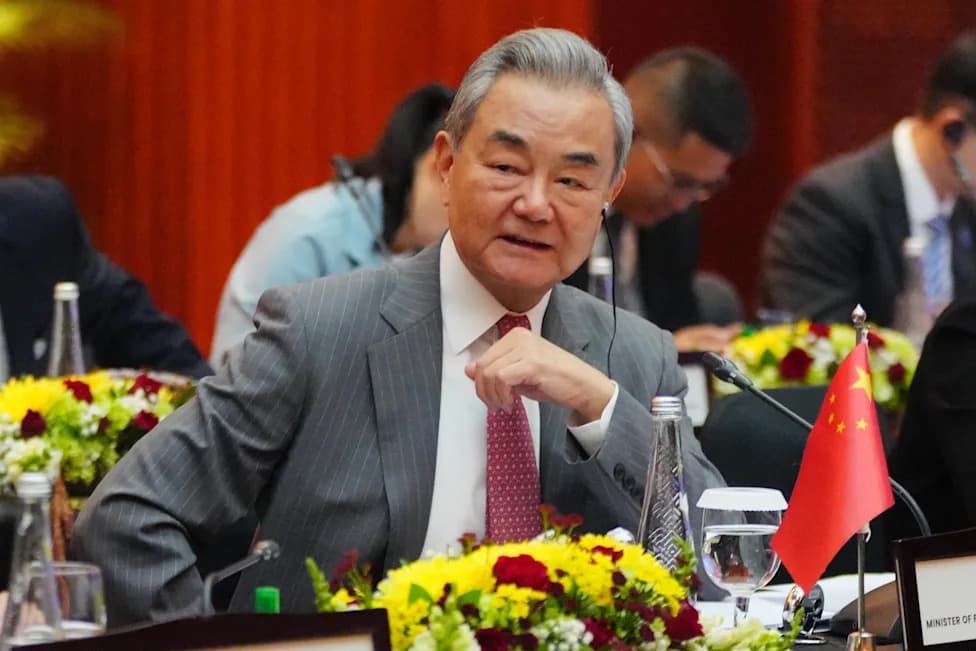
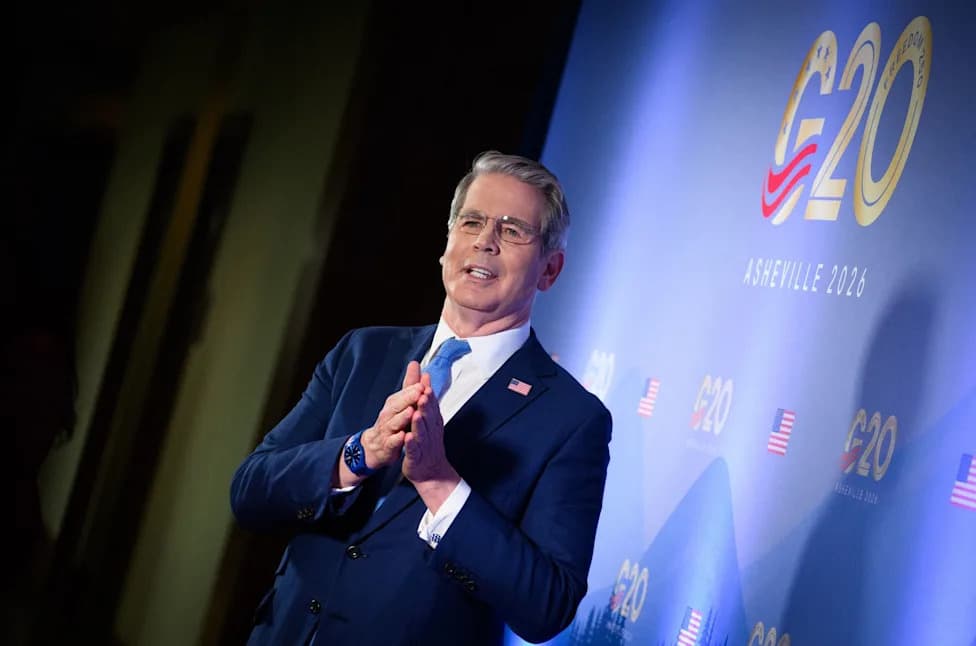
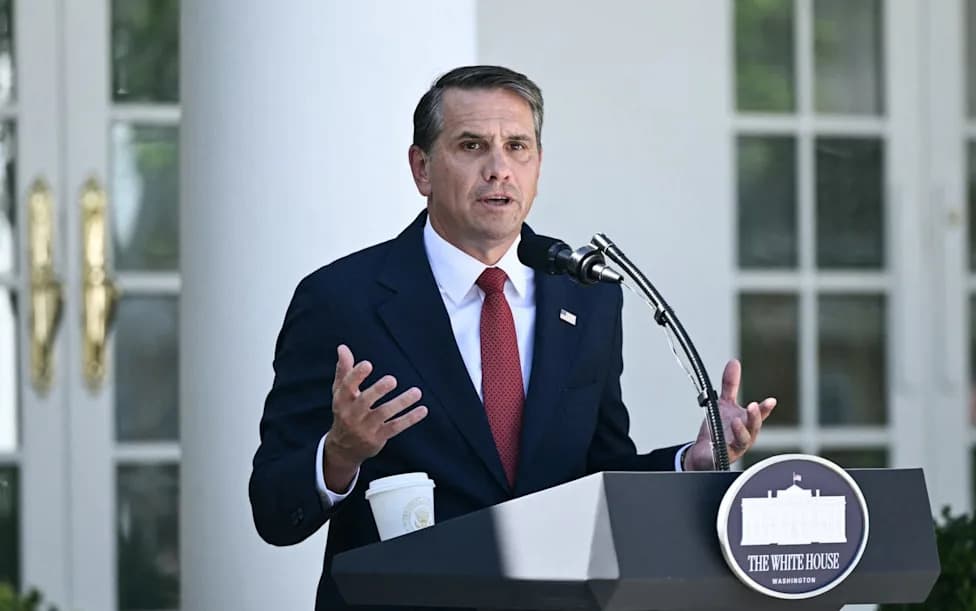
US Treasury Secretary Scott Bessent is scheduled to meet Chinese counterpart He Lifeng ahead of the summit to lay the groundwork for the leaders’ discussions.
Leverage And Diplomatic Context
Beijing has shown it can exert leverage — for example, through export controls on rare earths, crucial inputs for high‑tech manufacturing, which helped push Washington to moderate some extreme tariff postures last year. Analysts note that China’s flexible supply chains and resilient export sector have limited the economic pain of tariffs so far.
Xi’s recent diplomatic engagements — including meetings with leaders such as Vladimir Putin and Narendra Modi and visits to Bishkek, Cairo and New Delhi — have also reinforced Beijing’s international posture ahead of the summit.
What Trump Wants
The Trump administration is seeking near‑term economic reassurances as global energy markets react to renewed tensions in the Middle East. Securing Chinese purchases of US agricultural products, notably soybeans, has historically been a central bargaining chip in trade negotiations. The summit will also allow Trump to showcase statesmanship by hosting a major foreign leader at the White House — Xi’s first visit to the US capital in 11 years.
Potential Roadblocks
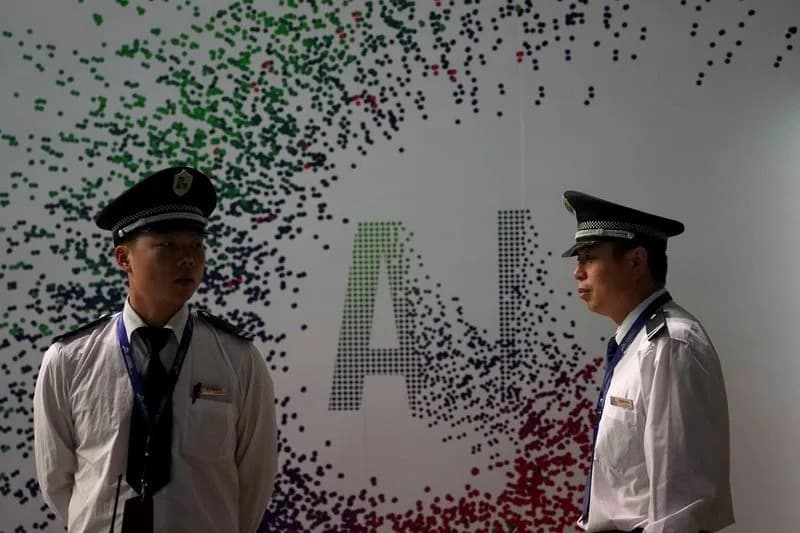
Several contentious issues could derail a sweeping agreement. Reports of Chinese economic and diplomatic support for Tehran are a major sticking point for Washington. Separately, intense competition over advanced technologies — including allegations by the US that Chinese AI labs have appropriated US firm capabilities on an "industrial scale" — complicates the negotiating landscape.
Bottom line: The Sept. 24 summit offers a window to reduce tariffs and repair relations, but a mixture of economic, geopolitical and technological disputes means any durable breakthrough is far from guaranteed.
Help us improve.