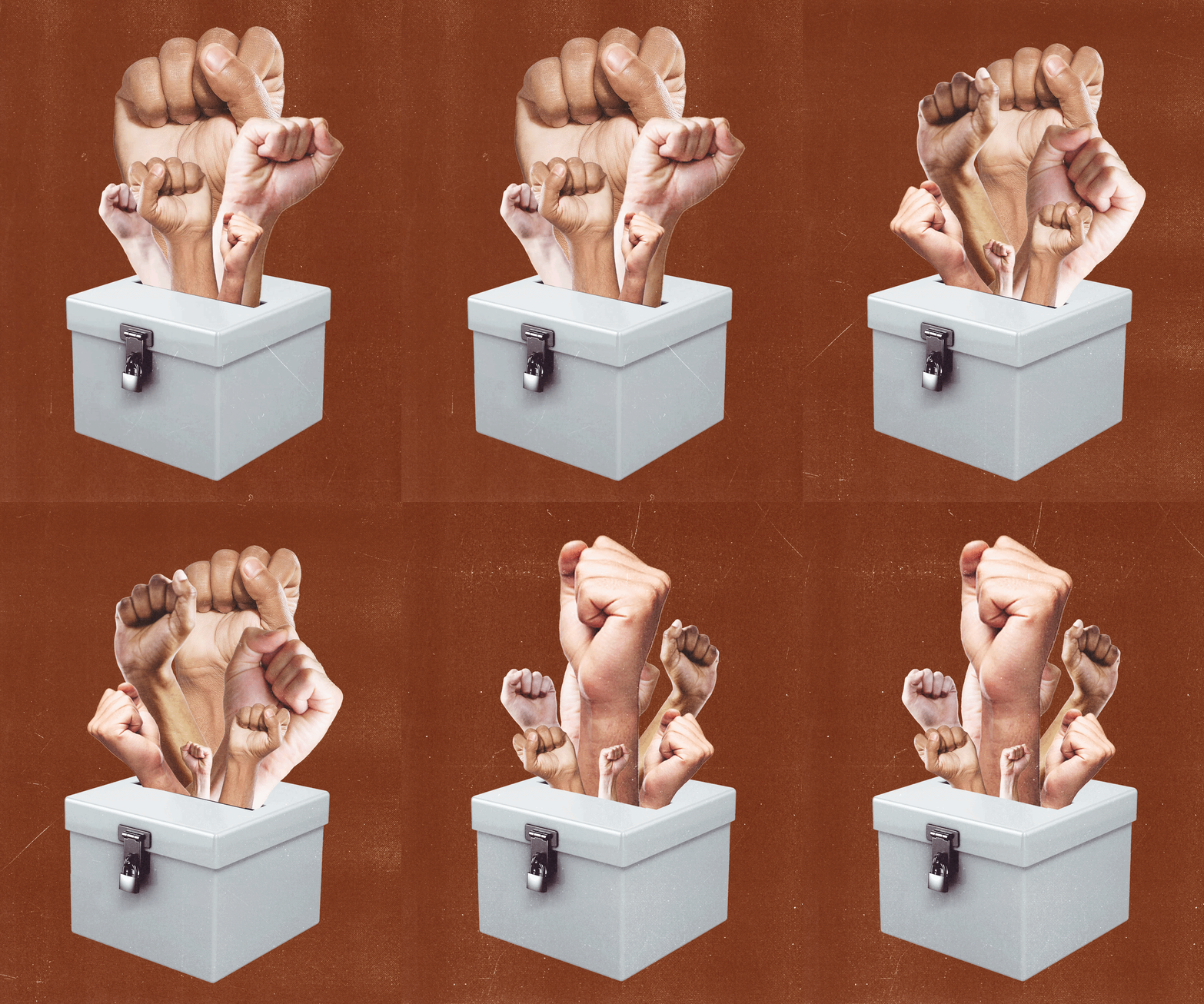
United Russia topped preliminary results with 49.4% in a wartime State Duma election widely viewed as a test of support for the invasion of Ukraine. Observers, Western governments and opposition groups criticized the vote as not free or fair, citing the barring of Yabloko, restricted observer access, pressure on civil servants and allegations of ballot stuffing. Official turnout was reported above 56%, but results from Russia's electoral authorities cannot be independently verified.
United Russia Wins Duma Vote With 49.4% Amid Allegations of Unfairness
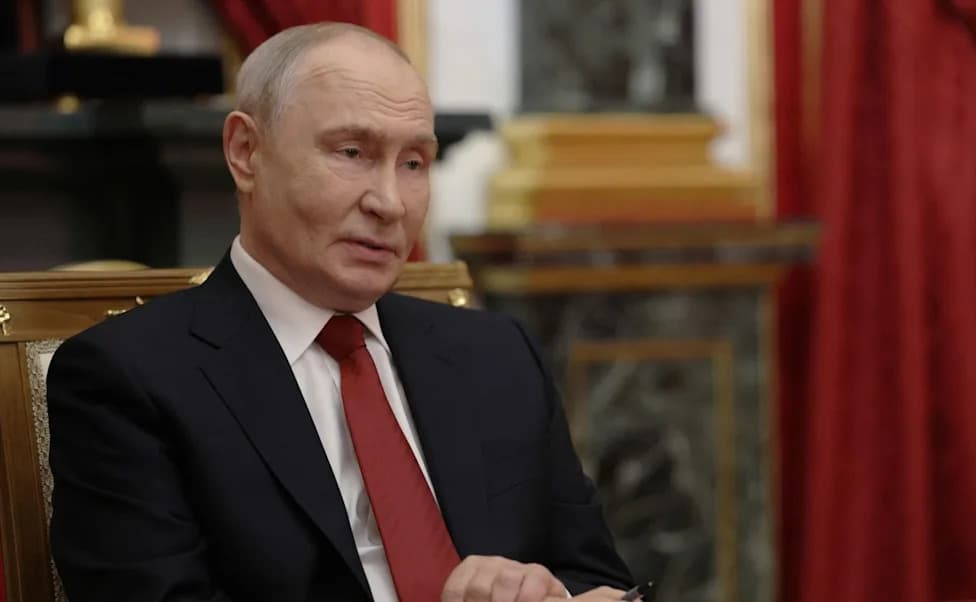
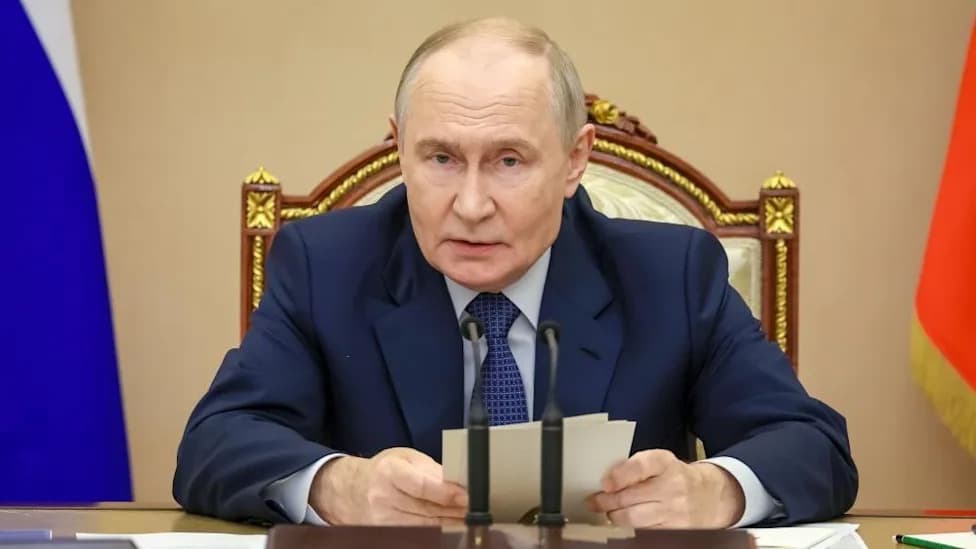
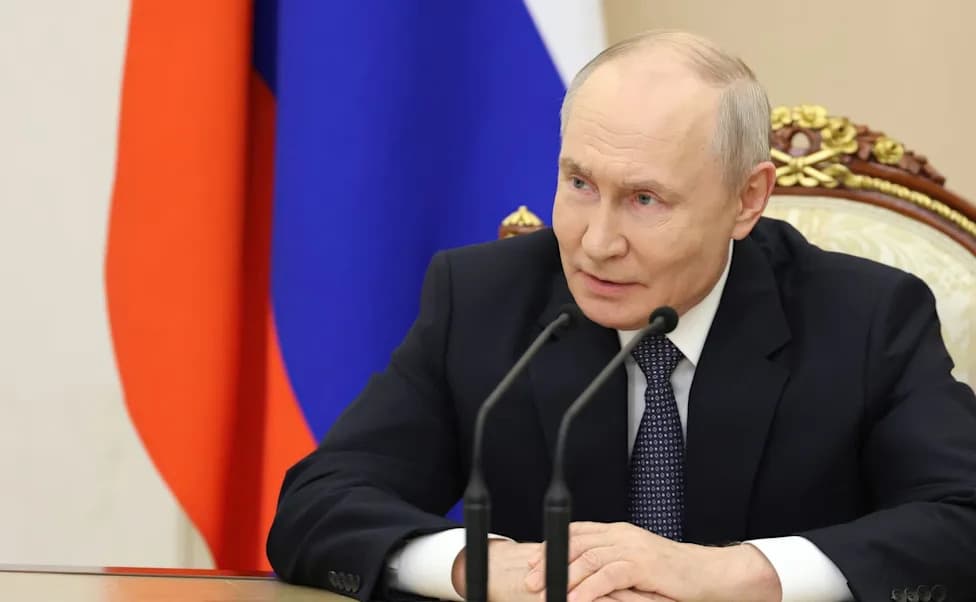
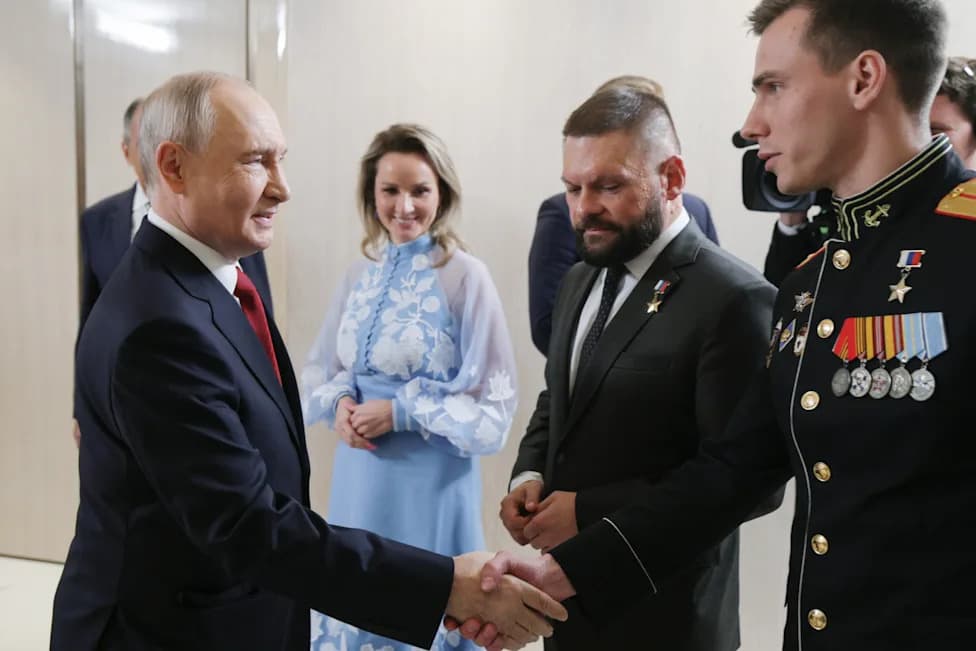
FILE PHOTO - Russian President Vladimir Putin attends talks with US Special Envoy Steve Witkoff and Trump's son-in-law Jared Kushner at the Kremlin. (is associated with: «Putin's United Russia wins tightly controlled wartime election») -/Kremlin/dpa
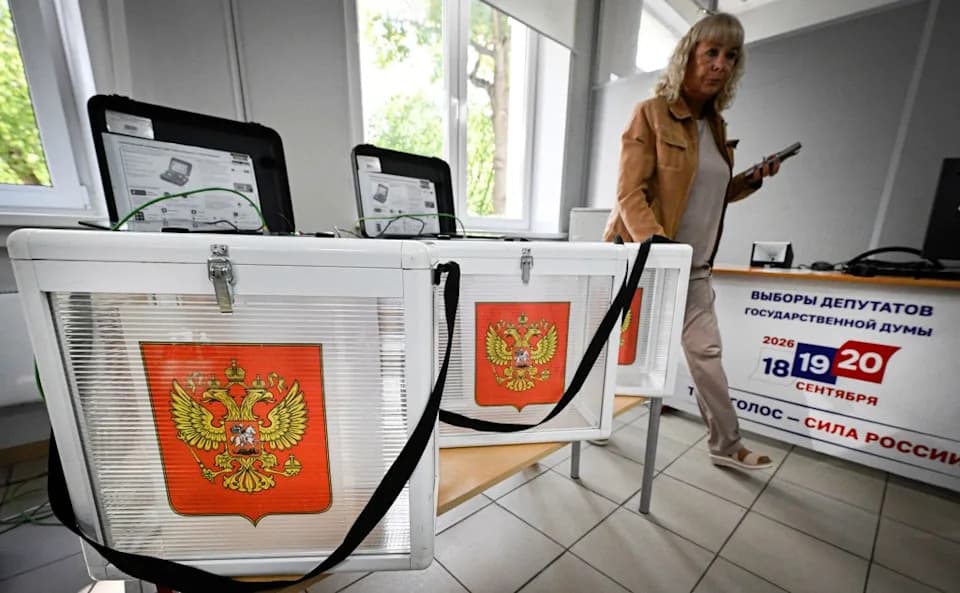
Preliminary results released by Russian news agencies show the Kremlin-backed United Russia party won Russia's parliamentary election with 49.4% of the vote, according to official tallies reported on Sunday.
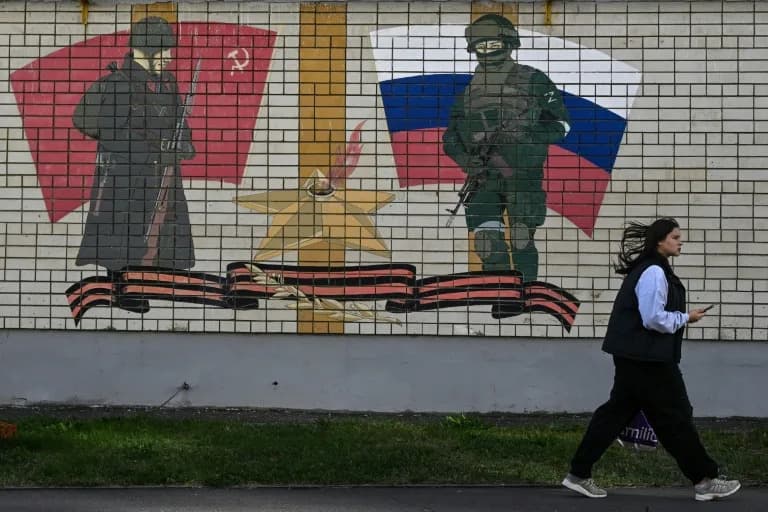
This was Russia's first State Duma election since President Vladimir Putin launched a full-scale invasion of Ukraine in February 2022, and was widely viewed as a test of public support for the war.
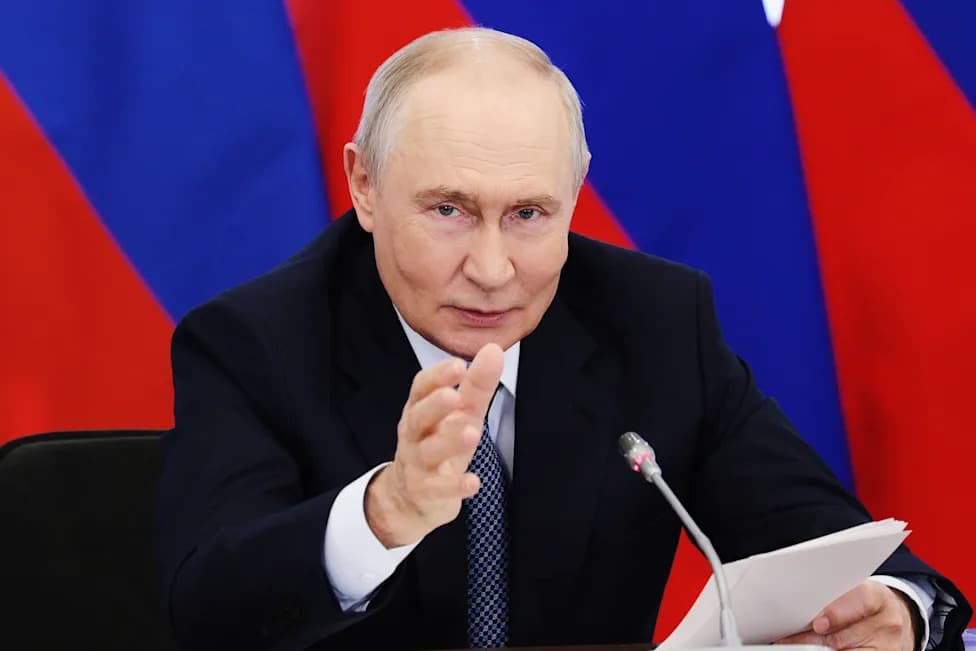
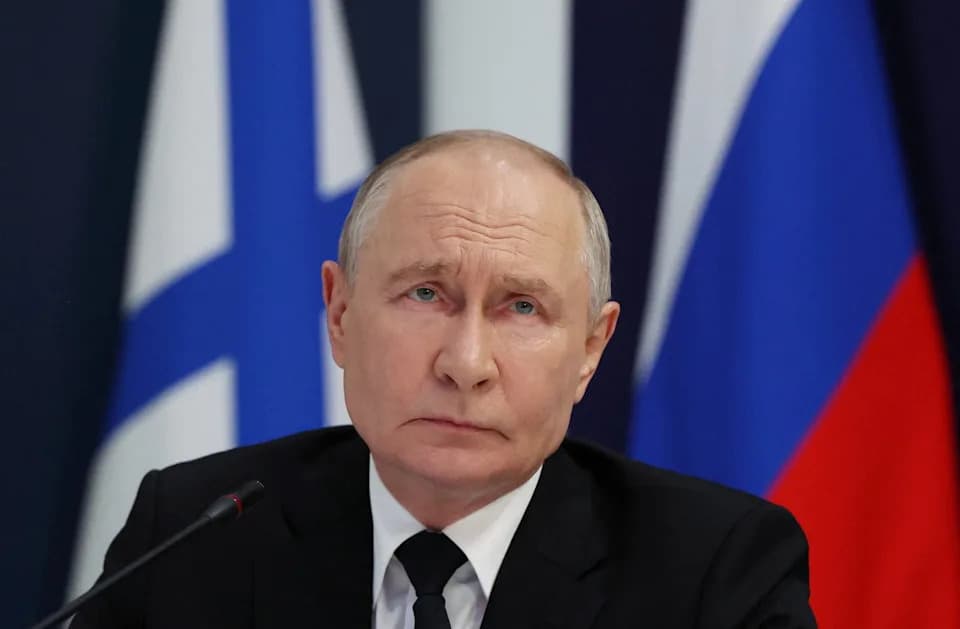
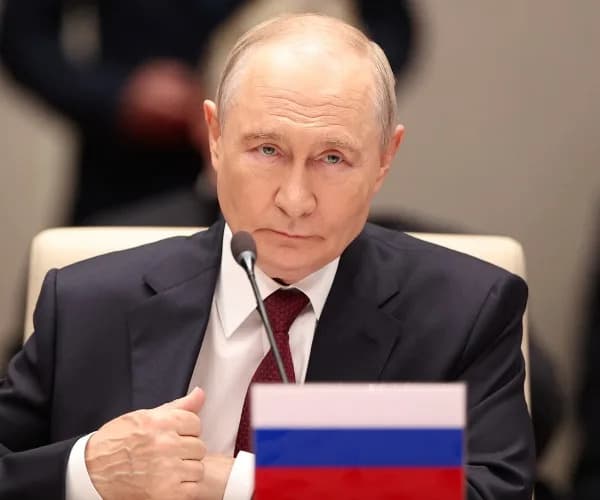
Mr. Putin urged voters to cast ballots that would help secure victory in Ukraine, and United Russia fielded dozens of war veterans as candidates.
Allegations of a Restricted Vote
Democracy watchdogs, Western governments and Kremlin opponents dismissed the vote as neither free nor fair, saying authorities excluded genuine opposition and tightly controlled the political field. The anti-war Yabloko party was barred from standing after initially being approved, and critics say other independent or dissenting voices were effectively shut out.
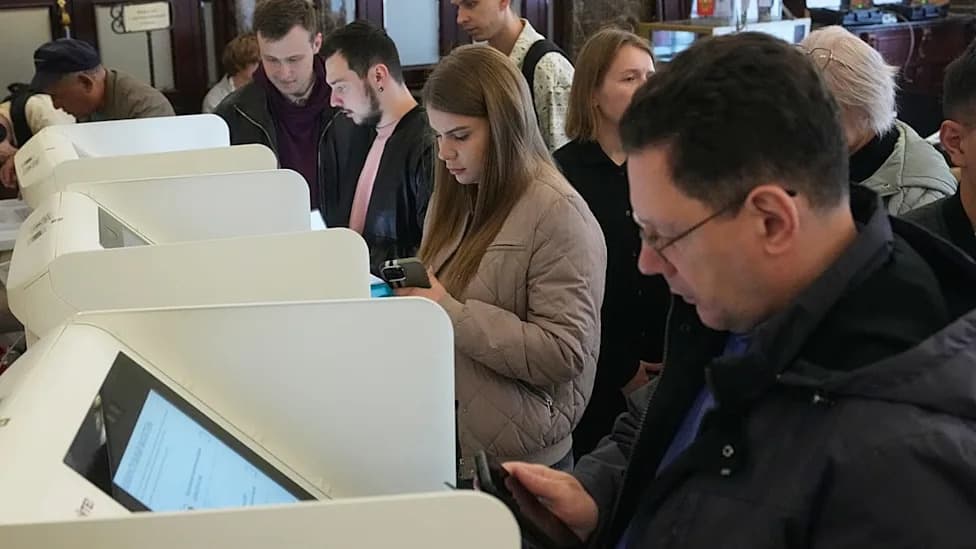
Observers' complaints: Hundreds of opposition observers reported being blocked from polling stations. Civil servants said they faced pressure to vote, and there were allegations of ballot stuffing—echoing familiar accusations from previous Russian elections.
Results, Turnout and Voting Areas
According to the initial count, the Communist Party stood at 14.2%, the ultranationalist LDPR at 10.7%, New People at 9.7% and A Just Russia at 6.6% — figures that would return all four parties to the State Duma under the reported results.
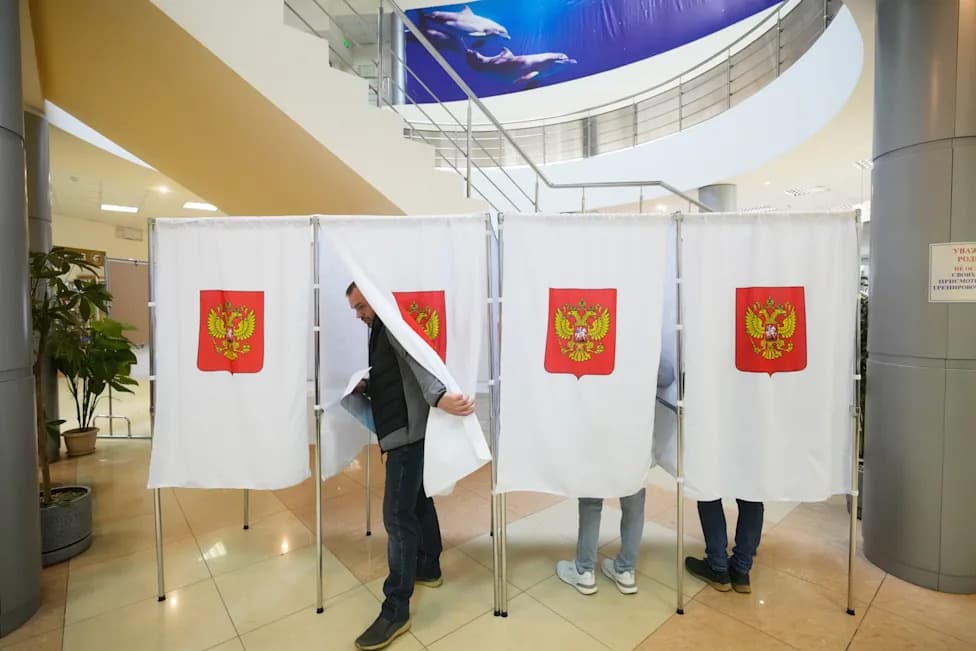
Official turnout was reported at just over 56%, higher than in the 2021 parliamentary election. Observers note that figures released by Russia's electoral authorities cannot be independently verified.
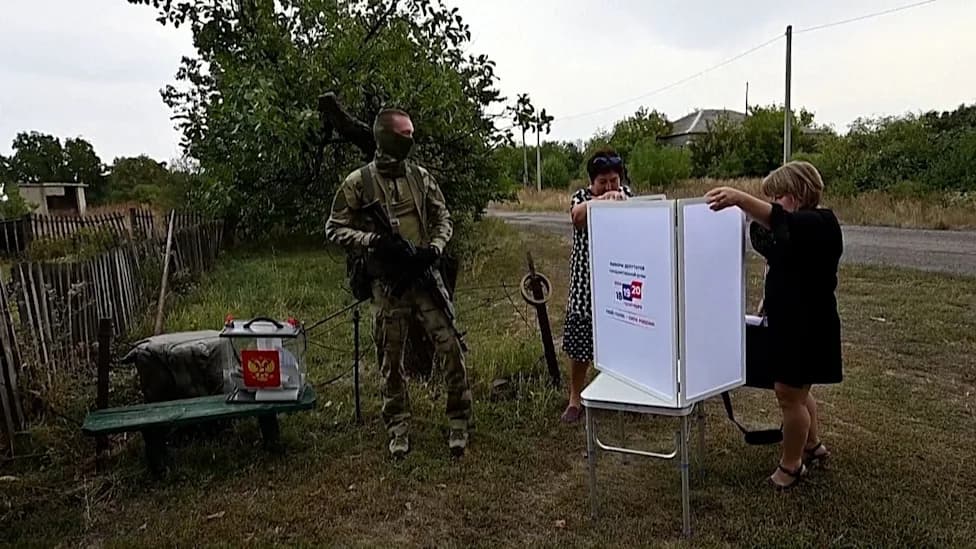
For the first time, voting was held in Russian-controlled parts of the annexed Ukrainian regions of Luhansk, Donetsk, Zaporizhzhya and Kherson, and the Black Sea peninsula of Crimea was again included — moves protested by Kyiv and many Western governments.
Concerns Over Electronic Voting And Registration
Some voters said they did not receive polling cards and discovered they had been registered for online voting without consent. Electronic voting in Russia has been criticised for its lack of transparency and potential vulnerability to manipulation.
More than 110 million Russians were eligible to elect the 450 members of the new State Duma during the three-day vote. In addition to the Duma election, deputies were elected to regional parliaments in eight regions; the election commission reported roughly 2,200 contests at various levels of government.
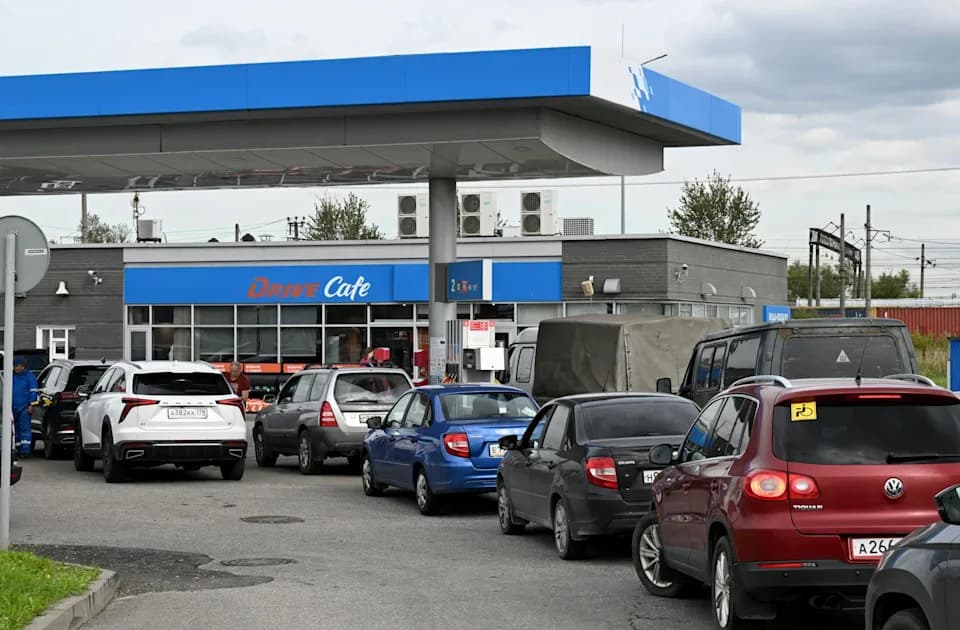
The reported outcome consolidates United Russia's long-standing dominance of Russian politics amid growing economic pressures, signs of war fatigue and broader public dissatisfaction — but the legitimacy of the vote remains widely contested.
Help us improve.