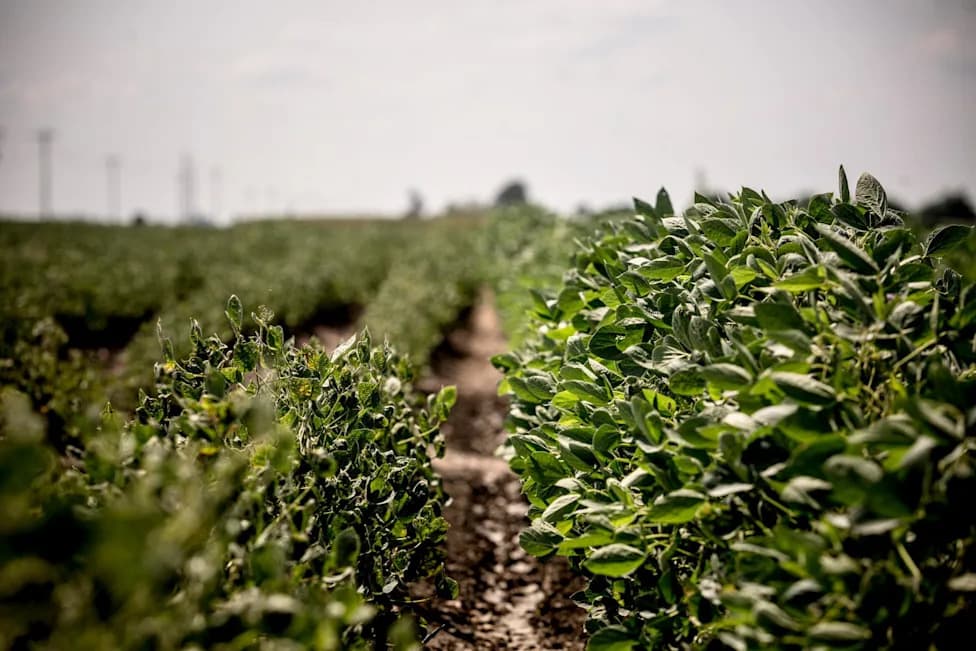
Local officials and residents are pushing back against a rapid wave of data center construction driven by AI demand. In Texas, an AWS pitch sought large tax incentives while providing few specifics, sparking skepticism and local opposition. Experts warn new AI-focused data centers are orders of magnitude larger and more power-hungry than older facilities, raising concerns about water, grid strain and community impacts. Texas has paused new grid connections pending an ERCOT audit while bipartisan public resistance grows.
Data Centers Target Rural America as Residents and Officials Demand Answers on Secrecy, Water and Power
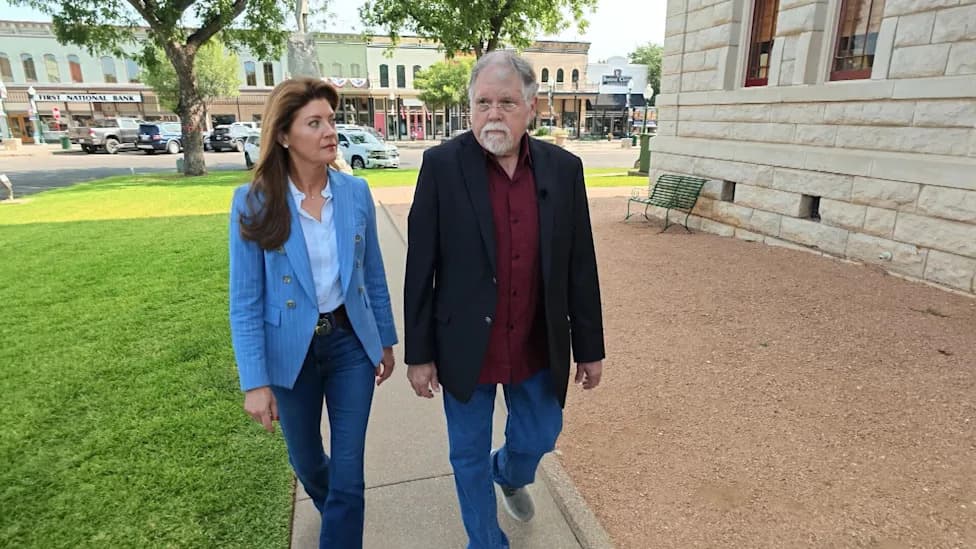
Data center developers want to make it hard to track them: elected official
A proposal for a data center campus that landed in a Texas county last year promised major benefits but provided few specifics, according to a local county commissioner who reviewed the pitch. The episode illustrates a growing national trend: large tech companies are pursuing rural sites for data centers tied to the AI boom, and communities are increasingly skeptical.
Vague Proposals, Big Incentives
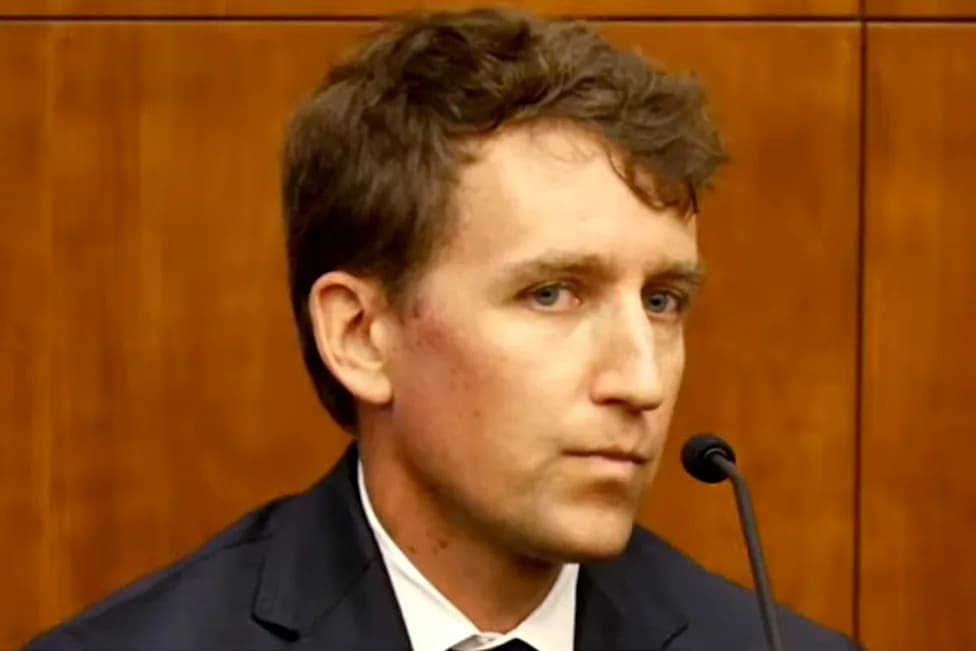
Attorney Dave Eagle, one of five elected officials on Hood County's commissioners' court, said the developers approached local leaders with glossy promises of jobs and community upgrades but withheld key details. 'They just basically approached us in a way that they're going to bring a lot of jobs in here. They're going to be good neighbors. They're going to really upgrade the community. But they wouldn't tell us exactly what they wanted to do,' Eagle said. 'They basically came in here to razzle dazzle me.'
Documents later showed the firm behind the pitch was Amazon Web Services (AWS), and the company sought property tax rebates of up to 90% for 30 years, according to material obtained by 60 Minutes. Eagle voted against the Hood County project; AWS ultimately chose not to build there but accepted incentives in a neighboring county.
Amazon statement to 60 Minutes: Amazon evaluates many potential sites and Hood County was one of those options. We ultimately decided not to build in Hood County. Where we do invest, we work with local leaders to create jobs and generate revenue for public services.
How Big Is the Buildout?
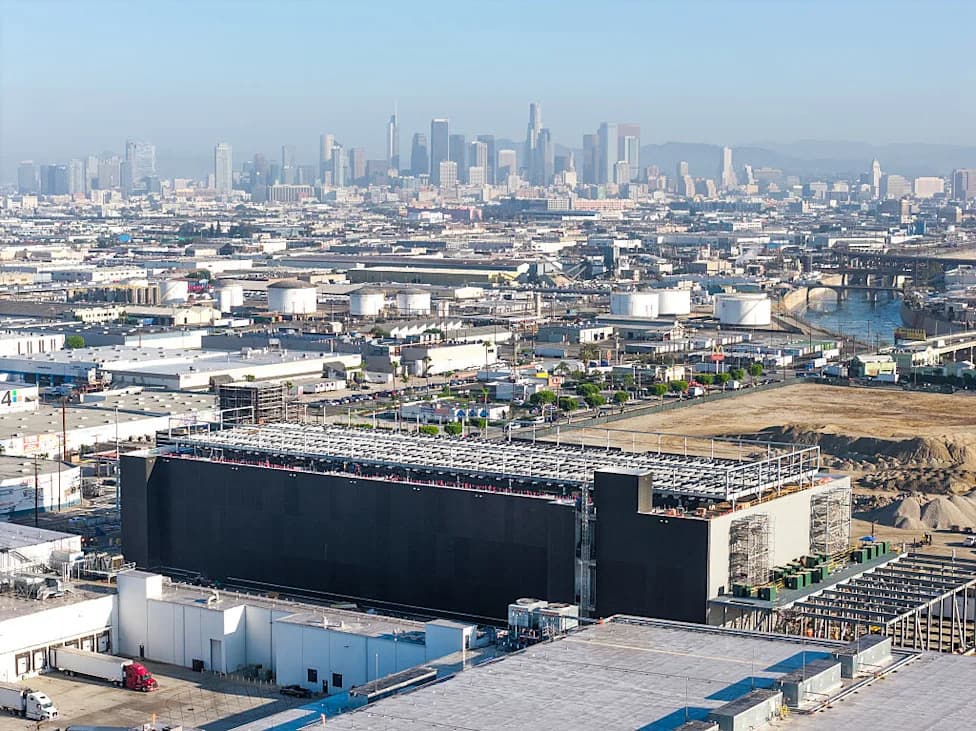
The Pew Research Center counts more than 3,000 existing data centers in the United States, with roughly 1,500 additional proposals in the pipeline. Many of the planned facilities are headed to rural locations: Pew reports that about 67% of planned data centers are slated for non-urban areas.
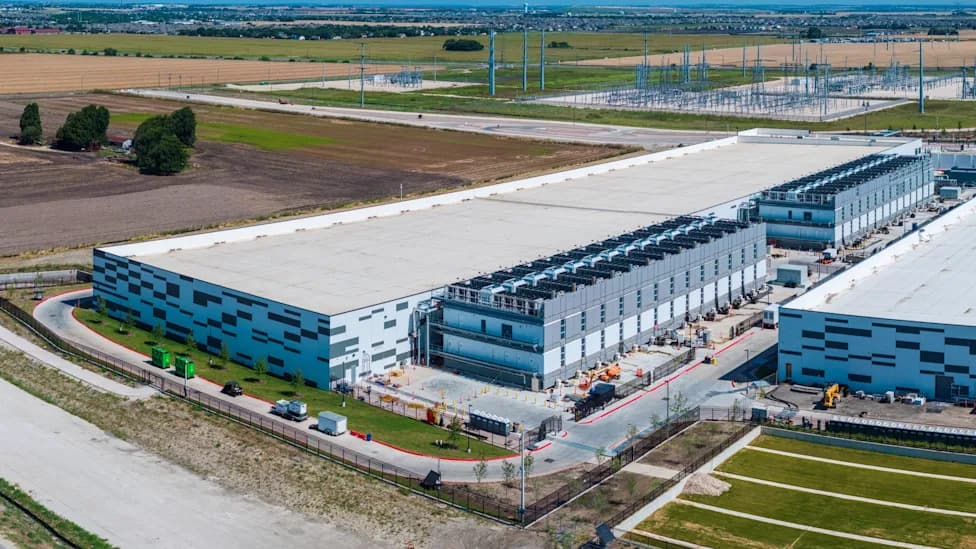
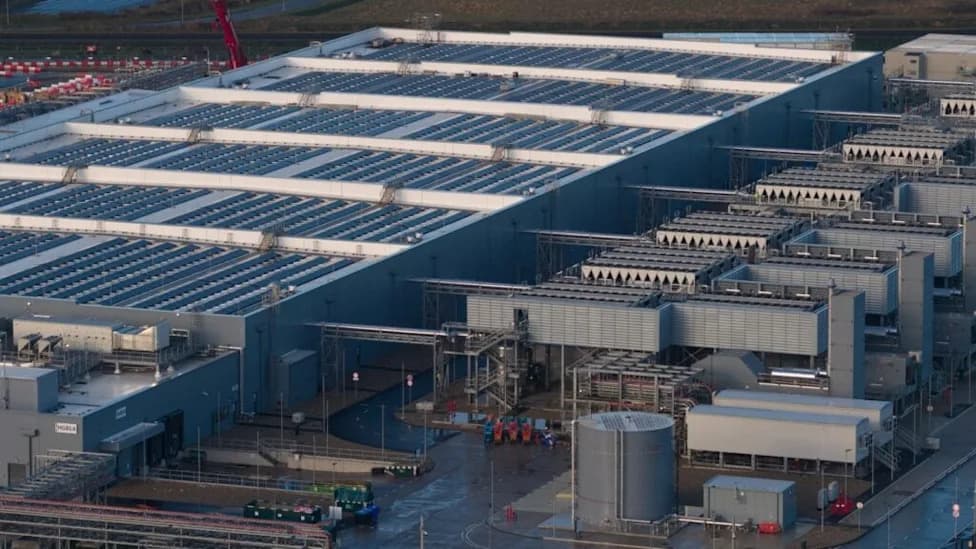
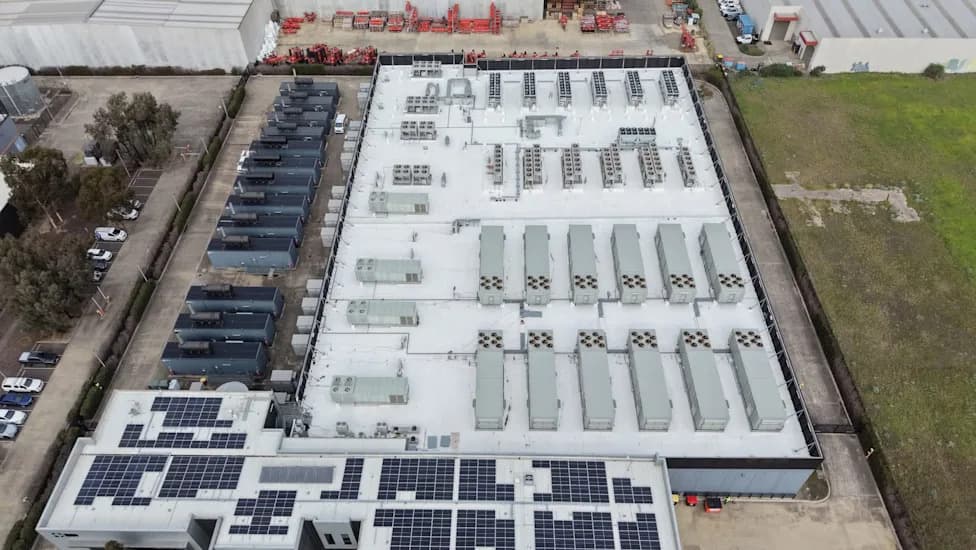
Experts say the newest AI-focused facilities are far larger and far more power-intensive than most earlier data centers. Michael Webber, a University of Texas professor who advises tech firms on energy and water issues, offered an illustrative comparison: 'In the old days, and by old days I mean, like, two years ago, a large data center might have been five megawatts. A new data center for AI might be 1,000 megawatts. It's, like, 200 times larger. So the scale is much different.'
Wall Street estimates compiled by FactSet suggest hyperscale operators including Meta, Amazon, Google and Microsoft could spend about $1.5 trillion on data center construction through next year.
Community Concerns: Water, Power, Health and Costs
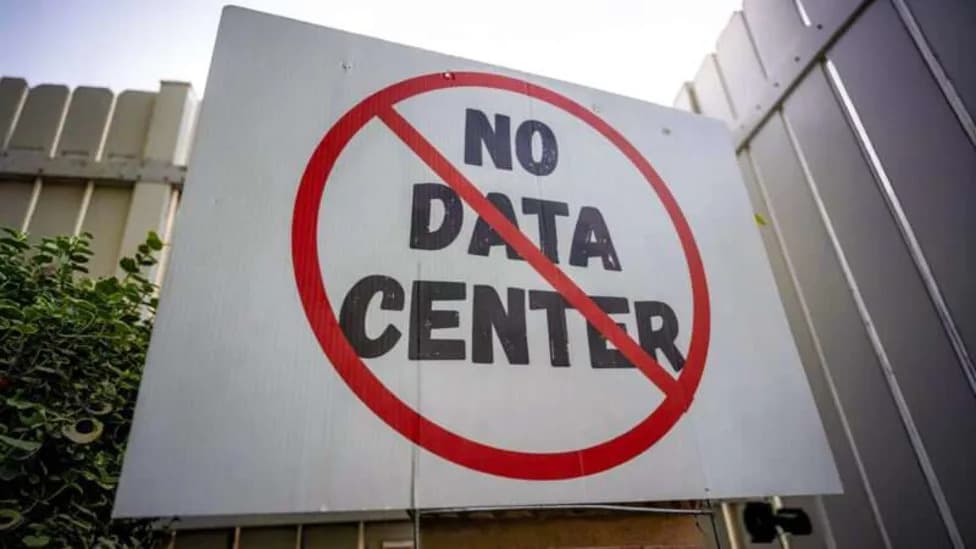
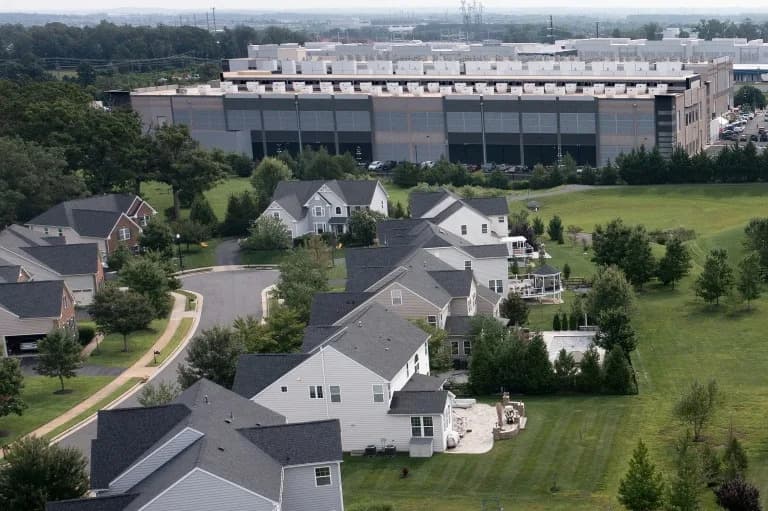
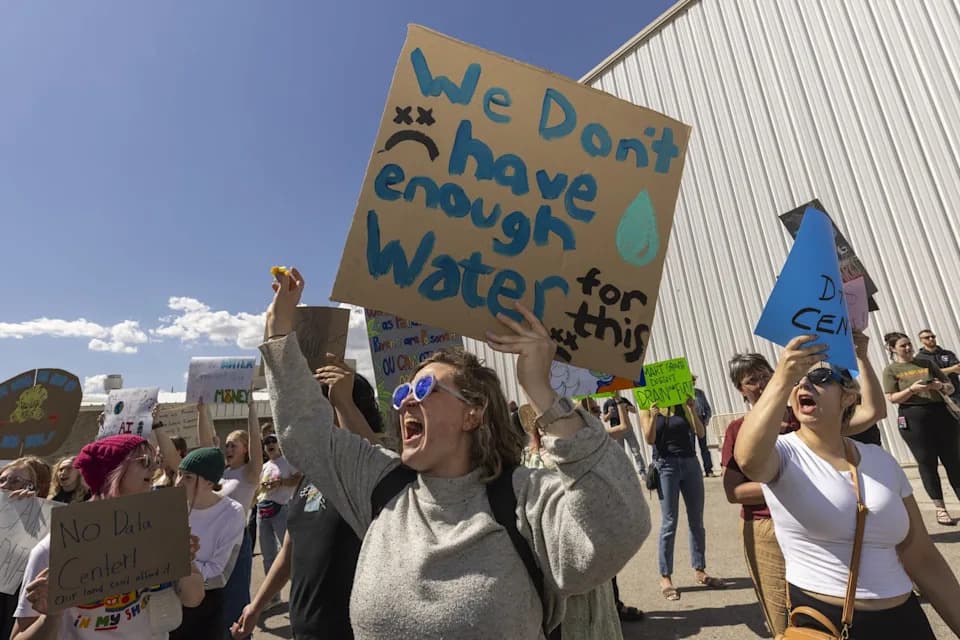
Residents and local leaders across the political spectrum are raising concerns about water use, grid strain, noise and potential health or environmental impacts. Jazmin Villegas, a Texas mother of five and Marine veteran who keeps livestock and bees on her property, said she felt compelled to act when a campus was proposed nearby: 'Just because I'm not in uniform doesn't mean that my service to this country has ended.'
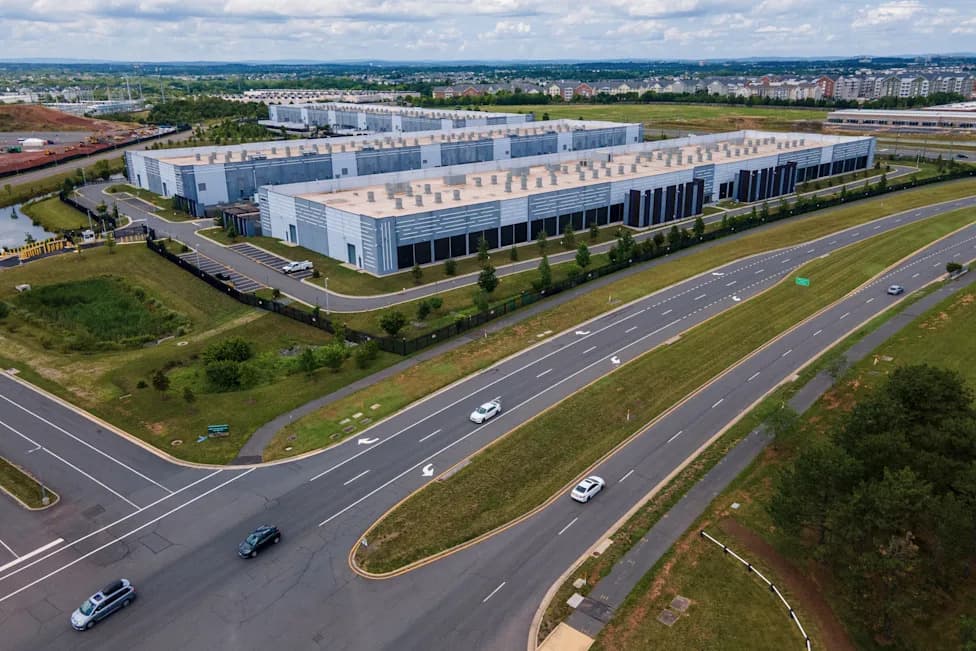
A CBS News analysis found that, nationwide, golf courses use more than twice as much water as data centers. Still, water is a locally sensitive issue in drought-prone areas; homeowners and officials in Chandler, Arizona raised questions about cooling-related water use during recent proposals. In Loudoun County, Virginia—home to one of the world's highest concentrations of data centers—residents saw electricity bills climb as local power demand grew.
'The pressure is real, the people are concerned,' Webber said. 'And I think they have a right to be concerned because they don't know what's going to happen.'
Policy Response And Local Pushback
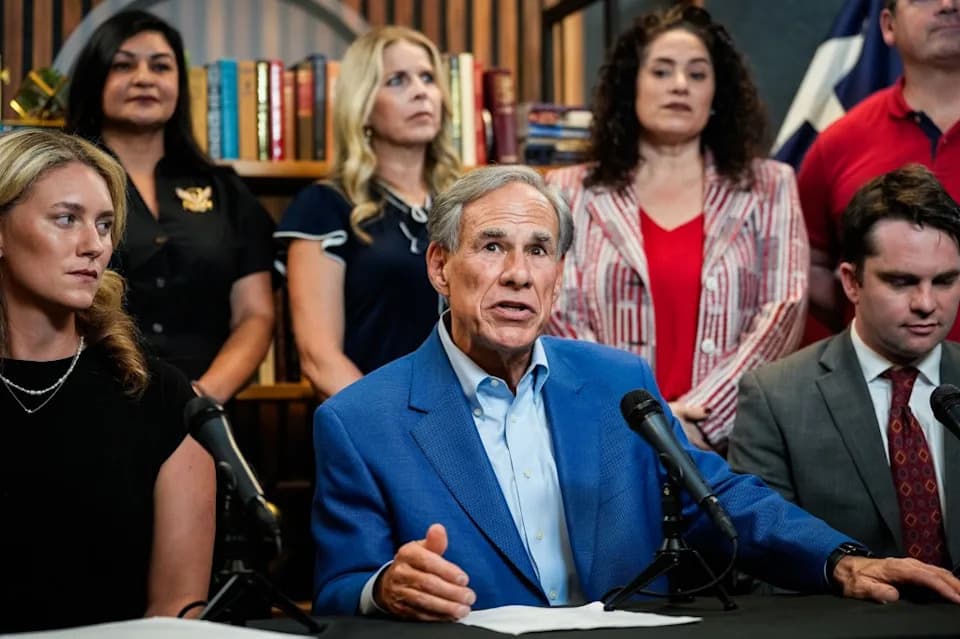
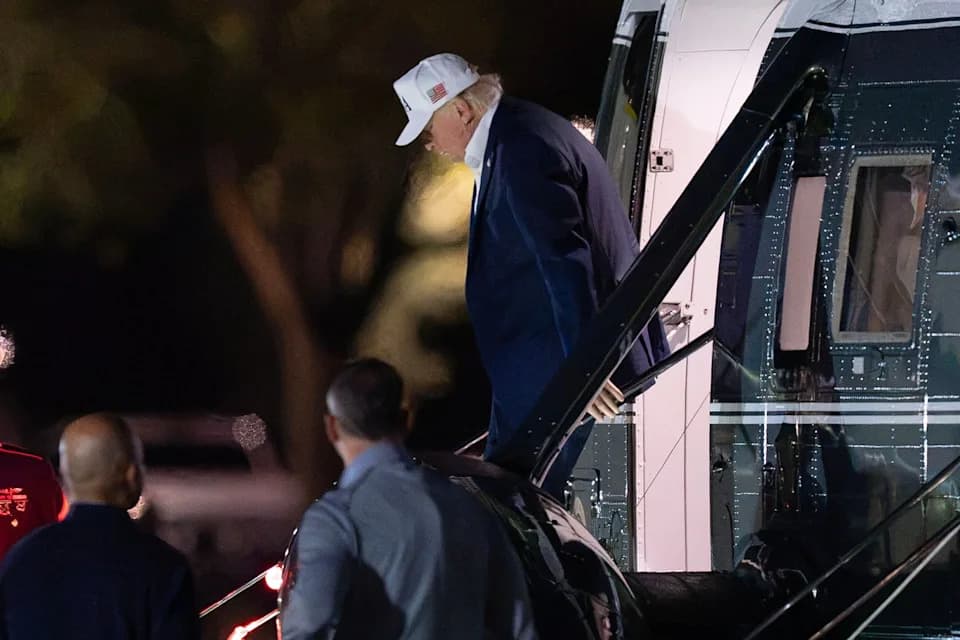
In Texas, Governor Greg Abbott had been a strong proponent of tech investment. After welcoming a reported $40 billion Google commitment last year and calling Texas the 'centerpiece for AI data centers for Google in the entire world,' Abbott has more recently paused approvals for new data centers that would draw from the state grid pending an audit by ERCOT. The governor's office directed regulators to ensure projects pay for their own electricity infrastructure, do not take community water or displace power needed by families, and do not shift costs onto residential customers.
Abbott spokesperson: Texans come first. Data centers will not connect to the Texas grid until the ERCOT audit is complete and the project meets the Governor's requirements.
Opposition to nearby data centers has become a rare bipartisan issue: a Gallup poll found more than 60% of Republicans, Independents and Democrats do not want a data center located where they live. In Red Oak, Texas, lifelong conservative Dave Lowe and neighbors are organizing monthly to oppose Compass Datacenters' plan for a large campus that would cover dozens of acres of agricultural land. Compass provided a written statement saying it has engaged with local communities, incorporating feedback and planning mitigation measures such as closed-loop water systems and grid investments.
What To Watch
Key items to monitor include local approval processes, the outcome of the ERCOT audit, actual water and power usage data from built facilities, and any changes to state incentive policies. For rural communities, the central questions remain whether the economic benefits claimed by developers will materialize, and whether environmental and infrastructural costs will be adequately mitigated.
Help us improve.