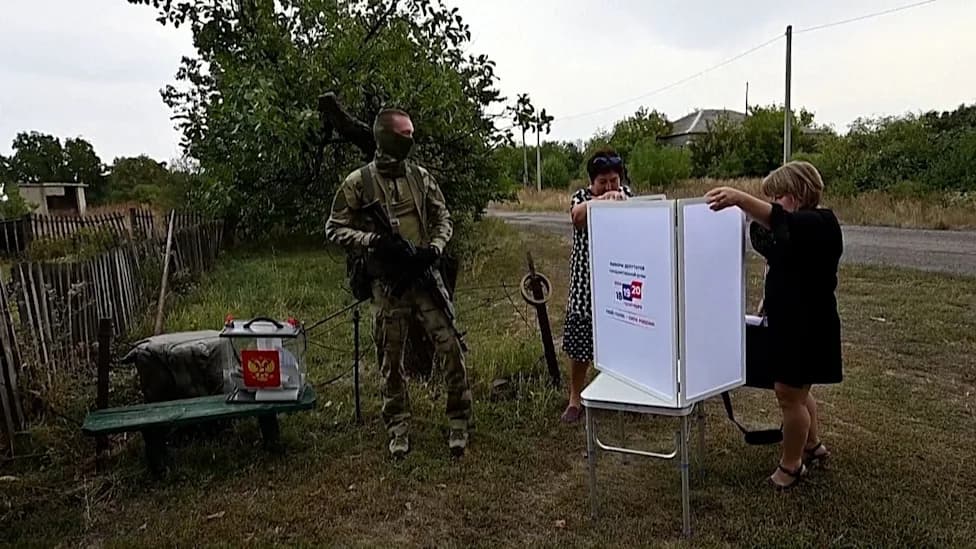
Russia's parliamentary vote is effectively uncontested: United Russia and nine allied parties dominate the ballot while the only registered anti-war party, Yabloko, was removed from party-list competition. The three-day election—including precincts in annexed Ukrainian territories and electronic voting—seeks to demonstrate public support for Kremlin policy. Half the Duma's 450 seats are chosen from party lists and half in single-member districts, and United Russia, fronted by Sergey Lavrov and Sergei Sobyanin on its list, is expected to maintain overwhelming control.
Russia’s Parliamentary Vote: No Real Opposition as United Russia Poised To Dominate
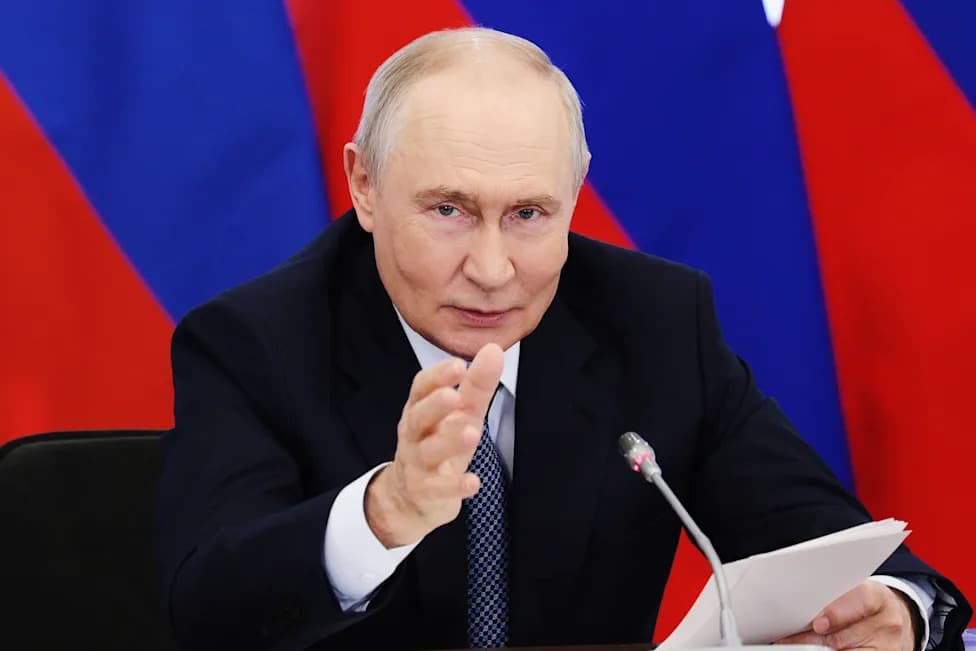
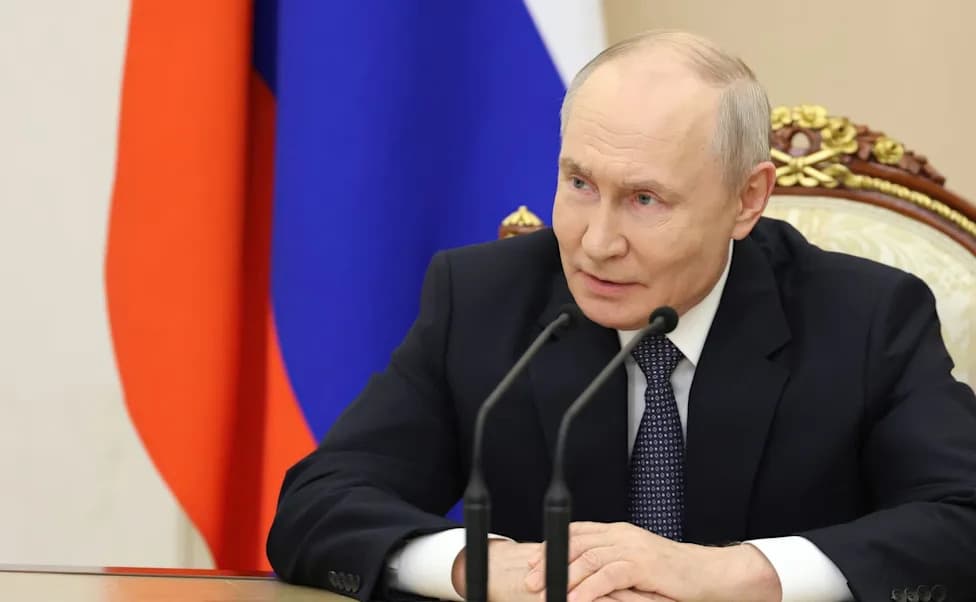
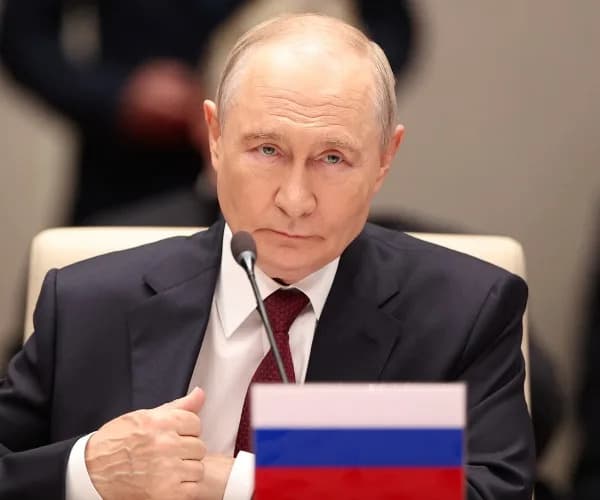
Russian President Vladimir Putin speaks at a research facility in Koltsovo near Novosibirsk, Russia, Tuesday, Aug. 11, 2026. (Gavriil Grigorov, Sputnik, Kremlin Pool Photo via AP, File)(Gavriil Grigorov/Pool Sputnik Kremlin via AP)
Russia's parliamentary election is unfolding without a credible political challenge to President Vladimir Putin's agenda. The Kremlin's leading party, United Russia, and nine other registered parties publicly support the government, while the only registered anti-war party, Yabloko, was removed from party-list competition by the Supreme Court and now appears only in single-seat contests.
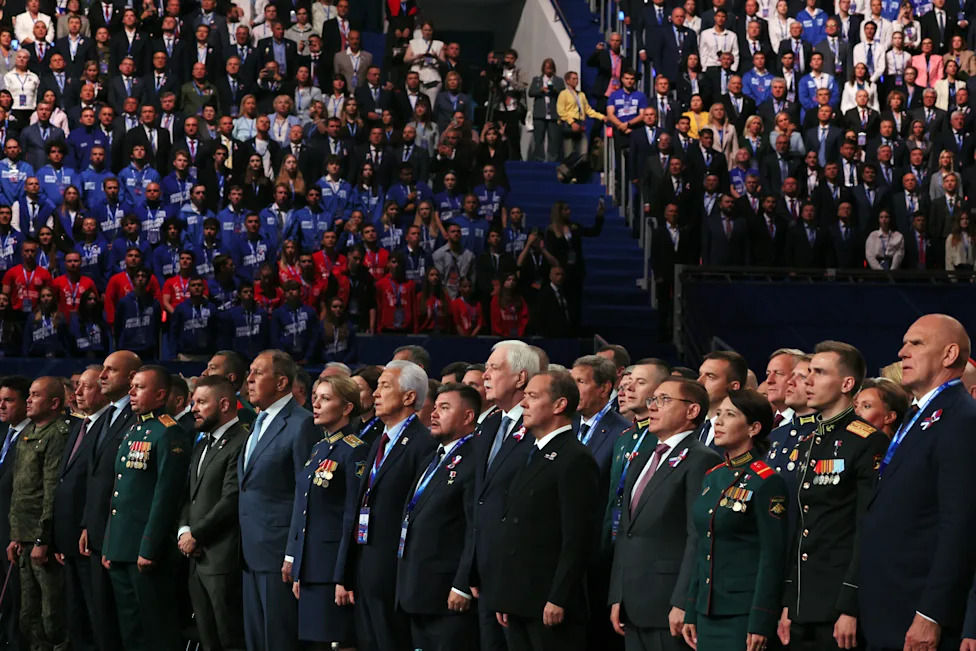
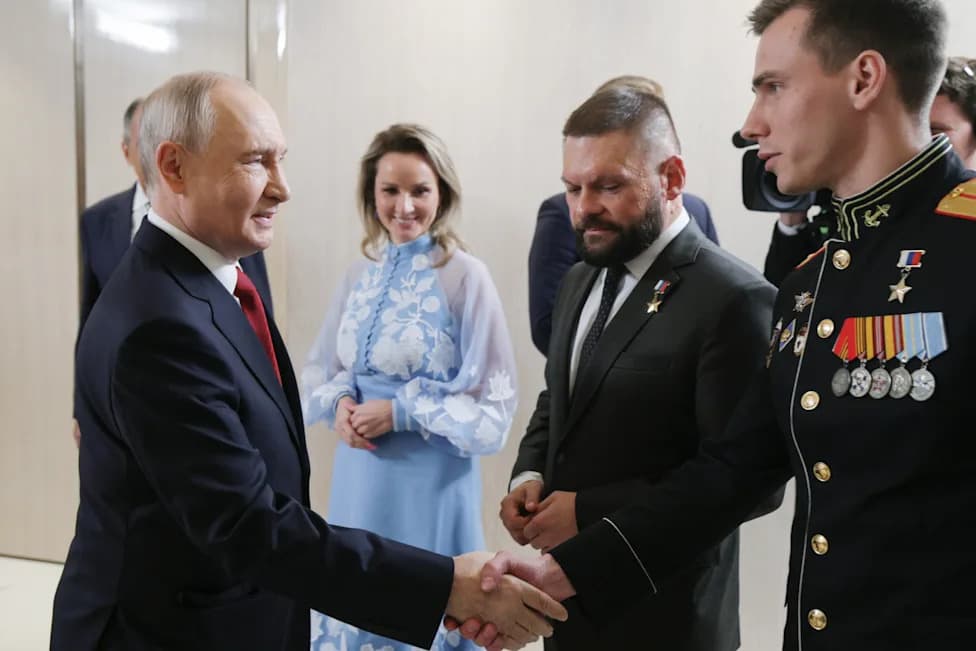
Participants of the United Russia party congress sing the Russian national anthem in Moscow, Saturday, Aug. 22, 2026. (Ekaterina Shtukina/Sputnik Pool Photo via AP, File)(Ekaterina Shtukina/Pool Sputnik via AP)
What This Vote Means
The near-total absence of genuine opposition all but guarantees continued Kremlin control of the State Duma, even as economic strain and targeted Ukrainian attacks on infrastructure increase public unease more than four years after the start of the war. The Kremlin frames the three-day election—held across Friday through Sunday—as a way to demonstrate public backing for its policies and to provide a façade of legitimacy.
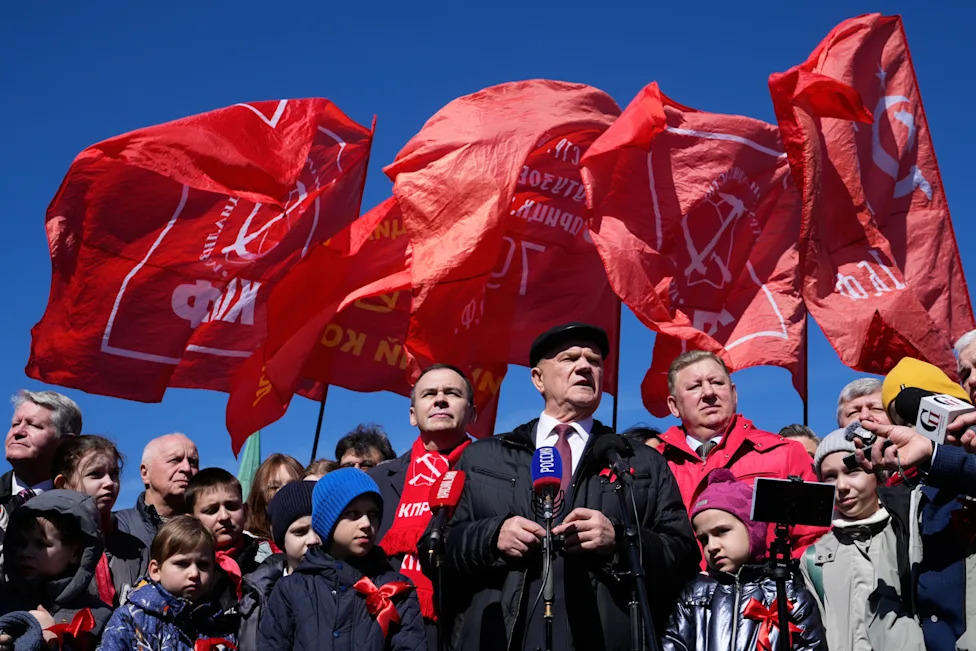
Russian Communist Party leader Gennady Zyuganov, center, speaks to journalists after laying flowers at the mausoleum of USSR founder Vladimir Lenin in Red Square, in Moscow, marking the 156th anniversary of his birth on Wednesday, April 22, 2026. (AP Photo/Pavel Bednyakov, File)(AP Photo/Pavel Bednyakov)
How The Election Works
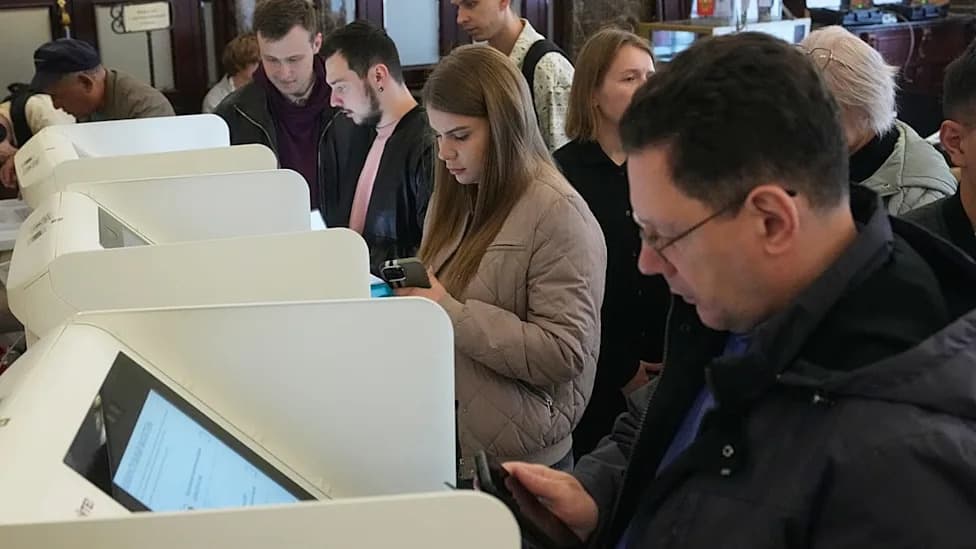
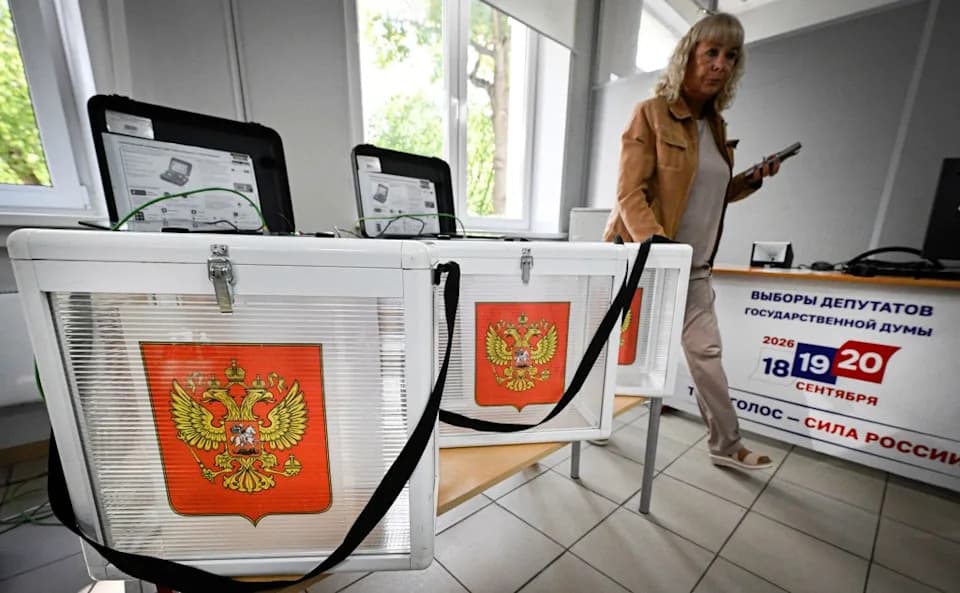
Of the Duma's 450 seats, half are filled from party lists and half from single-member districts. Voting is spread across three days to boost turnout among roughly 111 million eligible voters and includes precincts in territories Russia annexed from Ukraine. Electronic voting is permitted in this cycle.
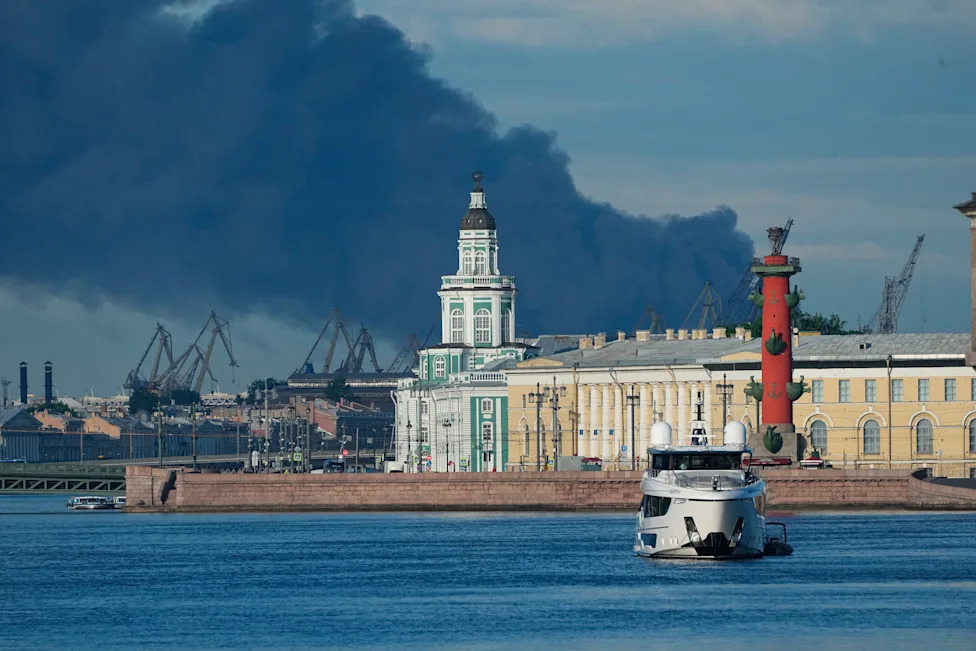
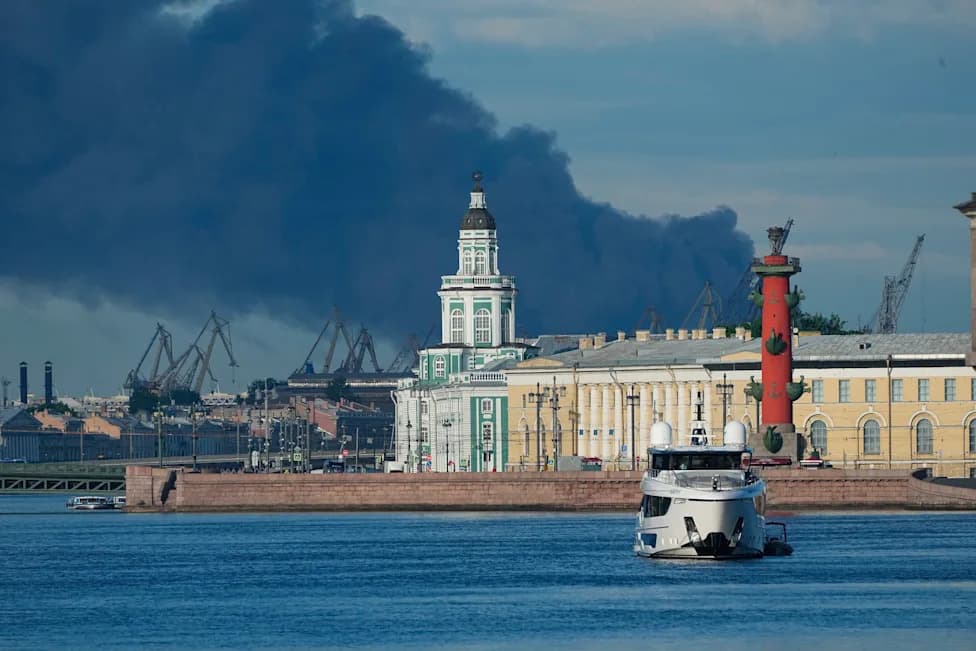
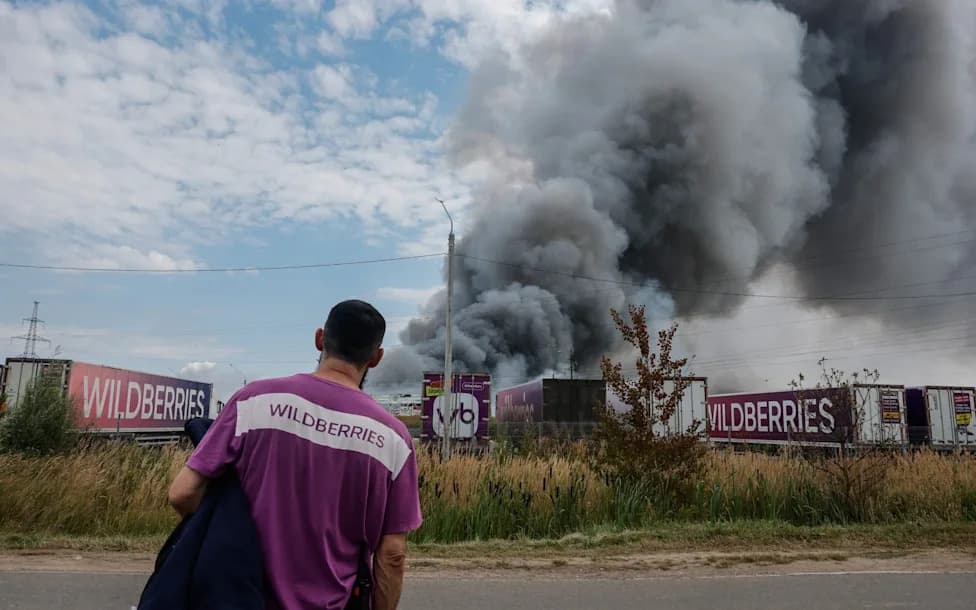
A plume of black smoke is seen over St. Petersburg, Russia, on June 3, 2026, after a Ukrainian drone attack. (AP Photo, File)(AP Photo/undefined)
Main Parties To Watch
United Russia is expected to retain an overwhelming majority. Its party list is led by senior figures including Foreign Minister Sergey Lavrov and Moscow Mayor Sergei Sobyanin; war correspondent Yevgeny Poddubny is listed among the top candidates. Deputies have pledged support for what the Kremlin calls its "special military operation" in Ukraine.
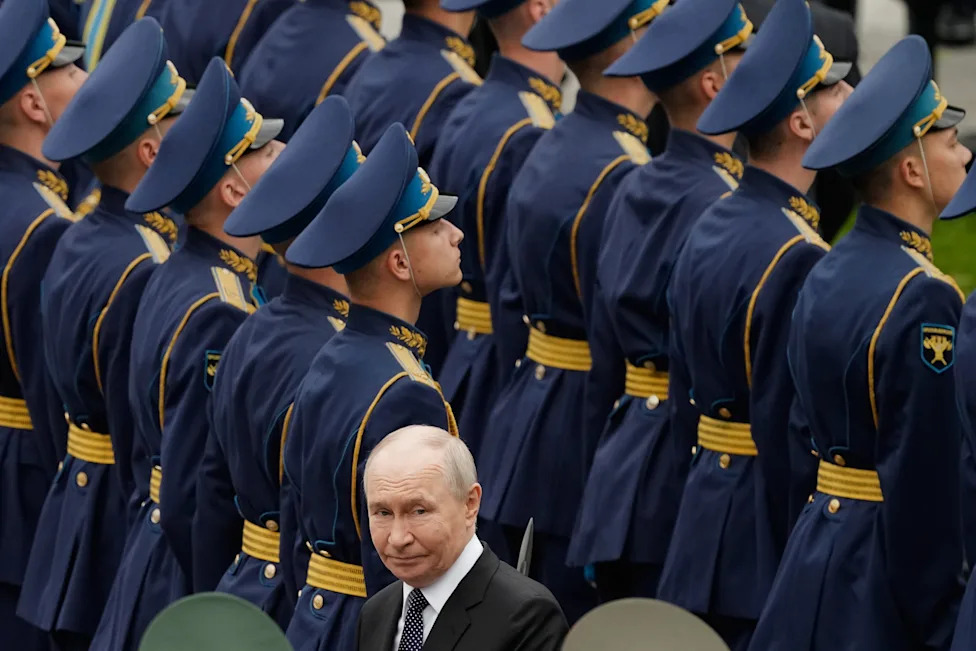
Russian President Vladimir Putin attends a wreath-laying ceremony at the Tomb of the Unknown Soldier by the Kremlin wall in Moscow on Monday, June 22, 2026, marking the 85th anniversary of the invasion of the Soviet Union by Nazi Germany in World War II. (AP Photo/Alexander Zemlianichenko, Pool, File)(Alexander Zemlianichenko/POOL AP via AP)
Systemic Opposition Parties such as the Communist Party, the Liberal Democratic Party (LDPR), and A Just Russia routinely align with the Kremlin on major votes. The Communist Party, led by long-serving Gennady Zyuganov, remains a significant parliamentary force and is seeking to broaden its social-media outreach to younger voters. The LDPR, an ultranationalist formation now led by Leonid Slutsky, continues to champion hardline positions and includes controversial figures such as Viktor Bout among its candidates.
Newer and Smaller Parties, including New People, the Party of Pensioners, the Greens, Communists of Russia and Motherland, round out a tightly managed political field. New People—a party that once marketed itself as a liberal alternative—has largely aligned with Kremlin policies since 2021.
Quote: "To destroy a normal economy is to destroy the country altogether," said Moscow Mayor Sergei Sobyanin, reflecting a reluctance among some officials to push for mass mobilization or a full wartime economy.
With extensive media control, restrictions on dissent, and the removal of anti-war voices from the party-list ballot, the election is unlikely to produce meaningful political change.
Help us improve.