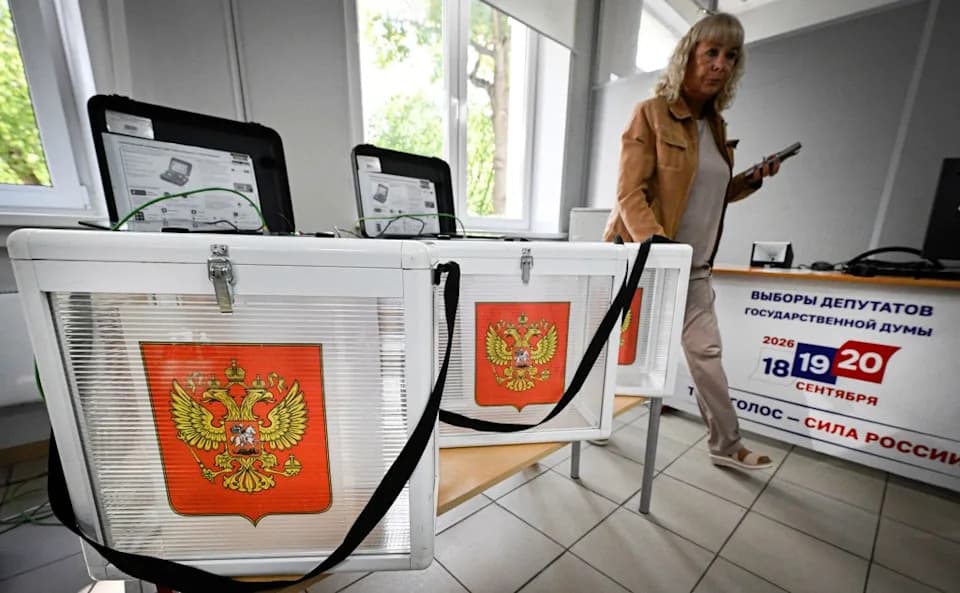
Russia has launched a three-day vote to elect all 450 members of the State Duma, with about 111 million eligible voters and polling opening first in the Far East. The campaign is taking place in a tightly controlled environment: United Russia is expected to dominate, while the anti-war party Yabloko was barred from the national party list. Voting is also being held in Russian-occupied Ukrainian territories that Kyiv and Western governments deem illegal, and 333 overseas stations are open in 152 countries. Ongoing war-related disruptions — from drone strikes to mobilisation fears — are shaping turnout and public sentiment.
Russia Begins Three-Day Duma Vote as War Reshapes Election
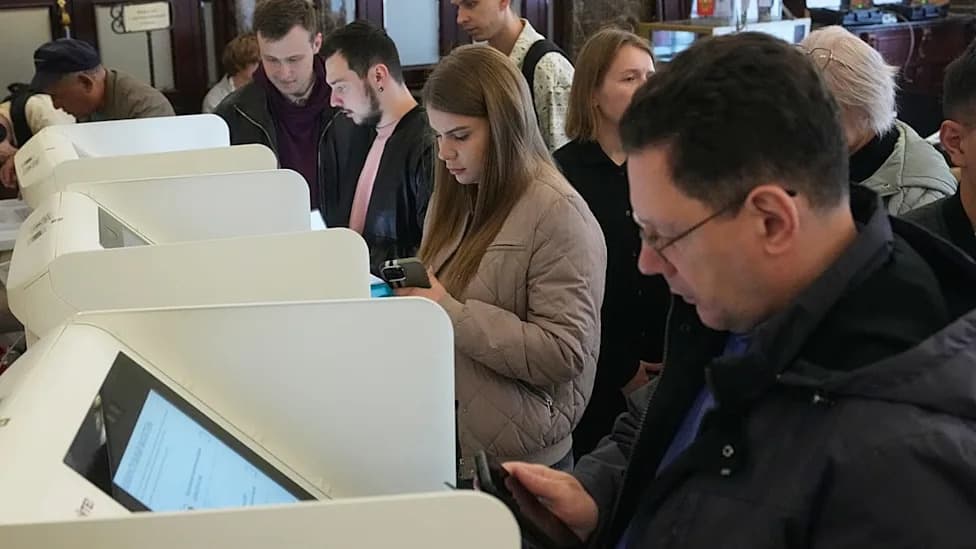
Russia holds nationwide Duma elections as war in Ukraine reshapes vote
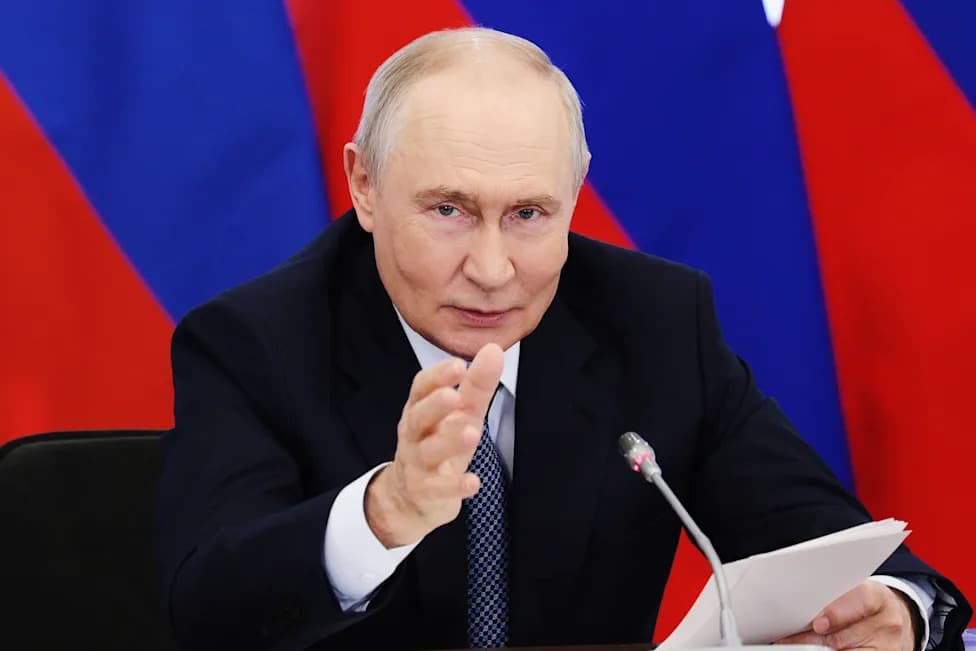
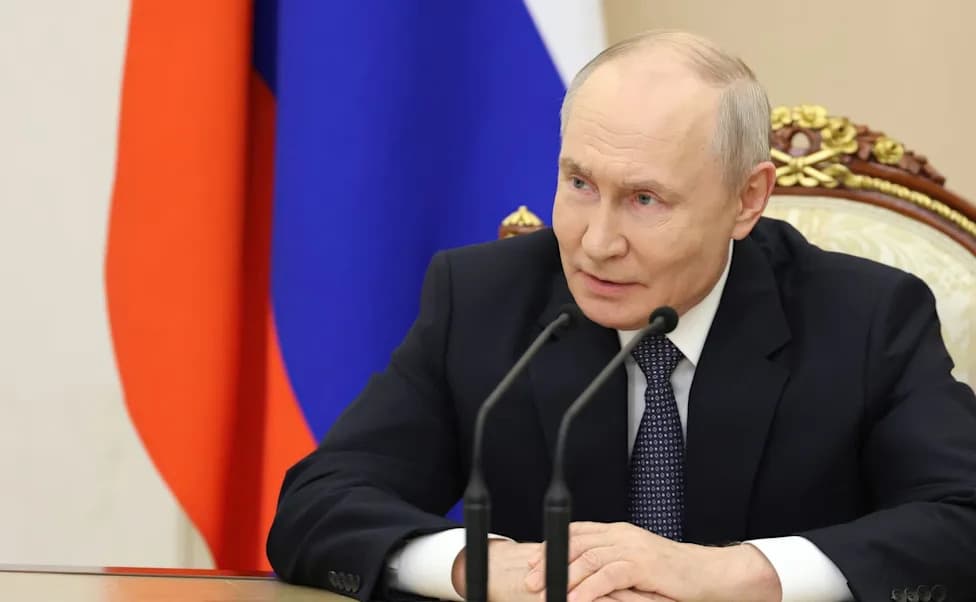
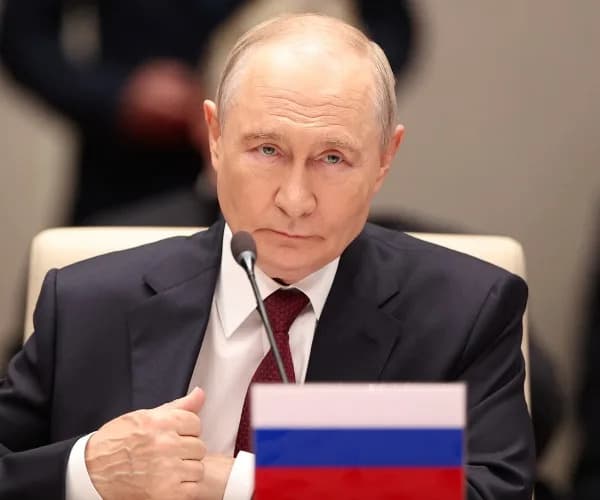
Russia has opened a three-day parliamentary election to fill all 450 seats in the State Duma, with roughly 111 million people eligible to vote. Polling began in the Far East — including Kamchatka, Chukotka and Magadan — where local officials encouraged turnout. The Kremlin is closely watching participation levels, and President Vladimir Putin has framed high turnout as a signal of national unity and backing for the war in Ukraine.
Tightly Controlled Campaign
The vote is unfolding in a tightly controlled political environment. United Russia is widely expected to retain its dominant position. The registered anti-war party Yabloko was excluded from the national party-list ballot; some of its candidates remain on ballots in single-member constituencies, but many have been barred from contesting those races.
Electronic and Overseas Voting
Authorities have implemented remote electronic voting in several regions, a measure that officials say broadens access but which critics argue raises transparency concerns. Outside Russia, 333 polling stations are operating in 152 countries, and early voting has already taken place in remote areas and among servicemembers.
Voting In Occupied Territories
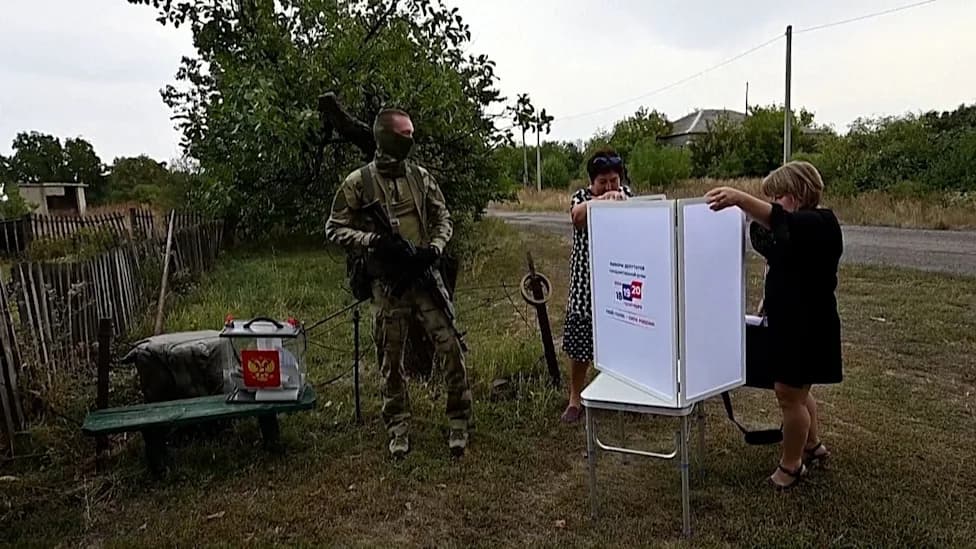
Balloting is also being conducted in territories Russia occupies in Ukraine — Donetsk, Luhansk, Kherson and Zaporizhzhia — as well as Crimea. Kyiv and Western governments consider elections held in those areas to be illegal and do not recognize results there.
War-Related Pressures On The Vote
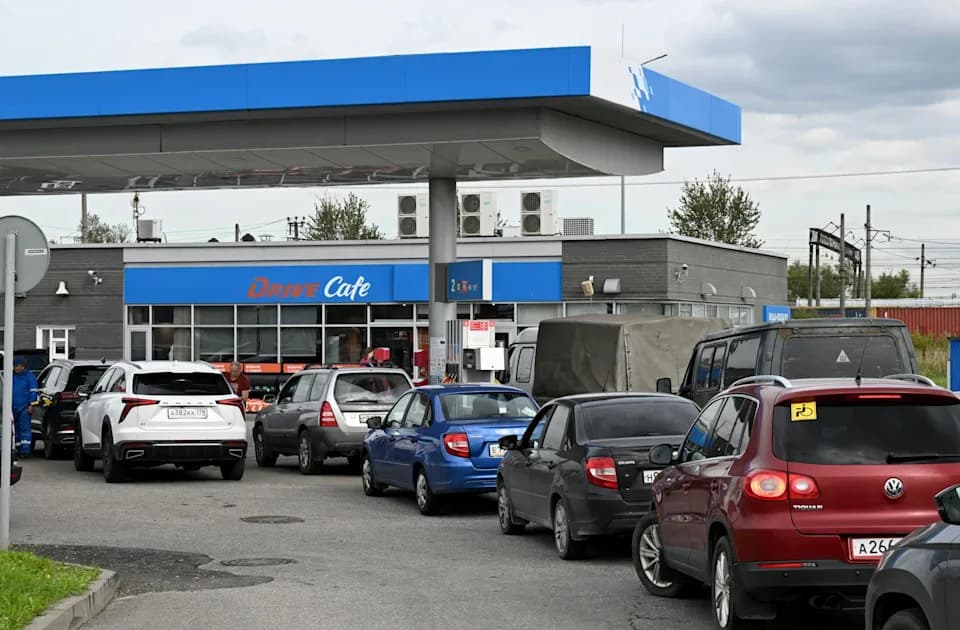
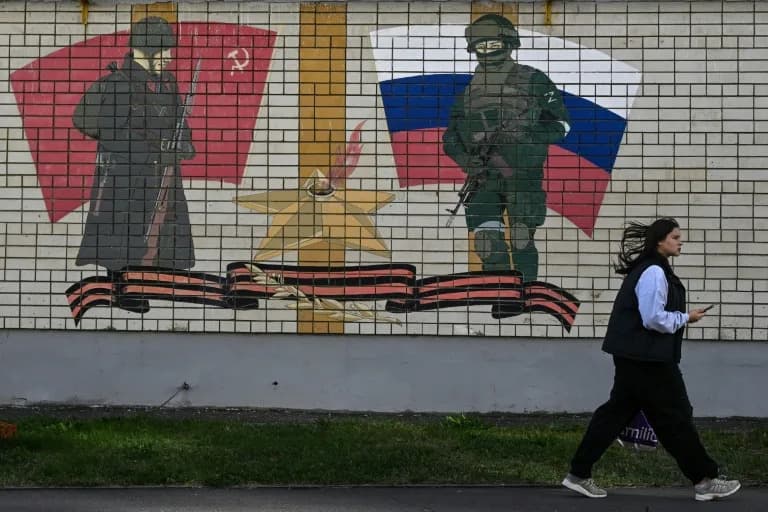
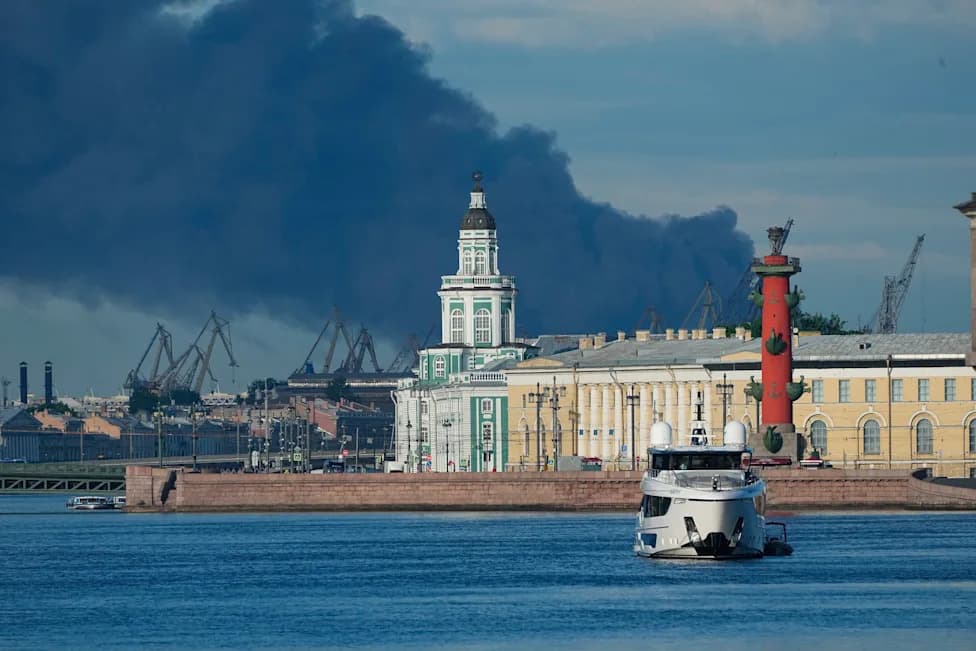
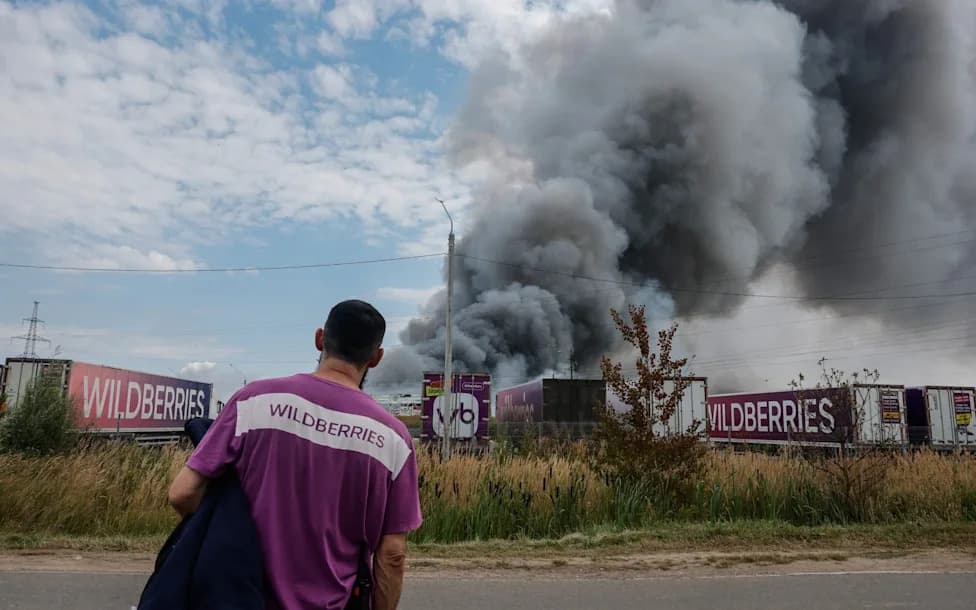
The election comes as the war increasingly affects daily life across Russia. Recent drone attacks, localized fuel shortages, economic pressure from sanctions and renewed fears of mobilisation have added to uncertainty and could influence turnout and voter behaviour. Observers and opposition figures warn that restrictions, candidate exclusions and security concerns limit genuine competition.
What To Watch: Turnout figures, the performance of United Russia, the fate of excluded opposition candidates, and international reaction to voting held in occupied Ukrainian territories.
Help us improve.