Yabloko says one of its election observers fainted while being detained by police at a St. Petersburg polling station during the second day of Russia's three-day State Duma vote. The party alleges polling-station officials accused the observer of trying to "disrupt the elections," summoned police and that force was used; the observer was later charged with disobeying police orders. Opposition parties report widespread denials of entry for observers and multiple alleged voting irregularities, while Moscow rejected OSCE monitors and tightened rules limiting observer statements. Authorities say more than 380,000 observers are registered, with United Russia and the Communist Party providing the largest contingents.
Yabloko Says Election Observer Fainted During Arrest At St. Petersburg Polling Station Amid Tightly Controlled State Duma Vote
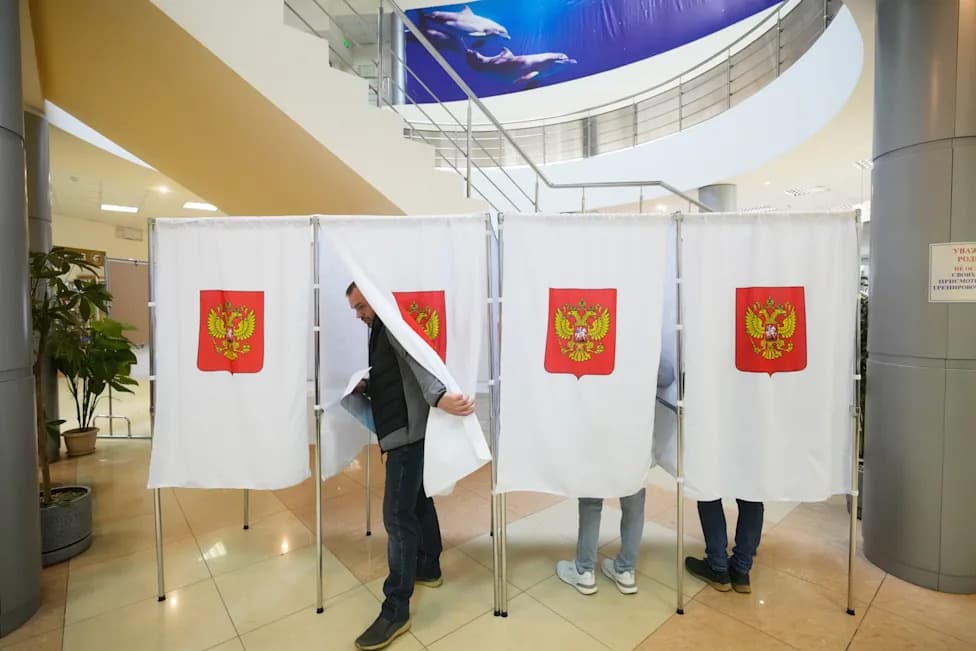
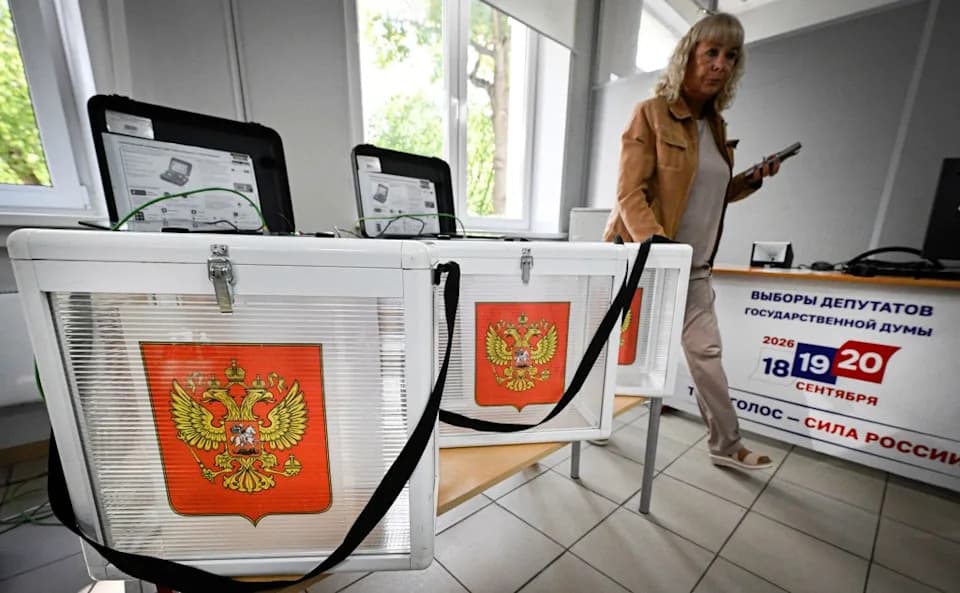
A voter leaves a polling booth after casting a vote during the parliamentary election in Podolsk, Moscow region, Russia, Saturday, Sept. 19, 2026. (AP Photo/Pavel Bednyakov)(AP Photo/Pavel Bednyakov)
Russia's liberal Yabloko party reported that one of its election observers lost consciousness while being detained by police at a St. Petersburg polling station on Saturday, the second day of a tightly controlled, three-day State Duma election. The party said polling-station officials accused the observer of trying to "disrupt the elections," summoned police and that officers "used force" against him.
In a Telegram statement, Yabloko said it was unclear whether the observer received prompt medical attention after losing consciousness. The party added that he was taken to a police station and later charged with disobeying police orders. Russian officials did not immediately respond to requests for comment.
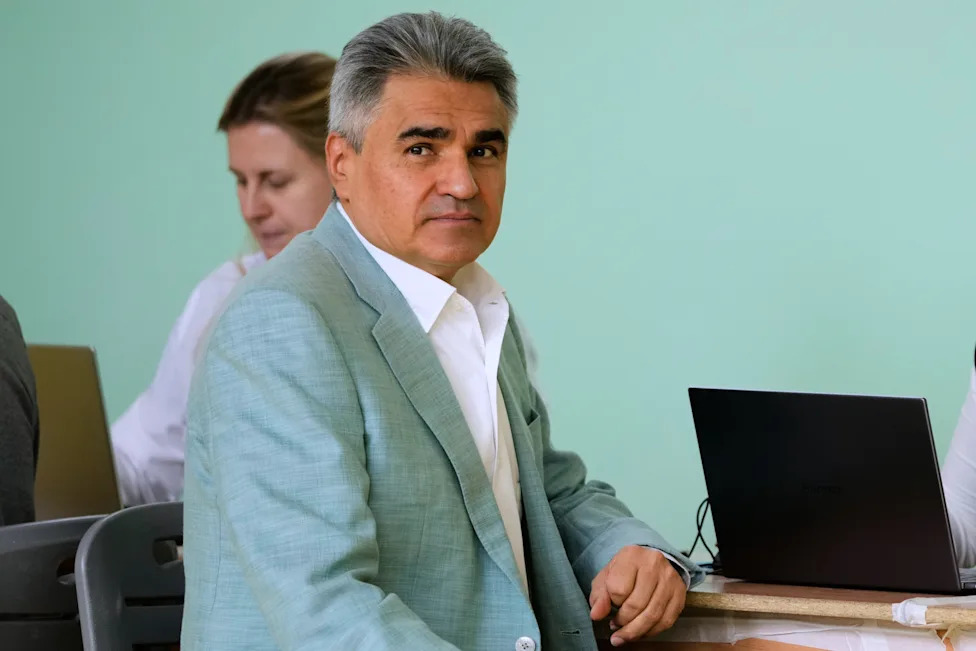
The New People's party leader Alexei Nechayev waits to receive a ballot to vote in the parliamentary election in Moscow, Saturday, Sept. 19, 2026. (AP Photo/Pavel Bednyakov) CAPTION CORRECTION: Corrects spelling of first name from Alexey to Alexei(AP Photo/Pavel Bednyakov)
Election Context
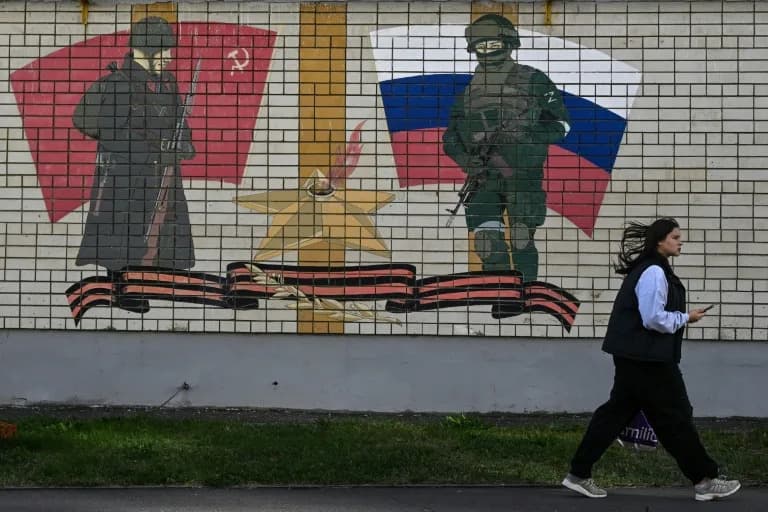
This vote is the first Russian parliamentary election since Moscow launched a full-scale invasion of Ukraine on Feb. 24, 2022. The three-day balloting, which began on Friday and continues through Sunday, features virtually no genuine opposition and is widely expected to consolidate the Kremlin's political dominance.
Yabloko — one of the few registered formations to openly criticize the war — was removed from the ballot by Russia's Supreme Court last month and now fields only a limited number of candidates in single-member constituencies. Several anti-war politicians have been jailed or forced into exile ahead of the campaign.
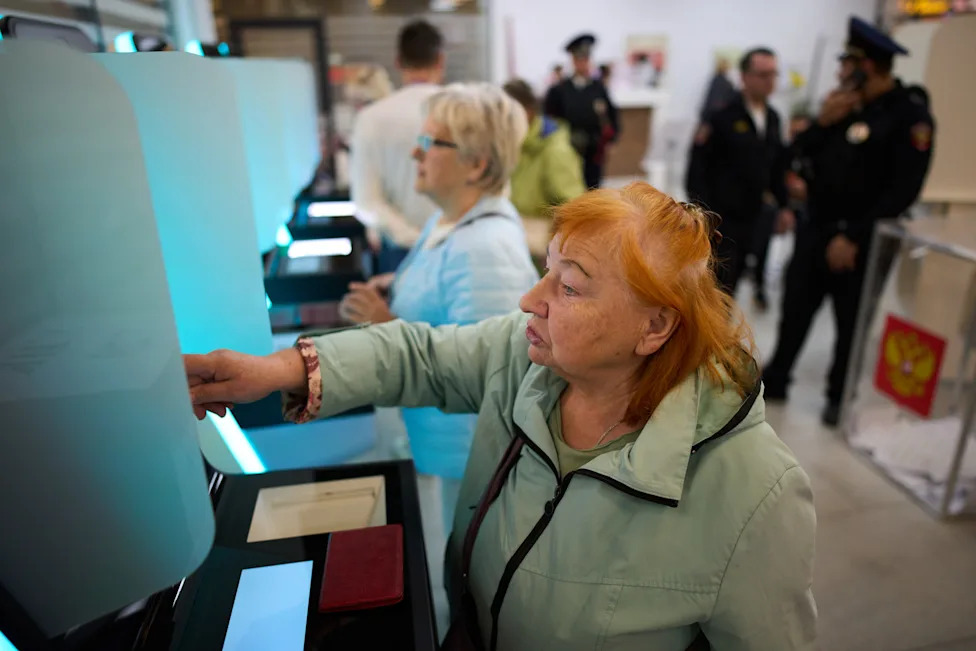
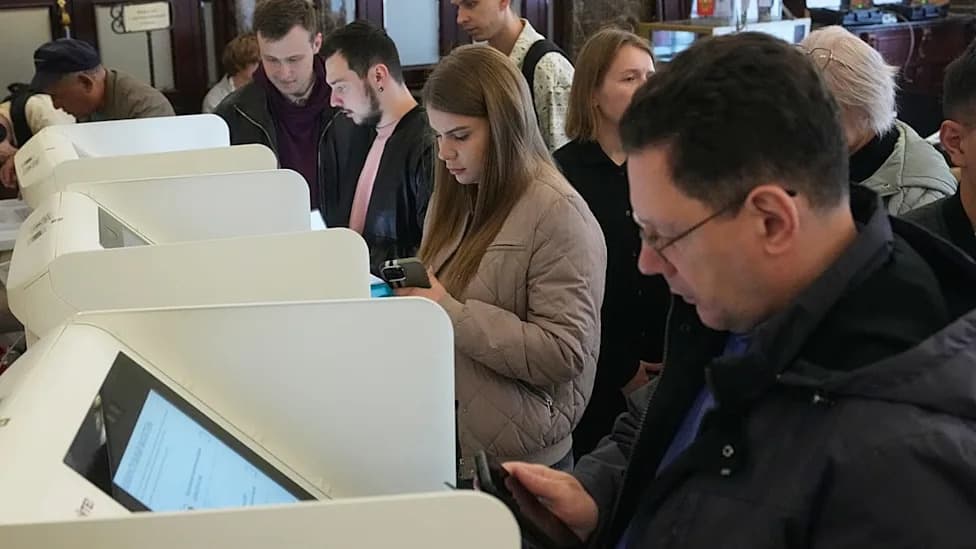
A voter uses an electronic voting system in the parliamentary election in Moscow, Russia, Saturday, Sept. 19, 2026. (AP Photo/Alexander Zemlianichenko)(AP Photo/Alexander Zemlianichenko)
Reports Of Restricted Observers And Alleged Violations
Both Yabloko and the Communist Party said many of their election observers were denied entry to polling stations. The parties reported a range of alleged irregularities, including opened sealed ballot boxes, refusals to issue paper ballots or provide turnout data for independent verification, and polling-station doors left unsecured overnight.
On Friday, Yabloko's chairman appealed to Ella Pamfilova, head of the Central Election Commission, over what the party described as widespread denials of entry and pressure on its observers.

A woman smiles as she speaks to an election commission employee, left, after using an electronic voting system in the parliamentary election in Moscow, Russia, Saturday, Sept. 19, 2026. (AP Photo/Alexander Zemlianichenko)(AP Photo/Alexander Zemlianichenko)
"The scale of what's happening does not allow us to view this as a misunderstanding," Yabloko chairman Nikolai Rybakov said.
International Observers And Rules
Moscow did not invite observers from the Organization for Security and Co-operation in Europe (OSCE), the Russian Foreign Ministry saying the body applied "double standards" in its criticism of Russia. The ministry said other international organizations and observers from OSCE member states were invited instead.
OSCE Parliamentary Assembly President Pere Joan Pons called Russia's decision a breach of its commitments as a member state and said the move was part of a worrying pattern of rejecting independent scrutiny.
Russia's Central Election Commission reported more than 380,000 registered electoral observers ahead of the vote, including representatives from 11 political parties. Of those, 97,040 were linked to the ruling United Russia party and 42,743 to the Communist Party. The commission also said 1,126 international observers and "electoral experts" were registered from 133 countries and 13 international organizations.
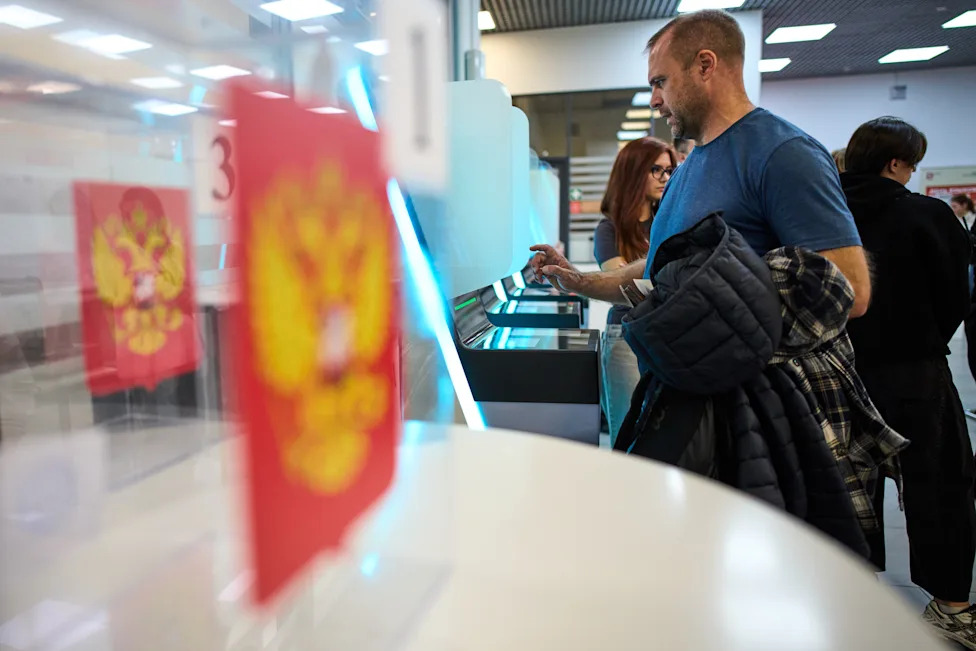
Voters use an electronic voting system in the parliamentary election in Moscow, Russia, Saturday, Sept. 19, 2026. (AP Photo/Alexander Zemlianichenko)(AP Photo/Alexander Zemlianichenko)
In the run-up to the election, authorities tightened rules on observers under a new code of ethics that bans statements "that could be construed as undermining confidence in the electoral system." Officials also extended voting over the weekend and allowed electronic balloting to boost turnout among roughly 111 million eligible voters.
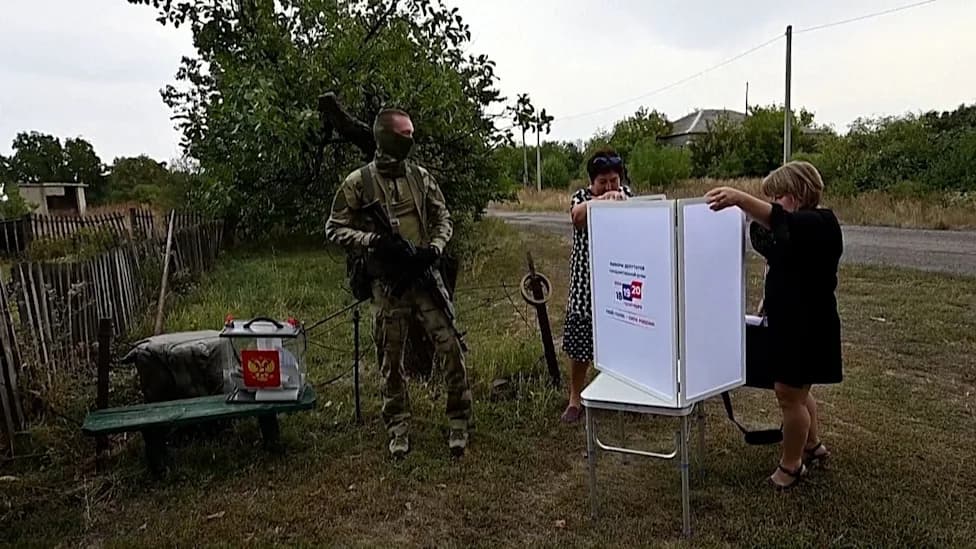
For the first time, the vote includes residents of four Ukrainian regions that Moscow has claimed after the war began, though it does not fully control those territories. Voting is also taking place in Crimea, which Russia annexed in 2014.
What This Means
The Kremlin appears to be using the election to demonstrate public backing for its policies, including the war in Ukraine, while limiting political risk by restricting dissent. The main pro-Kremlin party, United Russia, is widely expected to retain its dominant position in the State Duma, and several smaller "systemic opposition" parties that generally align with the government are also projected to keep seats.
Help us improve.