Residents of Tambov, a city of about 250,000 southeast of Moscow, are voting in parliamentary elections under the shadow of nearby Ukrainian drone strikes that destroyed a Wildberries warehouse, killing seven and wounding 25. United Russia is expected to retain a strong majority, but Yabloko candidate Yana Zenkina is campaigning locally for an end to the offensive despite media bans and legal restrictions. Local sentiment is split: some support pro‑war parties or the Communists, while younger voters and others quietly back calls for peace amid economic strain and war fatigue.
Tambov Votes Under Shadow Of Drone Strikes As Pro-Peace Candidate Faces Uphill Fight
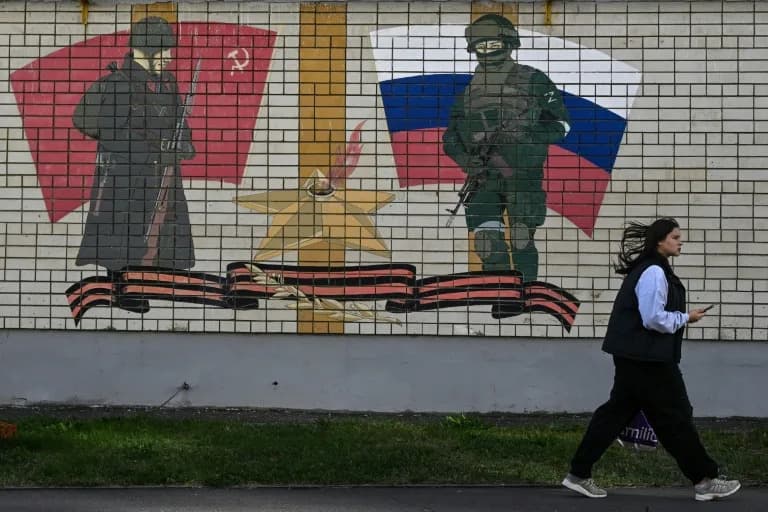
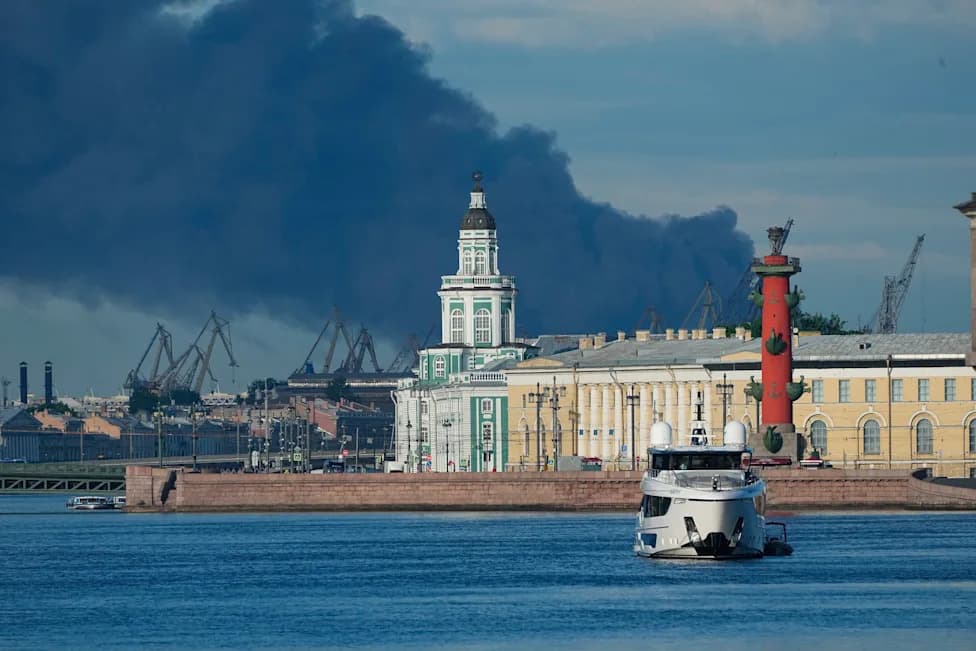
At first glance, the Russian city of Tambov exudes calm (Igor IVANKO)
Terrified by a recent surge in Ukrainian drone attacks, residents of Tambov — a city of about 250,000 roughly 500 km southeast of Moscow — head to parliamentary polls this weekend with little expectation that a pro-peace candidate can win.
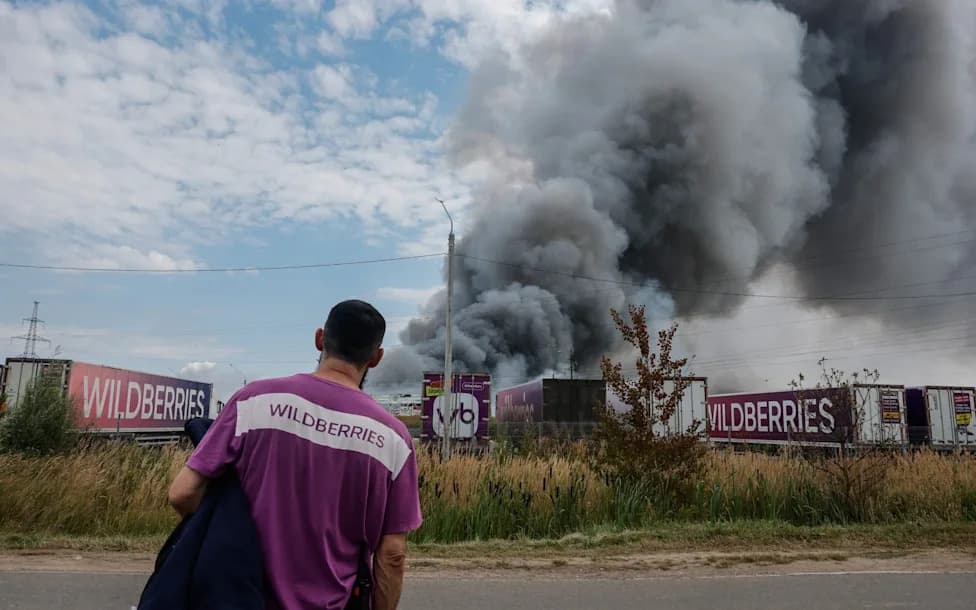
At first glance the city appears calm: 19th‑century houses and Soviet-era blocks suggest distance from the front lines of the war in Ukraine. That sense of normalcy was shattered in July when a Ukrainian drone struck a Wildberries warehouse on the city's outskirts. Seven people were killed and 25 wounded; a second strike a month later completely destroyed the site, which once employed about 5,000 people.
"It's terrifying, impossible to put into words just how awful it is," said Diana, an 18‑year‑old student in Tambov.
Election Mood: Predictable Outcome, Personal Stakes
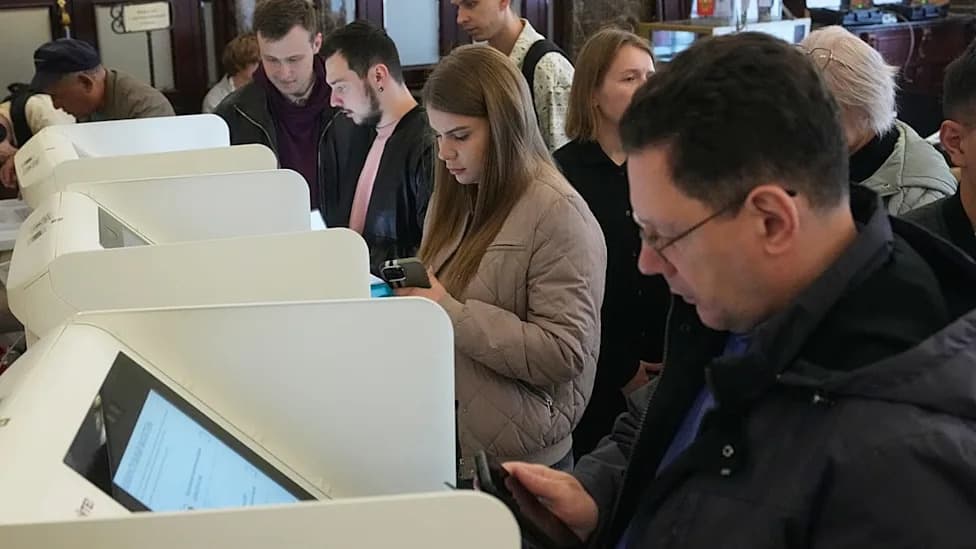
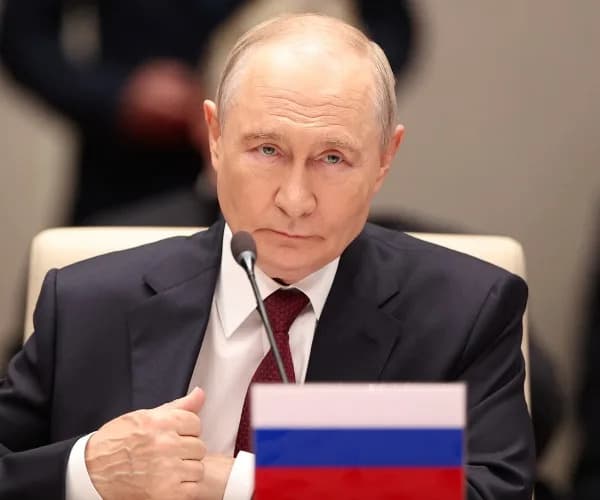
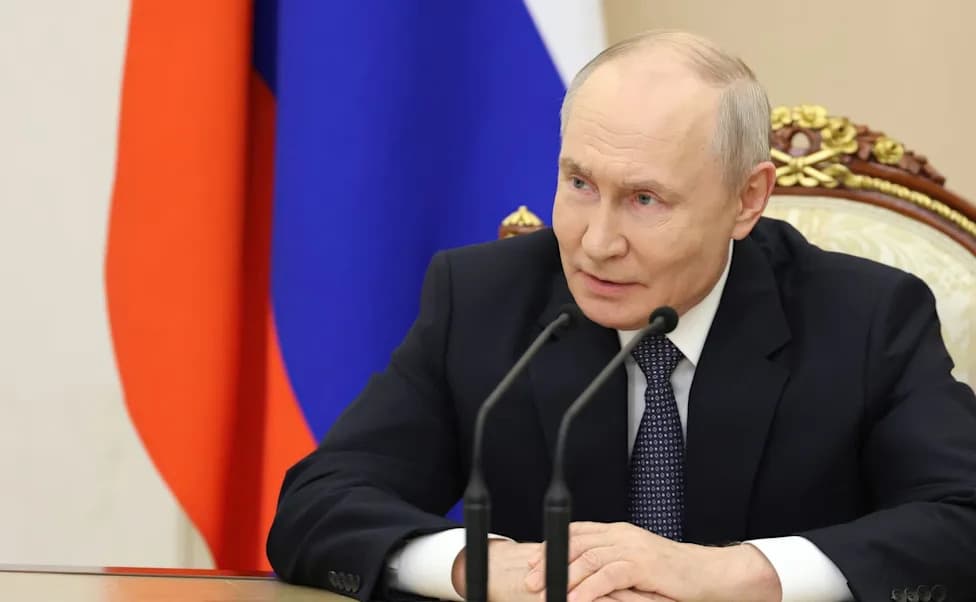
Although President Vladimir Putin's United Russia party is widely expected to retain a comfortable majority, many locals — including young voters and small business owners — say the election still matters. "It's essential to go and vote, because the future, I believe, depends on us," said Daria, a 35‑year‑old manicurist who plans to back the liberal Yabloko party because it opposes military action.
Yabloko has been barred from running at the national level but is fielding a few constituency candidates. Those candidates face long odds against United Russia and the nominal opposition parties that broadly support the offensive.
"Almost everyone is going to vote for United Russia. I know I'll vote against," said 76‑year‑old Vladimir Vinogradov, who intends to back the Communist Party.
Pro-War Voices And The Case Against Negotiations
Andrei Zhidkov, the 64‑year‑old Communist candidate in Tambov, told AFP he opposes peace talks with Kyiv. Seated before a bust of Lenin, he argued that "victory… means survival, the survival of the state," and described peace proposals during active fighting as a "dangerous path." He said several local party members have gone to fight in Ukraine and that six have been killed.
"Peace" Branded Dangerous
Yabloko candidate Yana Zenkina, 32, is the only well‑known local politician openly calling for an end to Russia's offensive. In her modest campaign office, a poster quotes Soviet rock band Kino: "Our hearts demand changes." Her campaign videos have been pulled from local television after officials said they displayed "signs of an extremist nature."
"The word 'peace' is considered offensive, dangerous," Zenkina told AFP, though she added she has felt "enormous support from young people and even from the older population."
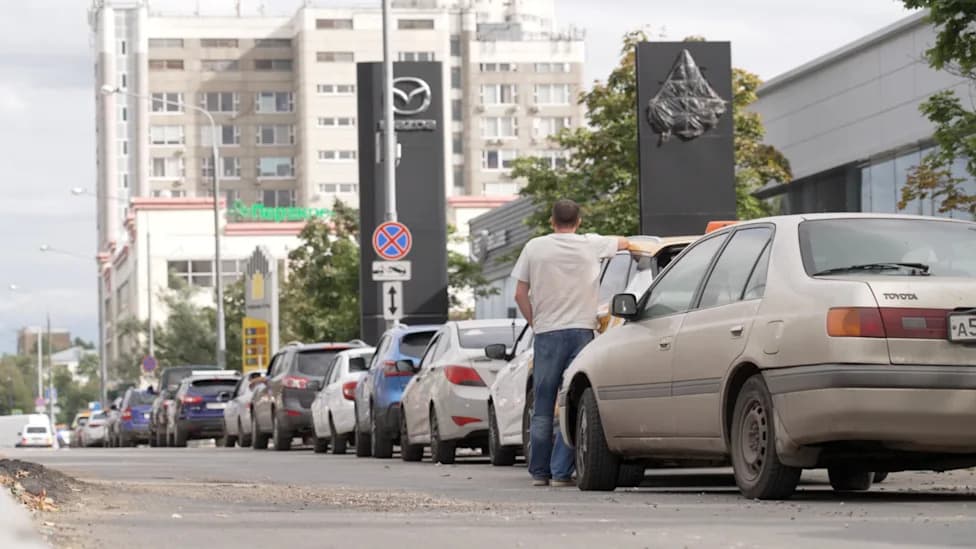
Many residents describe fatigue: the conflict has dragged into a fifth year, weighing on households economically and socially. The Russian economy has stagnated over the past year, and Ukrainian strikes on fuel infrastructure have contributed to nationwide shortages and higher prices.
Local officials say the Wildberries closures have left a gap in the labor market, but suggested other employers — including defense‑industry firms — can offer comparable pay. "Enterprises in the city and region can offer comparable salaries... in the defence industry," said Olga Meshcheryakova, head of the city's employment centre.
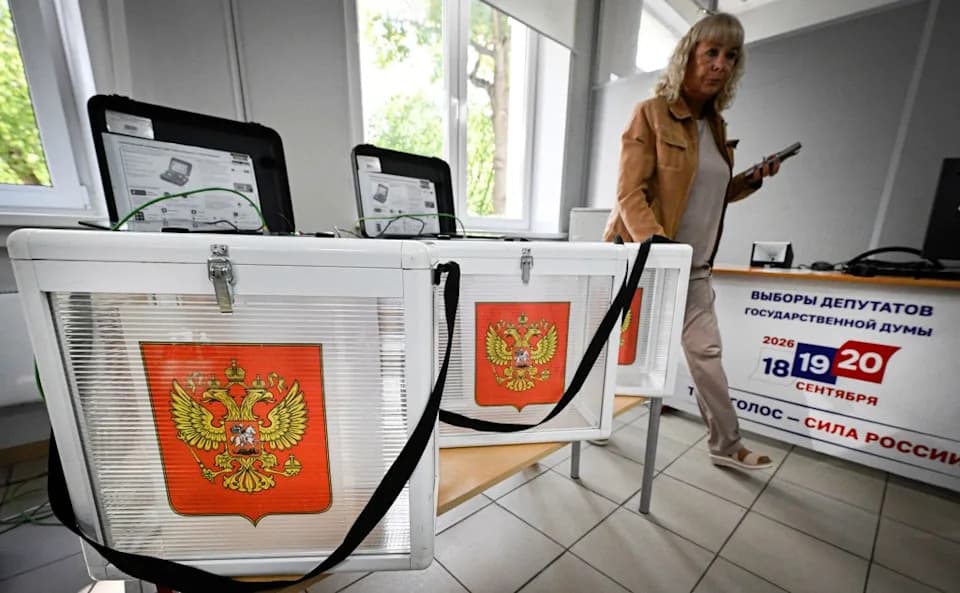
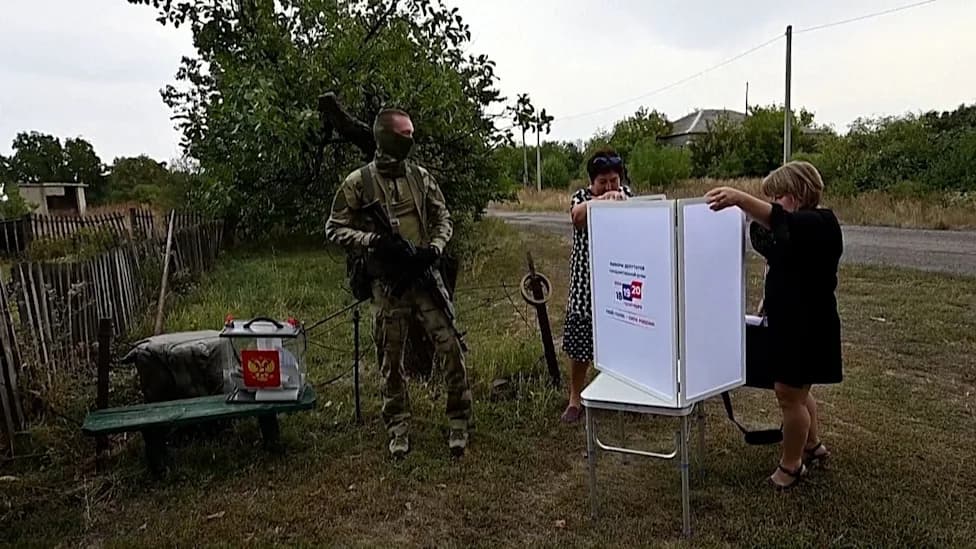
Across Tambov, state‑style posters urge turnout with slogans such as "Your Voice Is Russia's Strength." Analysts say the Kremlin seeks a high turnout to bolster the legitimacy of Putin's government — even as a small pro‑peace current tries to make itself heard amid a fraught and polarized atmosphere.
Help us improve.