Summary: Russia's Sept. 18–20, 2026 parliamentary election is expected to deliver another victory for United Russia, but observers will focus on vote margins, turnout and signs of manipulation. The Kremlin relies on administrative pressure, gerrymandering and controlled candidate lists rather than overt ballot-stuffing, while three-day and online voting add opacity. The brief registration then barring of Yabloko, plus the jailing of its deputy Lev Shlosberg, mean few legitimate anti-war options remain on the ballot. A low turnout or a narrow margin would be interpreted inside Russia as a clear signal of public discontent with the war and the government.
Putin's United Russia Poised To Win — But Margins, Turnout And Coercion Will Reveal The Real Story
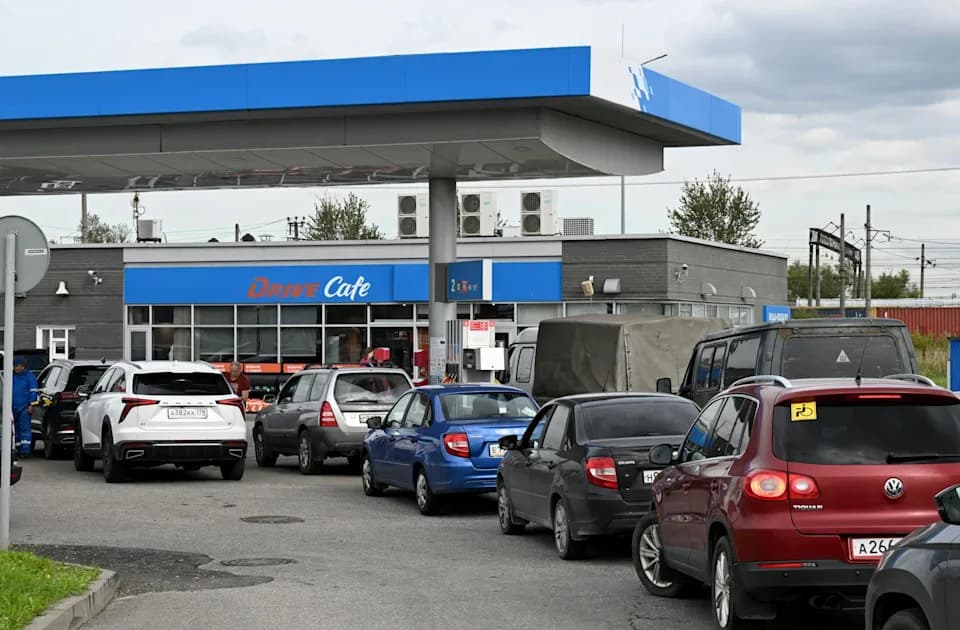
Lines of cars form outside a gas station in St. Petersburg on Sept. 15, 2026, amid acute fuel shortages.Timur Kasumov/Anadolu via Getty Images
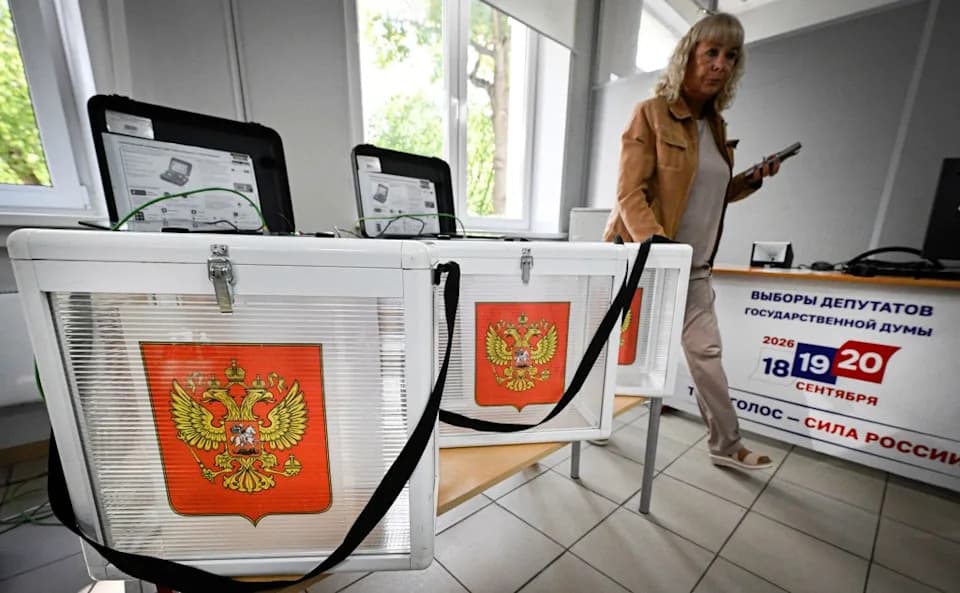
Russia's parliamentary elections, scheduled for Sept. 18–20, 2026, are expected to return President Vladimir Putin's United Russia party to power. Yet the substantive story will be less about who wins than about how large the victory appears, how many people vote and what measures the state uses to shape the outcome.
Context
The vote takes place against the backdrop of a protracted war in Ukraine, energy shortages, rising prices and anxiety about further conscription. Public polling places United Russia's support near 32% — its lowest level since the full-scale invasion in 2022 — though that figure may be inflated by respondents' reluctance to express dissent.
How the Kremlin Manages Elections
Over two decades, Kremlin-aligned election managers have built an array of mechanisms that secure majorities without relying solely on overt ballot-stuffing. These include administrative pressure on businesses and bureaucracies to deliver votes, gerrymandering of districts to advantage loyal constituencies, and legal controls over which parties and candidates may appear on ballots.
New And Old Opportunities For Manipulation
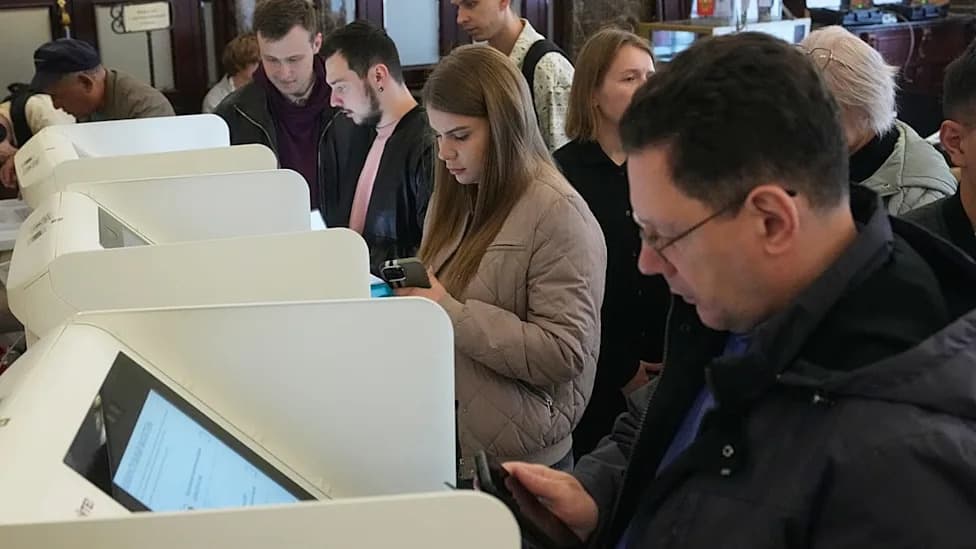
Two features of this election create fresh opportunities to shape results with less visible fingerprints: multi-day voting (three days of in-person balloting) and the expansion of online voting. Staggered voting allows officials to monitor tallies and adjust figures as the process unfolds, while online ballots add opacity that can obscure manipulation from public scrutiny.
Constraints And Risks For The Regime
Mobilizing reliable pro-regime voters is harder this year. The Kremlin reportedly offered fewer financial incentives to rural constituencies; war casualties and fuel shortages have hit many of those communities; and logistical problems — such as impeded harvests — undermine the traditional levers of turnout. That raises the risk that United Russia could post a lower turnout or a narrower margin than in previous contests.
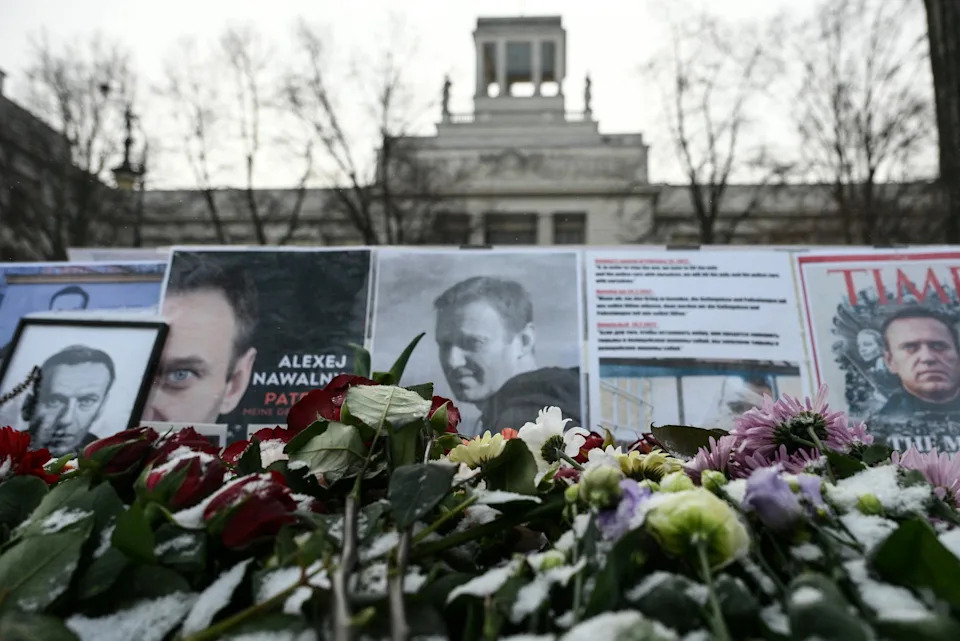
A makeshift memorial for late Russian opposition leader Alexei Navalny in Berlin on Feb. 17, 2026.Ralf Hirschberger/AFP via Getty Images
Opposition, Repression And The Ballot Box
Independent monitoring and organized opposition are weak. The election monitor GOLOS was forced to disband under pressure, and European observers were not invited to this round. The Kremlin has also dismantled or marginalized nonpartisan challengers: Alexei Navalny's Anti-Corruption Foundation was labeled "extremist" in 2021 and now operates in exile; Navalny died in prison in 2024, a death his supporters and outside observers say was suspicious, and many regional leaders of his movement remain jailed.
In July 2026 the Central Election Commission briefly allowed the anti-war party Yabloko to register, a surprise given the usual vetting process. With roughly 3% support in polls, authorities may have seen its inclusion as harmless evidence of pluralism. The commission soon reversed course, a Supreme Court appeal failed, and Yabloko deputy leader Lev Shlosberg was sentenced to 11 years in prison on charges commonly described as "fakes against the military." As a result, no anti-war party remains on the official ballot.
Protest Voting And The Meaning Of Signals
Even in a tightly controlled system, ballots can serve as a channel for dissent. Navalny popularized tactical protest voting — urging citizens to back "anyone but United Russia" or to coordinate support for the most viable approved challengers via a "Smart Vote" approach. Exiled opposition networks plan modified Smart Vote efforts to encourage protest votes, spoiled ballots or write-ins such as "Yabloko."
For the Kremlin, the risk is not losing control of the official outcome but fostering a shared perception of opposition. A significantly lower turnout or a slimmer margin for United Russia would be widely interpreted inside Russia as an indicator of public dissatisfaction with the war and the government — a political signal that may matter as much as the official results.
What To Watch On Sept. 18–20
- Reported turnout nationwide and variations by region.
- United Russia's official vote share and whether it achieves a constitutional two-thirds supermajority.
- Incidents or statistical anomalies noted by independent analysts or remaining domestic watchdogs.
- Evidence of coordinated protest voting (spoiled ballots, write-ins, or Smart Vote patterns).
Regina Smyth, Indiana University: The margin, turnout and level of coercion will tell the real story of Russia's wartime elections.
Image caption: Lines of cars outside a gas station in St. Petersburg in Sept. 2026 highlight the domestic pressures that shape voters' choices.
Help us improve.