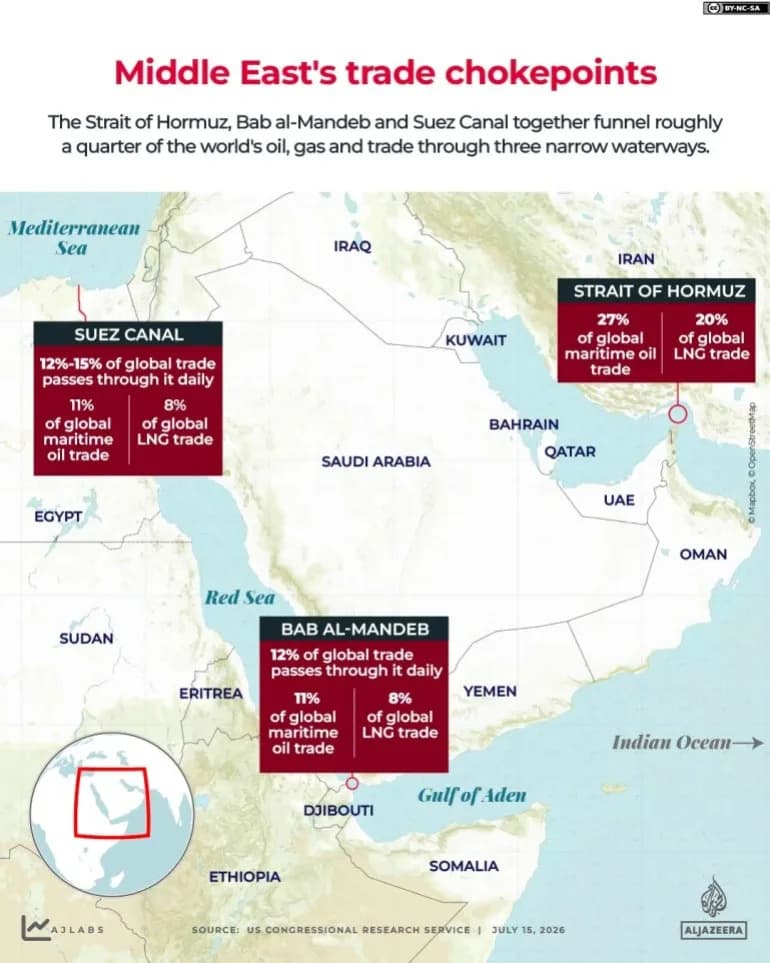
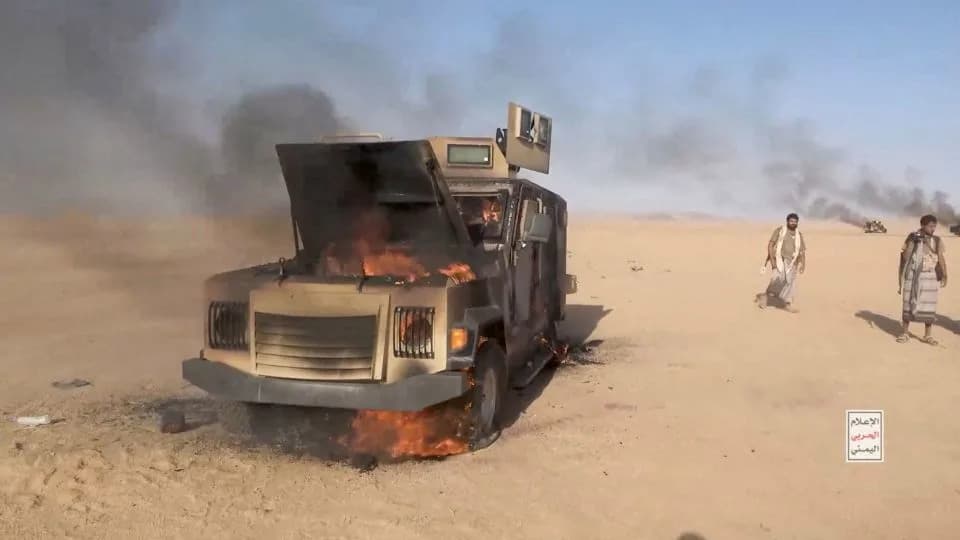
The Iran-backed Houthi movement warned other states against joining Saudi Arabia in Yemen's renewed conflict and told the AP it has assured the U.S. it will not target American ships in the Red Sea. Houthi forces recently seized Mokha and key Red Sea islands, increasing their control over the Bab el‑Mandeb — a chokepoint handling about 12% of global trade. The rebels say attacks on Saudi targets will continue until Riyadh lifts what they describe as a decade-long blockade and allows access to Houthi ports. The escalation has ended a 2022 ceasefire and raised international concern over shipping and humanitarian consequences.
Houthis Warn Nations Against Joining Saudi Campaign — Say They Won't Target U.S. Ships as Tensions Rise at Bab el‑Mandeb
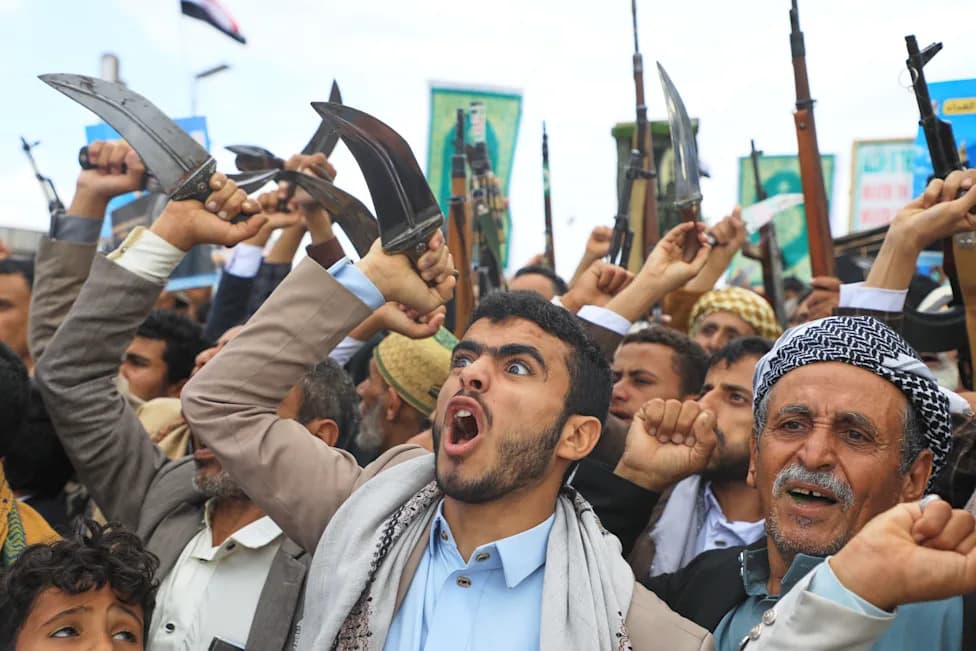
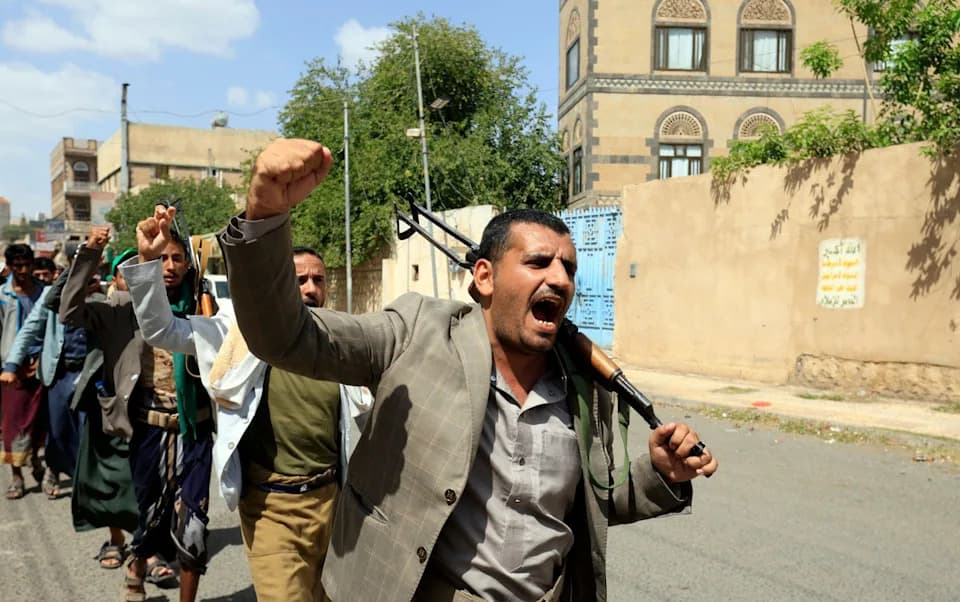
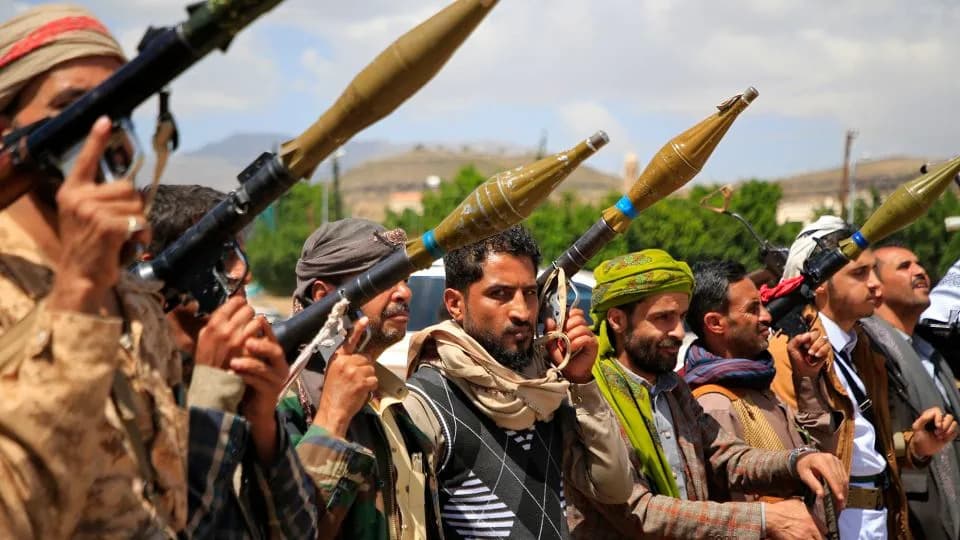
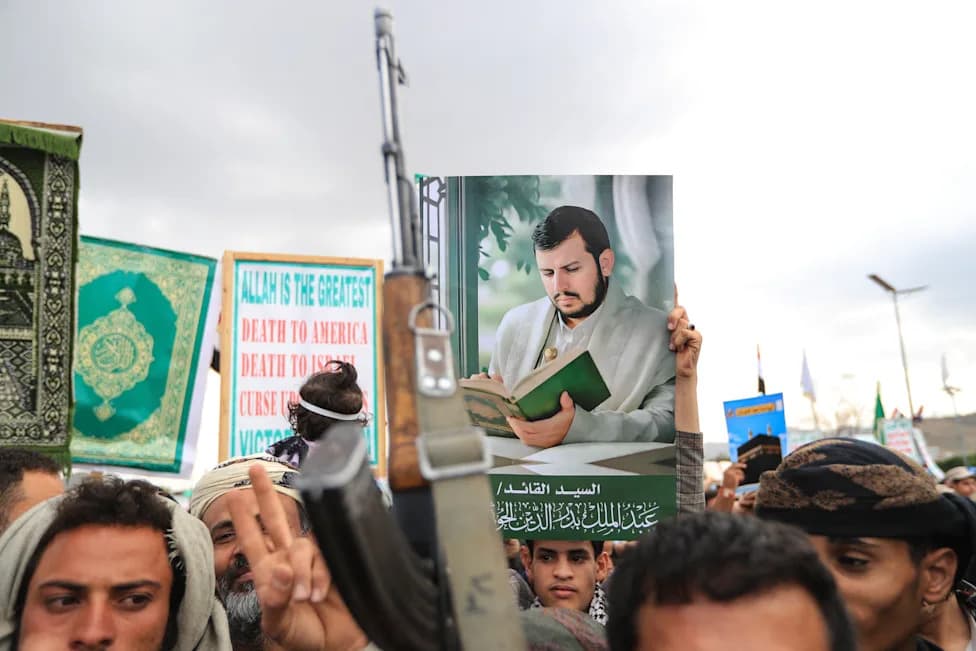
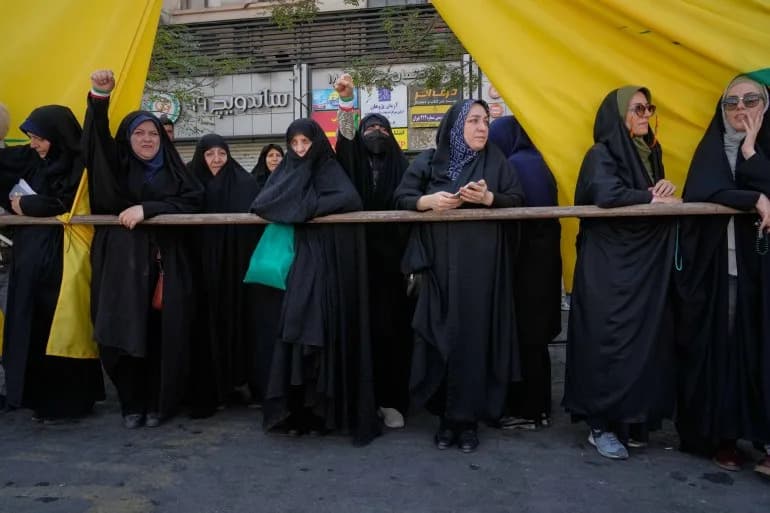
Supporters of Yemen's Houthi rebels shout slogans during a rally in support of the group and to protest Saudi Arabia's accusation that the Houthis targeted Islam's holiest site, Mecca, in Sanaa, Yemen, Friday, Sept. 18, 2026. (AP Photo/Osamah Abdulrahman)
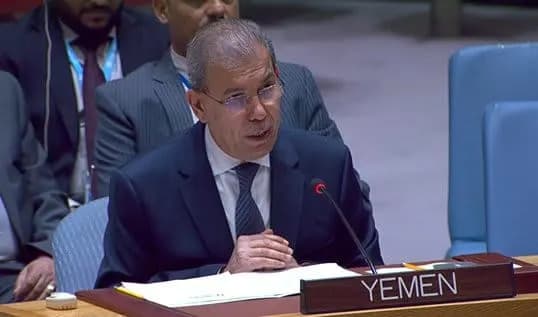
A senior Houthi official has warned other countries against joining Saudi Arabia in Yemen's renewed civil conflict, and told The Associated Press that the group has assured the U.S. it will not target American vessels transiting the Red Sea.
Mohamed al-Bukhaiti, a member of the Houthis' political bureau, said Washington contacted the rebels after their rapid push down Yemen's western coast toward the Bab el‑Mandeb Strait earlier this month. He spoke to the AP by Zoom from Sanaa, the city the Houthis have controlled since 2014.
'We confirmed that we are not targeting the United States, or any other nation, in the strait, with the sole exception of the Saudi enemy,'
Al-Bukhaiti added:
'That remains the case.'
Contacts With the U.S. and Regional Mediation
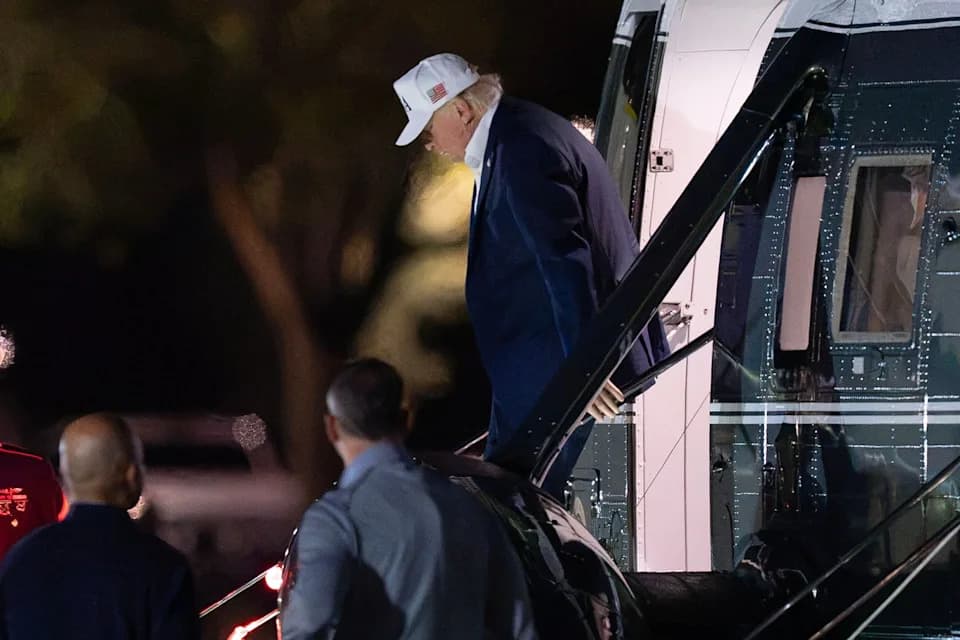
U.S. President Donald Trump said his administration had held discussions with the Houthis, noting that the movement "called us" and did not want to fight the United States. The Associated Press later reported that Oman hosted talks between U.S. and Houthi representatives; both Houthi and other sources described those contacts as indirect and mediated by Oman.
Oman has previously acted as an intermediary in the region. According to Houthi statements cited by the AP, Oman helped broker a 2025 agreement that halted a weekslong U.S. bombing campaign in return for a Houthi ceasefire on attacks against U.S. vessels in the Red Sea.
Why the Fighting Escalated
Al-Bukhaiti blamed Saudi Arabia for the latest surge in violence, saying the escalation followed an airstrike attributed to the Saudi-led coalition that struck Sanaa International Airport and prevented an Iranian flight carrying a Houthi delegation from landing. The Houthis say the flight aimed to challenge the coalition's air and naval blockade.
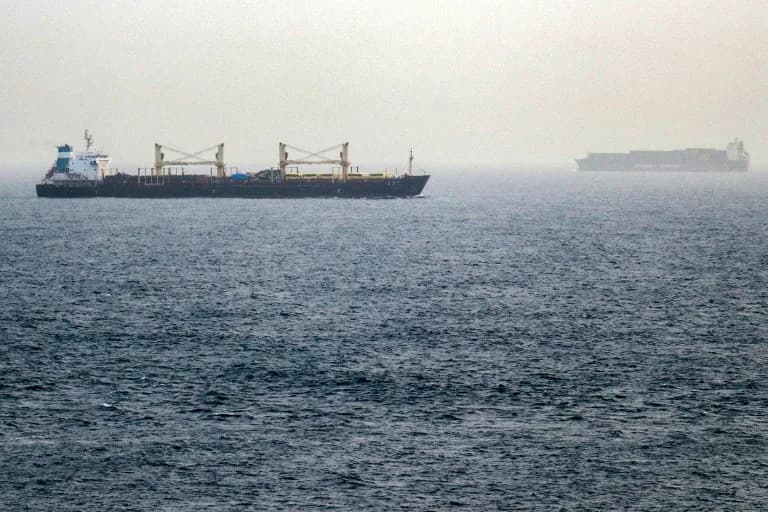
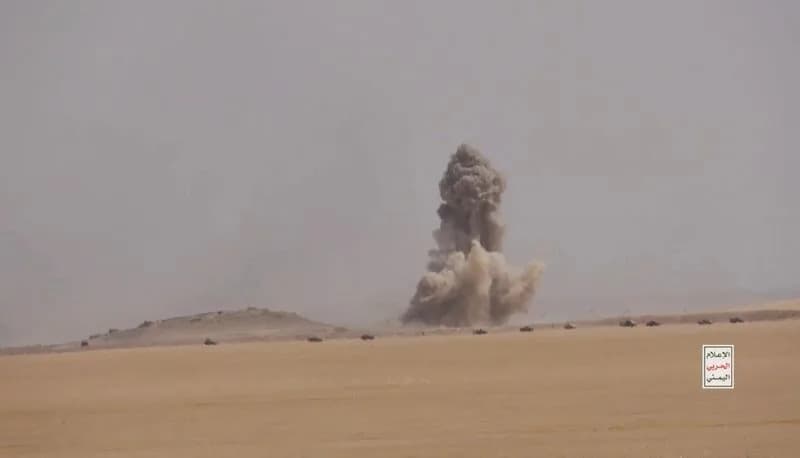
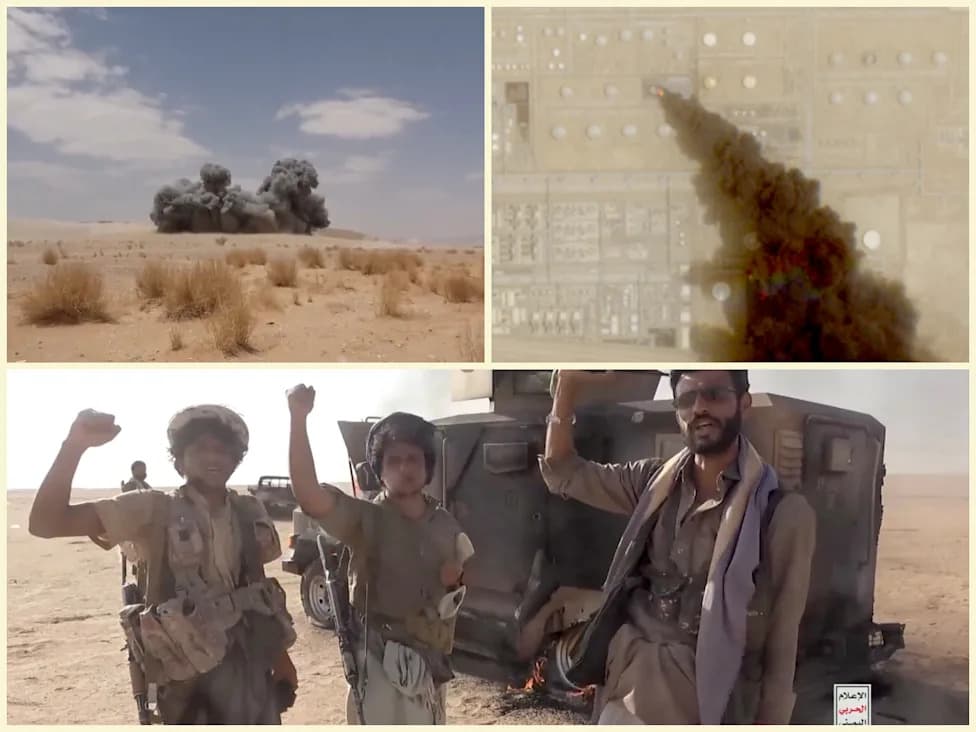
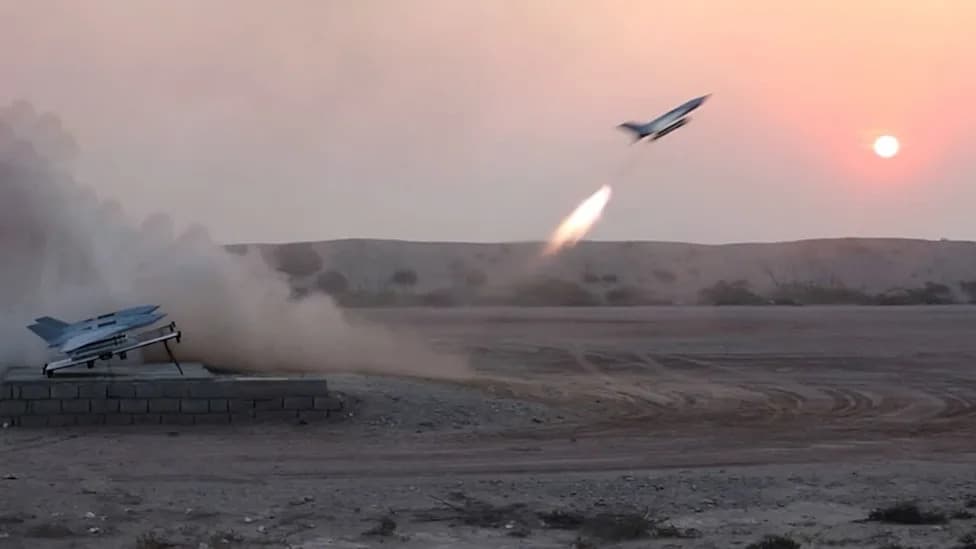
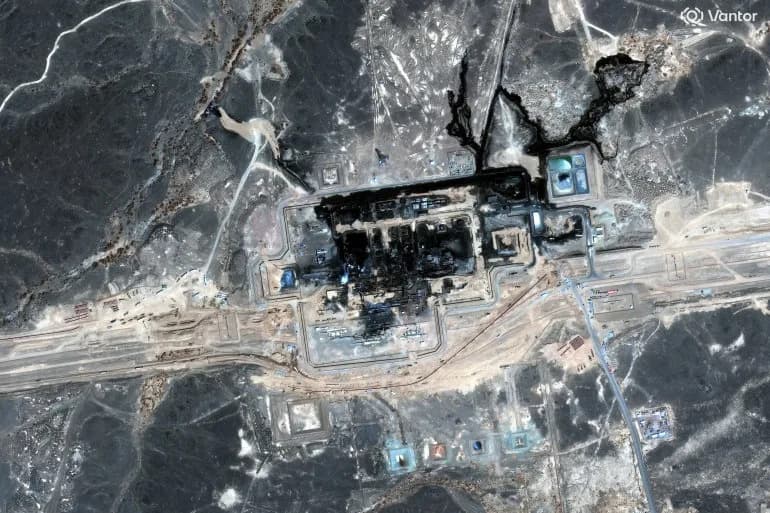
In retaliation, the Houthis launched missile and drone strikes against Saudi territory. Riyadh reported an intercepted attack on the capital and said debris from a Houthi drone killed one civilian and injured others. The rebels have also declared a blockade on Saudi shipping in the Bab el‑Mandeb and the Red Sea and have targeted Saudi-linked vessels and oil facilities.
Territorial Gains and Strategic Impact
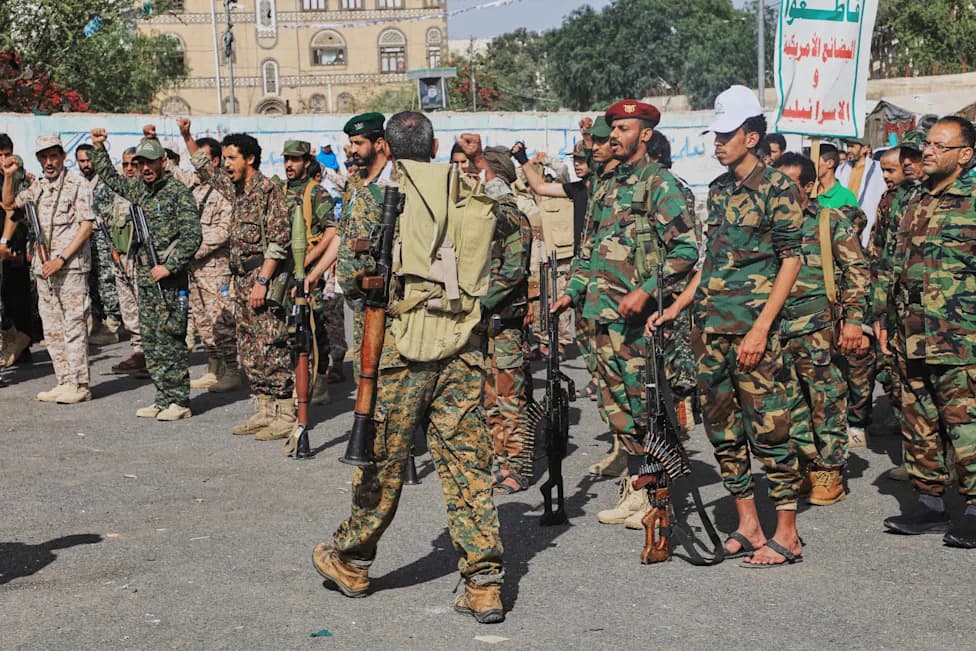
The rebels' advance captured the strategic port city of Mokha and several Red Sea islands, positions that improve their ability to monitor and disrupt shipping through the Bab el‑Mandeb — a chokepoint that normally handles roughly 12% of global trade.
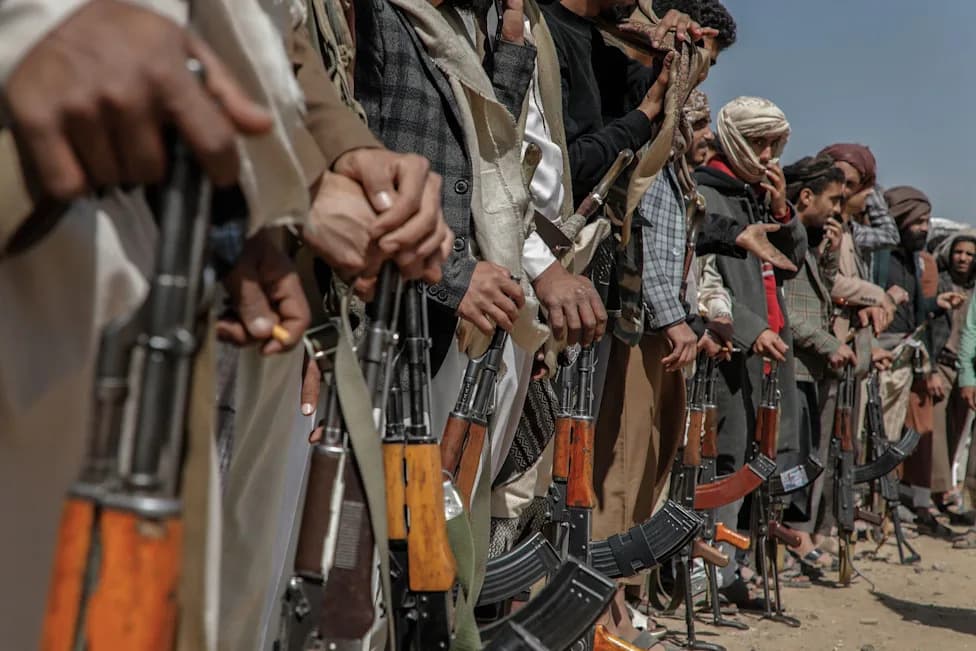
Al-Bukhaiti warned that the Houthis have the capability to fight on multiple fronts if states join Saudi Arabia in military action against them. "Today, Yemen is capable of waging battle — not merely an internal conflict, but an international one as well," he said, arguing that attacks will continue until Riyadh lifts what the Houthis call a decade-long blockade and allows ships to reach Houthi-controlled Red Sea ports.
Broader Context and Humanitarian Toll
The current escalation has undone a 2022 ceasefire that had largely quieted the war. Yemen's conflict began 12 years ago when the Houthis seized much of northern and central Yemen, including Sanaa; the Saudi-led coalition intervened the following year to support the internationally recognized government. According to U.N. estimates, the war has killed at least 150,000 people and pushed the country toward famine.
For now, the U.S. has shown little appetite for direct military involvement. Saudi-backed government forces, long fractured into rival factions, have withdrawn from some areas but say they will regroup. The shifting control of Yemen's western coast has, in Houthi statements, altered the balance of power around the Red Sea shipping corridor.
Note: This version preserves the facts and quotes reported by The Associated Press and reflects statements from Houthi officials and other sources cited in that reporting.
Help us improve.