The parliamentary vote produced a predictable result: United Russia appears set to retain a constitutional majority in the State Duma. Yabloko, the only registered anti-war party, was removed from the party-list ballot 12 days after registration, though about 100 of its candidates still ran in constituencies. Voters near a Moscow refinery struck by a drone attack expressed resignation, and the Kremlin is likely to frame the outcome as a mandate to continue current policies amid lingering fears of renewed mobilisation.
United Russia Poised to Keep Duma Majority — What the Kremlin Might Do Next
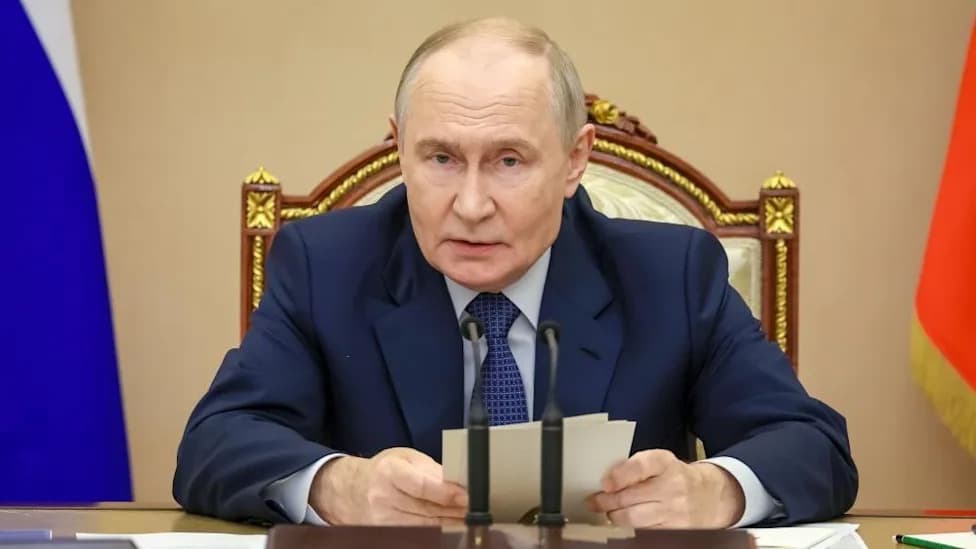
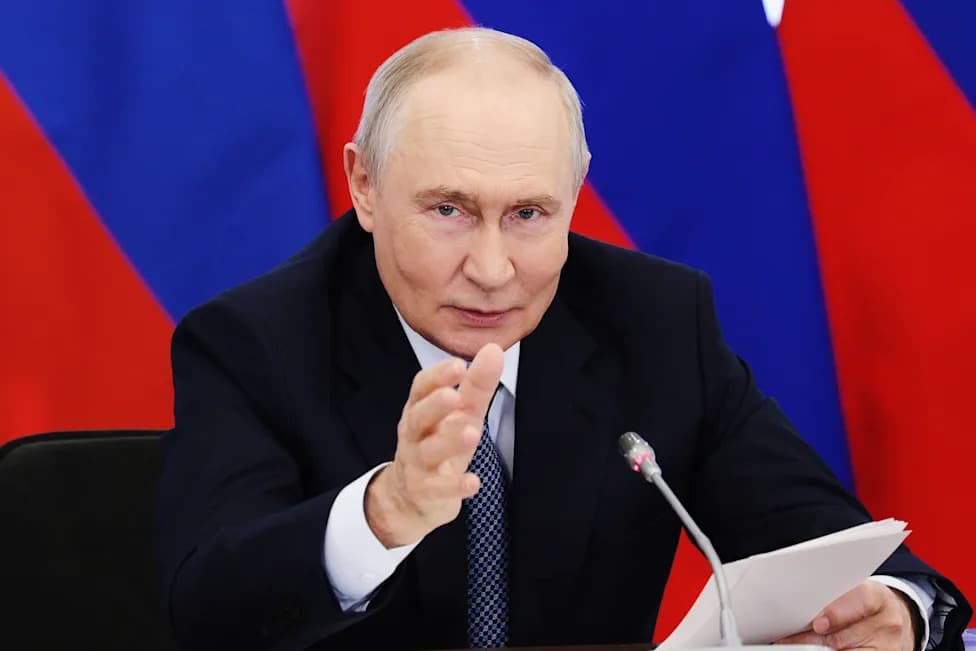
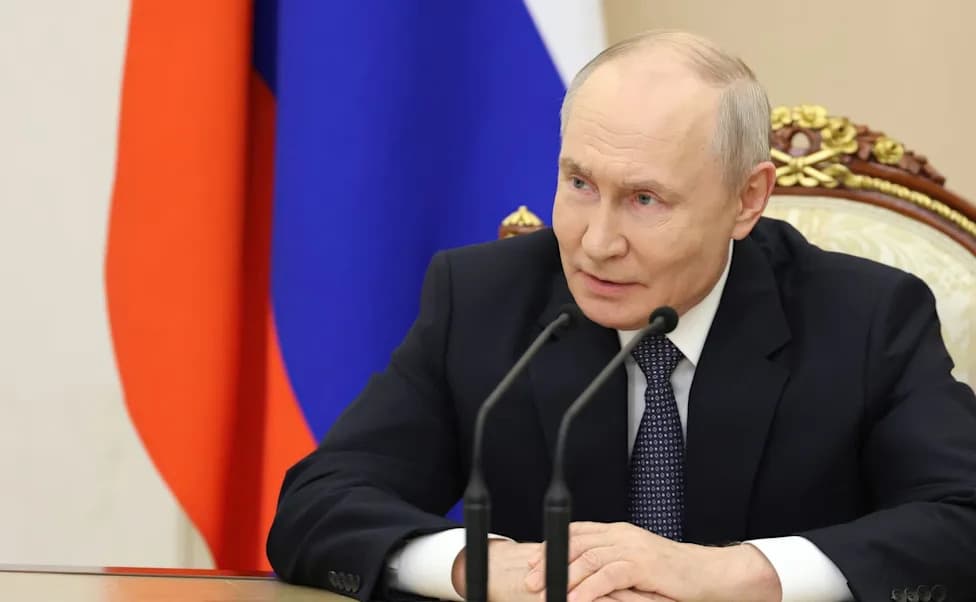
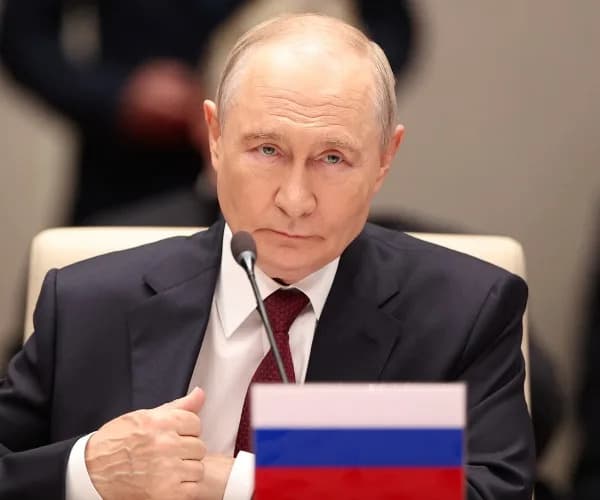
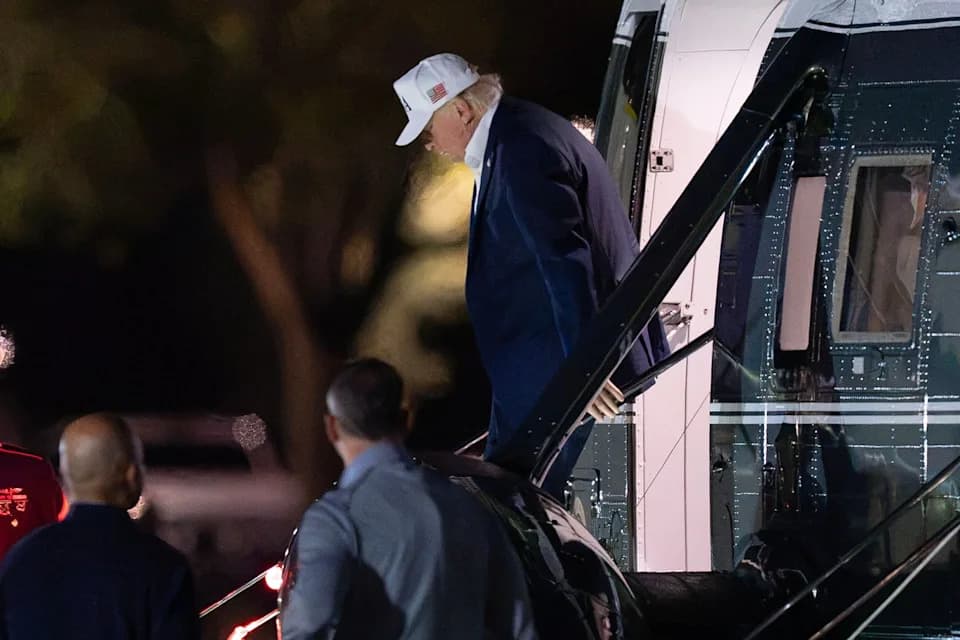
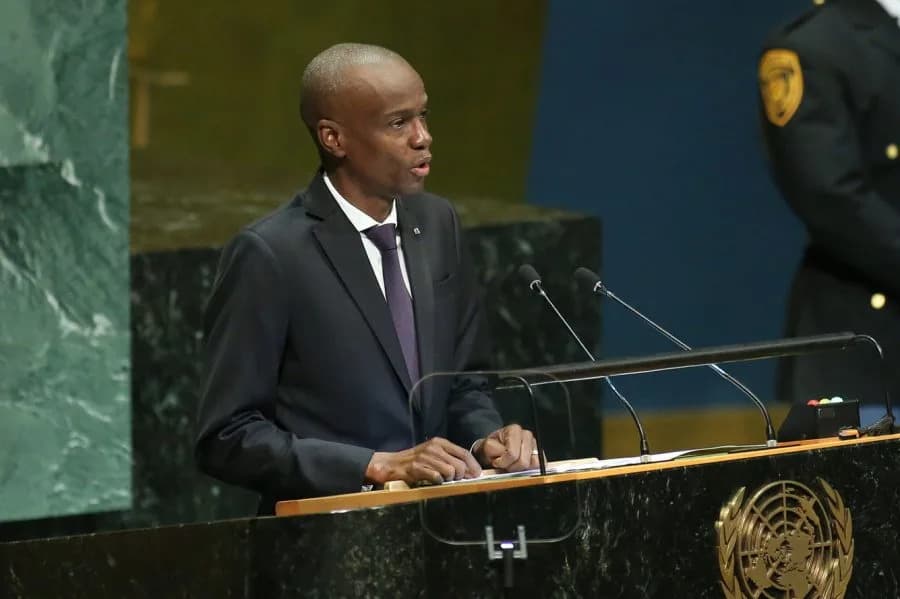
Russian President Vladimir Putin recently ruled out another wave of mobilisation for the Ukraine war [EPA]
Many aspects of Russia’s political life remain hard to predict — but this parliamentary election’s outcome was not among them. Early results show the ruling party, United Russia, on track to retain a constitutional majority in the State Duma, maintaining the status quo in a system tightly managed by the Kremlin.
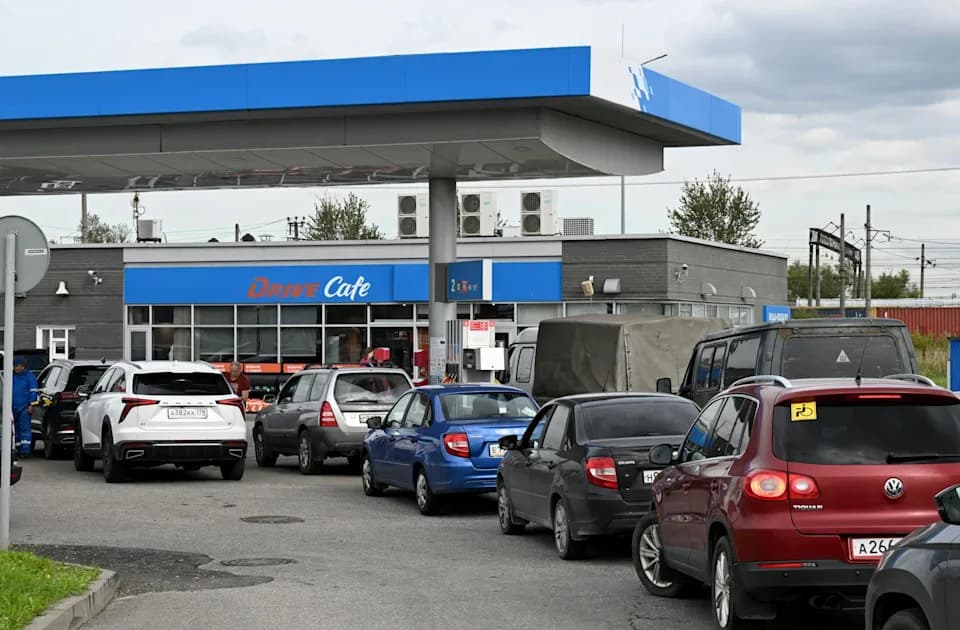
That result comes after more than four and a half years of war with Ukraine, a conflict that has produced heavy battlefield losses for Russian forces, widespread economic strain and periodic disruptions at home, including petrol shortages after Ukrainian drone strikes on oil facilities near Moscow.
What Happened In The Vote
Preliminary tallies indicate that the parties expected to clear the 5% threshold and enter the new Duma are largely the same as those in the outgoing parliament — a Duma that consistently supported the Kremlin’s policies and the so-called “special military operation.” In short: there were no shocks, no credible challengers and no change to the balance of power.
Yabloko And The Narrowing Of Dissent
One notable exception was Yabloko, the only party openly opposing the war that had been permitted to register. Twelve days after registration, the Supreme Court removed Yabloko from the party-list ballot — a move widely interpreted as evidence of concern that its pro-peace message might resonate with voters. Despite that decision, roughly 100 Yabloko-affiliated candidates remained on ballots in individual constituencies, though the party says many of its potential candidates were jailed, barred from running or unable to field election observers.
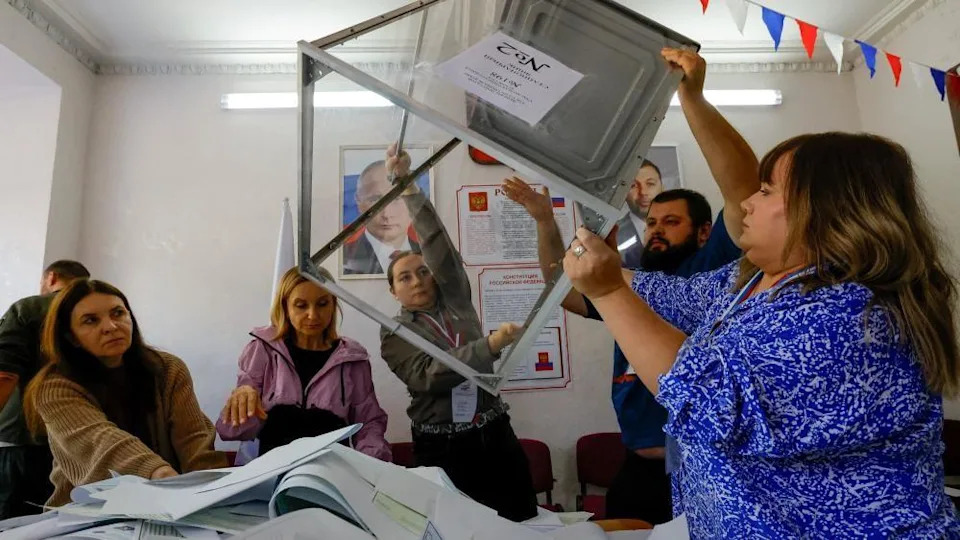
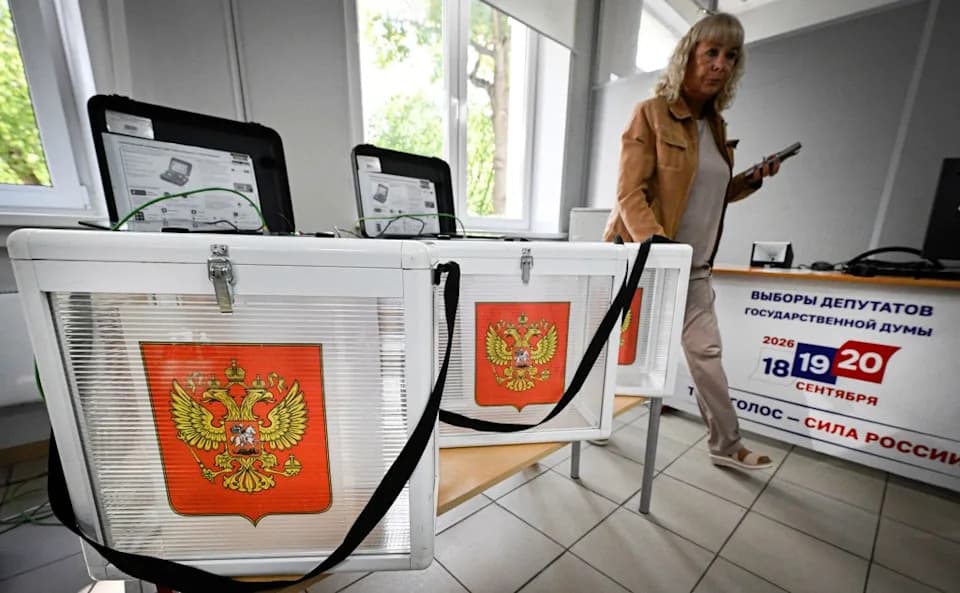
Members of a local electoral commission empty a ballot box before counting votes [EPA]
“What other result can there be if there were 10 parties on the ballot and they all support the policies of [President Vladimir] Putin?” Yabloko chairman Nikolai Rybakov said. “I don't think the Duma will change. They'll vote 100% for the policies of Putin just like they did.”
Voter Mood And The Moscow Drone Strike
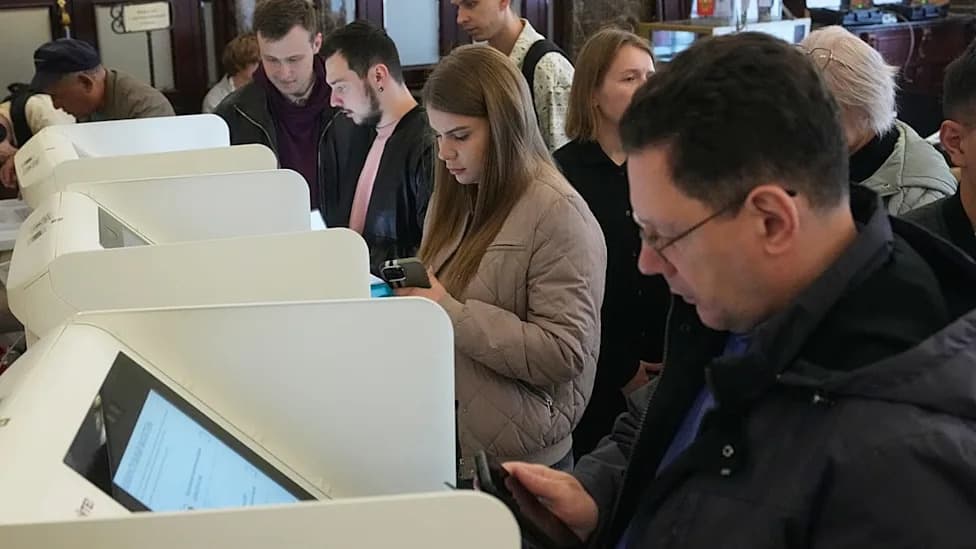
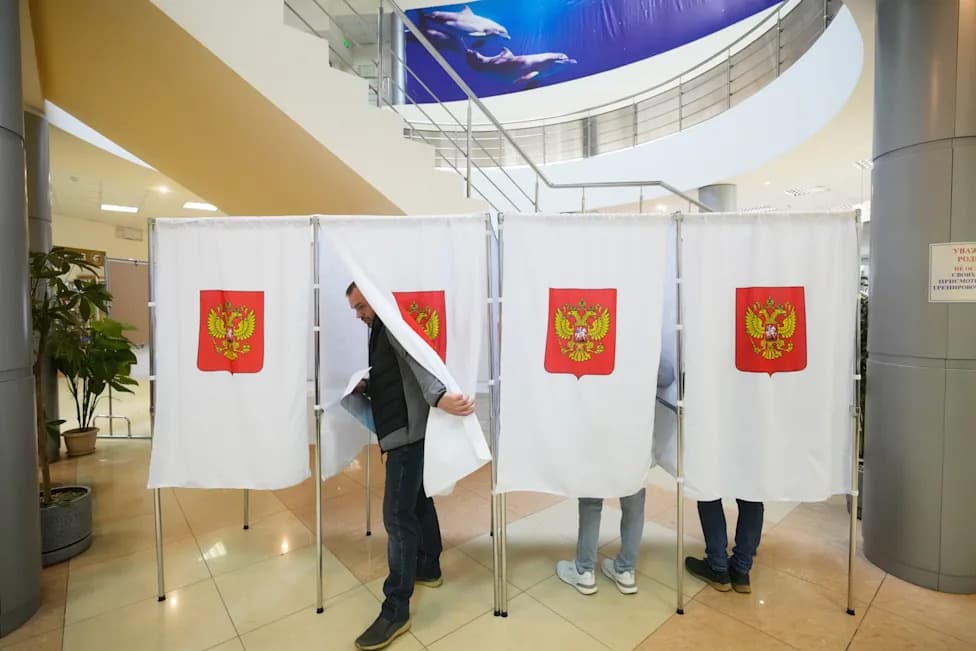
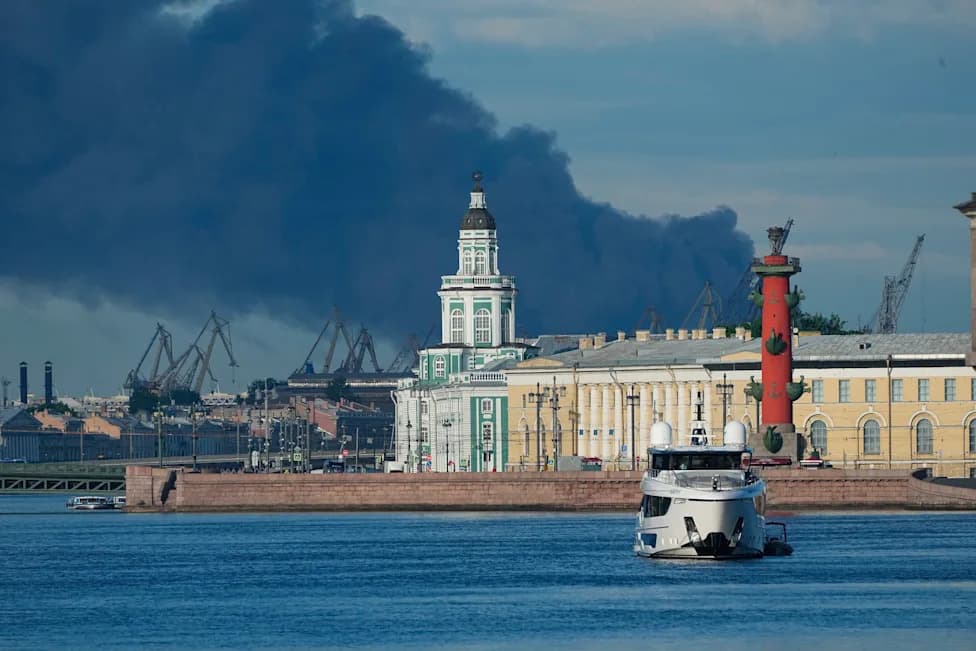
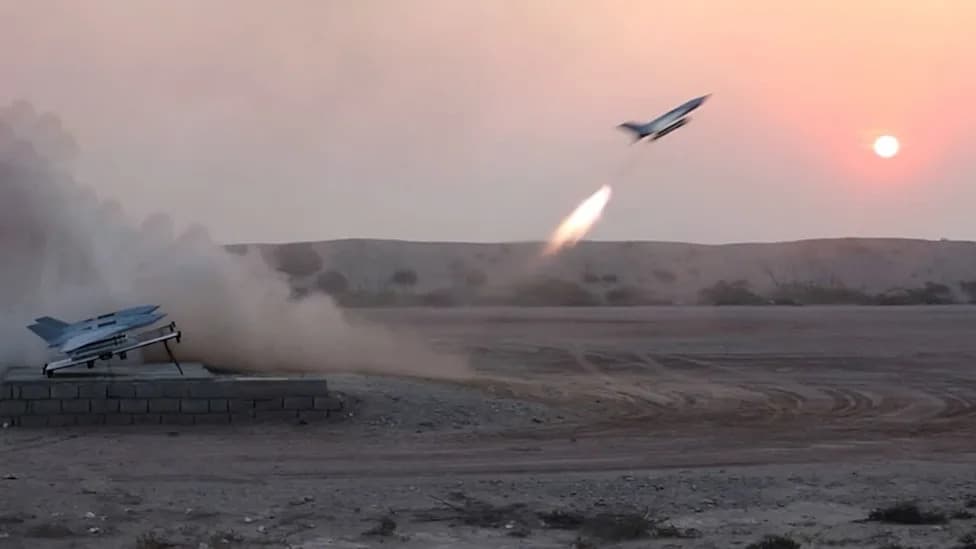
On the final day of the three-day vote, a large-scale drone strike on the Moscow region struck a city oil refinery. At a nearby polling station, Muscovites spoke not with surprise but with quiet resignation. After more than four years of conflict, many have grown used to periodic security incidents: “People in the Donbas, as well as in Bryansk, and Belgorod near the Ukrainian border, hear this kind of thing every day,” one voter, Viktor, said. “They just get on with their lives.”
Why The Outcome Matters — And What Comes Next
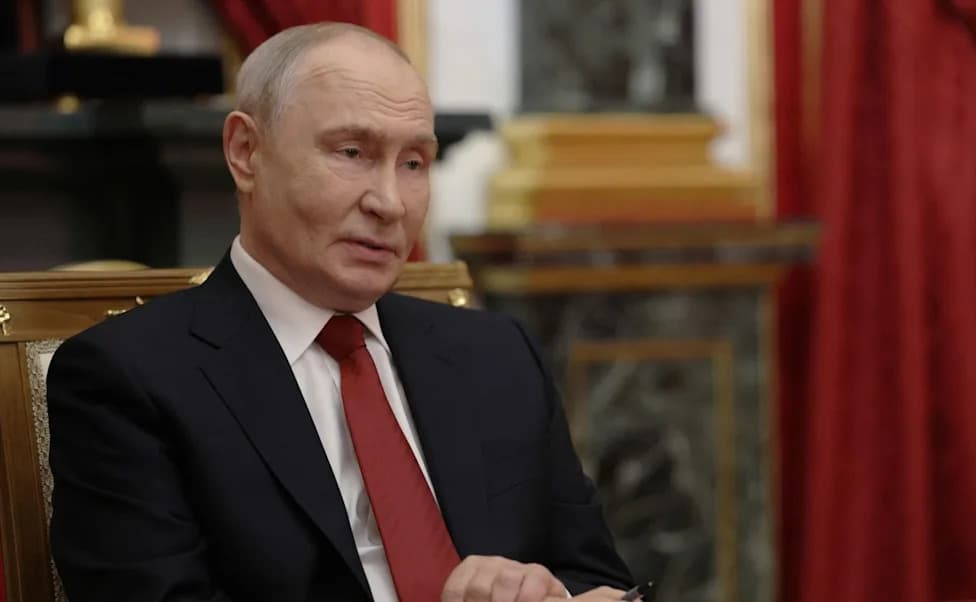
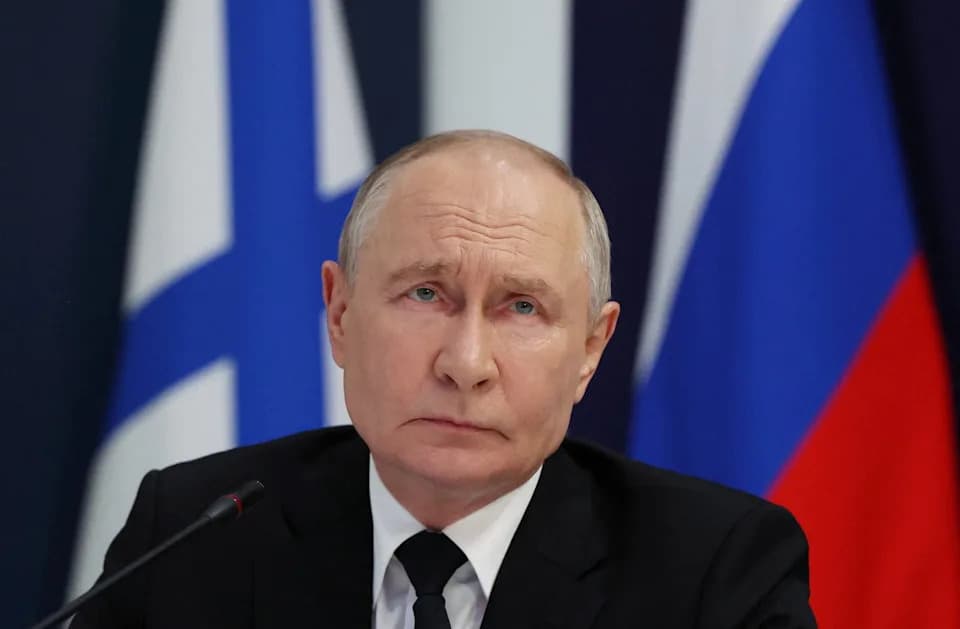
While the result itself was predictable, its implications are less certain. The Kremlin is likely to present the outcome as a popular mandate to back President Putin and to justify continuing the current policy course, including decisions related to the war. President Putin has publicly ruled out another wave of mobilisation, saying, “There is no scenario today that would require it.” Yet anxiety about potential future mobilisation persists in Russian society.
At minimum, the election will probably be used domestically and internationally to claim political legitimacy for forthcoming policy steps. Whether that translates into concrete changes in strategy, the level of repression at home, or escalation abroad remains unclear.
Bottom line: The Duma looks set to remain compliant with the Kremlin, dissenting voices were limited or sidelined, and Russian leaders will likely treat the result as political cover for future decisions — even as many citizens worry about what comes next.
Help us improve.