The accidental discovery of a mass grave in Chemmani, Jaffna, has yielded 572 skeletal remains, including children, and personal items that suggest civilian victims. Preliminary inspections indicate many burials were shallow and inconsistent with normal rites, raising concerns about unlawful killings. The remains are under court custody and await forensic analysis and DNA testing, while families, rights groups and the UN press for an independent, transparent inquiry.
Chemmani Mass Grave: Archaeologists Recover 572 Skeletons — Families Demand DNA Tests and International Inquiry
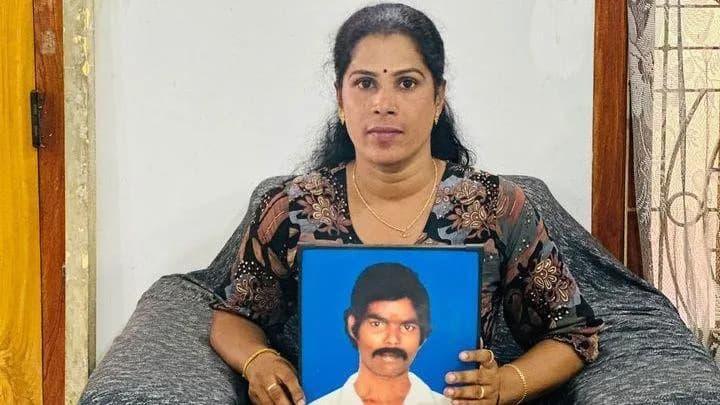
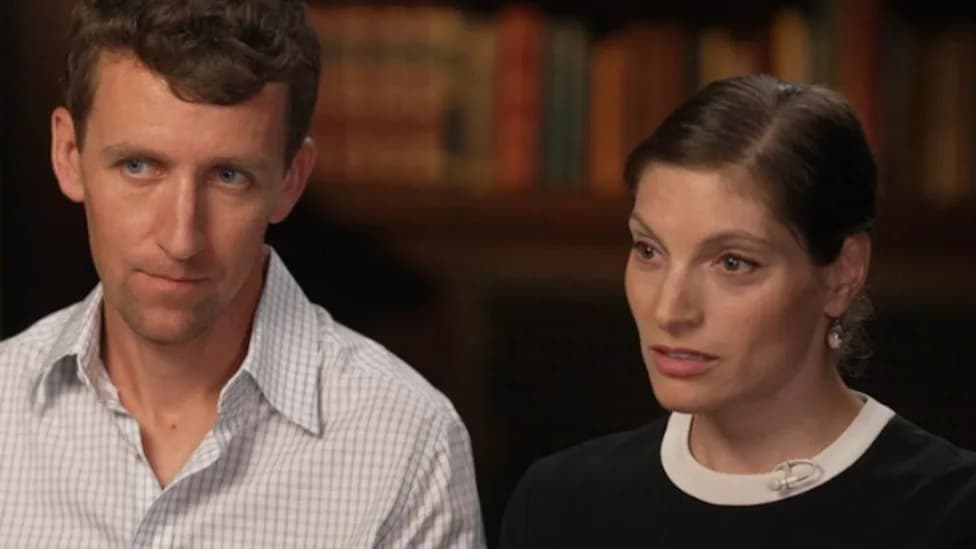
Jeyaruby Jeyabalan was 12 when her father, Kandaiah Jayapalan, disappeared [Ranjan Arun Prasadh, BBC]
Workers expanding a cremation ground in Chemmani, in Sri Lanka's Jaffna peninsula, accidentally uncovered human remains in February, triggering a formal investigation. By August archaeologists completed a third phase of excavation and reported the skeletal remains of 572 people, including children and infants, alongside personal items such as bangles, a school bag and a baby milk bottle.
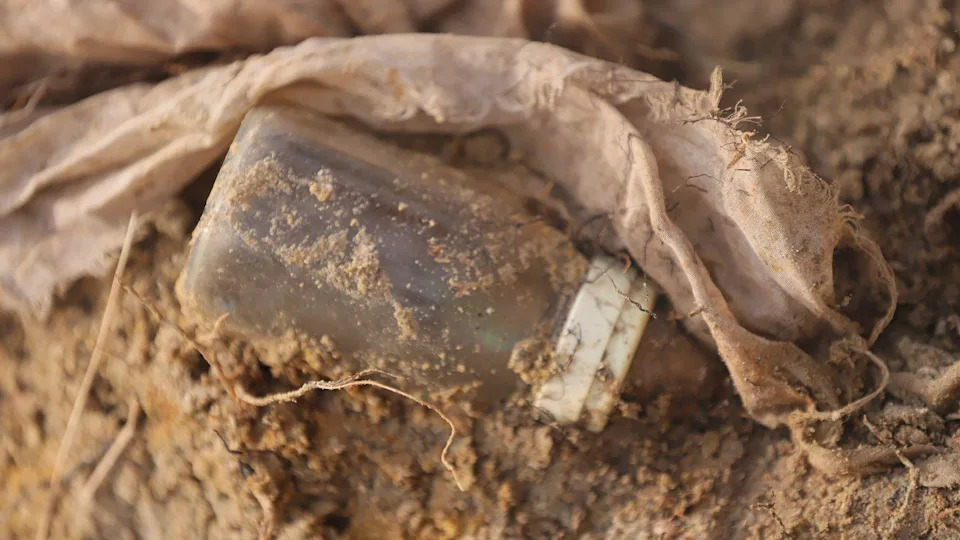
A baby's bottle was among the personal items uncovered at the grave site. [Kumanan Kanapathippillai, BBC]
What Was Found
Investigators say the skeletal remains were often buried shallowly, sometimes stacked or tightly packed, and in many cases found without clothing. Some burials appeared informal rather than consistent with traditional Hindu rites. The scale of the find makes this one of the largest mass-burial sites ever uncovered in Sri Lanka.
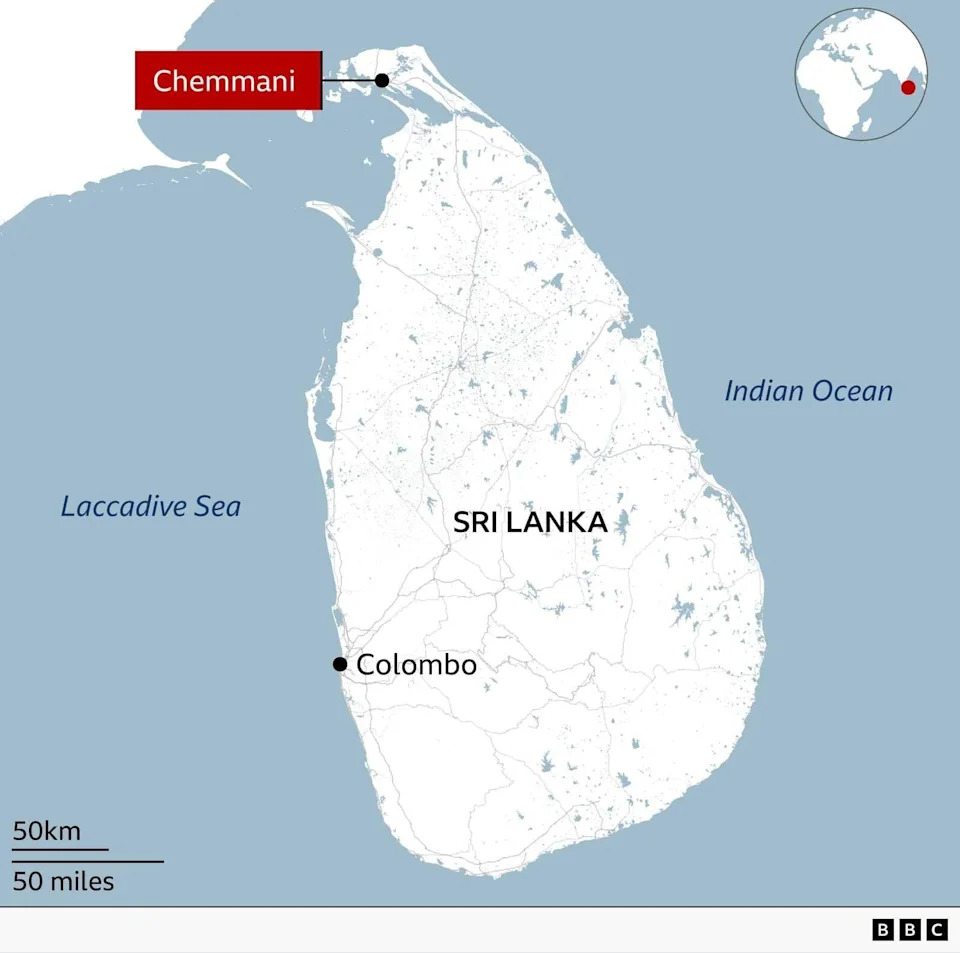
Map of Sri Lanka showing location of Chemmani [BBC]
Background And Local Memory
Sri Lanka's 26-year civil war (1983–2009) left an estimated 100,000 dead and roughly 23,000 people missing, most of them Tamils. The Chemmani area was part of a high-security zone in the late 1990s, with army camps and checkpoints nearby. Families and activists long suspected mass burials in the area; a convicted soldier in a high-profile 1998 trial earlier claimed hundreds had been buried there, prompting a small excavation at the time.
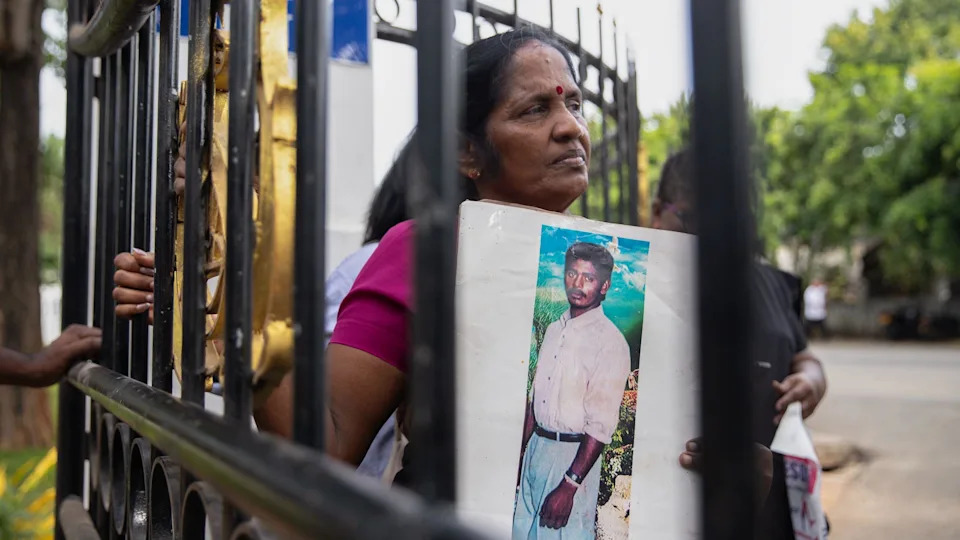
Suseela holds a photograph of her son, Gnanaseelan Ravi, who was picked up by the Sri Lankan military in 2007, when he was 24. [Kumanan Kanapathippillai, BBC]
Families Seeking Answers
"I was 12 when my father was taken by the Sri Lankan army at a checkpoint near Chemmani in September 1996. We still don't know what happened to him,"
— Jeyaruby Jayapalan, whose father Kandaiah Jayapalan is among the disappeared. Relatives such as Jeyaruby and Suseela, who lost her only son in 2007, have attended the excavation site and pressed for DNA testing and transparent forensic work to identify the victims.
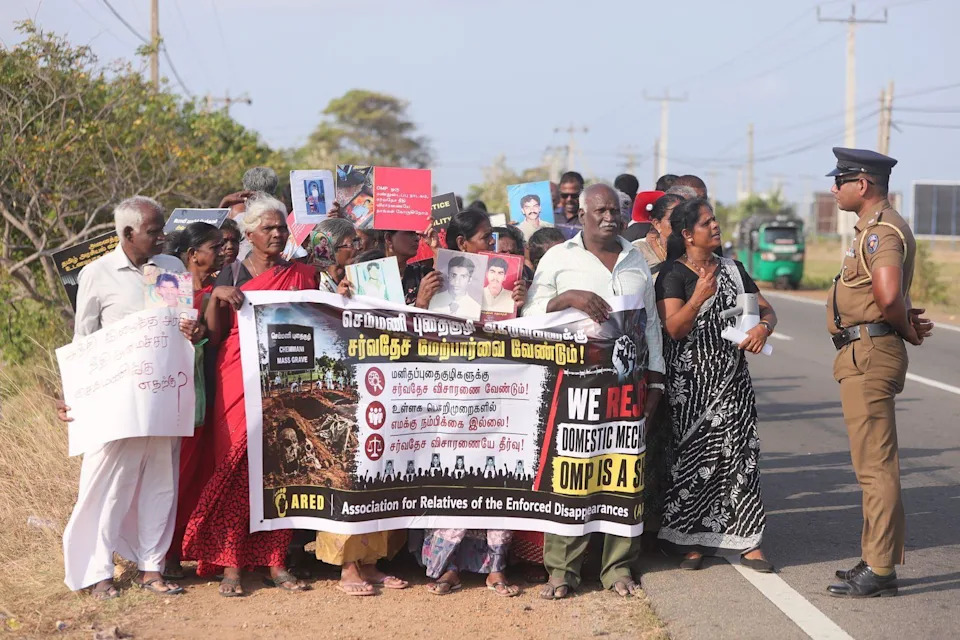
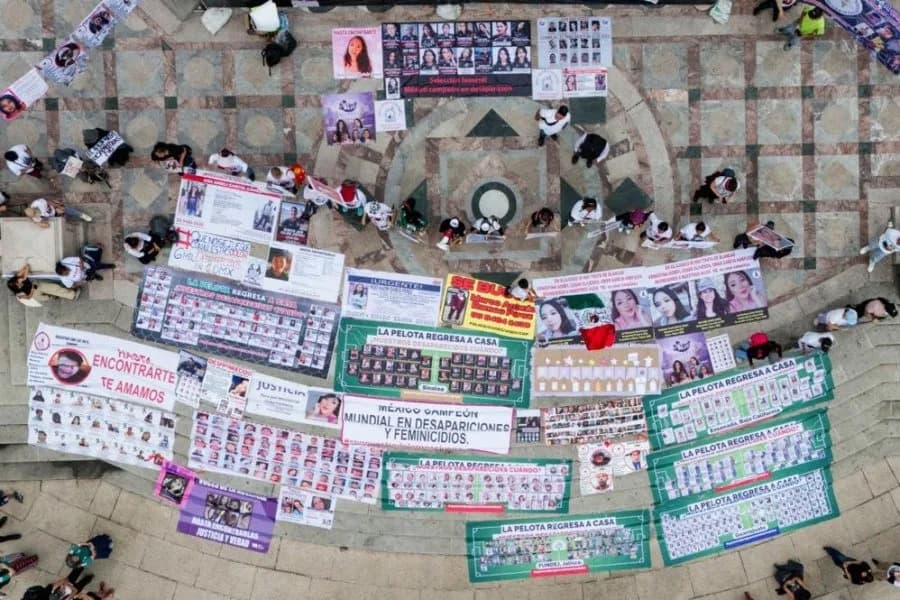
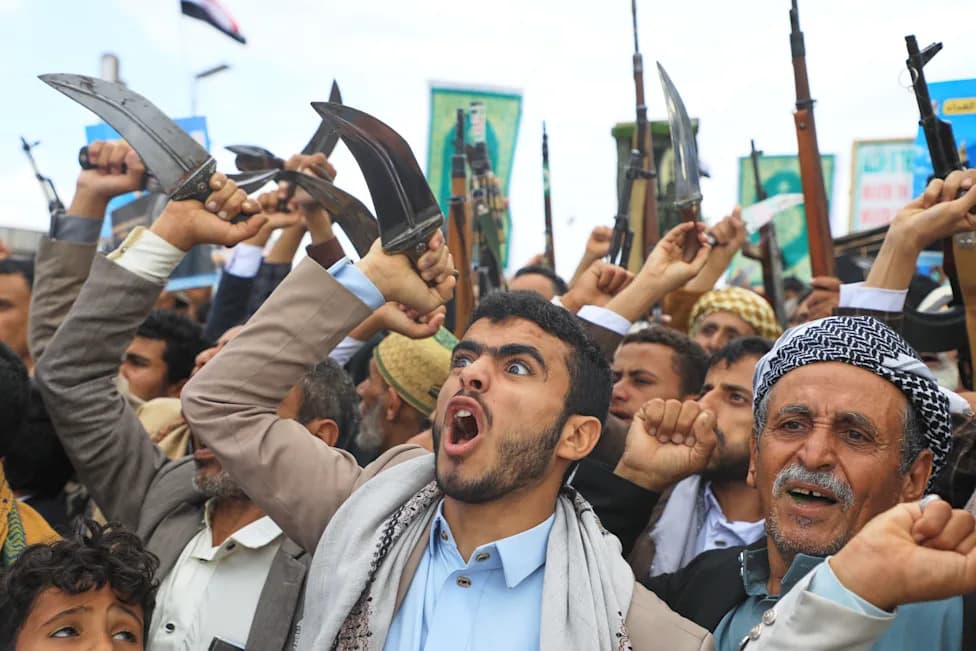
Families of the disappeared are protesting, demanding international investigation into Chemmani mass grave. [Kumanan Kanapathippillai, BBC]
Forensics, Custody And Next Steps
All recovered remains are currently held under court custody at the University of Jaffna's Forensic Department. Prof. Raj Somadeva, the lead archaeologist, said an interim report will be submitted to the court and that samples will be sent overseas for advanced analysis, including dating and medical examinations to determine possible causes of death. Authorities have requested DNA from families to enable future comparisons.
Calls For Accountability
Human rights groups, local activists and the United Nations have urged a thorough, independent investigation. The Human Rights Commission of Sri Lanka noted a "reasonable likelihood" that the burials were unlawful and possibly linked to extrajudicial killings. While President Anura Kumara Dissanayake's government says it is cooperating with the probe, it opposes an international investigative mechanism — a stance that has disappointed many relatives and rights advocates.
Why This Matters
The Chemmani discovery has revived long-simmering anger in Sri Lanka's north and renewed demands for truth, justice and accountability for wartime disappearances. For families who lost loved ones decades ago, forensic identification and transparent legal follow-up are crucial to establishing what happened and preventing impunity.
Help us improve.