Coordinated Ukrainian strikes this week struck a military airfield near Rostov-on-Don and the Slavneft-YANOS refinery in Yaroslavl, demonstrating Kyiv's growing reach. Officials say more than 50 drones were intercepted over the Rostov region, and the IEA warns refinery damage could reduce Russia's baseline oil output by about 30% over the next 18 months. The attacks have tangible effects on civilians in Russia, while Russian strikes on Kyiv injured 20 people, including two children.
Putin Reels After Dual Strikes: Military Airfield Hit Near Rostov and Major Refinery Burns in Yaroslavl

Mikhail Metzel / via REUTERS
Russian President Vladimir Putin is facing renewed domestic and military pressure after coordinated Ukrainian strikes this week hit both a military airfield near Rostov-on-Don and a major oil refinery in Yaroslavl.
The attacks underline Kyiv's growing ability to strike deep inside Russia, hitting logistics and energy hubs as well as military targets. Officials say the combination of drone swarms and precision strikes has posed fresh challenges for Russia's air defenses and infrastructure repair efforts.
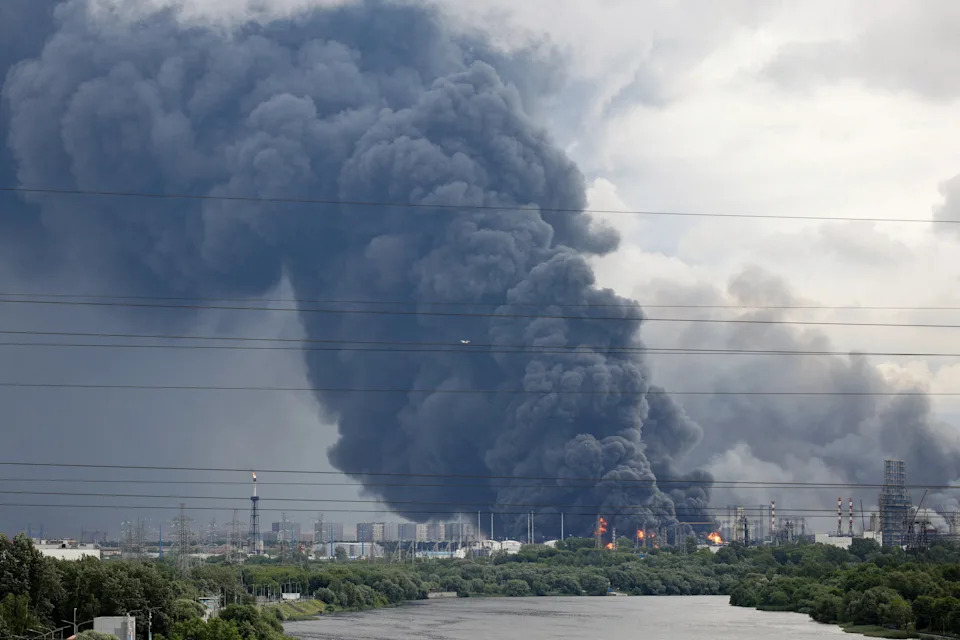
Ukraine has repeatedly targeted the country’s oil refineries to cripple Moscow's economy amid the invasion. / Social media via Reuters
Rostov Incident
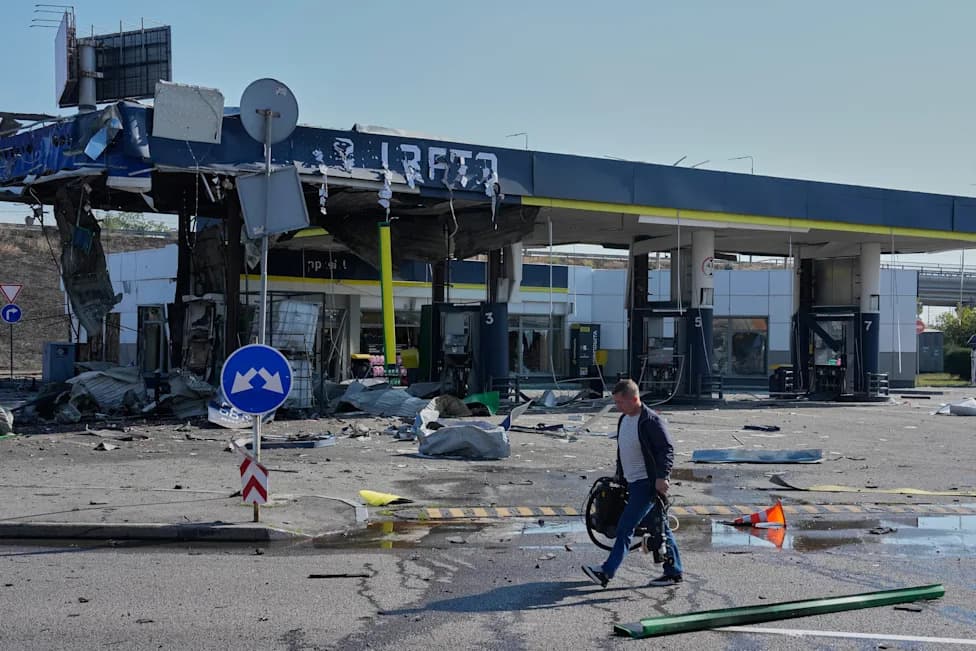
Rostov Governor Yury Slyusar said on Telegram that preliminary information indicated no fatalities or injuries, though debris sparked a ground fire that was quickly extinguished. "The fall of drone debris knocked out power to a transformer substation, disrupting power in the Voroshilovsky, Leninsky, Oktyabrsky, and Kirovsky districts of Rostov," he added. Local reports and open-source outlet Astra identified the affected facility as the Tsentralny military airfield. Slyusar also reported that more than 50 drones were intercepted over cities in the Rostov region overnight.
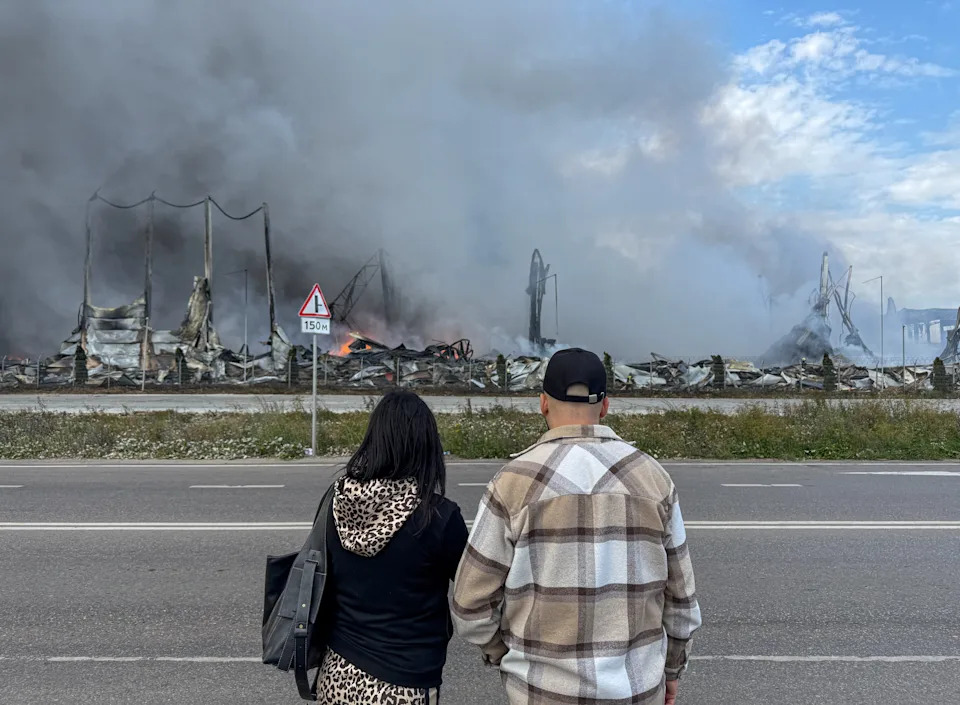
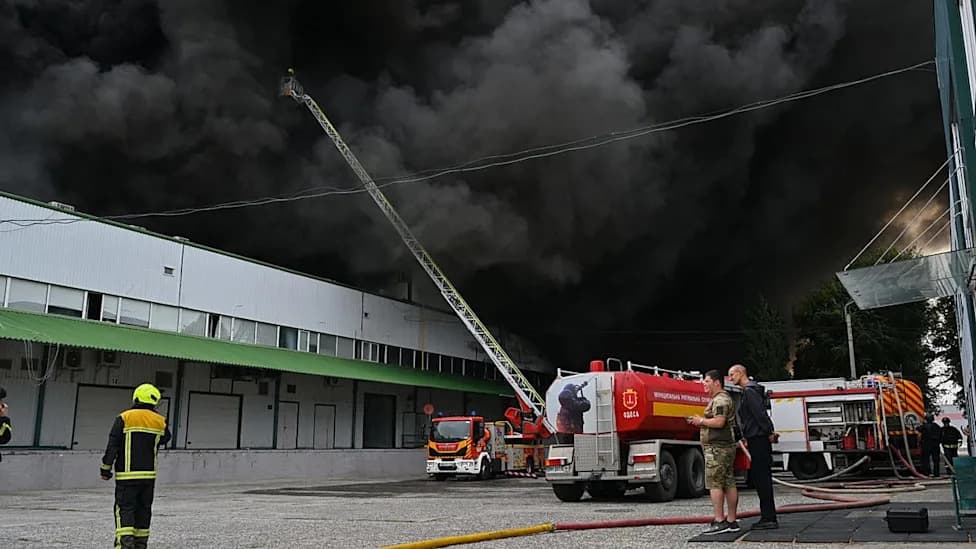
Moscow has been brutalized by Ukrainian drones. Seen here are the burning embers of a Wildberries facility. / Stringer / REUTERS
Yaroslavl Refinery Fire
Yaroslavl Region Governor Mikhail Yevrayev said an oil refinery sustained damage and firefighting operations were underway, with falling debris shattering windows in nearby apartment buildings and damaging vehicles. Astra and the Kyiv Post reported that the Slavneft-YANOS refinery — one of Russia's five largest and processing roughly 16.5 million tons of oil per year — caught fire.
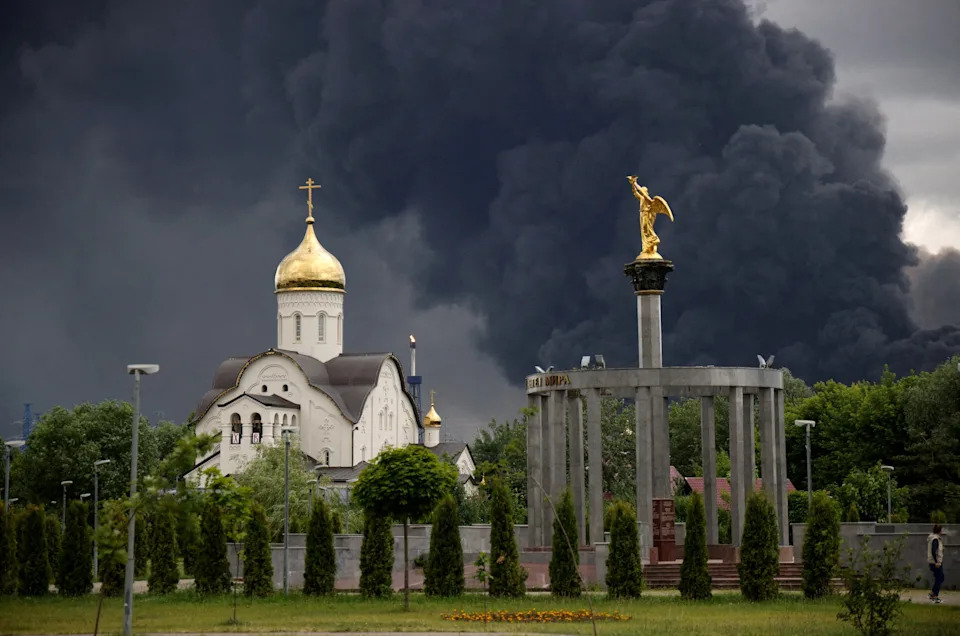
Oil refineries have been one of Ukraine's main targets. / SOCIAL MEDIA / SOCIAL MEDIA via REUTERS
Wider Impact and Energy Outlook
The International Energy Agency (IEA), in a report seen by Bloomberg, warned that persistent drone and missile strikes combined with fragmented repairs could reduce Russia's baseline oil-producing outlook by roughly 30 percent over the next 18 months. The IEA said Ukrainian forces appear to be using multiple drone waves against single sites, overwhelming protective netting and local air defenses, while targeting has become more precise.

Russia has been carrying out its own attacks. Here, an airstrike struck a train’s engine. / Press service of the State Emergency Service of Ukraine in Volyn region/Handout via Reuters
The immediate consequences for ordinary Russians are already visible in long queues at petrol stations and the recurring smell of acrid smoke around damaged facilities.
Reciprocal Strikes
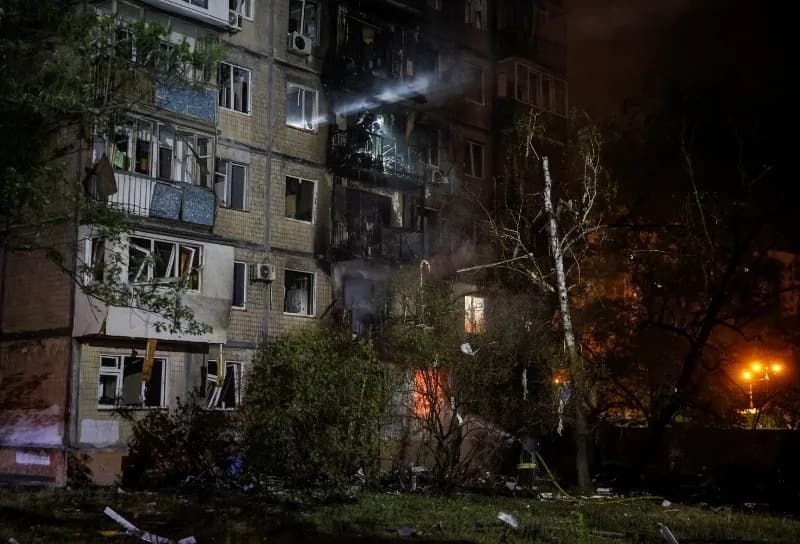
Meanwhile, Russian strikes on Kyiv injured 20 people, including two children. Residents of the Ukrainian capital reported waking to several explosions within minutes early Thursday. Kyiv Mayor Vitali Klitschko urged residents to heed air-raid alerts and stay safe.
Sources: Statements from regional governors on Telegram; open-source outlet Astra; Kyiv Post; IEA report reported by Bloomberg.
Help us improve.