The Basel Action Network warns that AI‑driven hardware retirements could generate between 8.6 and 13.1 million metric tonnes of e‑waste annually by 2030; even conservative estimates remain far above prior forecasts. McKinsey projects nearly $7 trillion in data‑center spending and 220 GW of power demand by 2030. Researchers model about 600,000 asthma cases and 1,300 premature U.S. deaths per year by 2028, with annual health costs of $11.7–$20.9 billion. Policy fixes urged include restoring Clean Air protections, requiring emissions monitoring, right‑to‑repair rules, extended producer responsibility, and stricter waste‑export controls.
Data Center Build-Out Could Create a 'Tsunami' Of E‑Waste — Up To 13 Million Tons By 2030
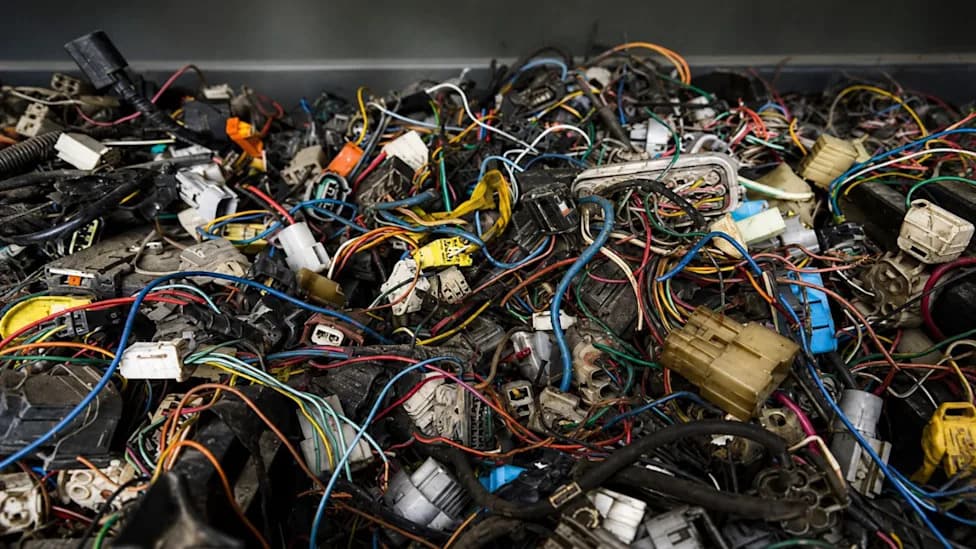
Image: Deposit Photos
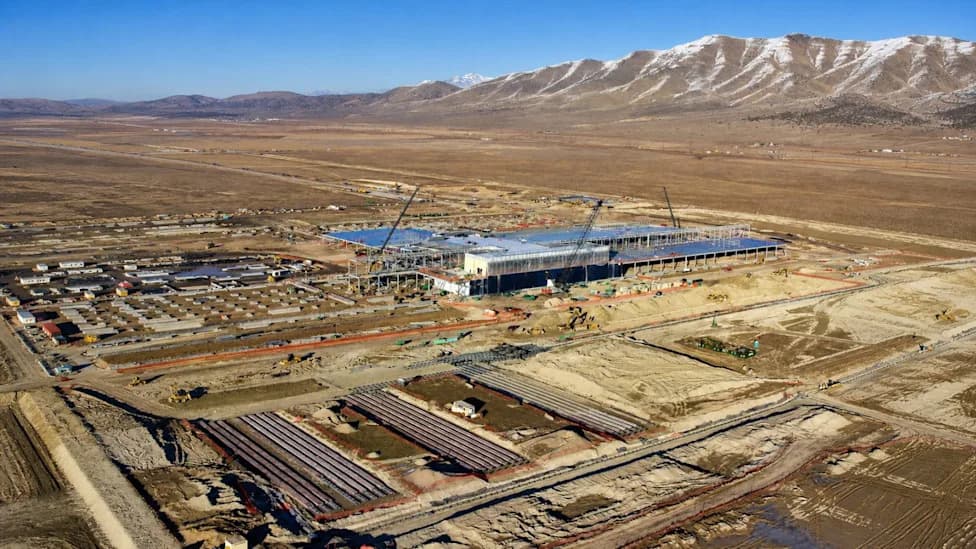
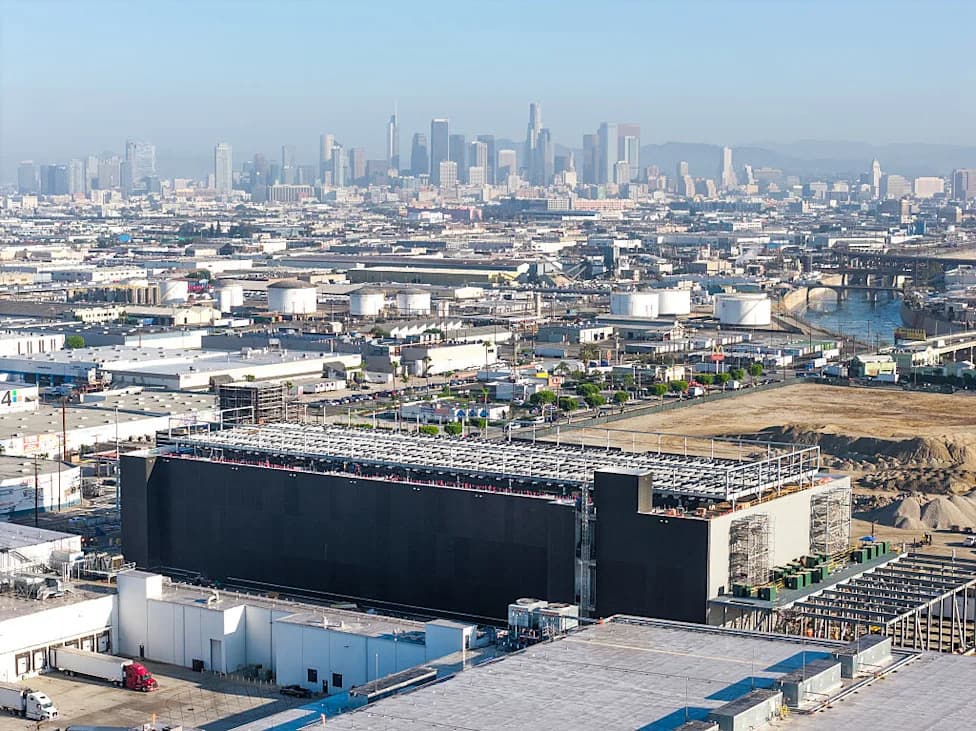
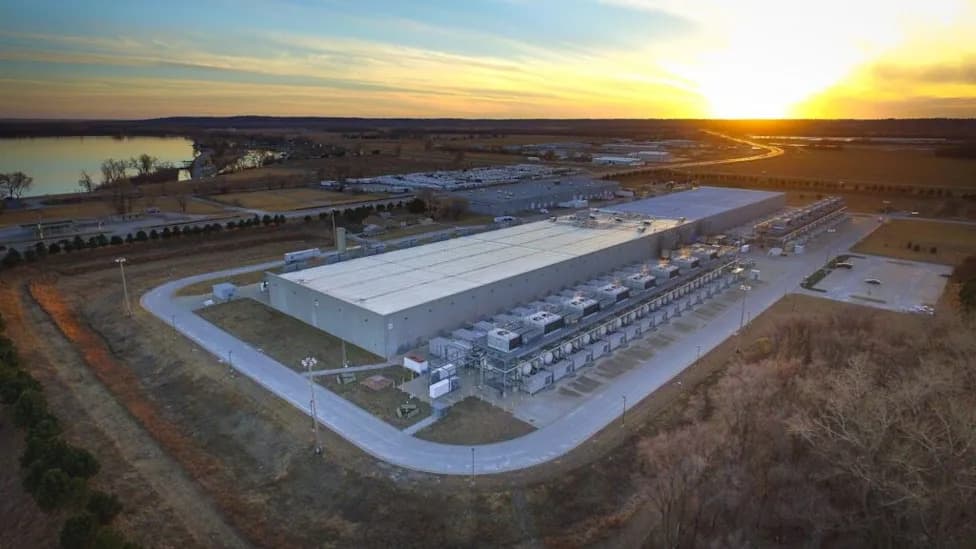
The rapid global expansion of AI and cloud computing risks producing an unprecedented surge of electronic waste. New analyses suggest the coming wave of retirements and infrastructure turnover could outpace the world’s capacity to recycle and manage hazardous materials, with wide social and public‑health consequences.
The Scale Of The Problem
The Basel Action Network (BAN), in its white paper "The Coming AI Waste Wave," projects that AI‑driven equipment retirements could produce between 8.6 and 13.1 million metric tonnes of e‑waste per year by 2030. Even BAN's conservative scenario — which focuses on direct data‑center waste alone — estimates roughly 2.8 million metric tonnes annually by 2030, well above prior forecasts.
McKinsey estimates cumulative data‑center capital spending of nearly $7 trillion by 2030 and projects global data‑center power demand could reach 220 gigawatts by that year, a roughly sixfold rise from 2020 at an approximate 22% compound annual growth rate. The firm also notes 4,871 new U.S. facilities are already in the construction pipeline.
Why BAN's Numbers Are Larger
BAN's accounting goes far beyond servers and GPUs. It includes networking gear, power distribution units, cooling systems, copper cabling, storage hardware, and other supporting equipment. BAN estimates roughly 70,000 metric tonnes of e‑waste per gigawatt of capacity, and notes that each rack of servers weighs about 1,360 kg.
Health, Pollution And Environmental Justice
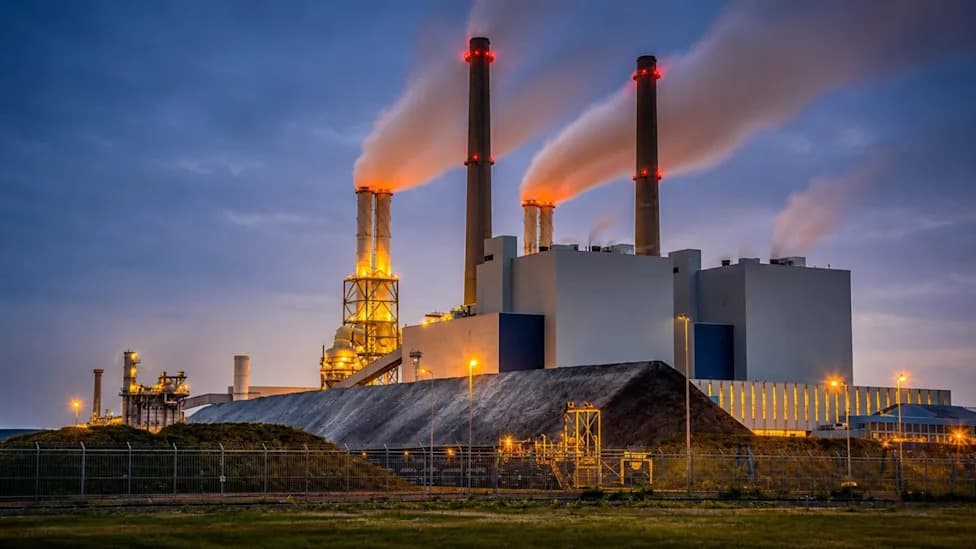
Researchers at UC Riverside, Caltech and the Rochester Institute of Technology, cited by the Environmental Protection Network (EPN), model about 600,000 asthma symptom cases and roughly 1,300 premature deaths per year in the U.S. by around 2028, driven by PM2.5 and nitrogen‑oxide emissions from the power plants and backup generators that serve AI data centers. Estimated annual public‑health costs range from $11.7 billion to $20.9 billion.
Those harms are disproportionately borne by lower‑income and minority communities located near power plants and waste‑disposal sites. Workers in countries that import discarded hardware for informal recycling face acute exposure to lead, mercury, cadmium and PFAS compounds.
"We're doing a terrible job of handling e‑waste in the U.S. Some of it gets dumped overseas. Most of it just gets dumped in landfills." — Vince Beiser, author of Power Metal, as quoted in The Guardian
Regulatory Context And Concerns
Former EPA officials organized as the EPN warn that roughly 30 federal environmental rollbacks since early 2025 have reduced accountability for data‑center operators and their electricity suppliers, worsening projected health impacts. Both recent administrations acknowledged data centers pose public‑health risks related to electricity generation and backup power, but neither has enacted measures at the scale experts say is needed.
Policy And Industry Responses
Policy options advocated by BAN and EPN include:
- Restoring and enforcing Clean Air Act standards and requiring proper emissions monitoring for data centers and on‑site generators.
- Implementing right‑to‑repair laws and extended producer responsibility so manufacturers cover end‑of‑life costs.
- Strengthening controls on waste exports to prevent toxic shipments to lower‑income nations.
- Rebuilding scientific capacity to track health outcomes tied to data‑center emissions.
What Comes Next
Every cloud query, AI image, and chatbot session runs on hardware often designed for a two‑to‑five‑year replacement cycle. The central question is no longer whether a waste wave will arrive, but whether governments and the companies profiting from the build‑out will be held responsible for preventing environmental harm and managing end‑of‑life materials safely.
Help us improve.