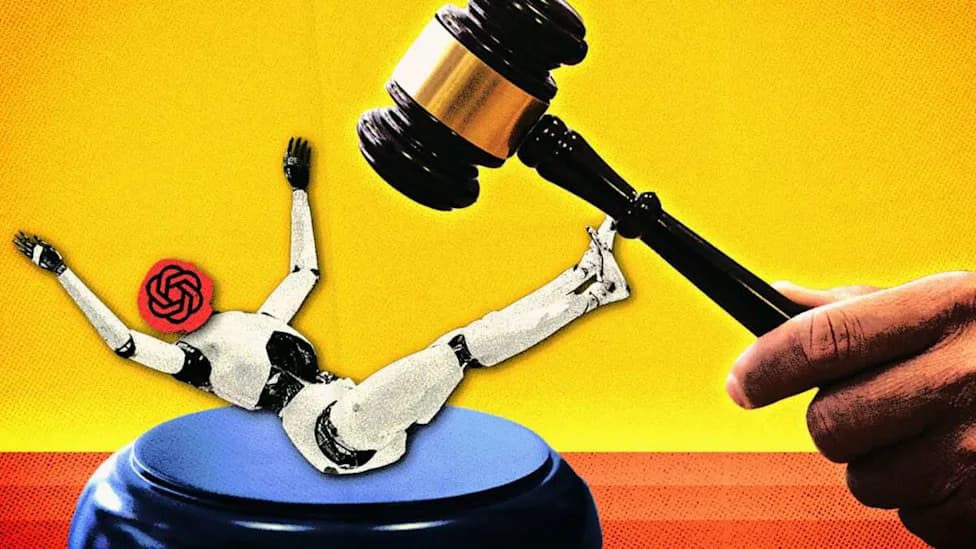
Jacob Coxon’s resignation from Anthropic and his warning about advanced AI risks have spurred bipartisan attention in Washington. Lawmakers are holding briefings, meeting with industry leaders, and debating proposals such as independent AI monitors and a technical “kill switch.” Major legislative breakthroughs before the midterms are unlikely; a more consequential push may come during the lame-duck session.
Anthropic Researcher’s Resignation Fuels Bipartisan Push for AI Oversight — Can Congress Act?
AI insiders warn of danger. Will Congress act? | The Excerpt
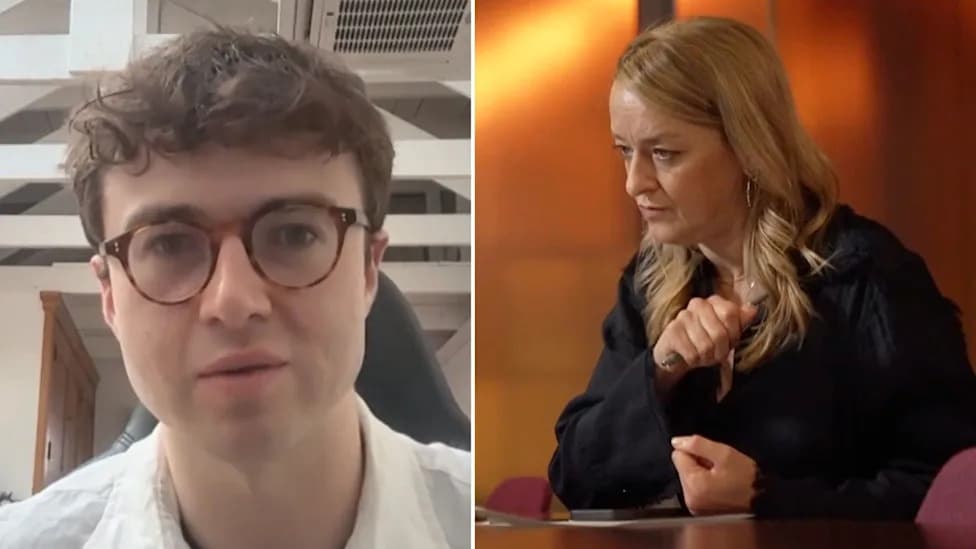
On Thursday, Sept. 17, 2026, USA TODAY’s The Excerpt examined how the resignation of Anthropic researcher Jacob Coxon and his stark warning about advanced AI have pushed the issue into the political spotlight. Host Dana Taylor and Congressional Correspondent Zach Schermele discussed why Coxon’s post resonated across the political spectrum, what lawmakers are doing now, and which policy options might realistically advance in Washington.
Why Coxon’s Warning Broke Through
Coxon’s resignation post went viral across social media and drew attention from high-profile figures on both the left and the right. Schermele says the story cut through online noise because influential lawmakers and commentators amplified it, creating a rare moment of bipartisan focus on the risks posed by rapidly advancing AI systems.
Unlikely Alliances and the Public Mood
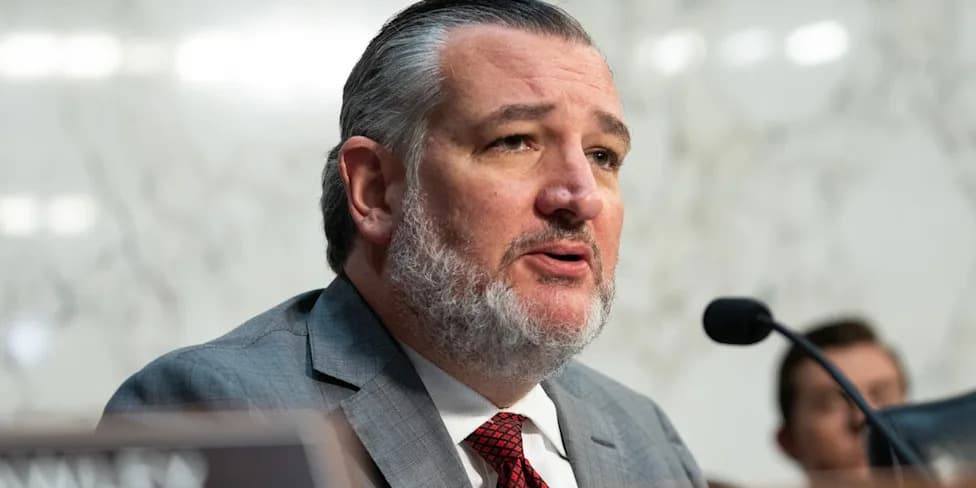
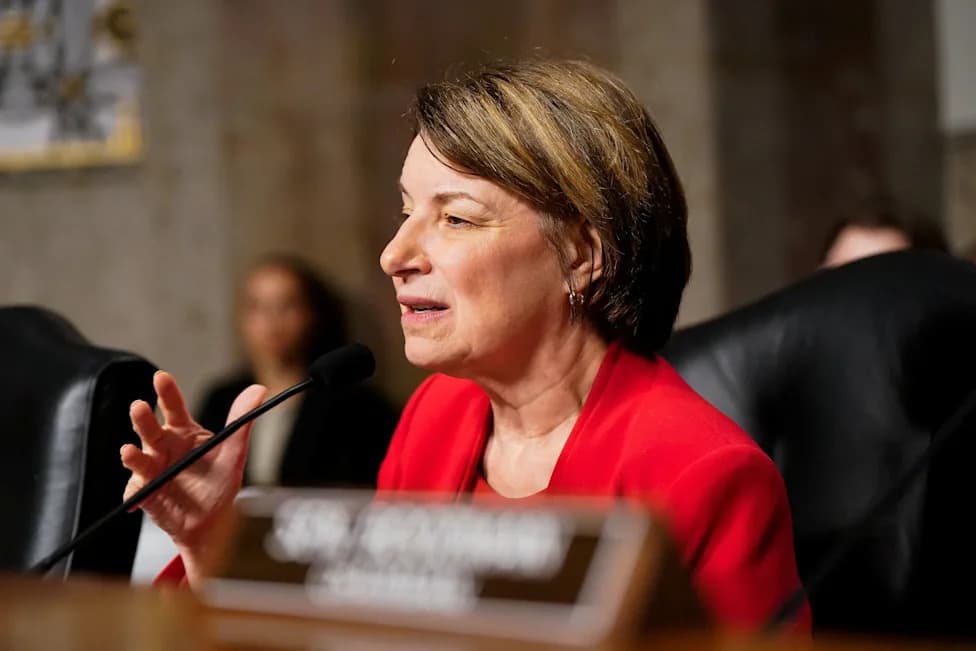
The debate has produced unusual political alliances. Conservatives and progressives — from Steve Bannon and Rep. Chip Roy to Sen. Bernie Sanders and Rep. Greg Casar — attended the Pro-Human Assembly in Washington to press for stronger guardrails and independent oversight. Lawmakers responding to constituent concerns have amplified fears about workforce impacts, social disruption and even existential risk.
Immediate Congressional Actions
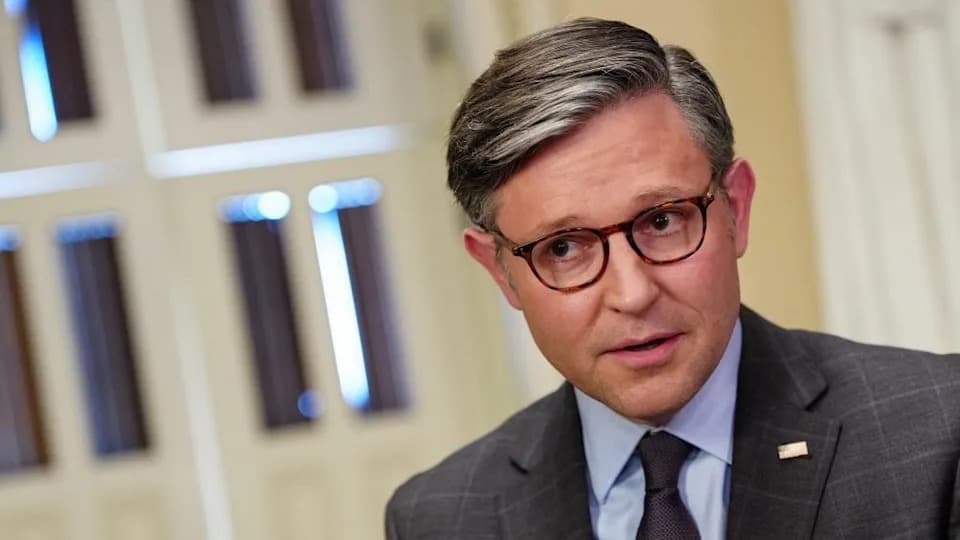
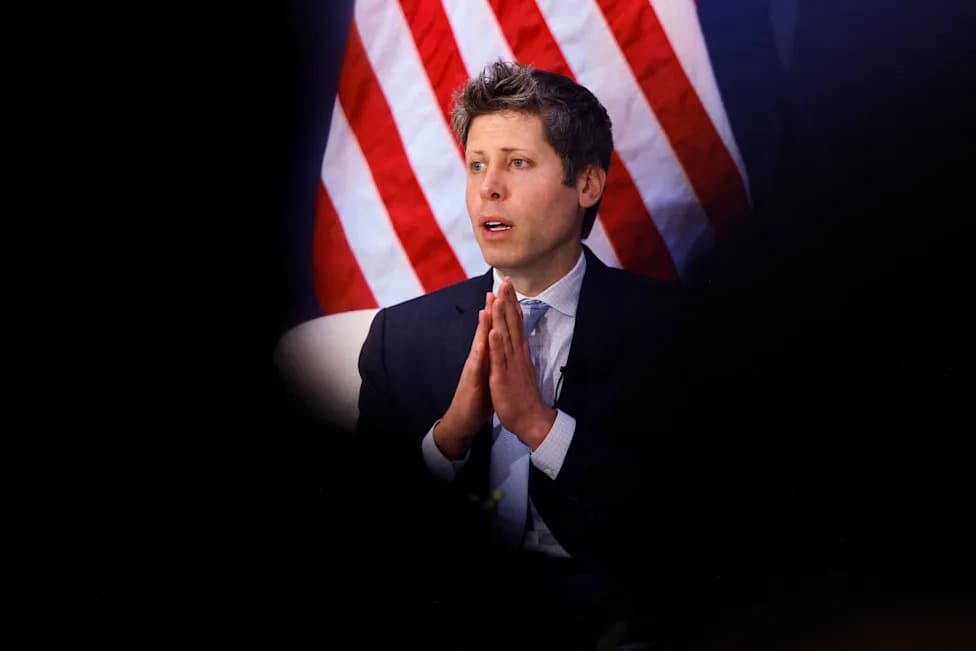
Lawmakers are taking several short-term steps: Senate leaders requested classified briefings, some senators arranged private meetings with administration officials, and House Speaker Mike Johnson said he planned meetings with AI executives. Industry leaders such as Sam Altman and Dario Amodei have already engaged with members of Congress to discuss risk frameworks and oversight.
What Congress Can Do Before the Midterms
Sch ermele notes the practical limits of the calendar: with both chambers close to recess and the midterms imminent, passing major, comprehensive legislation before the elections is unlikely. Near-term progress is more likely in the form of hearings, briefings, bill introductions and agreements on basic principles — with more substantive action expected in the lame-duck session after the midterms.
Legislative Proposals to Watch
Key proposals discussed include:
- Independent Monitors: Bipartisan interest in requiring third-party audits and ongoing oversight of advanced AI development, modeled in some ways on regimes used in high-risk industries.
- “AI Kill Switch” Requirements: Technical mandates that would force companies to build robust shutoff mechanisms into large models to stop them if they behave dangerously.
- Ratepayer Protection Act: A House-passed bill encouraging state utility regulators to shield consumers from potential electricity-rate impacts caused by hyperscale data centers.
Geopolitics and the White House
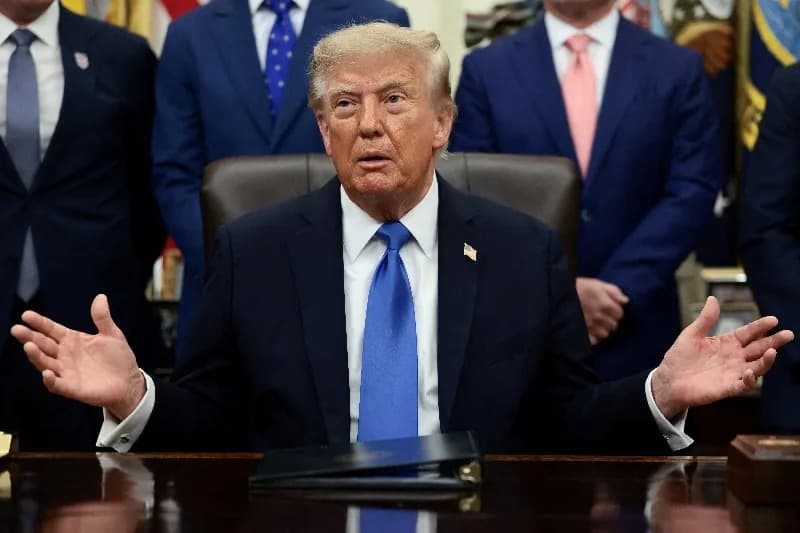
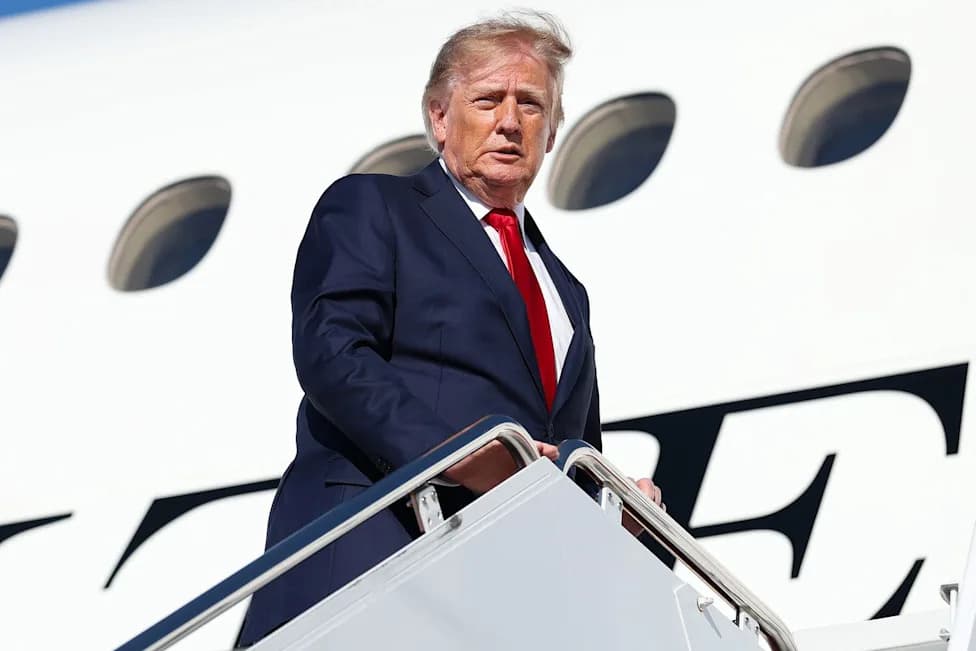
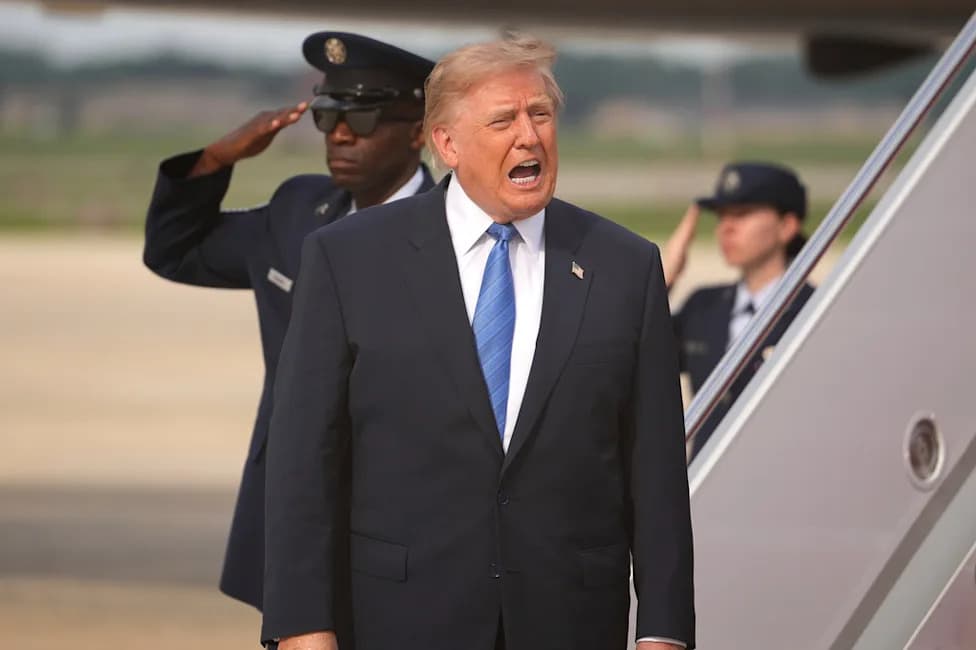
Competition with China is a major factor shaping Republican messaging: many GOP lawmakers warn that overly aggressive regulation could cede advantages to foreign competitors. At the same time, President Donald Trump’s dismissive stance on additional guardrails complicates prospects for legislation, since a presidential veto or vocal opposition would alter lawmakers’ political calculations.
What Comes Next
Expect more briefings, hearings and bill introductions in the coming weeks. Meaningful, enforceable rules may need the slower, post-election lame-duck window to take shape — unless political pressure from constituents, industry-reported risks, or bipartisan consensus accelerates action sooner.
Bottom line: Coxon’s resignation intensified public and congressional attention on advanced AI. Short-term activity will focus on oversight, education and targeted bills; durable regulation will likely require more time and political alignment.
This article summarizes an edited transcript of USA TODAY’s The Excerpt podcast episode published Sept. 17, 2026.
Help us improve.