A 3-year-old with chemotherapy-resistant metastatic hepatoblastoma achieved durable remission after two outpatient infusions of glypican-3–targeted CAR T cells coexpressing IL-15 and IL-21, according to a Sept. 9 report in The New England Journal of Medicine. Imaging showed a partial response after the first dose and complete regression after the second, with the child disease-free at 12 months. No systemic toxic effects were reported, though this is a single-case result that requires confirmation in larger trials.
3-Year-Old’s Chemotherapy-Resistant Liver Cancer Enters Remission After Two Doses of Experimental CAR T Therapy
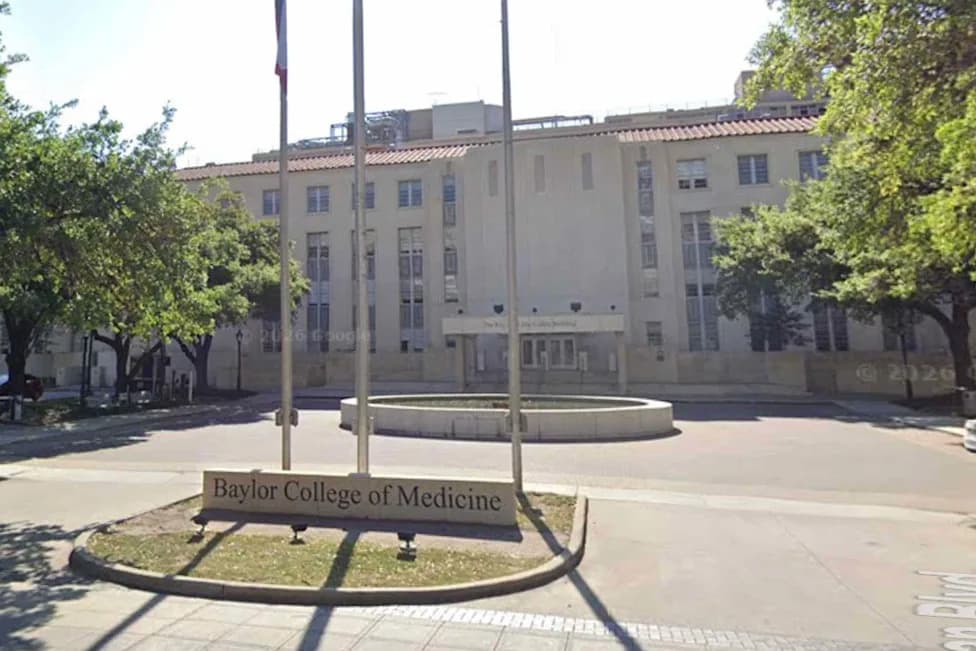
Baylor College of MedicineCredit: google maps
A 3-year-old boy with metastatic, chemotherapy-resistant hepatoblastoma achieved a durable remission after receiving two outpatient infusions of an investigational glypican-3–targeted CAR T-cell therapy, researchers reported in The New England Journal of Medicine on Sept. 9.
Case Details
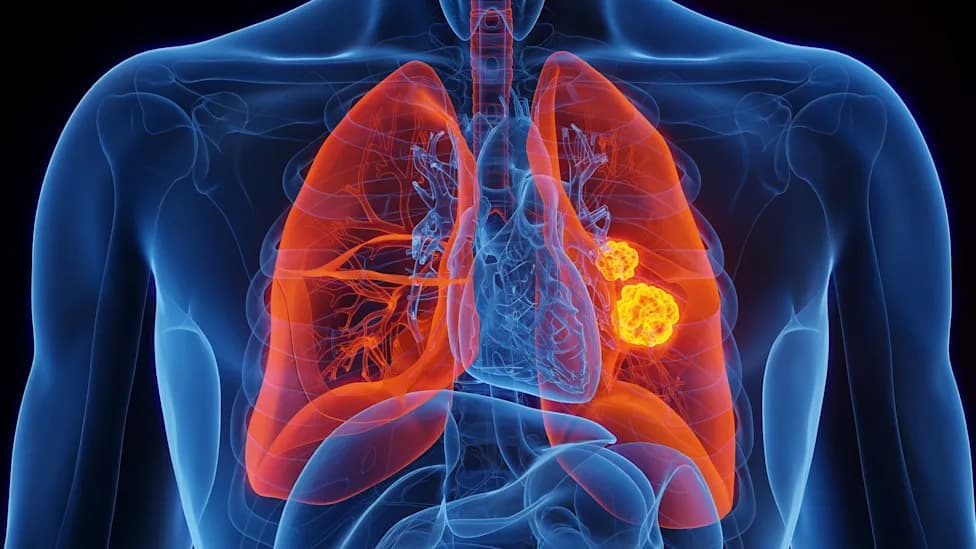
The child, whose name was not released, had an 11.2 cm by 9.6 cm by 7.1 cm mass in the left lobe of his liver. He previously received three lines of chemotherapy, underwent complete surgical resection of the primary liver tumor and two pulmonary metastasectomies, but experienced rapid recurrence after his last metastasectomy.
Investigational Treatment
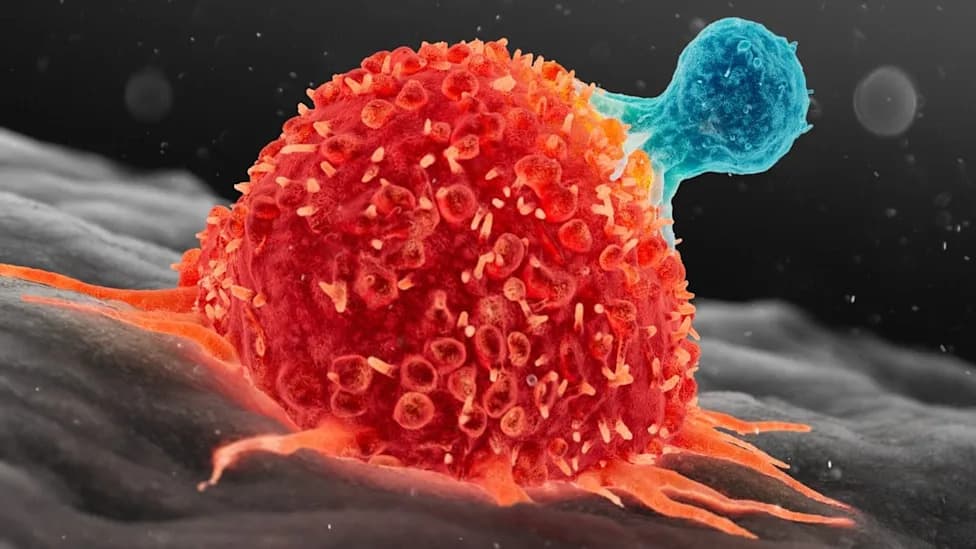
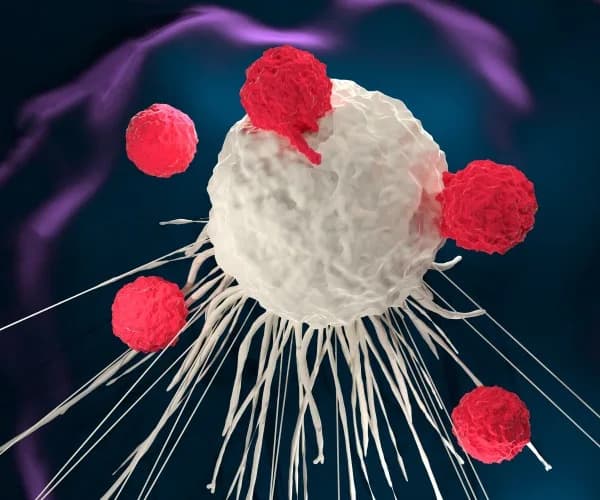
Enrolled in the CARE study (Chimeric Antigen Receptor Expressed in T-Cells for Pediatric Solid Tumors), the boy received two infusions of 15.21.GPC3-CAR T cells. These cells were engineered to target glypican-3 and to coexpress interleukin-15 and interleukin-21 (IL-15 and IL-21), cytokines intended to enhance T-cell activity and persistence.
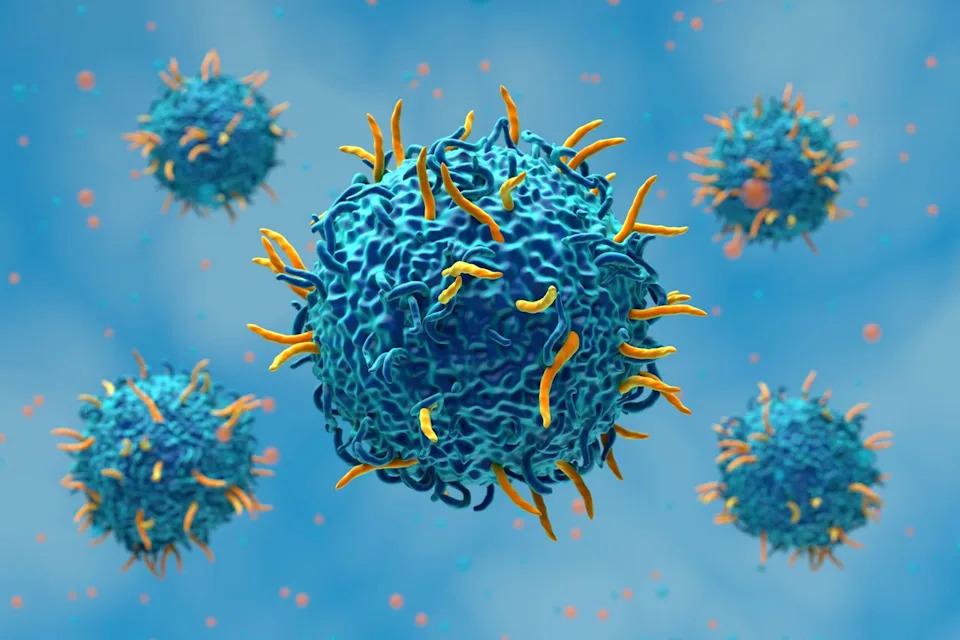
stock image of chimeric antigen receptorsCredit: getty
Outcome
After the first infusion, imaging showed a partial response. Following the second infusion—administered without lymphodepletion—imaging demonstrated resolution of metastatic disease with only residual scarring. The investigators reported a complete regression that persisted for at least 12 months, and the child remained disease-free at the one-year mark.
"This case shows that a durable complete remission in a patient with a chemotherapy-resistant solid tumor can be achieved entirely in the outpatient setting without systemic toxic effects," said Dr. David Steffin, the study's first author and associate chief of cellular therapy and bone marrow transplant at Texas Children's Hospital.
Safety and Collaboration
The team reported no systemic toxic effects during the outpatient treatment course. The multidisciplinary study team included clinicians and researchers from Baylor College of Medicine, Texas Children's Hospital, Fred Hutchinson Cancer Center, Seattle Children's Hospital, and the Houston Methodist Research Institute.
Context and Caveats
Hepatoblastoma is the most common pediatric liver cancer and typically affects children under age three. While this single-case result is highly encouraging for glypican-3–targeted CAR T cells expressing IL-15 and IL-21, it remains an early finding; larger studies will be needed to confirm efficacy, safety, and durability across more patients.
Help us improve.