A comprehensive satellite study finds Greenland and Antarctica have lost about 12.5 trillion tonnes of ice since the 1970s, adding roughly 3.2 cm to global sea levels. Losses accelerated from the 1990s and were strongest in the 2010s. About 84% of the ice loss is due to increased glacier discharge driven by warmer oceans, with surface melting accounting for the rest. A brief slowdown in 2020–2023 is attributed to short-term weather, not a reversal of the trend.
12.5 Trillion Tonnes of Ice Lost Since 1979 — Greenland and Antarctica Raised Sea Levels by ~3.2 cm
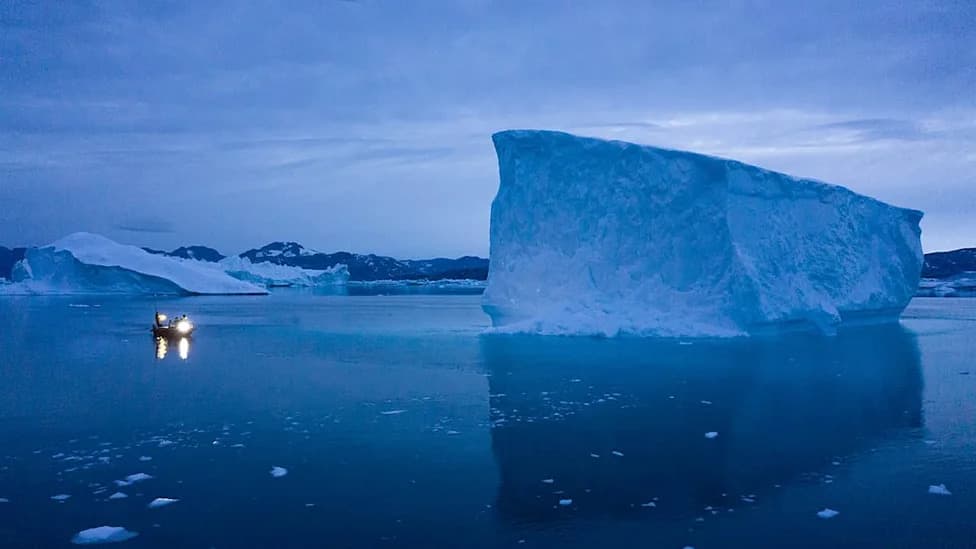
Greenland and Antarctica have lost 12 trillion tonnes of ice since 1979
A major new study using more than four decades of satellite observations finds that Greenland and Antarctica have lost about 12.5 trillion tonnes of ice since the late 1970s, contributing roughly 3.2 centimetres to global sea levels.
Key Findings
The combined satellite record—extending back to 1979 for Antarctica and 1972 for Greenland—shows the ice sheets were relatively stable through the 1970s, 1980s and early 1990s. Losses accelerated from the 1990s onward, with the strongest increase during the 2010s.
"There is a clear trend that the ice sheets are losing more mass and it has been increasing from decade to decade," says Inès Otosaka, an ice scientist at Northumbria University.
What’s Driving the Loss?
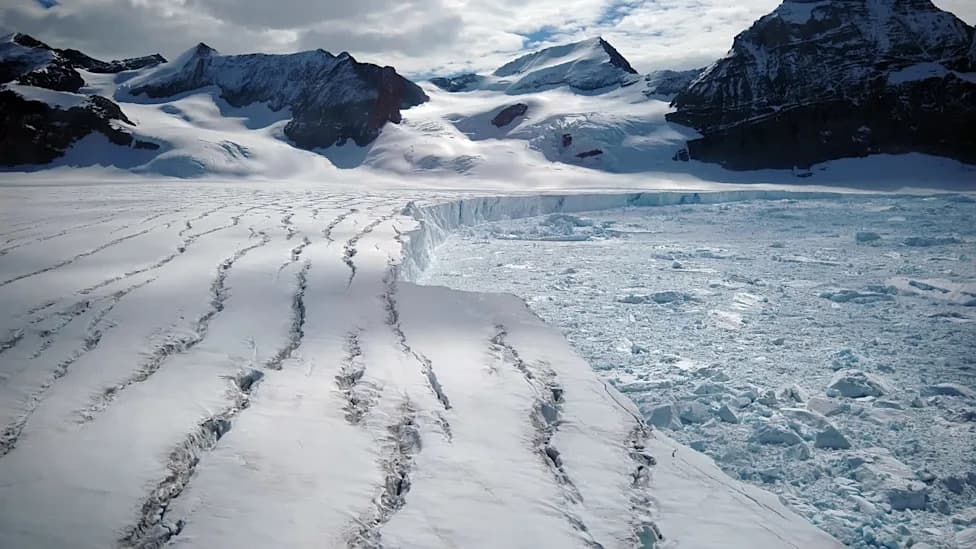
The researchers attribute about 84% of the total ice loss to increased ice discharge—glaciers flowing faster into the ocean as their fronts are undermined by warmer seawater. Surface processes such as enhanced melting account for the remaining ~16%.
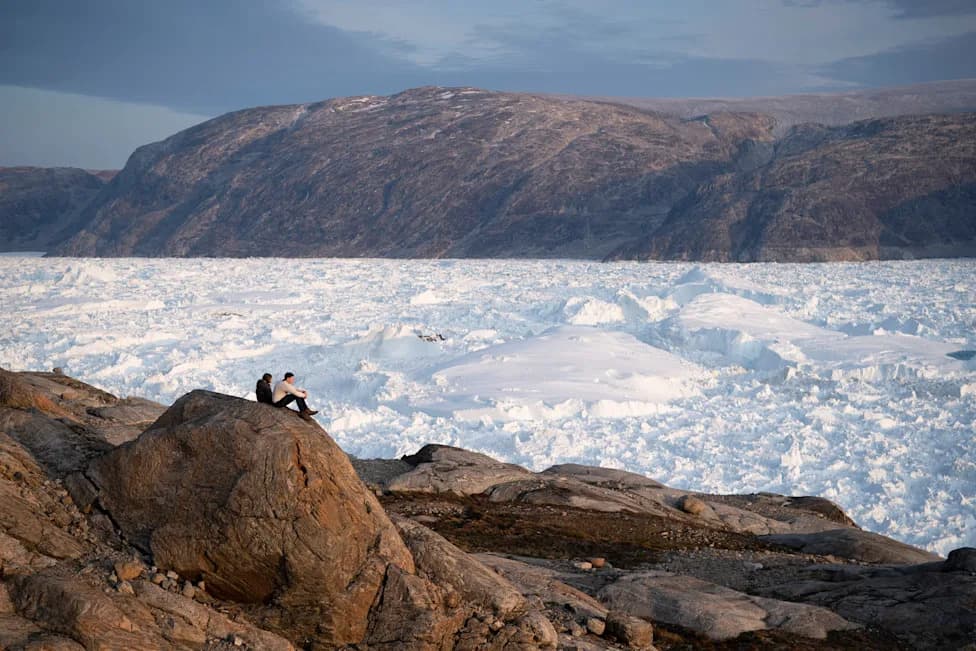
Warmer ocean waters erode ice from below and at glacier margins, accelerating ice flow. In Greenland, the Jakobshavn Glacier is highlighted as retreating by up to 50 metres a day, an example of rapid dynamical change.
Recent Variability and Long-Term Outlook
The study notes a slowdown in ice loss between 2020 and 2023, but the authors link that dip to short-term weather variability rather than a reversal of the long-term trend. They caution that ice-sheet responses to climate change can lag for decades, so losses may continue even if global temperatures stabilise.
Impacts
Although 3.2 cm may sound small, even modest sea-level rise increases the frequency and severity of coastal flooding. Researchers estimate that each additional centimetre of sea-level rise could put roughly two to three million more people at risk of annual coastal flooding worldwide.
The results are based on continuous satellite measurement records and are published in the journal Scientific Data.
Help us improve.