Angela Lipps, 50, says she was wrongly arrested in July 2025 after an AI facial‑recognition match connected her to a fake ID used in Fargo‑area bank thefts. She was detained for months and extradited to North Dakota before charges were dropped when bank records proved her alibi. The federal suit seeks $10 million, naming the City of Fargo and a Fargo detective and alleging inadequate investigation, supervision and training in the use of facial‑recognition tools. Fargo officials say they identified errors in the probe and have since barred use of the West Fargo system.
Tennessee Grandmother Sues for $10M After AI Facial‑Recognition Match Leads to Wrongful Arrest
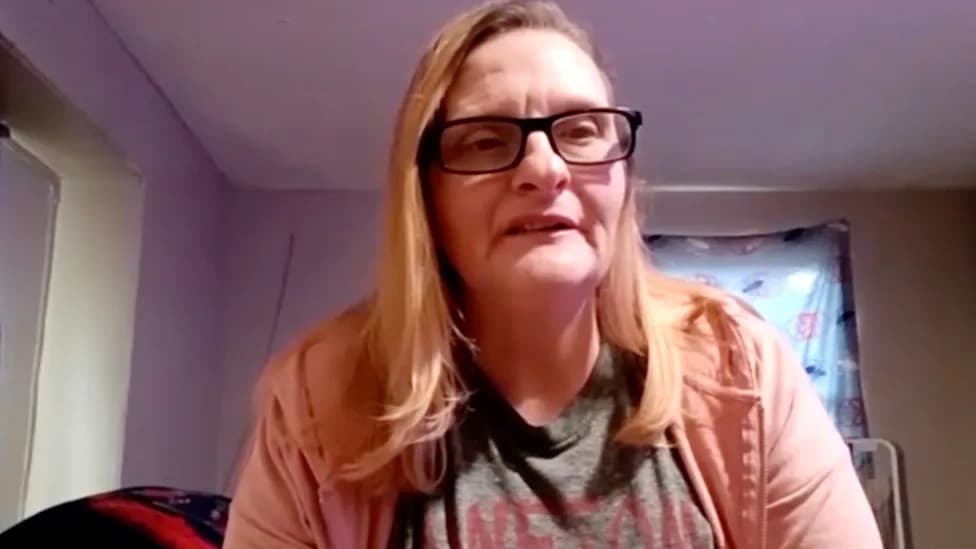
Grandmother falsely accused of theft after alleged AI facial recognition match sues
Angela Lipps, a 50-year-old grandmother from Tennessee, has filed a federal lawsuit seeking $10 million after she says an alleged AI facial‑recognition match led to her wrongful arrest, months of detention and the loss of her home and belongings.
What Happened
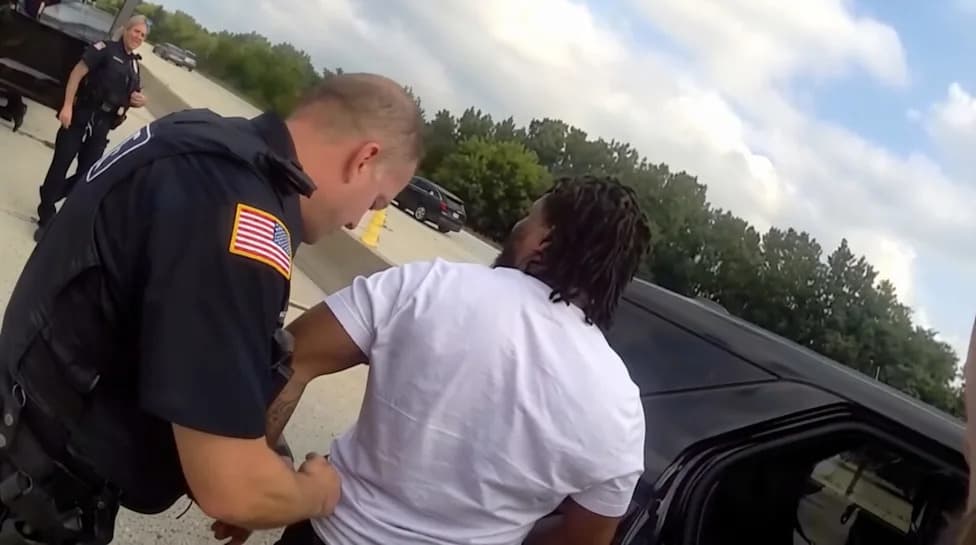
According to the complaint, Lipps was arrested in July 2025 outside her home while babysitting a neighbor's children. She was detained for several months in Carter County, Tennessee, before being extradited to Cass County, North Dakota, to face multiple bank‑theft charges. The charges were dropped and she was released on Christmas Eve after Lipps and her attorney produced bank records showing she was in Tennessee at the time of the alleged crimes.

WDAY - PHOTO: Angela Lipps speaks with ABC Fargo, North Dakota, affiliate WDAY.
Allegations in the Complaint
The filing names the City of Fargo and Fargo Police Detective Lucas Heck as defendants and contends that law enforcement improperly relied on an AI facial‑recognition match generated by a West Fargo police investigator. The match was reportedly based on a social‑media photo of Lipps tied to a fake ID that investigators associated with surveillance images from several Fargo‑area bank thefts.
The complaint alleges that officials "knew that AI facial recognition technology should not be used as the sole basis to extradite and charge a person" and that Fargo Police failed to exercise sufficient care, supervision and training in the technology's use.
The suit notes Lipps did not resemble the suspect captured on surveillance video and had never been to North Dakota prior to the arrest. Heck is accused of requesting the arrest warrant but is not alleged to have personally run the facial‑recognition software.
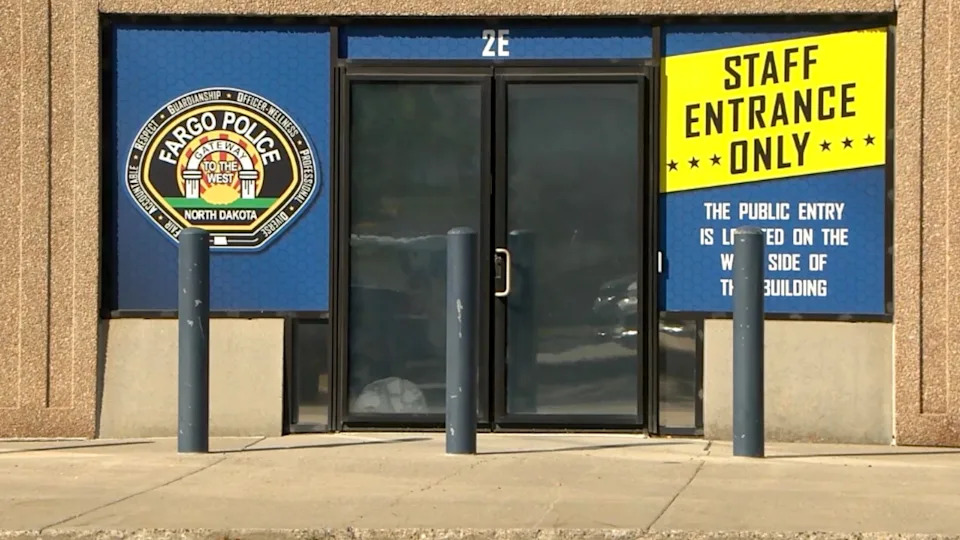
WDAY - PHOTO: The Fargo Police Department is shown in this screen grab from a video.
Detention, Harm and Damages Sought
While awaiting extradition, Lipps was ordered held on a $100,000 bond she could not afford. The complaint describes traumatic jail conditions, missed family events and holidays, loss of medications and dentures at times, and the eventual loss of her residence, car and other property after her detention. The suit seeks $10 million in damages for the alleged harm.
Agency Responses And Policy Changes
Former Fargo Police Chief Dave Zibolski told reporters investigators found "a couple of errors" in the probe. He said West Fargo's AI match was based on a fake‑ID photo and that Fargo detectives had incorrectly assumed surveillance images were part of that match. Zibolski said Fargo does not maintain its own facial‑recognition system, that use of the West Fargo system would not have been allowed, and that the department has since prohibited that use and will apply greater scrutiny to such investigations. The City of Fargo declined to comment on pending litigation.
Why This Case Matters
The lawsuit raises questions about reliance on automated tools in criminal investigations, the limits of AI matches as investigative leads, and the need for training, oversight and corroborating evidence before arrests and extraditions. As facial‑recognition tools become more accessible, the case highlights the potential consequences of errors for innocent people and the legal accountability authorities may face.
Help us improve.