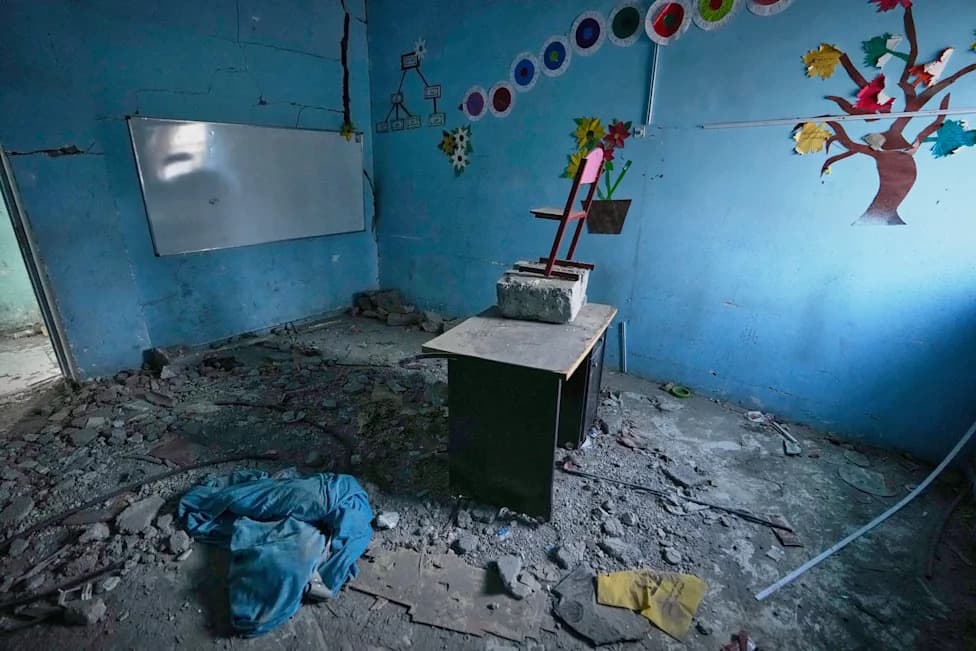
Clashes between Saudi forces and Yemen's Houthi movement left at least five people dead, including three children, amid reports of drone interceptions and airstrikes. Saudi authorities said an intercepted Houthi drone over Taif killed one Yemeni resident and wounded two, while Houthi media reported civilian deaths in Taiz and Abs. Houthi leader Abdel-Malik al-Houthi denied claims his group targeted Mecca, and regional diplomacy involving Iran, China, Pakistan and Turkiye intensified amid fears of wider escalation.
Five Killed In Saudi–Houthi Exchanges As Both Sides Trade Strikes — Mecca Drone Claim Denied
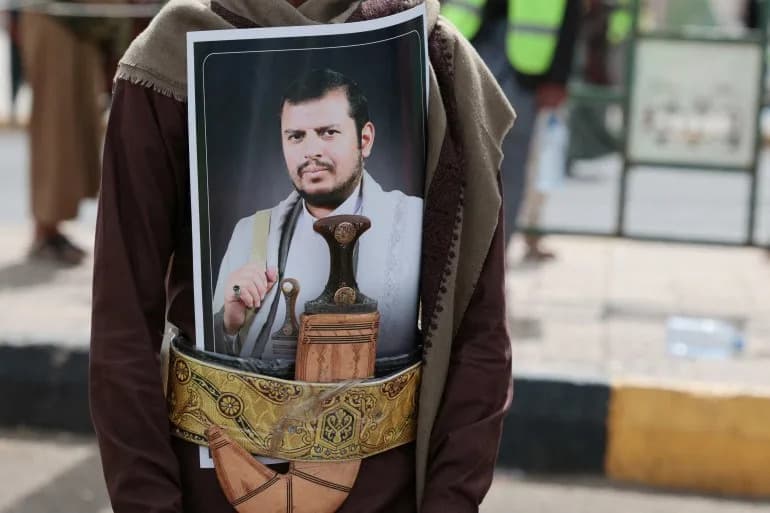
A Houthi supporter sports a poster of the group's leader, Abdel-Malik al-Houthi, in his dagger's belt, during a rally against the Saudi-led coalition [File: Khaled Abdullah/Reuters]
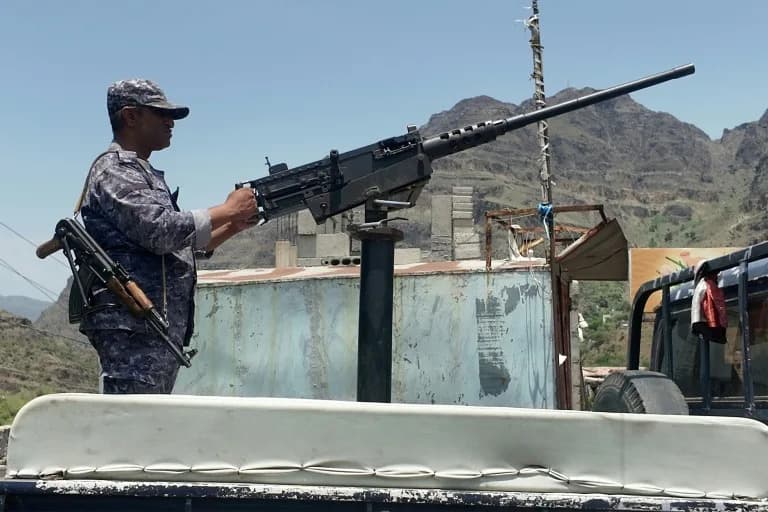
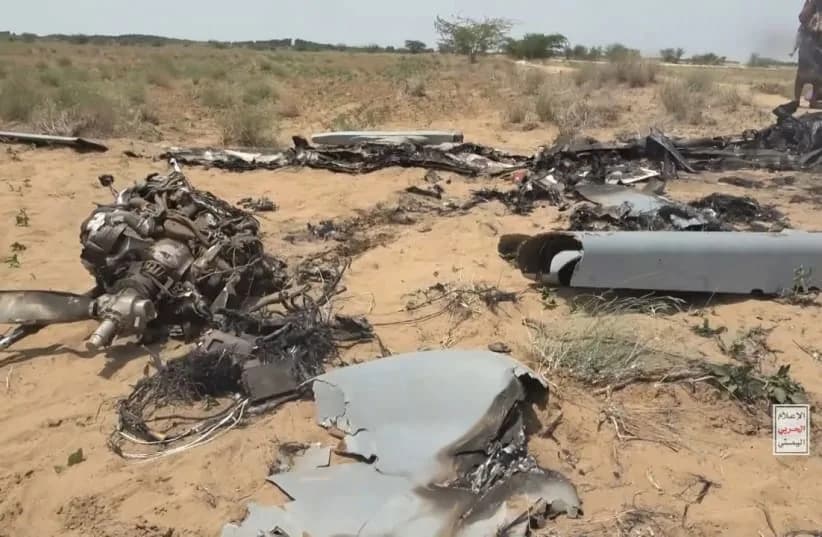
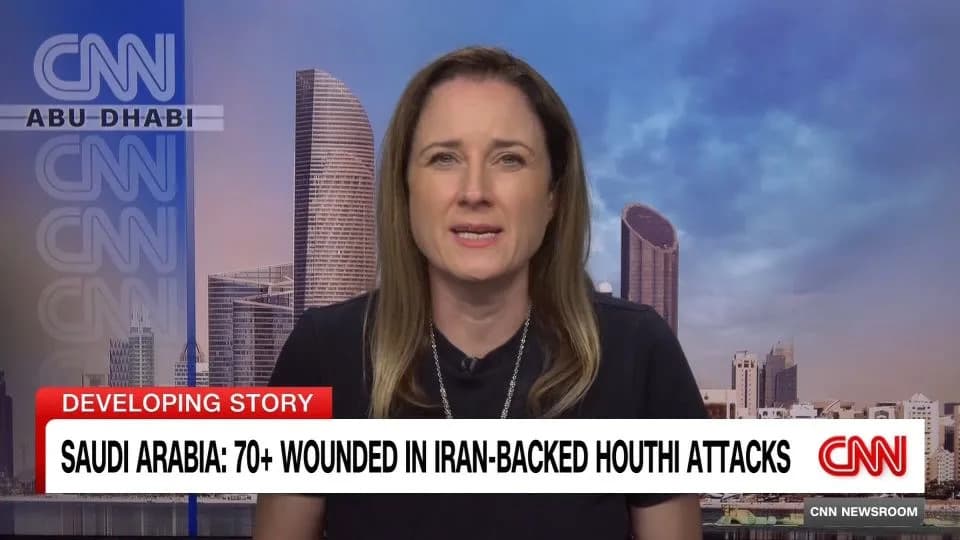
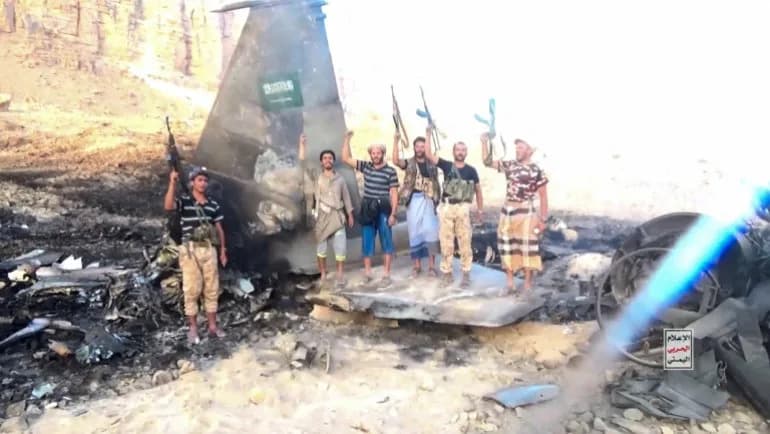
Intense exchanges between Saudi forces and Yemen's Houthi movement on Thursday left at least five people dead, including three children, as both sides reported strikes and intercepted drones. Independent verification of some claims was not immediately possible.
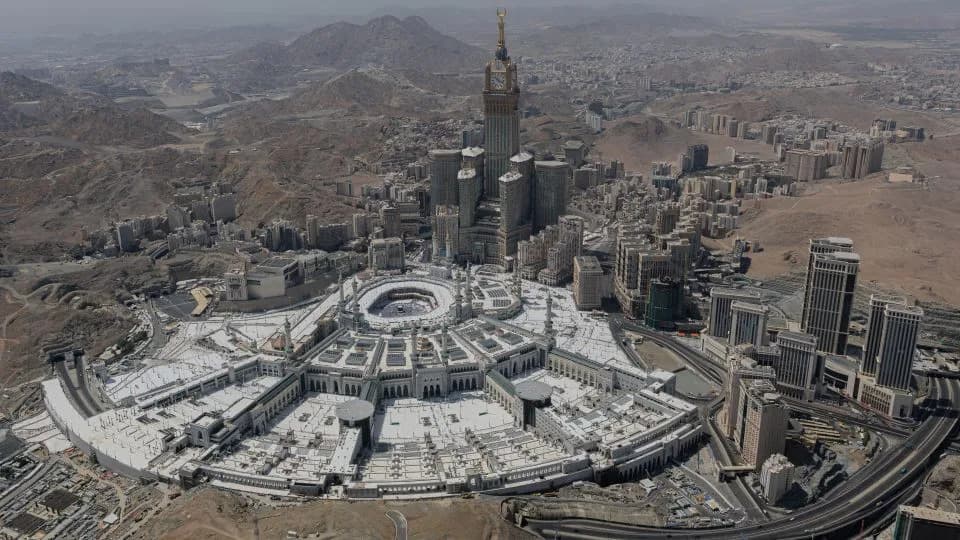
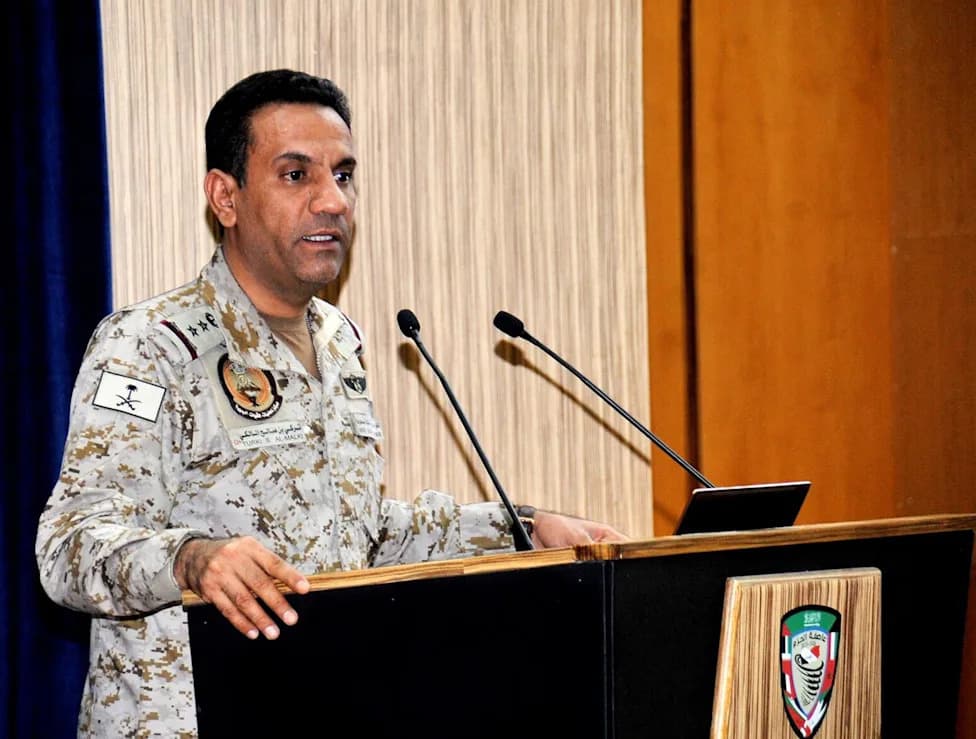
Saudi civil defence authorities said a Houthi-launched drone was intercepted over the kingdom's southwestern governorate of Taif, killing one person described as a Yemeni resident in Saudi Arabia and wounding two others. Riyadh also said it intercepted and destroyed a separate drone it said had been launched toward the holy city of Mecca.
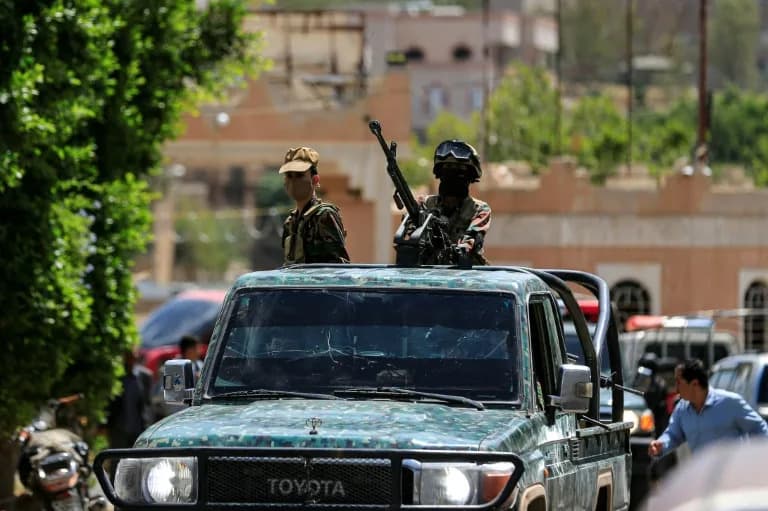
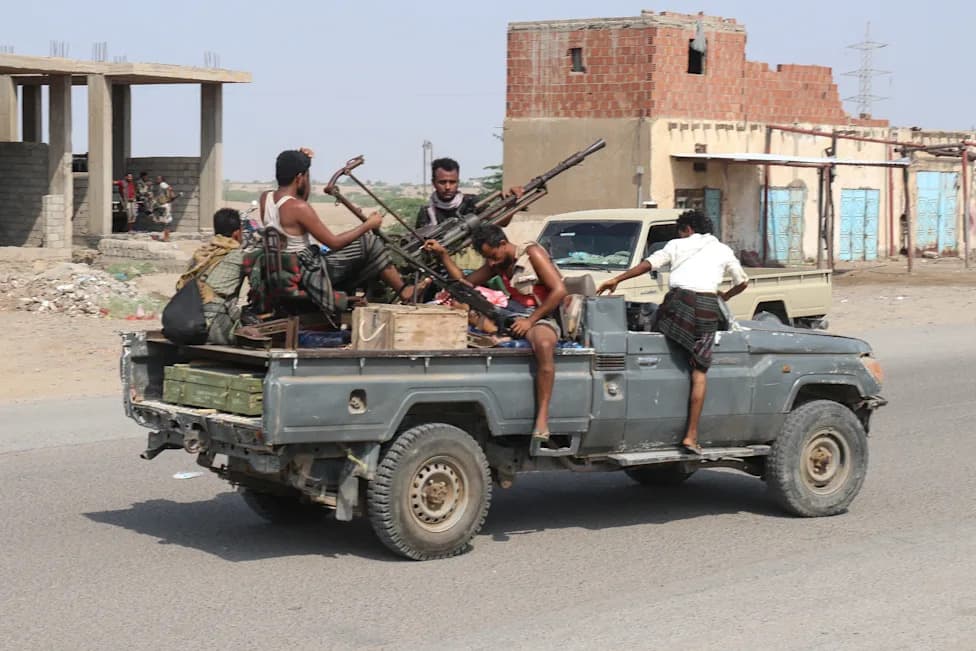
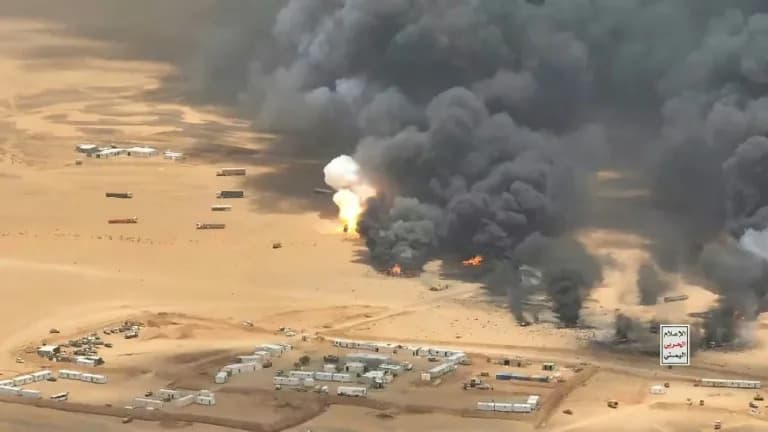
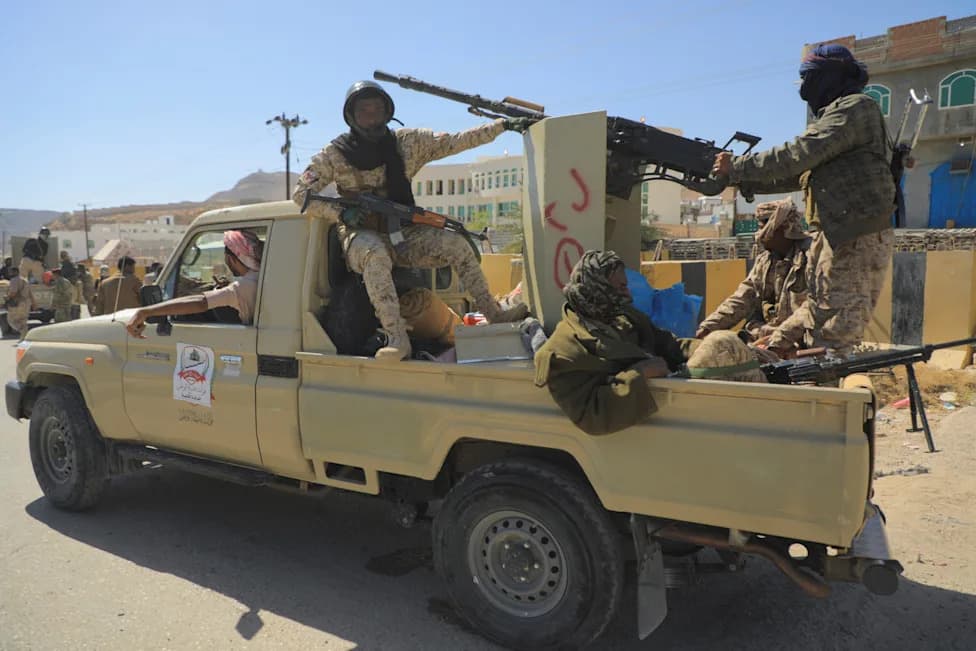
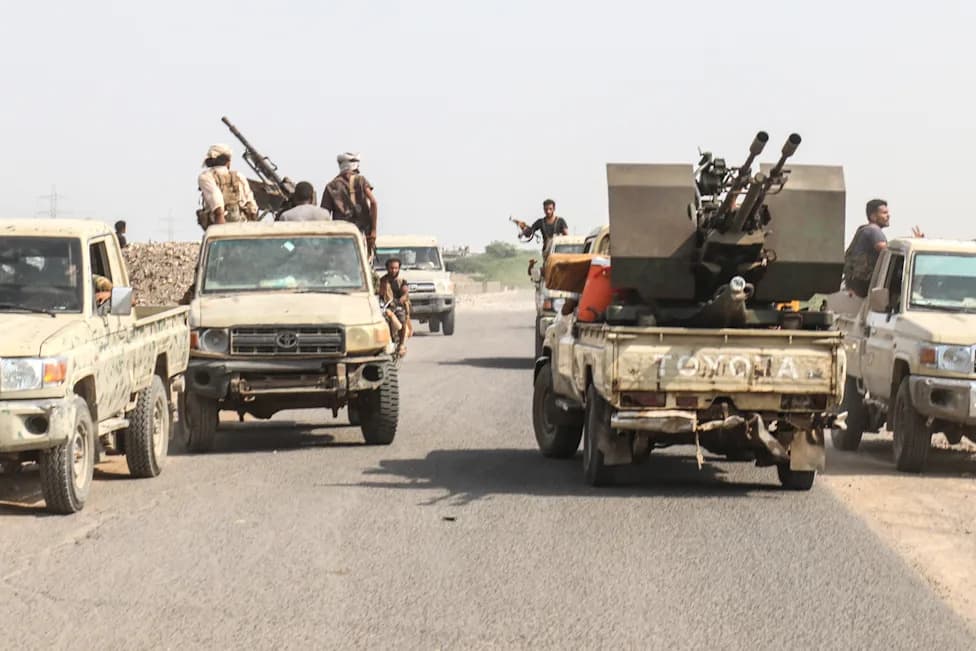
Houthi-linked media and authorities in Yemen reported retaliatory strikes. Almasirah television said Saudi warplanes struck three telecommunications towers in Taiz province; Houthi outlets reported at least one civilian killed in Taiz and another wounded in strikes on the town of Abs. Houthi-aligned media later said three children and several Yemeni nationals were killed or injured in attacks by forces loyal to Yemen's internationally recognised government, which Houthi outlets described as "Saudi-backed mercenaries." These casualty figures could not be independently verified.
"It's a heinous lie," Houthi leader Abdel-Malik al-Houthi said in a live televised address, denying that his movement targeted Mecca and accusing Saudi authorities of "weaponising lies" to justify operations against the Houthis.
Al Jazeera reporting from Sanaa noted that al-Houthi's remarks appeared directed both at domestic audiences and the international community in an effort to rebut Saudi allegations. In turn, Rashad al-Alimi, head of Yemen's Saudi-backed Presidential Leadership Council, said Houthi forces were suffering "heavy blows" on multiple fronts including Taiz, Marib, Lahj, al-Jawf, Hajjah and al-Bayda al-Dhale, and described recent Houthi gains on the Red Sea coast as temporary.
Diplomatic activity increased as regional and global actors responded. Esmaeil Baghaei, spokesman for Iran's foreign ministry, said any attack on Islamic holy sites should be condemned but argued that a "mere claim" of a drone headed to Mecca was insufficient evidence and warned of "false flag" operations. Reuters reported that China has privately asked Iranian officials to help rein in the Houthis after Saudi Arabia appealed to Beijing; publicly, China called for restraint, dialogue and restoration of safe navigation.
Pakistan and Turkiye, both defence partners of Saudi Arabia, were mentioned as potential external actors that could be drawn into the dispute. Pakistan's Defence Minister Khawaja Asif said it was time to implement the Mecca agreement between Pakistan, Saudi Arabia and Turkiye in response to recent Houthi actions. Iran's Foreign Minister Abbas Araghchi also told Reuters he had spoken with Pakistan's army chief to discuss regional developments.
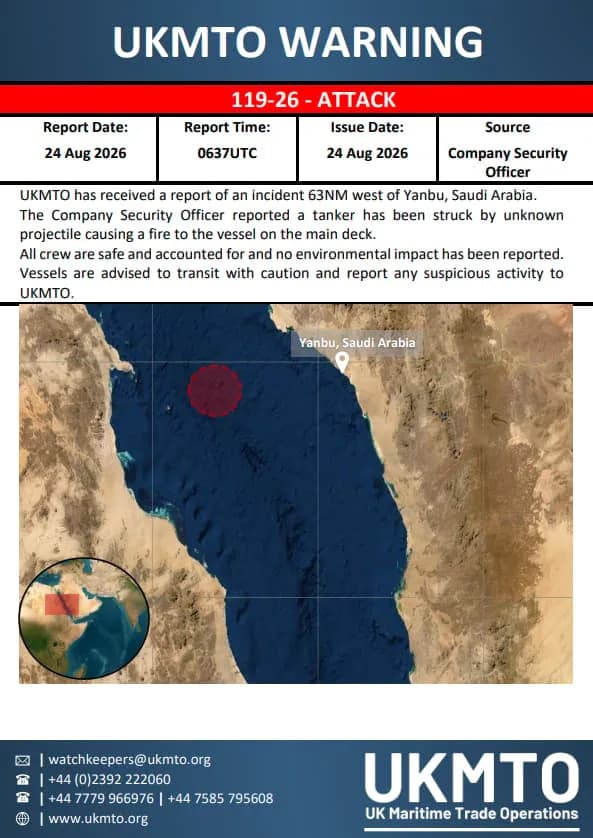
The escalation raises concerns about wider regional spillover, threats to maritime security in the Red Sea and further diplomatic fallout. Many reports remain contested and both sides continue to exchange accusations.
[File image: A Houthi supporter displays a poster of Abdel-Malik al-Houthi tucked into his dagger belt during an anti-coalition rally; photo by Khaled Abdullah/Reuters]
Help us improve.