The Amazon faces heightened risk as a potentially record-strong El Niño — amplified by climate change — increases drought and fire risk across the basin. Bernardo Flores, a Brazilian ecologist, warns that combined pressures from warming, deforestation and expanding organized crime could push the forest past a tipping point where drought–fire feedbacks accelerate degradation. Models point to vulnerability around 1.5–1.9°C of warming and 22–28% deforestation, though some estimates place current degradation near 40%. Immediate priorities include large-scale reforestation, shifting regional economies, strengthening local governance, and tackling organized crime; restoration will take decades, so action must start now.
“At Some Point We’re Going To Have To React”: Supercharged El Niño, Crime, and the Amazon’s Tipping Point
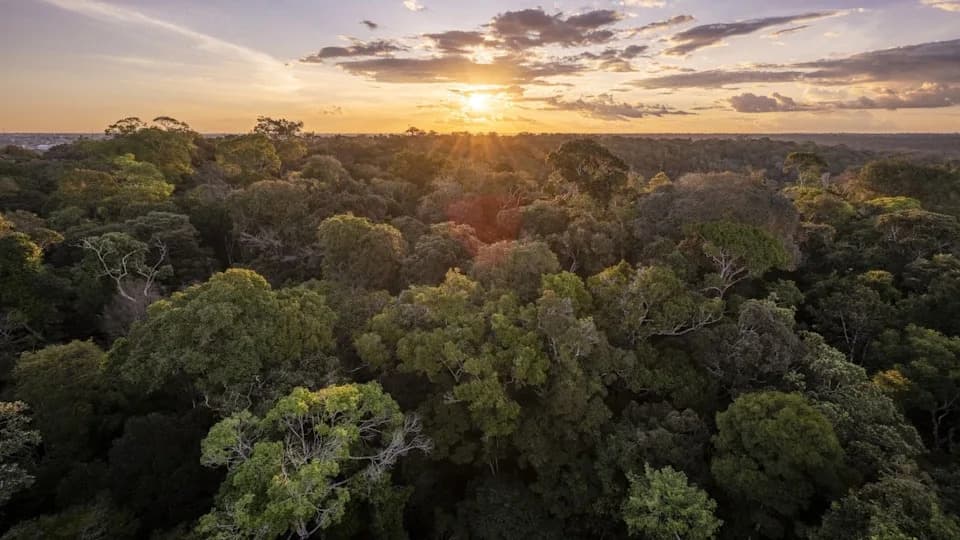
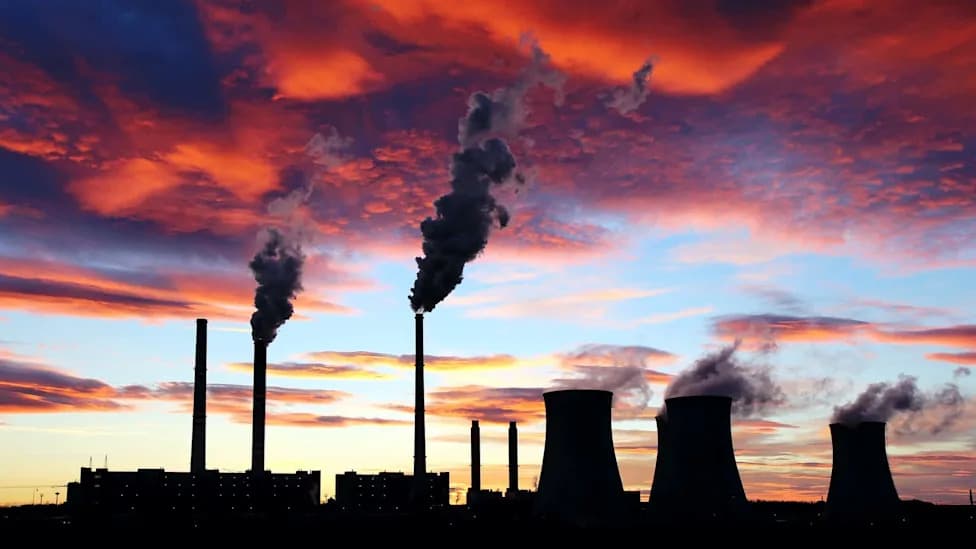
The Amazon is one of several natural systems that could cross a tipping point as Earth continues to warm. . | Credit: Cavan Images / Vitor Marigo via Getty Images
The Amazon — the planet’s largest tropical rainforest and a critical global carbon store — faces an elevated risk of long-term change as a potent El Niño intensifies warming and drought across the region. Scientists warn that climate change has amplified this El Niño, possibly making it one of the strongest on record. As temperatures rise and humanitarian risks grow, already stressed natural systems like the Amazon are under unprecedented pressure.
To explain the risks and the mechanisms that could push the Amazon past a critical threshold, Live Science interviewed Bernardo Flores, a Brazilian ecologist who has been raising the alarm about the forest’s vulnerability.
How El Niño and Climate Change Combine
Patrick Pester: How could a strengthening El Niño impact the Amazon?
Bernardo Flores: We have very high confidence that this El Niño is already strong and may become the strongest on record. That is deeply worrying, because past strong El Niños produced dramatic impacts and the severity has been increasing. During El Niño, the Amazon becomes drier, creating conditions favorable to forest fires. Unlike small agricultural burns, forest fires can penetrate and spread through typically moist rainforest, consuming thousands of square kilometers of previously undisturbed forest.
Flores warns that burned areas could increase — potentially exponentially — and that such acceleration is a hallmark of an approaching ecological tipping point.
Tipping Points, Deforestation, And Degradation
PP: Could a historic El Niño push the Amazon past a tipping point this year or next?
BR: The Amazon’s resilience depends heavily on Indigenous peoples and local communities who protect and manage the forest. But organized criminal networks are expanding into remote territories, spreading ignition sources, committing illegal logging and mining, and using violence to displace communities. When people abandon land under pressure from violence and drought, it becomes easier for criminals to occupy and convert those areas — often using fire.
Flores and colleagues modelled thresholds where the Amazon could move to a self-degrading state: roughly 1.5–1.9°C of global warming together with 22–28% cumulative deforestation. Importantly, many estimates indicate that at least ~40% of the Amazon is already degraded to some degree, which raises the region’s susceptibility and could mean the system is closer to a tipping point than those model thresholds alone suggest.
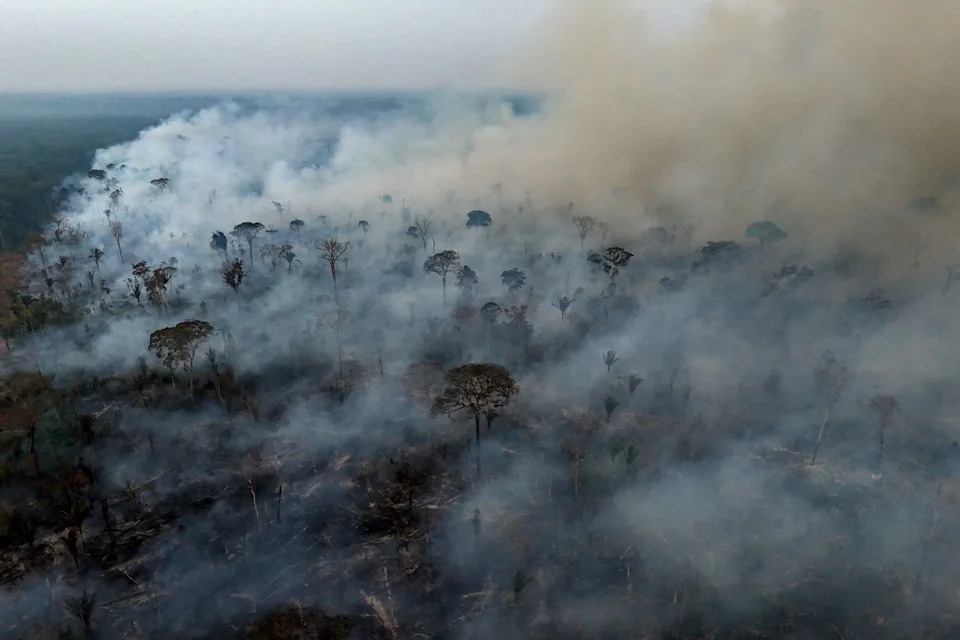
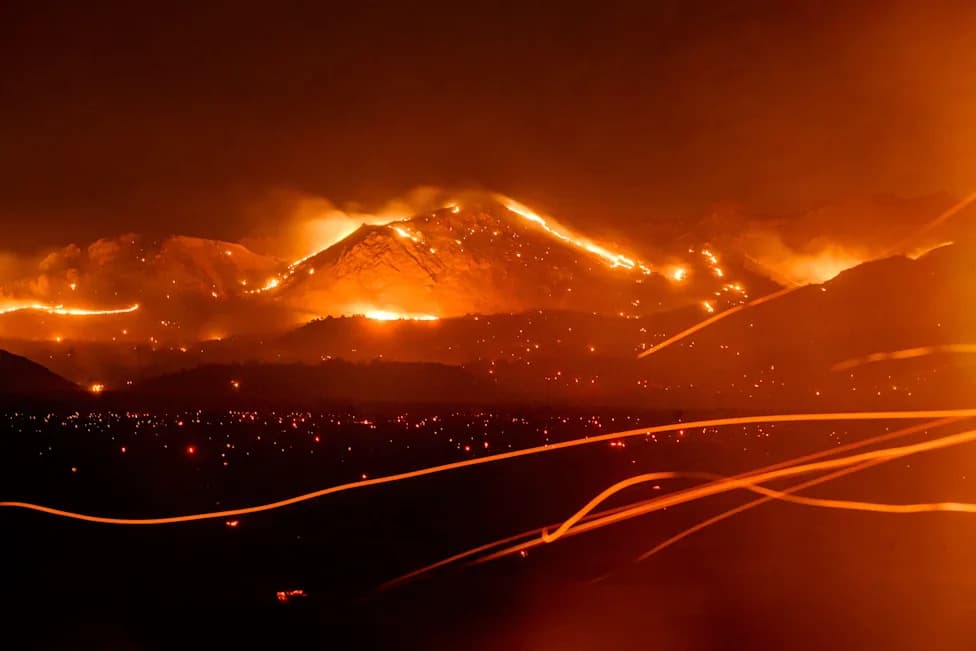
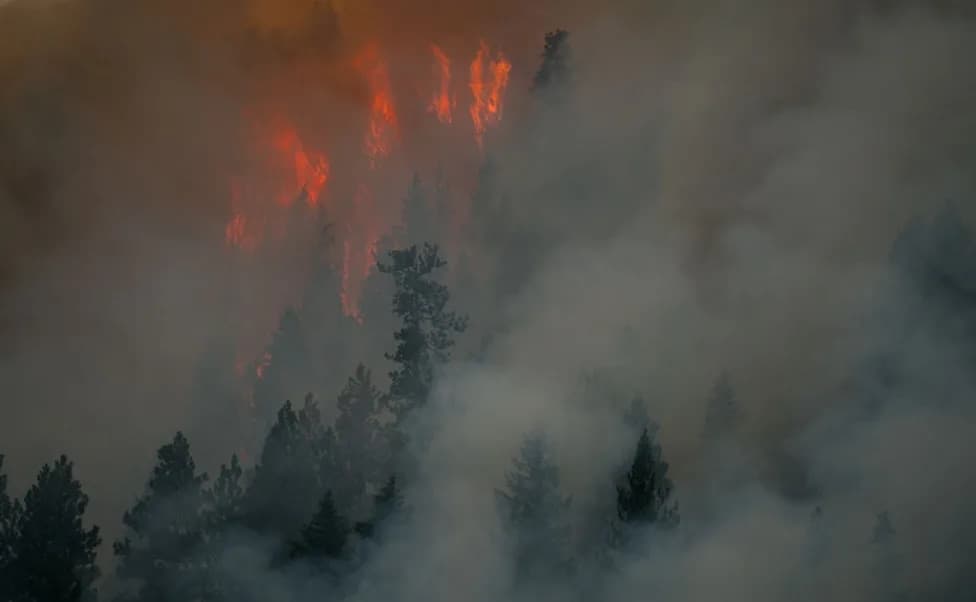
A forest fire in the Amazon in September, 2024, driven by a severe drought. | Credit: Michael Dantas/Getty Images
Why The Tipping Point Is Not Instant Collapse — But Still Dangerous
PP: If degradation is already at ~40%, is avoiding the transition realistic?
BR: Yes — crossing a tipping point is a shift in dominant feedbacks, not an instantaneous collapse. Trees are long-lived and forest dynamics are relatively slow, so full conversion could take decades to centuries without intervention. That gives us a window — but a limited one — to act. Over the next decade we must invest in large-scale reforestation and restoration, shift regional economies away from clearing for cattle and soy, and bolster local governance and Indigenous land rights.
Flores emphasizes that restoration will take 20–30 years to substantially recover moisture-recycling functions and resilience, so immediate action is essential. He also notes that controlling organized crime is a major and complex challenge because criminal networks often have political and economic ties and access to resources like machinery and weapons.
Local Stewardship Versus Organized Crime
PP: How do organized crime groups differ from local people in managing the landscape?
BR: Indigenous peoples and local communities have managed the forest for millennia and possess deep empirical knowledge, including adaptation strategies for past El Niños. They generally sustain biodiversity and food security. Organized crime arrives primarily to extract and profit, using violence, illegal mining, illicit logging, land grabbing and laundering of timber or minerals. Their presence increases violence and degradation, and they are often connected to powerful political and economic actors.
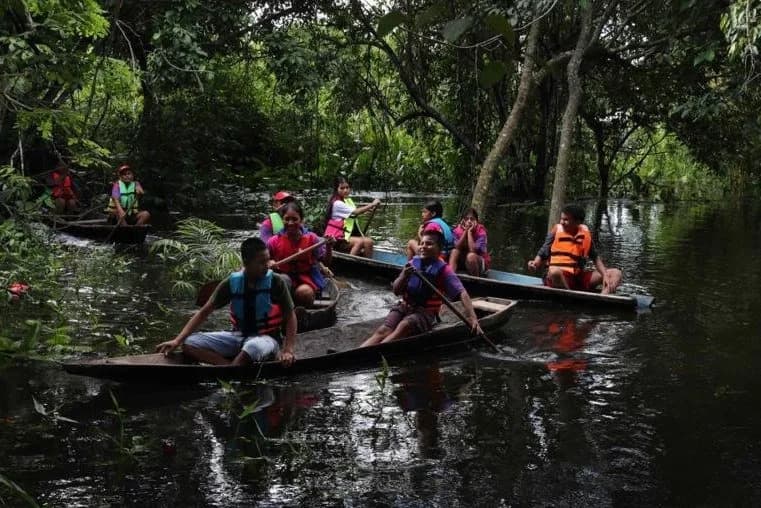
Flores describes how places that were safe a decade ago can now be dangerous: researchers traveling by canoe have been intercepted by heavily armed men in fast boats. These incursions undermine monitoring, conservation and local livelihoods.
Why There Is Still Hope
PP: What gives you hope that this trajectory can be reversed?
BR: I am optimistic because social tipping points are possible: shifts in public awareness, political will and policy can rapidly change behaviour. Elections, international cooperation, stronger enforcement, and support for Indigenous and sustainable local economies can create momentum. We don’t know how much will be lost, but at some point we will have to react — and that reaction can make a difference.
Editor’s note: This interview has been edited and condensed for clarity.
Image credit: Cavan Images / Vitor Marigo via Getty Images; Michael Dantas/Getty Images
Help us improve.