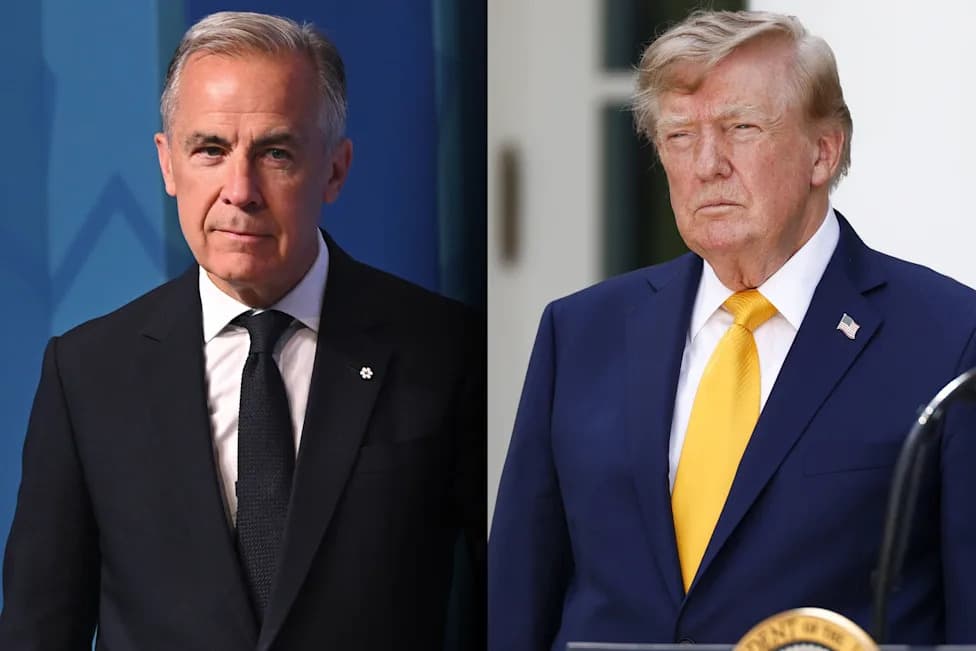
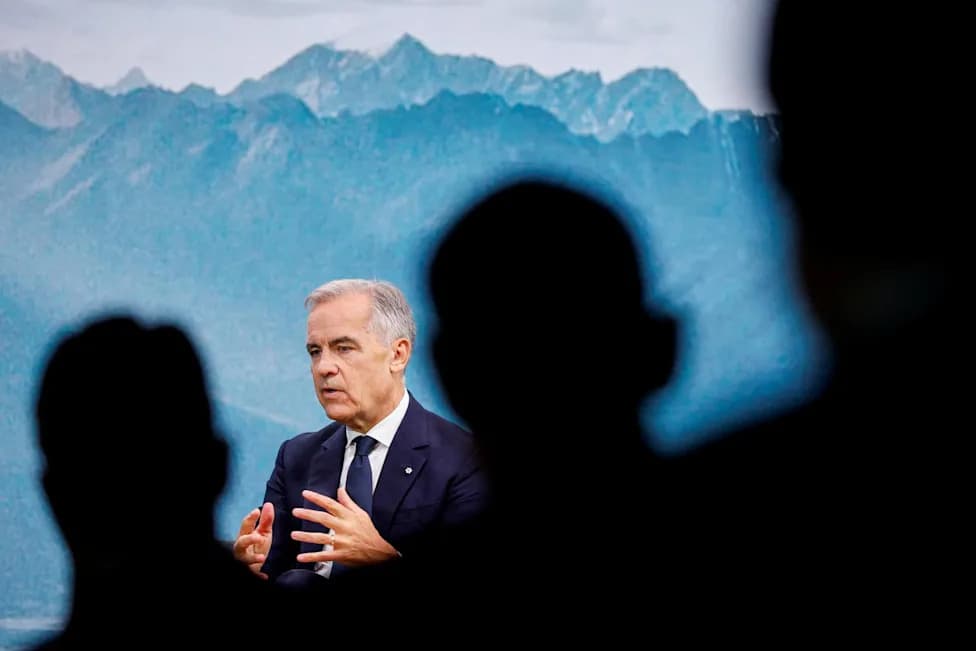
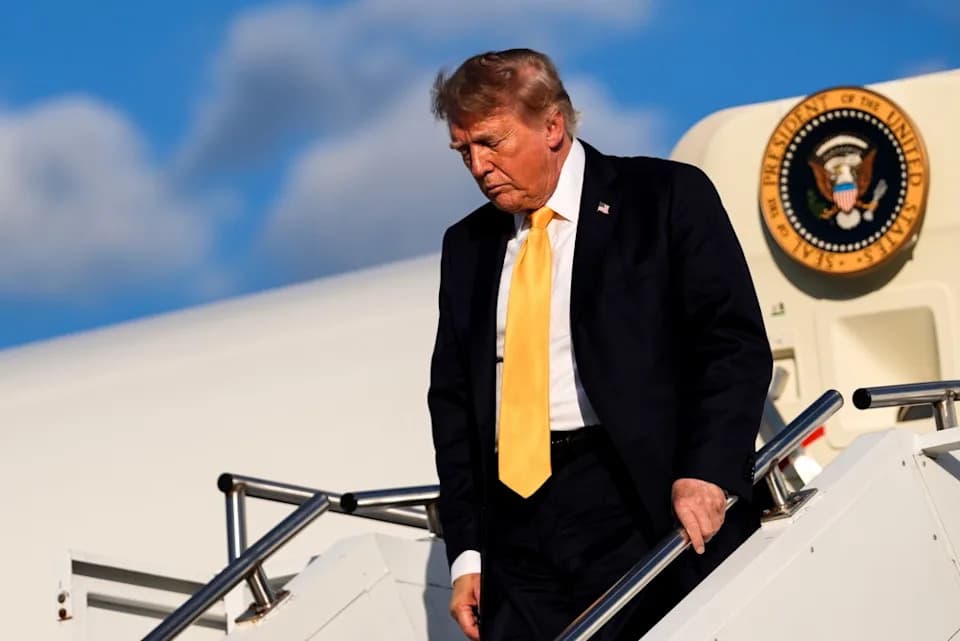
Mark Carney, former governor of the Bank of Canada and the Bank of England, said President Donald Trump once gave him a box of gold White House keys and quipped, "Maybe they'll shoot you," a remark Carney used to illustrate tense U.S.-Canada relations. Speaking at the Canada Investment Summit, he urged a long-term, strategic approach to trade and said Canada aims to emerge from the dispute stronger and more independent. Despite escalations and reciprocal tariffs, Carney noted roughly 80% of bilateral trade remains tariff-free and that a mutually beneficial deal is still possible.
Mark Carney Says Trump Gave Him Gold White House Keys — and a Dark Quip About Being 'Shot'
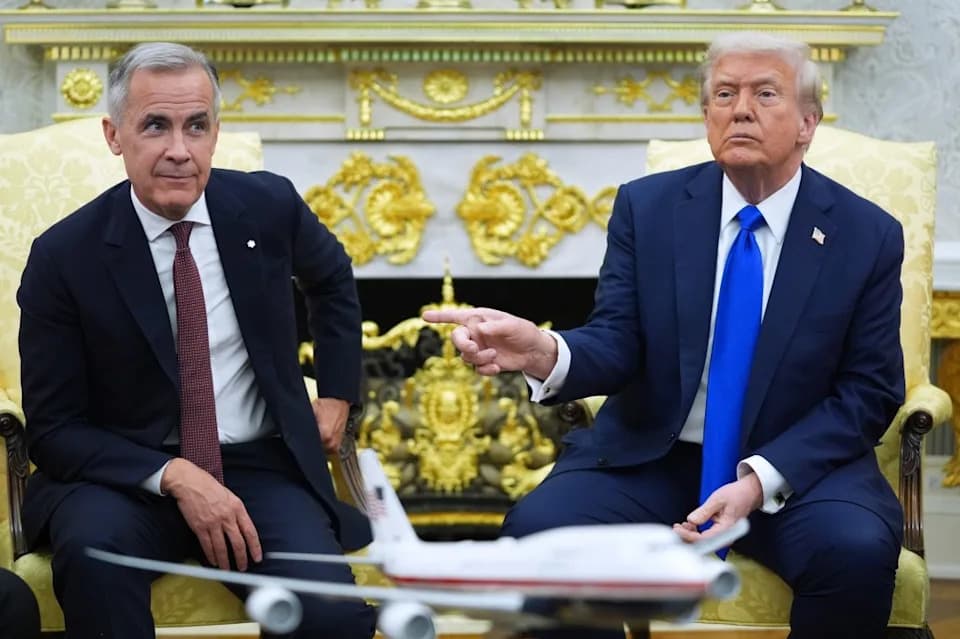
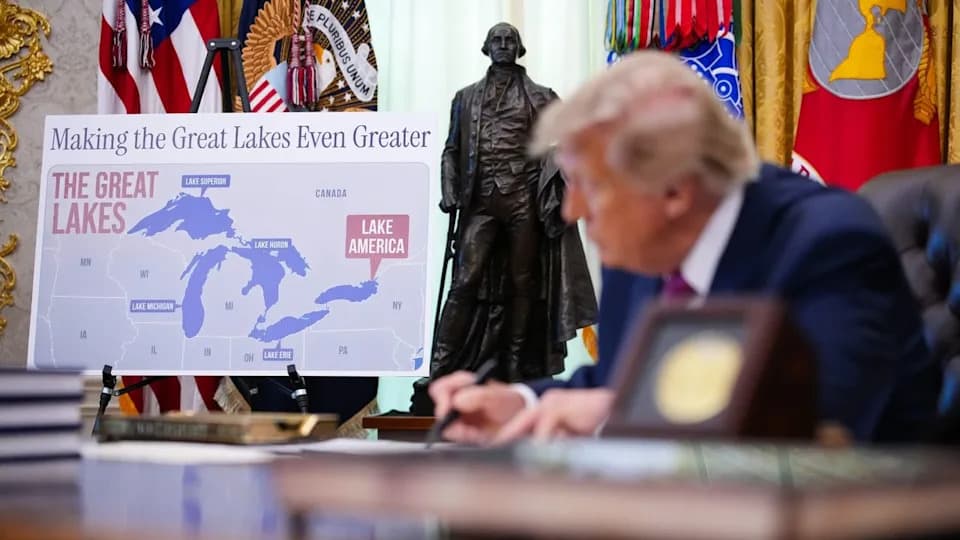
President Donald Trump and Canadian Prime Minister Mark Carney meet in the Oval Office of the White House, October 7, 2025, in Washington.
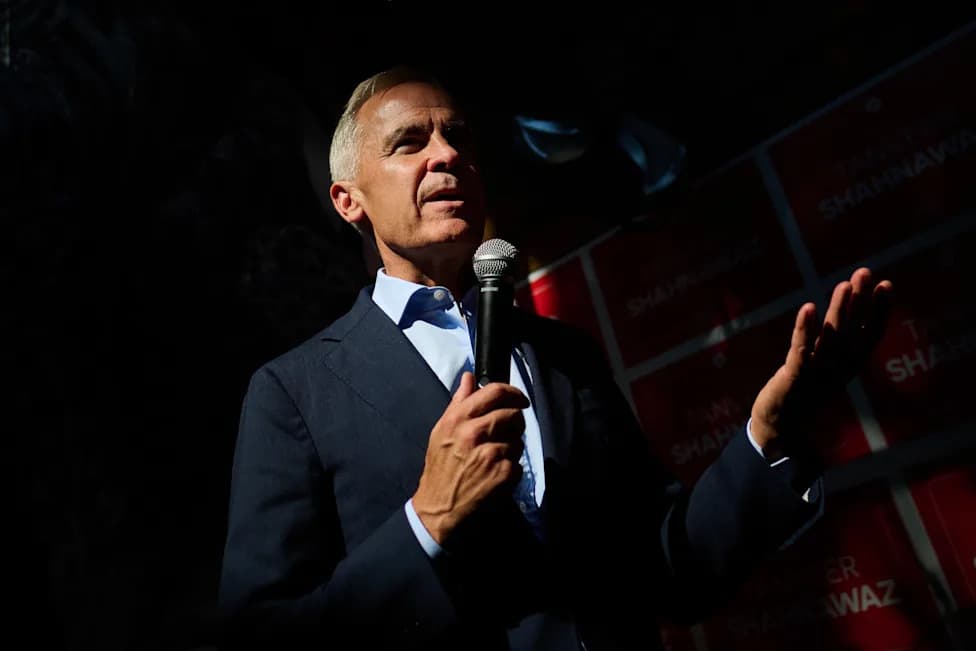
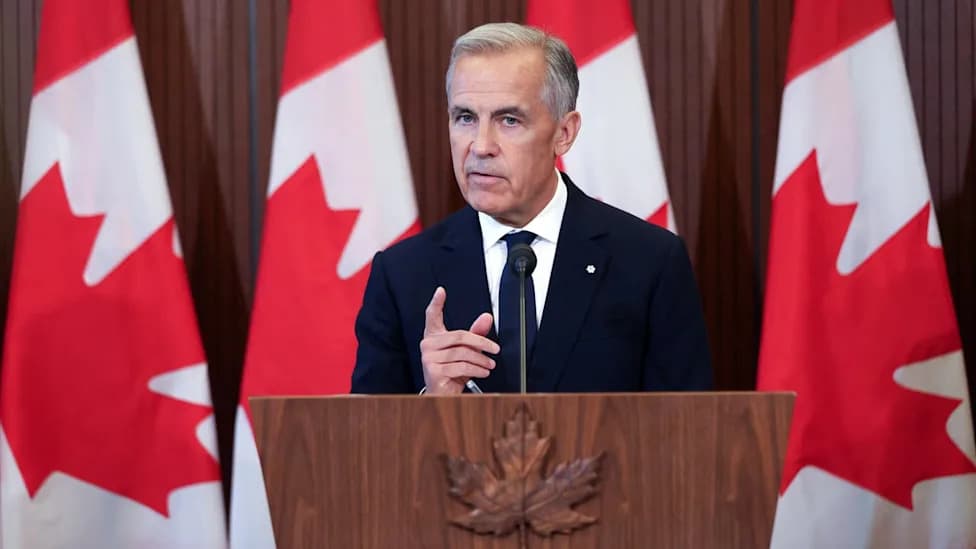
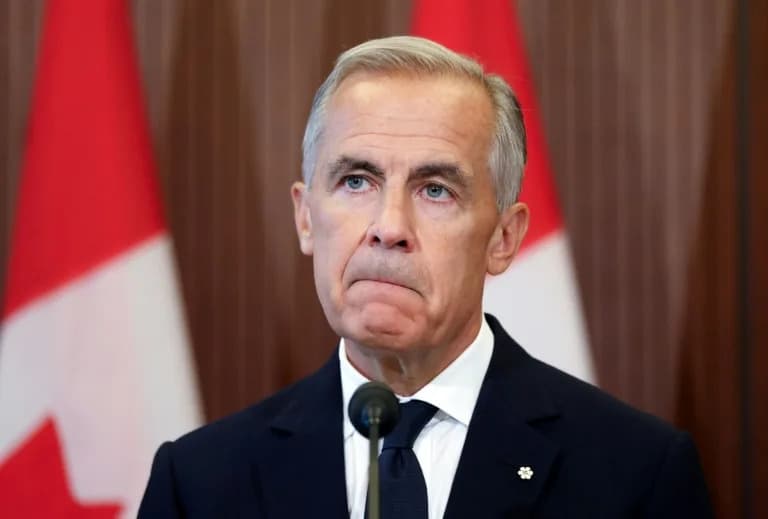
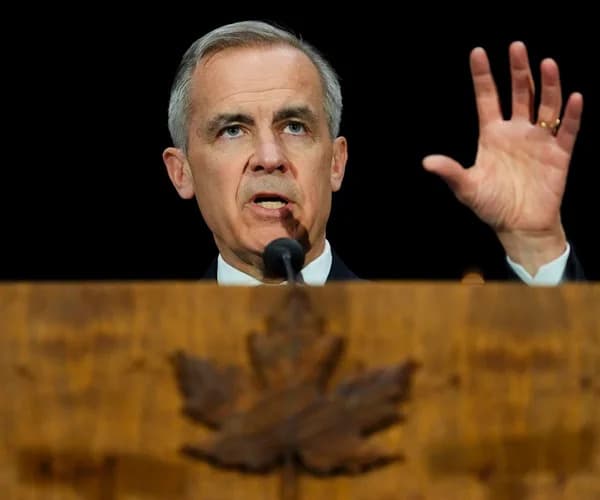
Mark Carney, the former governor of the Bank of Canada and the Bank of England, joked at the Canada Investment Summit in Toronto that President Donald Trump once presented him with a box of gold White House keys — and delivered a startling aside that, Carney said, captured the tone of U.S.-Canada relations.
Carney recalled receiving a ceremonial key from his hometown of Fort Smith, Northwest Territories, and contrasted that warm gesture with the gift he said came from Trump. According to Carney, Trump handed him a box of gold keys and said, "They'll let you in." Carney added that Trump followed with a darker quip: "Maybe they'll shoot you."
"And that sort of sums up the relationship," Carney told the audience. "In Canada, you get the key. In the U.S., they might shoot you."
Carney said the exchange occurred during a tense May 6, 2025, White House meeting that focused on tariffs, trade disputes and the future of U.S.-Canada ties. Newsweek reached out to the White House for comment.
A Broader Message to Investors
In a wider address about Canada's economic strategy, Carney urged a long-term, strategic approach to negotiations with Washington rather than rushing into a quick fix. He criticized a global tilt toward transactional, zero-sum thinking and stressed that Canada’s reputation as a reliable, predictable partner is increasingly valuable.
"We will always be neighbors," Carney said. "When those opportunities return, Canada will be an even better partner — stronger, more resilient, more independent." He noted that roughly 80 percent of bilateral trade remains tariff-free and said a mutually beneficial agreement with the United States remains possible when conditions are right.
Escalating Trade Dispute
The remarks came amid an escalating trade dispute between Ottawa and Washington. After talks collapsed, the U.S. imposed steep tariffs — including a 50 percent tariff on tens of billions of dollars in Canadian goods — leading Canada to announce retaliatory measures. The dispute has widened beyond tariffs to include product restrictions and steps affecting federal procurement.
Specific U.S. measures cited in reporting included tariffs on steel, aluminum, autos and other sectors as well as public calls to block certain Canadian companies from the U.S. market. Canada has targeted a range of U.S. imports in response, including steel, dairy products, appliances, agricultural equipment, pulp and paper, and electronics.
Gifts, Protocol and Diplomacy
Carney’s anecdote also highlights the ceremonial side of international relations. The National Archives notes that gifts to U.S. presidents are subject to federal rules and disclosure; valuable items typically enter government custody unless specific procedures are followed to retain them.
Past administrations have accepted a wide variety of diplomatic gifts — from artwork and jewelry to unusual items that attract public attention. Such exchanges are longstanding diplomatic practice, but Carney said it was the accompanying warning, not the key itself, that lingered with him.
Carney traveled to Europe following the Toronto summit and is scheduled to address the European Parliament as Canada seeks to deepen economic ties beyond its largest trading partner.
The Associated Press contributed to this report.
Help us improve.