Investigations by ProPublica and The New Yorker linked Donald Trump Jr.'s Bahamas wedding to large foreign payments allegedly made by Umar Kremlev, a Russian boxing official, while revealing that Jared Kushner has raised billions from Gulf states as a Middle East envoy. The reports prompted a House Oversight inquiry and intense media scrutiny. Together they highlight concerns about foreign influence, conflicts of interest and the use of public office for private financial gain.
Don Jr.'s Bahamas Wedding and Kushner's Gulf Fundraising: Investigations Trace Foreign Payments
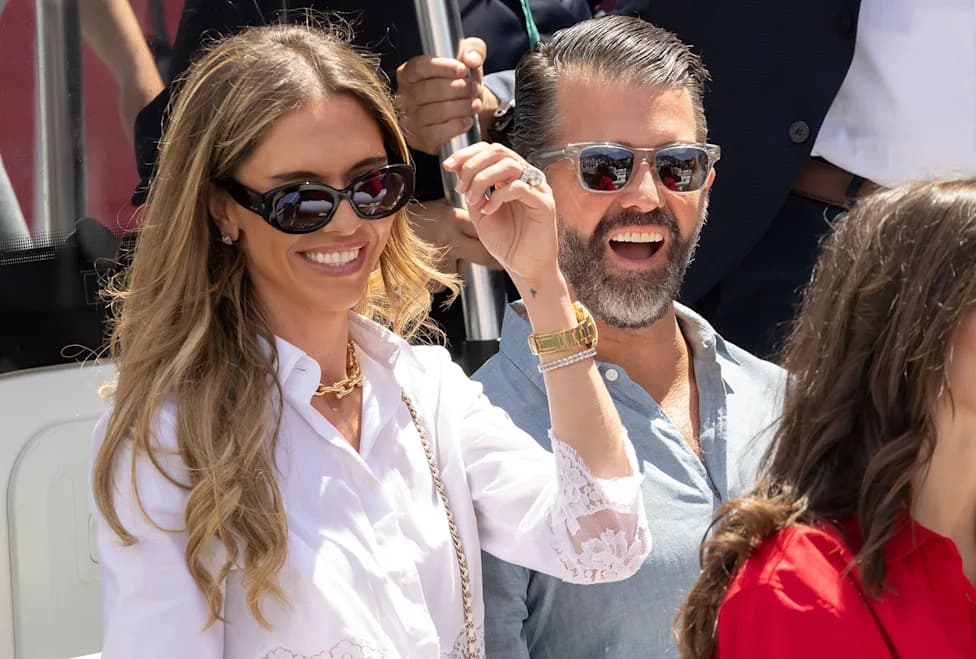
Donald Trump Jr. and Bettina Anderson at the Formula One Grand Prix of Monaco, June 7, 2026. Arnold Jerocki / FilmMagic
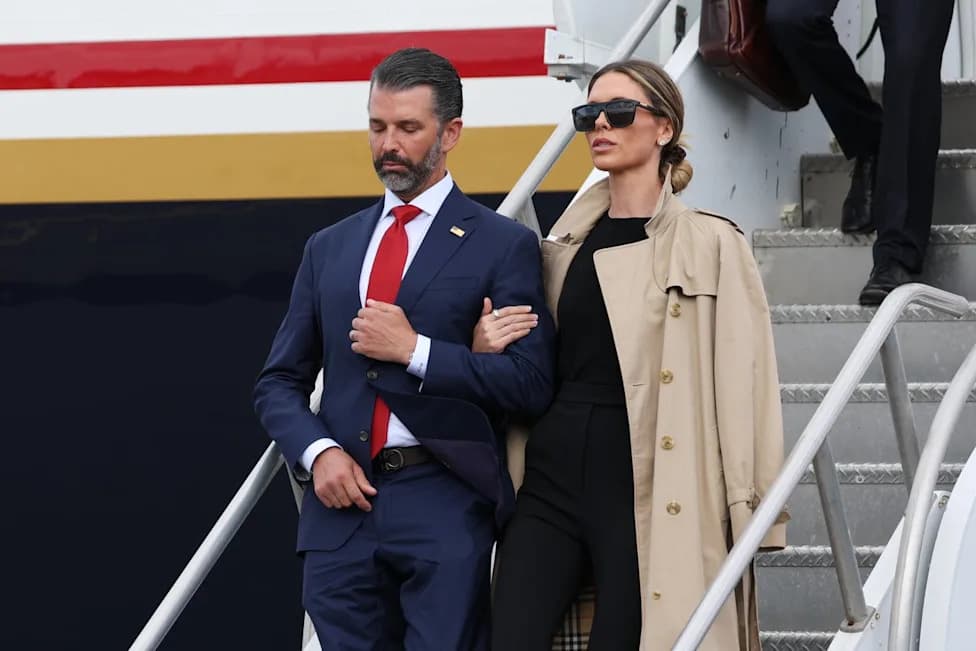
This week, in a pair of investigations that landed within hours of one another, ProPublica and The New Yorker connected previously scattered revelations about the Trump family's business and political dealings into a clearer portrait of foreign influence and private enrichment.
What Reporters Found
ProPublica reported that Umar Kremlev, head of an international boxing organization with ties to Russia's state energy interests, paid hundreds of thousands of dollars to rent a private island, stage fireworks and underwrite weekend festivities for Donald Trump Jr.'s wedding in the Bahamas. The payments reportedly flowed through a Dubai-based entity linked to the boxing association. Kremlev had reportedly traveled with Vladimir Putin to China days before the event and was later honored with Russia's Order of Friendship.
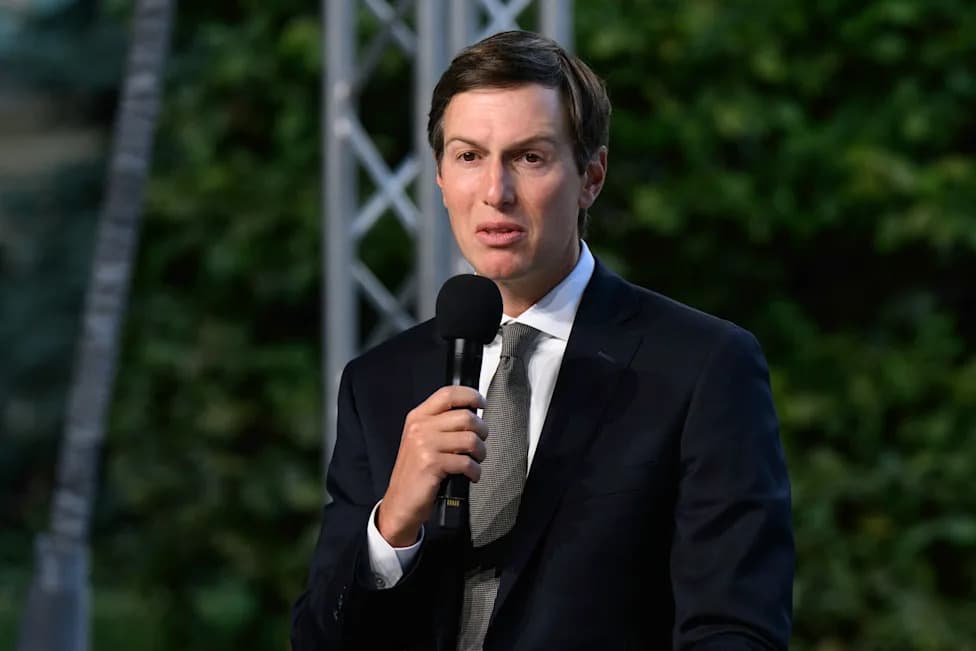
Within hours, The New Yorker published a profile of Jared Kushner describing how he has raised as much as $5 billion for his private investment firm, Affinity Partners, from Gulf states while serving as a Middle East envoy for the Trump administration — a setup that reporters described as a stark potential conflict of interest.
Responses And Repercussions
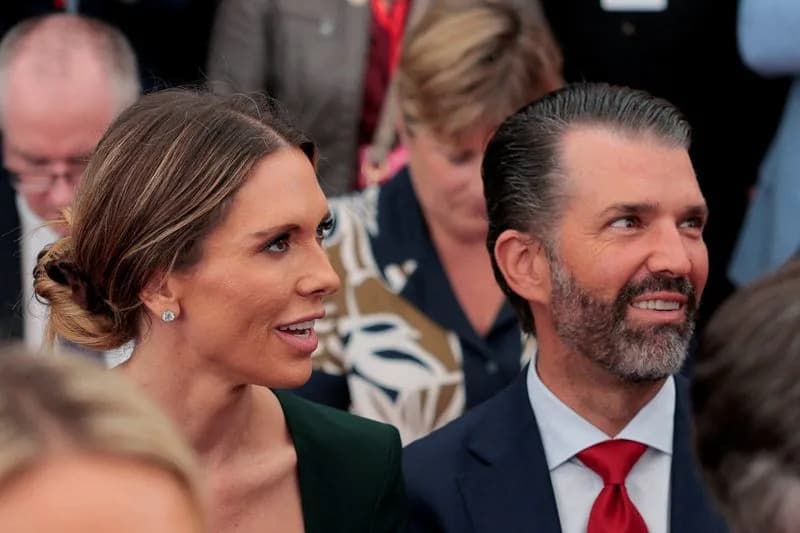
Trump Jr. and his wife acknowledged the connection on Instagram, calling Kremlev a "dear friend" who had "very generously" hosted parts of the celebration. President Trump offered a mixed response, saying he had never heard of Kremlev while minimizing the event as an "afterparty" and "not a big deal." Other family members publicly distanced themselves, while Rep. Robert Garcia (D‑Calif.) opened a House Oversight inquiry requesting records about the payments and their national-security implications.
“The reporting has prompted intense media attention and congressional scrutiny, suggesting a growing demand for transparency about foreign money tied to political figures and their families.”
Broader Context
Both investigations arrived alongside other reports that paint a picture of significant private gains tied to the presidency: Forbes reported an estimated $2.7 billion rise in President Trump's net worth since his re-election, and disclosures showed nearly 29,000 securities trades by the president and his family over a 17‑month period, raising fresh ethics questions amid calls for reforms Congress has largely not pursued.
While some conservative outlets criticized the reporting, many in the right‑wing media ecosystem downplayed or ignored the revelations. The coverage prompted debate about whether the U.S. has adequate safeguards to prevent public office from being used for private enrichment backed by foreign actors.
Why It Matters
The combined work by ProPublica and The New Yorker crystallized multiple threads that, together, raise questions about foreign influence, conflicts of interest and transparency at the highest levels of American public life. The House Oversight inquiry and the volume of public attention suggest these developments will continue to be examined closely.
Help us improve.