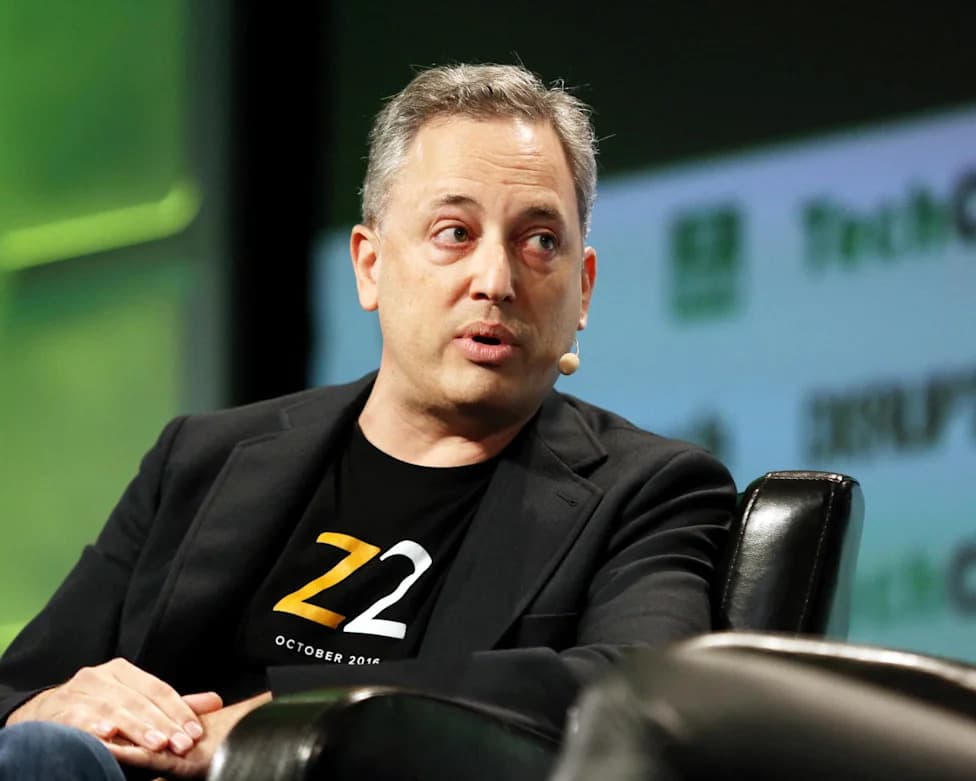
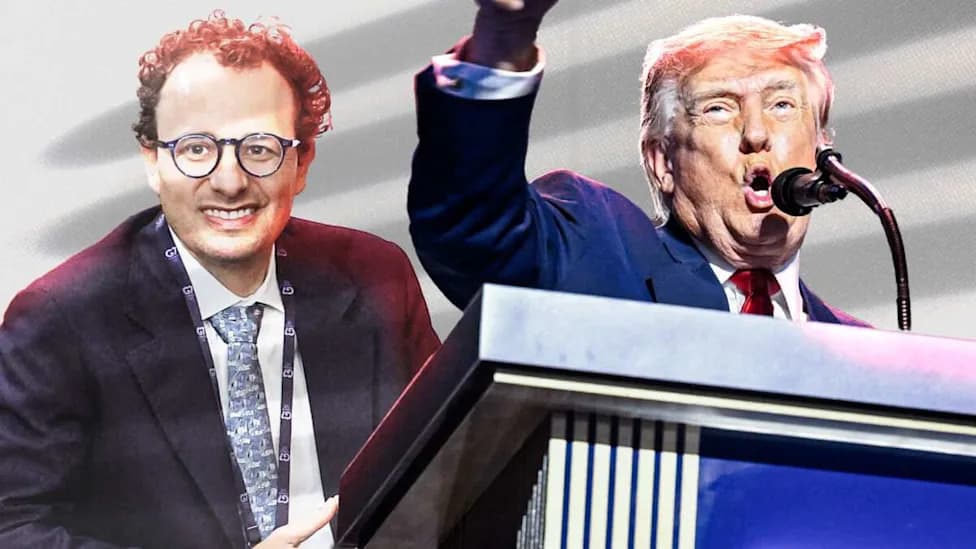
David Sacks, a tech adviser to President Trump, said on Sept. 16 that public fears about AI are being fueled by advocacy groups and media coverage rather than the technology itself. He urged developers to ensure safety and be held liable for harms, arguing that new federal regulation is unnecessary. His comments echo President Trump's dismissal of calls for AI rules as a "hoax" and follow debate sparked by Anthropic researcher Jacob Coxon's resignation.
Trump Adviser David Sacks: AI Fears Follow a 'Fear‑Mongering Playbook'; Calls For Liability, Not New Rules
FILE PHOTO: AI (Artificial Intelligence) letters and robot hand miniature in this illustration created on June 23, 2023. REUTERS/Dado Ruvic/Illustration//File Photo
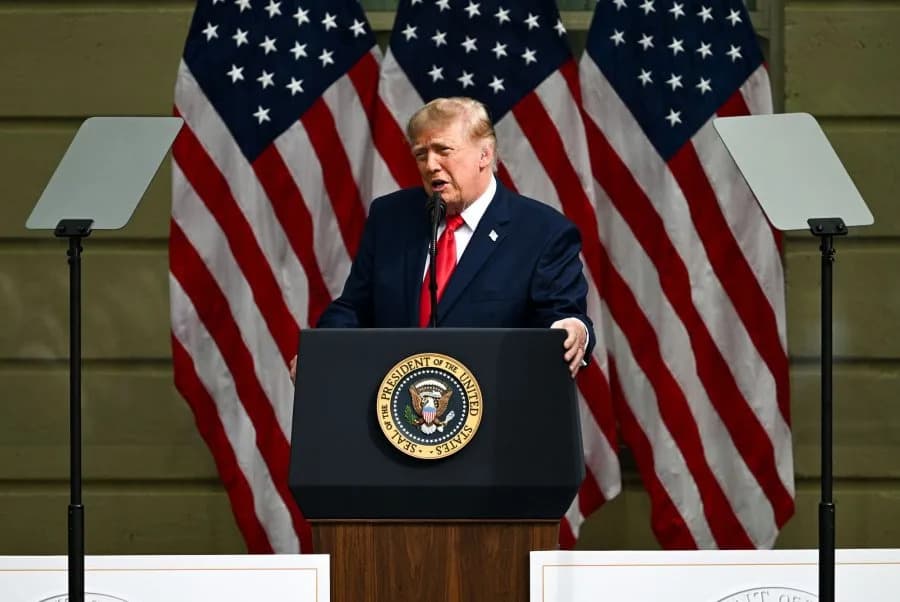
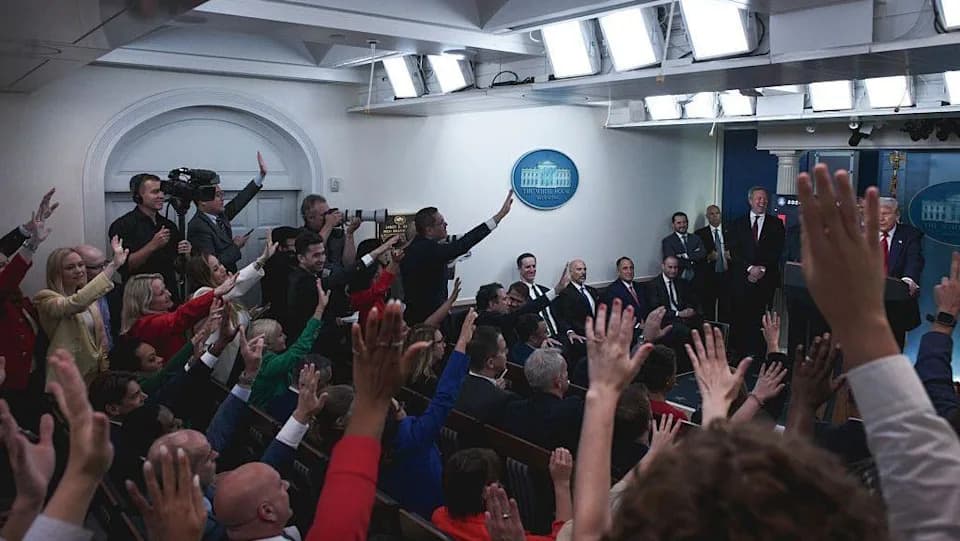
WASHINGTON, Sept 16 (Reuters) - David Sacks, an outside tech adviser to U.S. President Donald Trump, argued on Wednesday that rising public anxiety over artificial intelligence is being driven more by advocacy campaigns and media coverage than by the technology itself. Speaking by video at a Politico event, Sacks echoed the president's recent dismissal of calls for new federal AI regulation.
"We've seen this playbook, this fear-mongering playbook, over and over again,"Sacks said, referring to repeated waves of public alarm about new technologies and their societal effects.
Sacks, a venture capitalist and co-chair of the president's tech advisory board, said AI developers should be responsible for ensuring their systems are safe and should be held liable if their products cause harm. He argued that targeted liability and industry accountability, rather than fresh federal rules, are the right path forward.
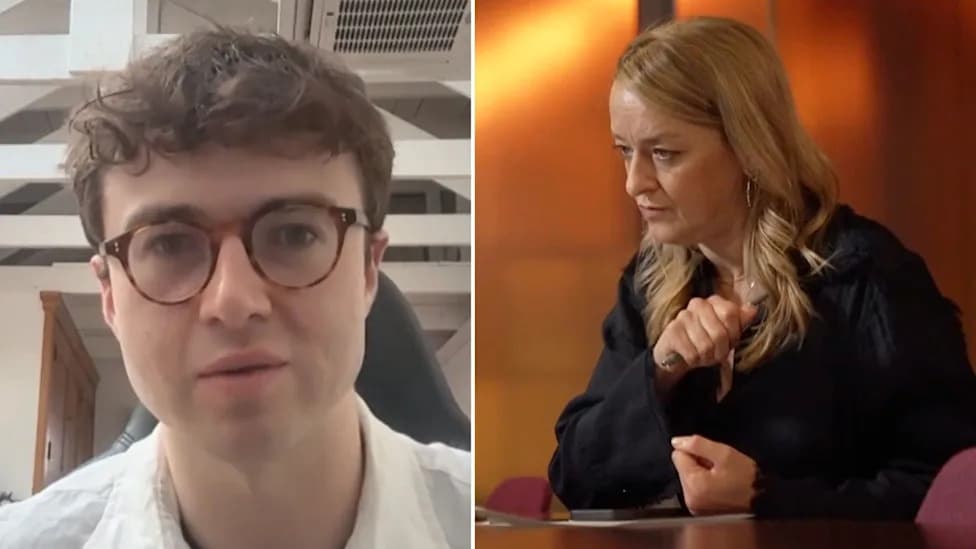
Public concern intensified after Anthropic researcher Jacob Coxon said last week he resigned in part because "the people building AI earnestly believe that it could kill us all by the end of the decade." That comment has heightened debates among technologists, policymakers and the public about the pace and risks of advanced AI development.
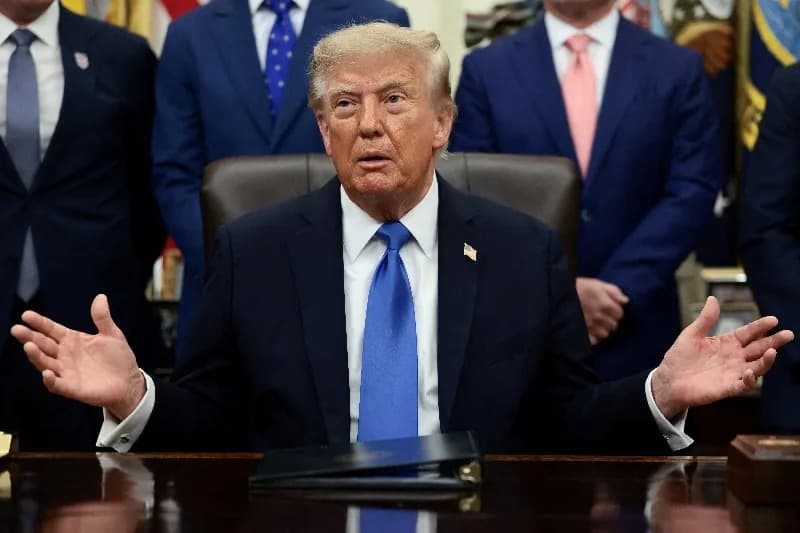
Earlier in the week, President Trump brushed aside calls for new federal AI rules, saying the United States only needs a strong president — which he said it has "in spades" — and labeled some appeals for regulation a "hoax." Sacks' remarks appeared to mirror that rhetorical approach, challenging alarmist framing while urging industry responsibility.
This exchange highlights a broader policy debate: whether to rely primarily on industry-led safety measures and liability frameworks or to pursue new government regulations to manage the risks posed by increasingly capable AI systems.
Reporting by Courtney Rozen; Edited by Chizu Nomiyama.
Help us improve.