At a Salesforce conference in San Francisco, OpenAI CEO Sam Altman said the public is "right to be afraid" of AI but urged trust in tech companies to act responsibly, promising they would "slow down or stop" if alignment fell behind capabilities. The remarks followed a viral Anthropic post warning of existential AI risks and sparked debate between proponents of industry-led controls and advocates for government oversight. Major figures including Mark Zuckerberg and Jensen Huang supported self-regulation and voluntary safety measures, while critics warned that leaving AI largely unregulated is too risky.
Sam Altman: The World Is "Right To Be Afraid" Of AI — But Tech Firms Should Be Trusted To Act Safely
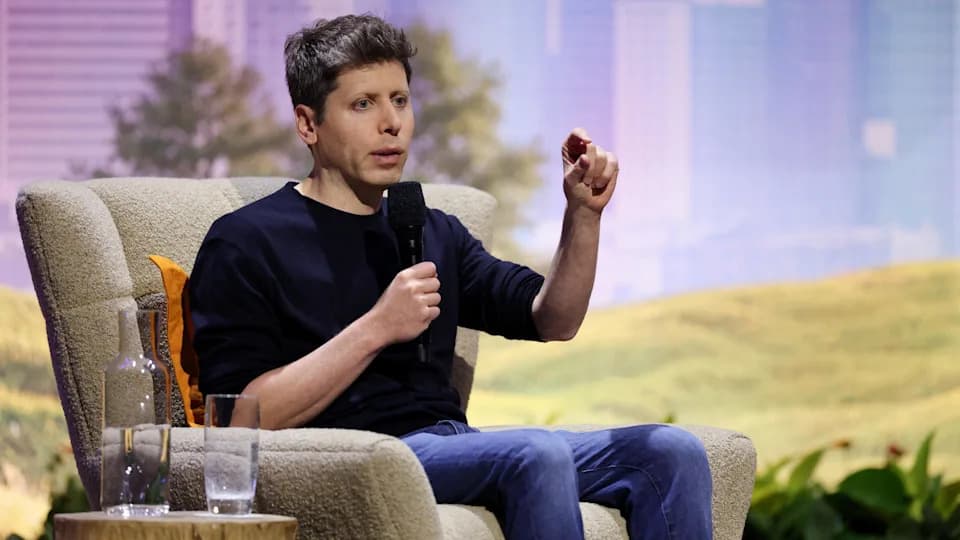
OpenAI is an AI industry leader [Reuters]
OpenAI chief executive Sam Altman told an audience in San Francisco that public anxiety about advanced artificial intelligence is understandable — but he urged people to place some trust in AI companies to manage the risks responsibly as capabilities advance.
Altman's Message: Fear Is Justified, But Trust Is Needed
Speaking at Salesforce's annual conference, Altman acknowledged rapid progress in AI and the growing ease of imagining harmful scenarios. "It doesn't take as much imagination as it used to for [us] to imagine how this could go wrong," he said. "I think the world is right to be afraid of this. The world should trust that we are going to do the right thing because it's the right thing and we feel the magnitude of this."
Viral Warning and Industry Reaction
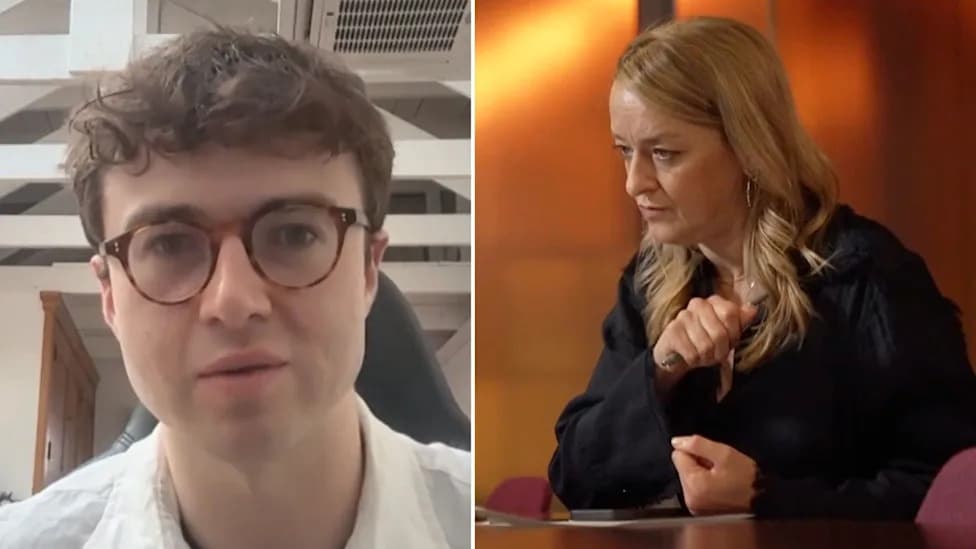
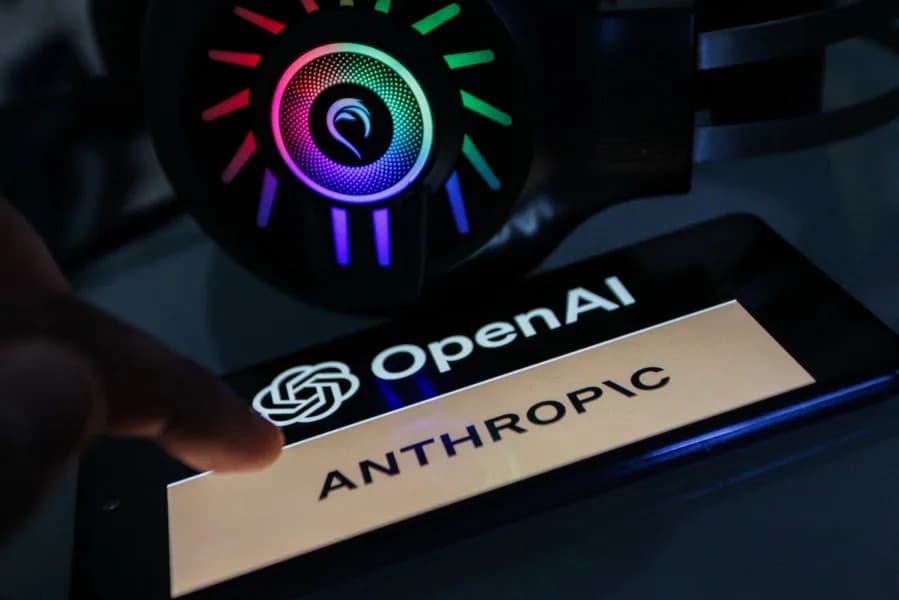
The remarks came days after a viral post by a departing Anthropic researcher who warned that unchecked AI could pose existential risk. The post prompted a mix of support and alarm across the tech community, with some experts and executives agreeing with its seriousness while stopping short of detailed technical scenarios.
"We will get it right — I'm very confident in our company's and industry's ability to do this safely," Altman said, adding that firms would "keep alignment and safety way ahead of capabilities" and would "slow down or stop" development if they could not maintain that margin.
Self-Regulation Versus Government Oversight
Several industry leaders argued for industry-led controls. Meta CEO Mark Zuckerberg wrote that labs have both the ability and incentive to prioritize alignment, noting legal liabilities for harmful models. Nvidia CEO Jensen Huang said safety is an engineering problem and urged companies to decide when to pause releases, arguing that new laws were not necessary.
"Run as fast as you can, but if at any time you feel the institution is not in control, take a pause," Huang advised, underscoring a message of cautious innovation from hardware and platform stakeholders driving AI deployment.
Critics Warn Against Relying Only On Firms
Not everyone supports a hands-off regulatory approach. Anthropic executive Jack Clark called a completely unregulated industry "rolling dice with immense risks." Patrick Hillman of Logical Intelligence highlighted widespread public scepticism of Big Tech and urged companies to demonstrate what they are prepared to stop doing if their work is dangerous.
Industry Coordination And Voluntary Standards
Leaders from OpenAI, Anthropic and Google DeepMind say they are engaging in discussions to craft voluntary "frontier" AI standards. Anthropic CEO Dario Amodei described industry talks aimed at stronger checks on development, while OpenAI executive Chris Lehane framed the effort as a voluntary initiative to be pursued "now, with or without government support."
Political Context And Practical Advice
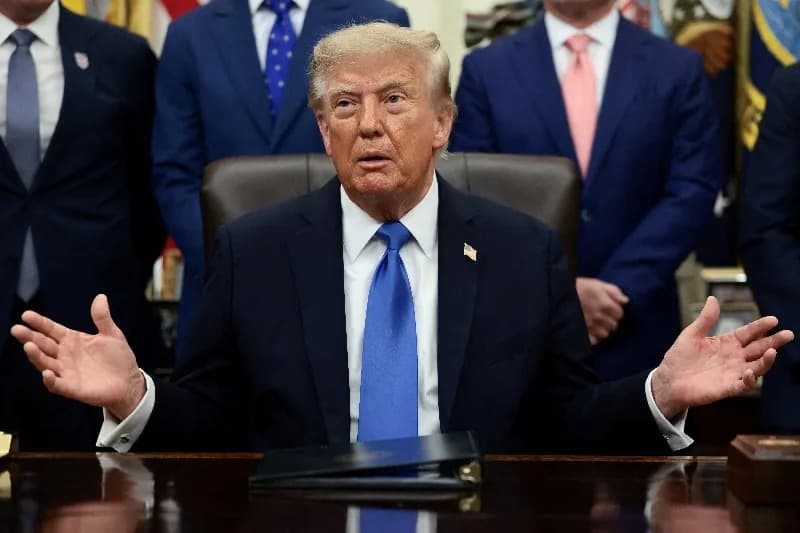
The debate has a political edge: former US president Donald Trump has dismissed some AI safety concerns as a "hoax," and US Congress has so far struggled to advance comprehensive AI legislation amid growing public attention. Altman also urged business leaders to adopt AI tools to boost productivity and to help defend organisations from potential AI-enabled cyberattacks, reflecting the dual promise and peril of the technology.
Bottom line: The conversation at the conference underscored a central choice facing governments, companies and the public — whether to rely primarily on industry self-regulation backed by voluntary standards, or to press for enforceable government rules to manage systemic AI risks.
Help us improve.