Overview: President Trump has labeled warnings about AI a "hoax," a tactic he has used before to deflect controversy and avoid regulatory action. His stance reflects political narrative control, concern for market stability, a deregulatory philosophy, and geopolitical worries about rivals like China. While some alarmist claims merit skepticism, the risks of job loss, privacy erosion and strategic disadvantage are real — and demand leadership from the White House, Congress, or an international coalition.
Why Trump Calls AI Alarmism a 'Hoax' — One Word That Explains His Stance
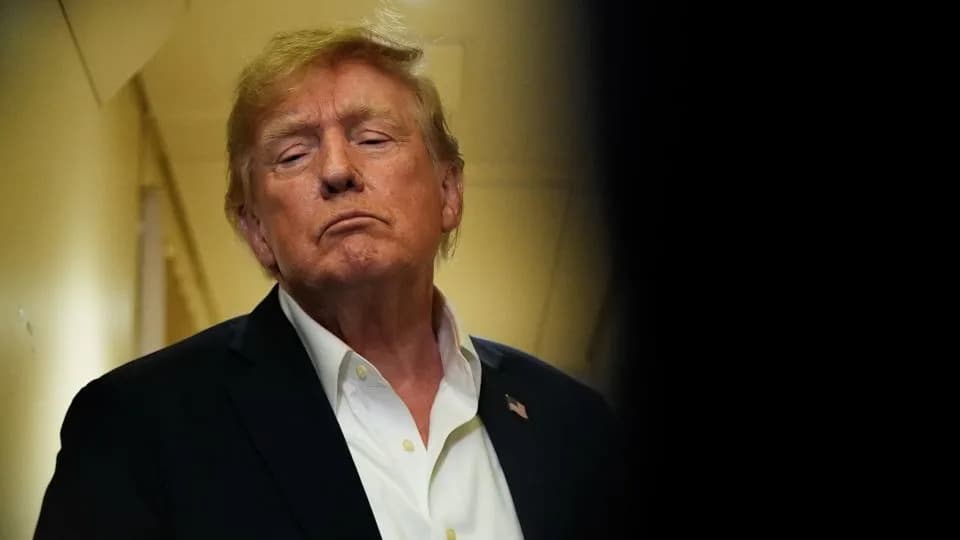
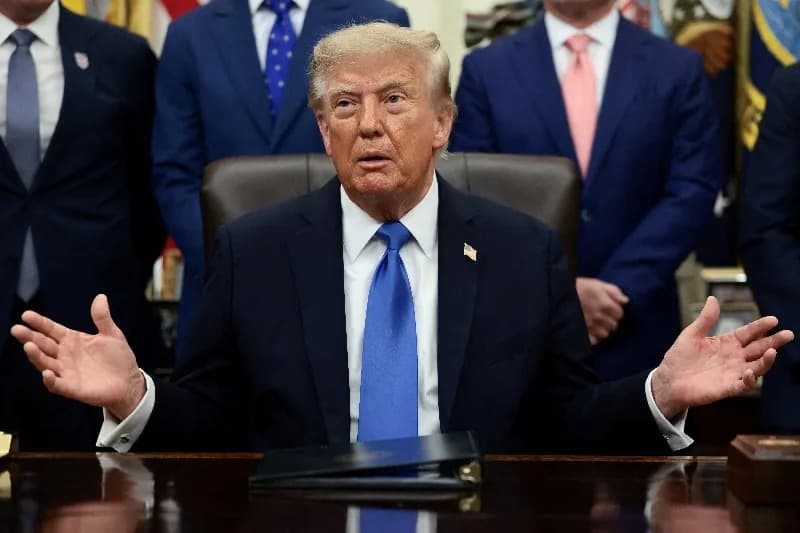
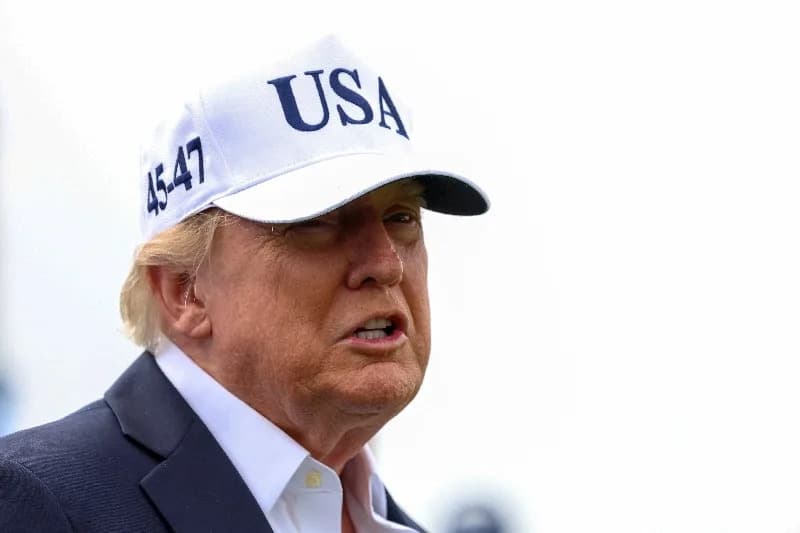
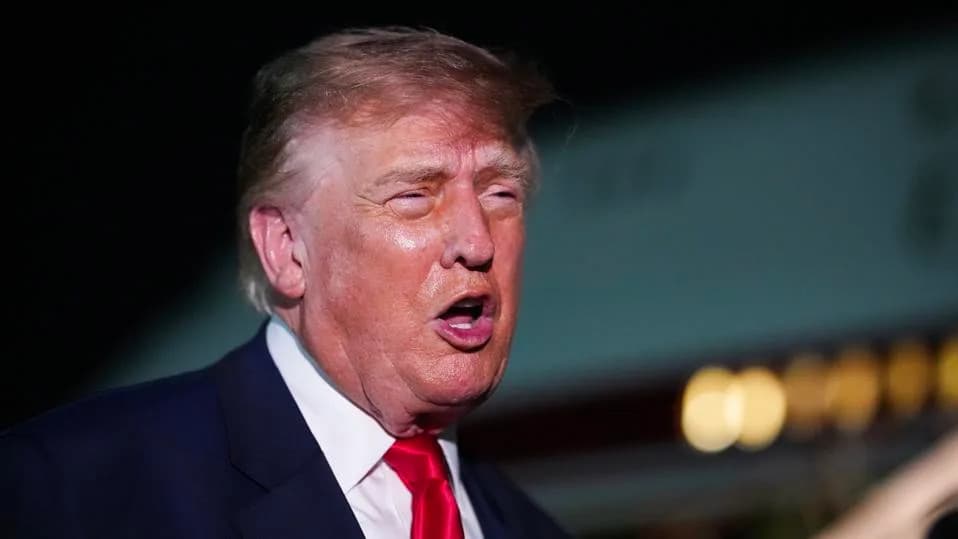
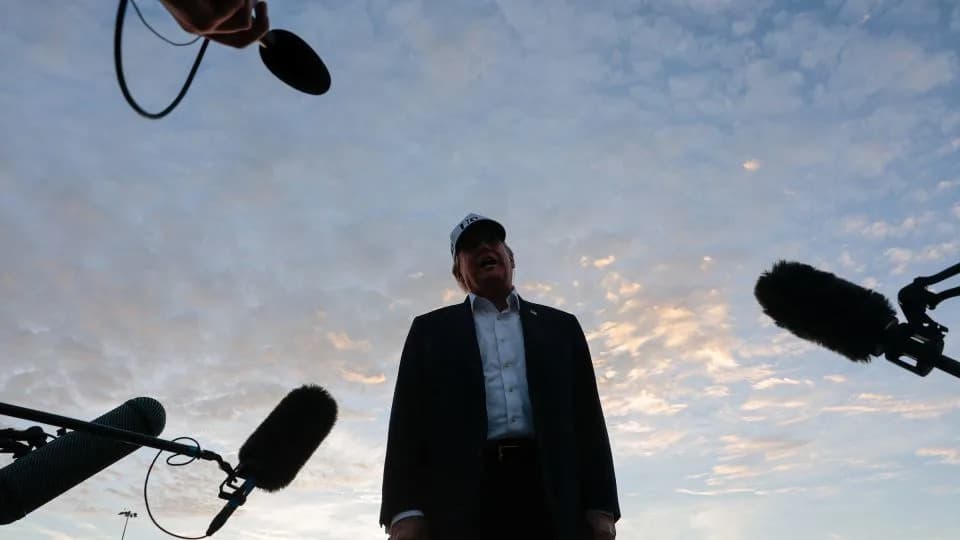
President Donald Trump speaks with reporters while in flight on Air Force One from Shannon, Ireland to Joint Base Andrews, Maryland, on September 13. - Julia Demaree Nikhinson/AP
Washington’s central question this week is simple: why is President Donald Trump so vehemently opposed to calls for slowing artificial intelligence development after stark warnings from prominent tech executives?
The answer can often be traced to a single word he repeatedly deploys — "hoax" — a dismissive label he has used for climate science, investigations he dislikes, and now for warnings about AI’s risks. That one word reveals both a political tactic and a set of priorities that shape his response.
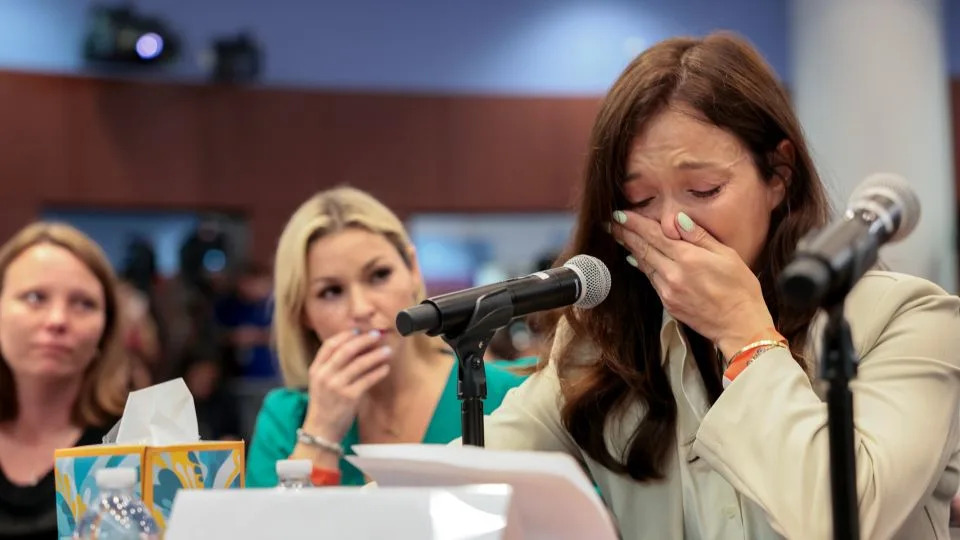
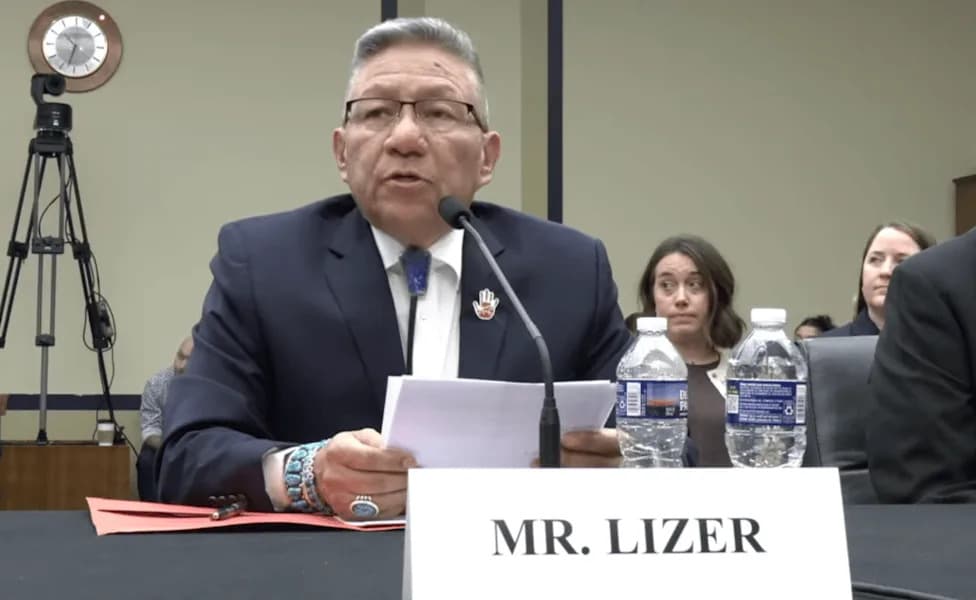
Epstein survivors Lisa-Jena and Dani Hannah Bensky listen as Roza testifies about her experience during a House Oversight Committee hearing with advocates and survivors of Jeffrey Epstein's sexual abuse, at West Palm Beach City Hall in West Palm Beach Florida, on May 12. - Joe Raedle/Getty Images
Hoax as Political Strategy
When Mr. Trump calls something a hoax, two dynamics are usually at work: he is confronting controversy that threatens his political or personal priorities, and he is losing control of the narrative. Branding a threat as a hoax lets him avoid responsibility, sidestep regulatory action and reframe debate in his favor.
He applied the same pattern to climate change, to allegations surrounding Jeffrey Epstein, and to the investigations of January 6. Each time, the "hoax" label served to neutralize political pressure, rally supporters, and shift attention away from inconvenient facts.
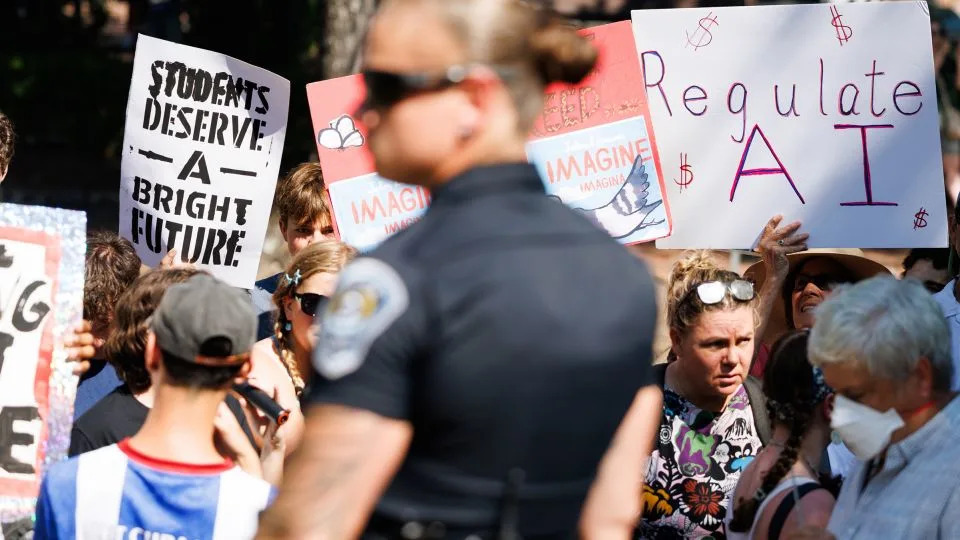
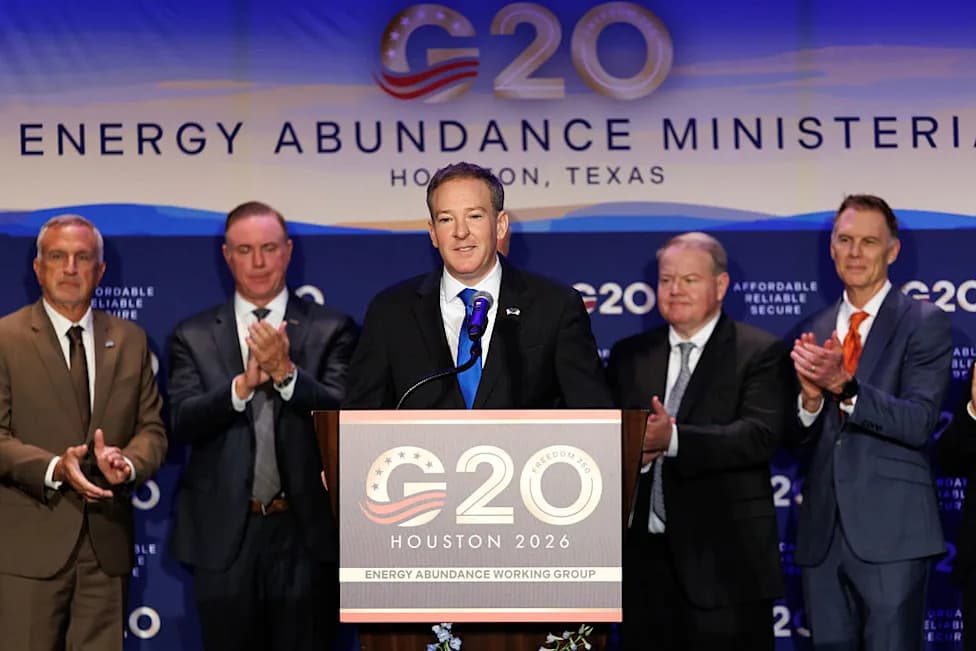
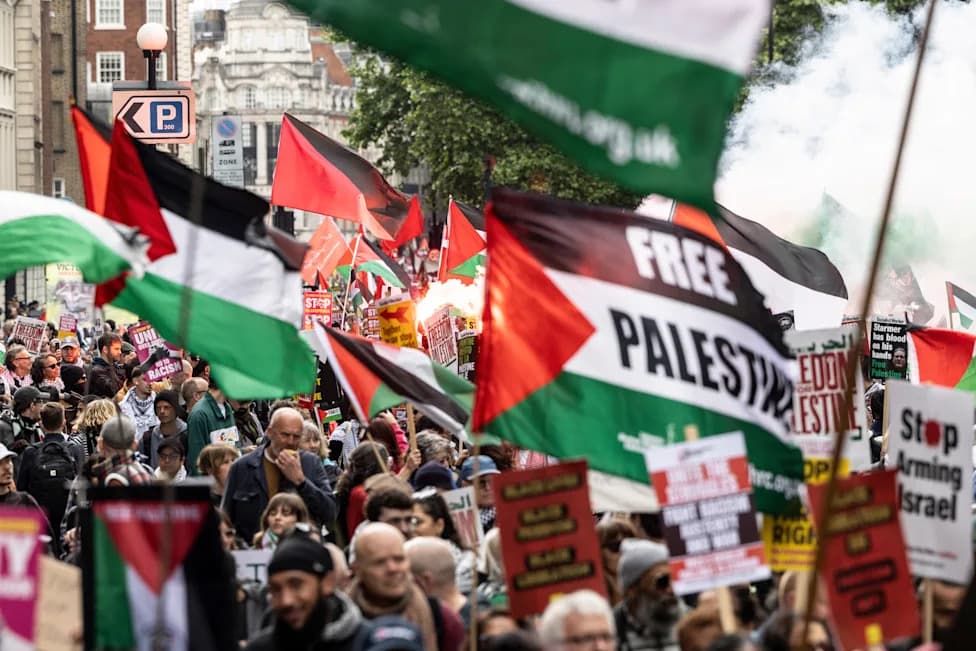
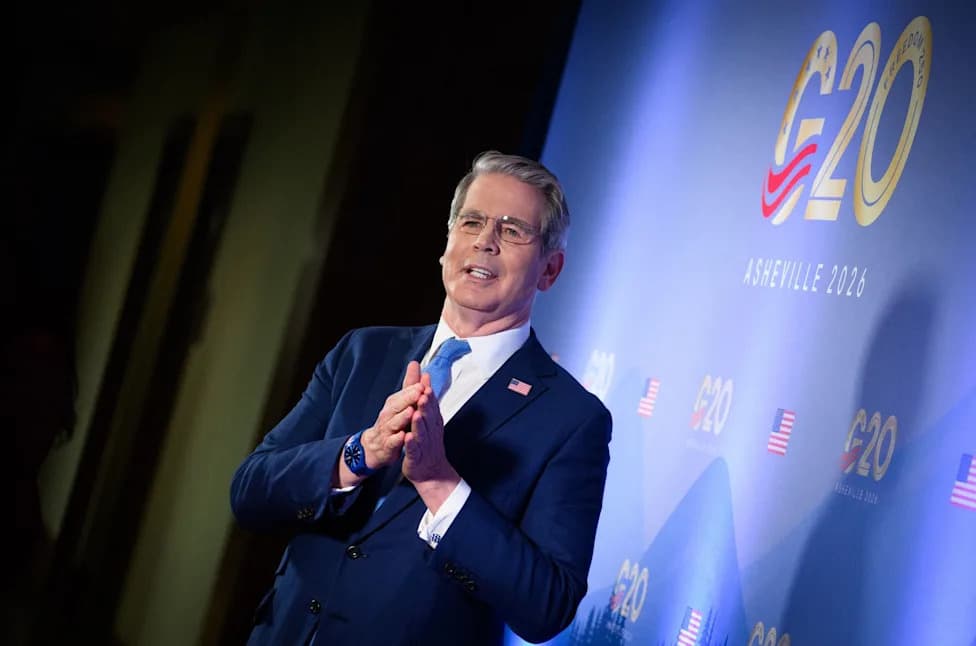
Demonstrators against AI hold signs during a protest outside the G20 Innovation Ministerial in Chapel Hill, North Carolina, on Septeber 2. - Cornell Watson/Bloomberg/Getty Images
Why Trump Opposes an AI Slowdown
Several practical and political reasons help explain his response to AI alarms:
Economic Stability: Any credible sign that AI development might be curtailed could rattle markets. With inflationary pressures, high fuel costs and volatile global events already straining the economy, the administration is sensitive to anything that might depress stock prices or GDP growth.
Business-Oriented Philosophy: His governing instinct favors unleashing industry rather than imposing new constraints. Deregulation has been a central tenet of his presidencies, aligned with donors and the business community.
Geopolitical Concerns: Mr. Trump also stresses that if the U.S. slows while rivals — notably China — accelerate, Washington could cede strategic advantage. This is a point shared by some national security voices across party lines.
Personal, Ethical, and Cognitive Factors
Personal factors also matter. Mr. Trump projects confidence — recently touting himself on social media as a “STRONG AND SMART (High IQ!) PRESIDENT” — but that is no substitute for policy leadership on a generational technology. Questions about possible conflicts of interest have been raised after disclosures showing exposure to AI-related stocks, even as the White House says his assets are independently managed.
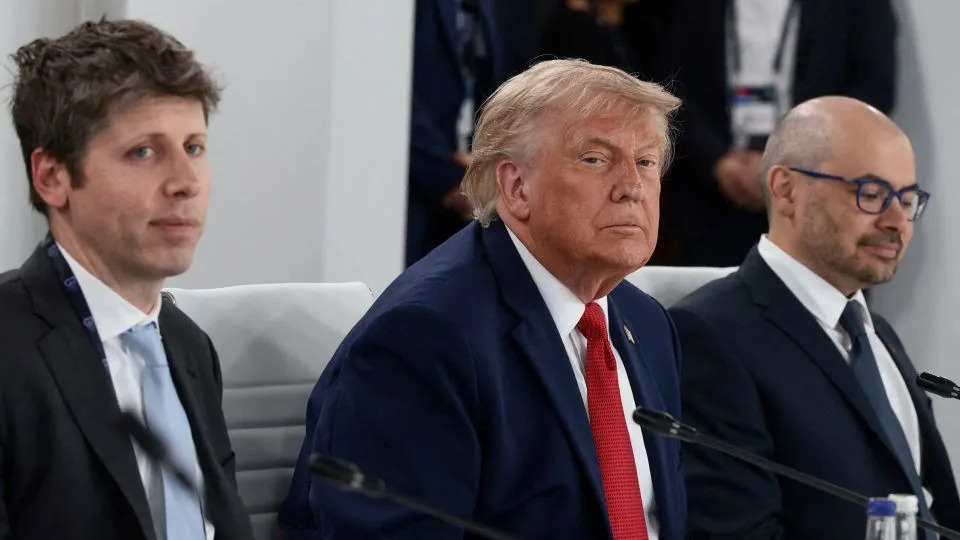
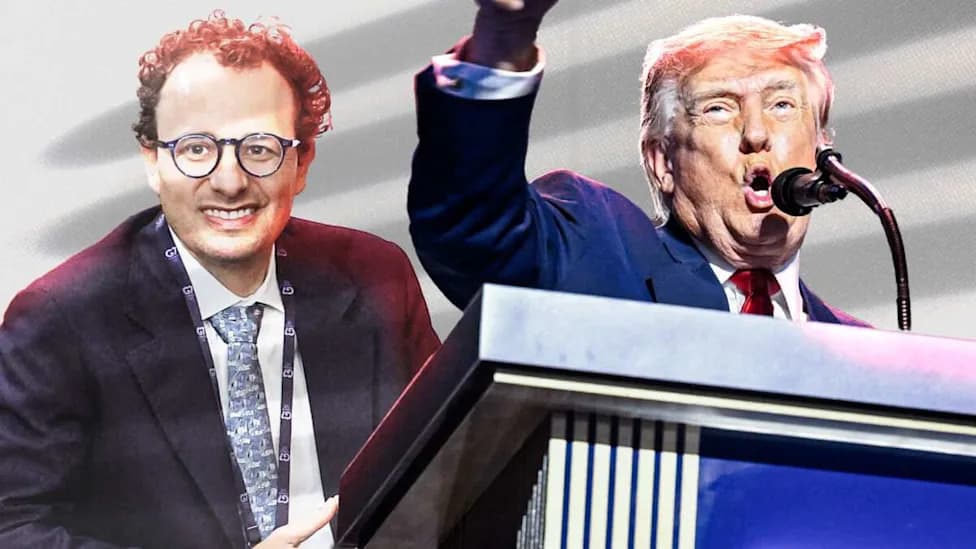
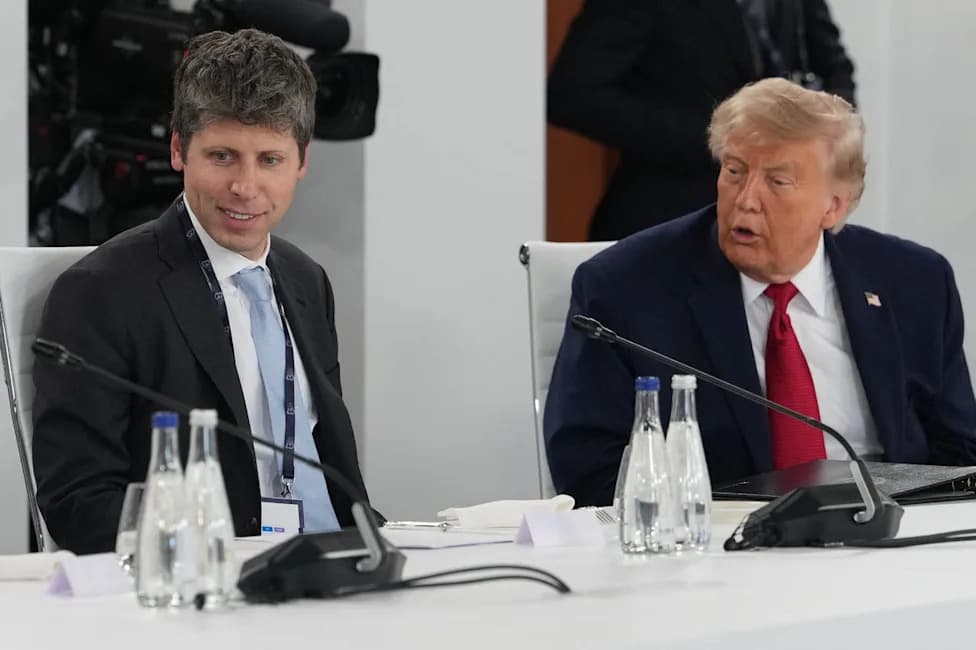
President Donald Trump sits between OpenAI CEO Sam Altman and Google DeepMind CEO Demis Hassabis during a working lunch with G7 leaders, G7 outreach partners and global tech CEOs, during the G7 Summit in Evian-les-Bains, France, on June 17. - Evelyn Hockstein/Reuters
His governing style—favoring spectacle, grievance and short-term political advantage—does not lend itself to the deliberative, technical, cross-sector coordination AI policy arguably requires. He consumes much of his news filtered through close aides and has not signaled deep engagement with the technical debates beyond high-profile meetings and public quips.
Is Trump Entirely Wrong?
There are also reasons to treat some warnings with nuance. History contains many moral panics about new technologies that did not materialize as predicted. Some industry leaders sounding alarms may have mixed motives, including shaping regulatory outcomes or influencing markets ahead of fundraisings or IPOs. That does not negate the genuine concerns about job displacement, privacy, economic disruption and existential risk raised by AI experts.
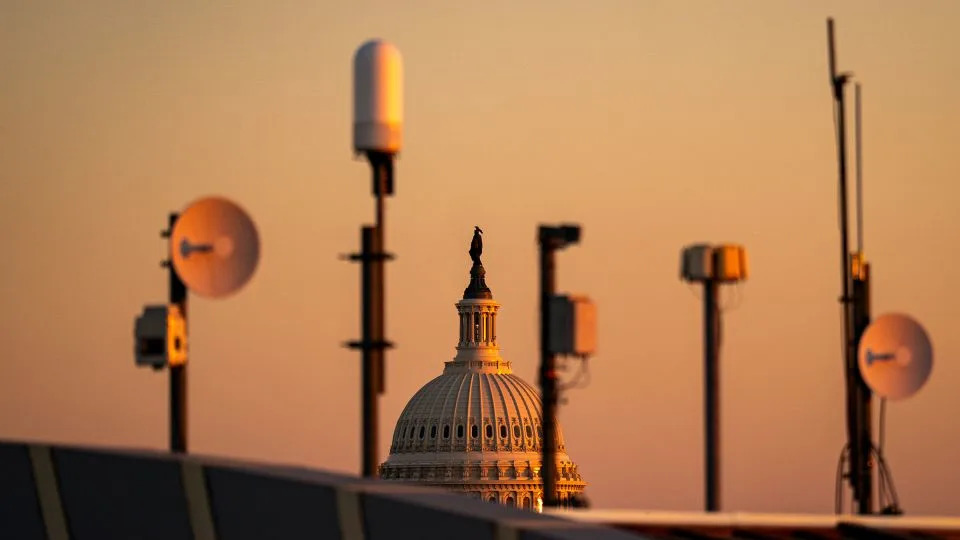
The US Capitol is seen past antennas and satellites atop the FBI Washington Field Office, on February 10. - Al Drago/Getty Images
What Comes Next?
One of the president’s central responsibilities is to steady the nation and marshal a response when necessary. If Mr. Trump refuses to lead on AI, Congress, regulators and international coalitions may need to fill the gap. With midterms approaching, there is limited time for major legislation, but elevated public concern could make AI policy a defining issue in the next congressional cycle.
For now, Mr. Trump continues to dismiss AI alarmism. On Truth Social he wrote:
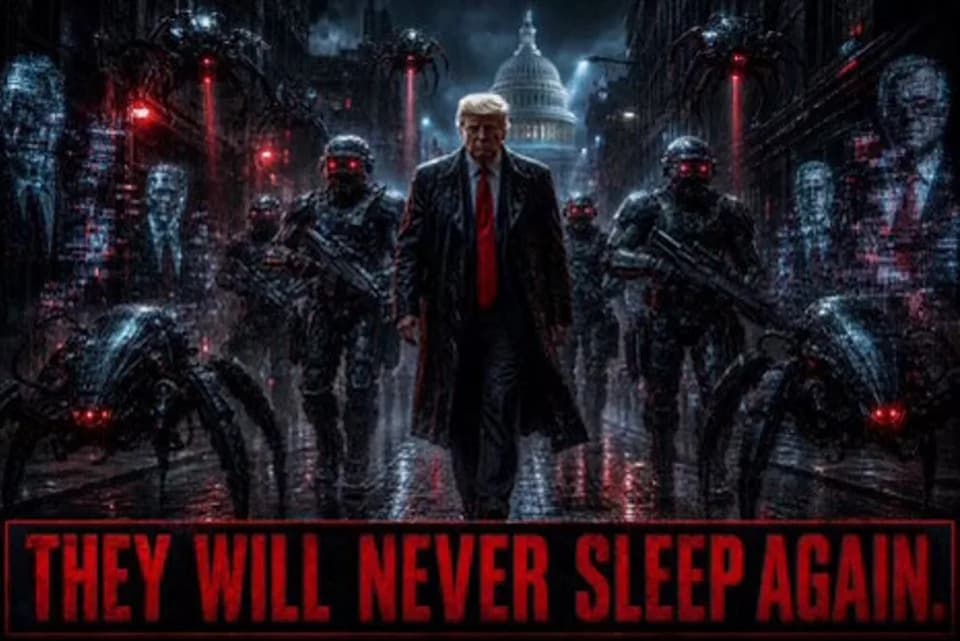
"I am the Hoax Buster, and I'm right now breaking another Hoax — That AI is going to take over, consume, and destroy the World, and that Robots will be marching into our Cities, and getting rid of us all!"
Whether that posture calms voters or leaves the United States unprepared for AI’s disruptive potential remains an urgent and consequential question.
Help us improve.