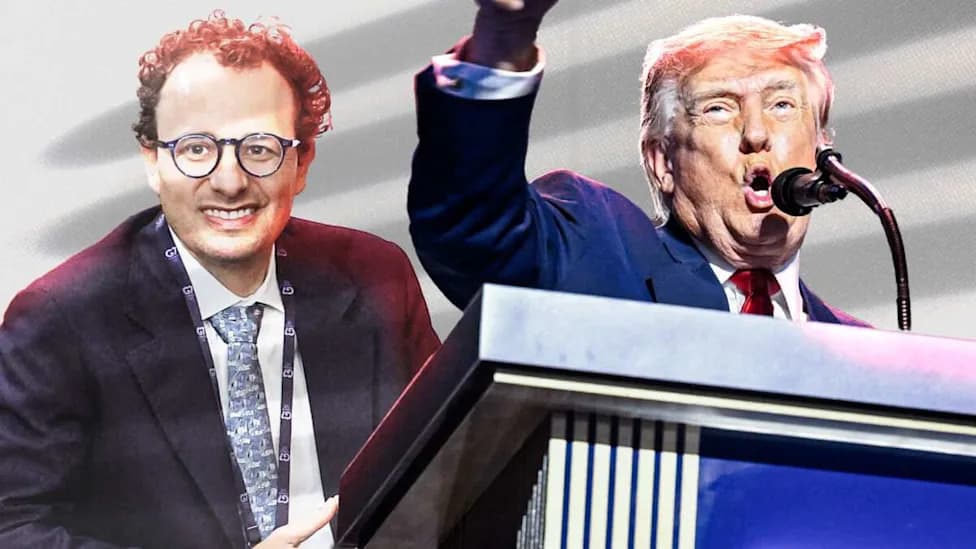
David Sacks, a billionaire venture capitalist and former White House AI and crypto adviser, has pushed President Trump toward minimal federal restrictions on artificial intelligence. He has criticized calls for independent third-party model evaluations and opposed industry proposals to slow development, arguing that strong regulation risks ceding U.S. leadership. Critics say Sacks' closeness to the president shows how wealth and access can shape policy and could leave safety concerns insufficiently addressed.
‘AI Whisperer’ David Sacks: How Trump’s Adviser Is Fighting Strong AI Regulation
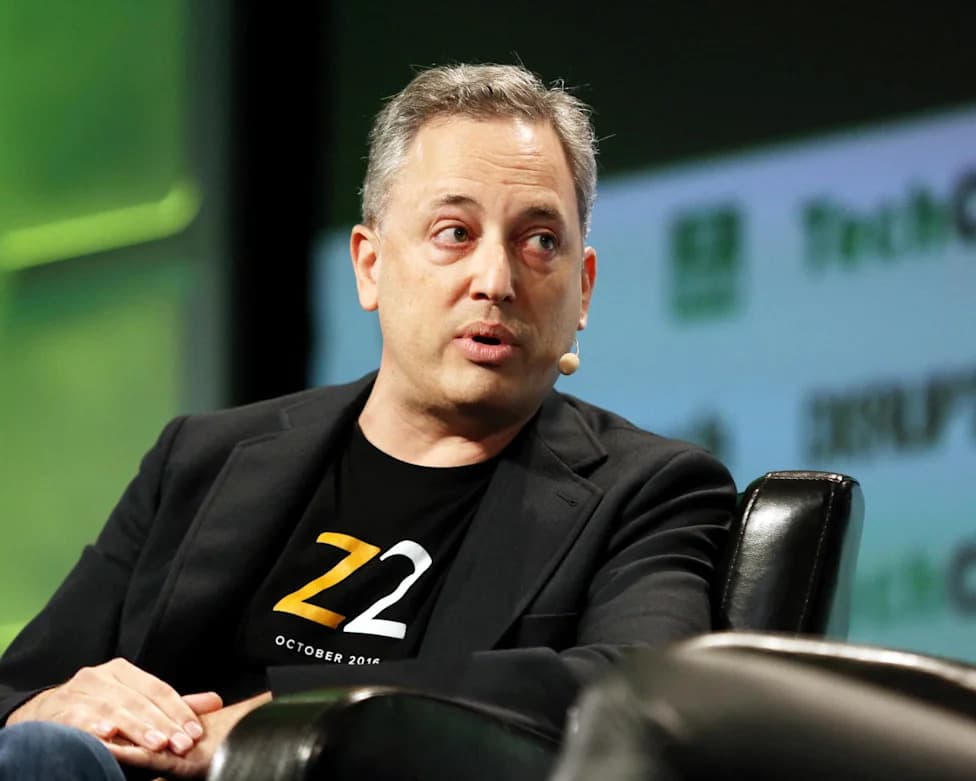
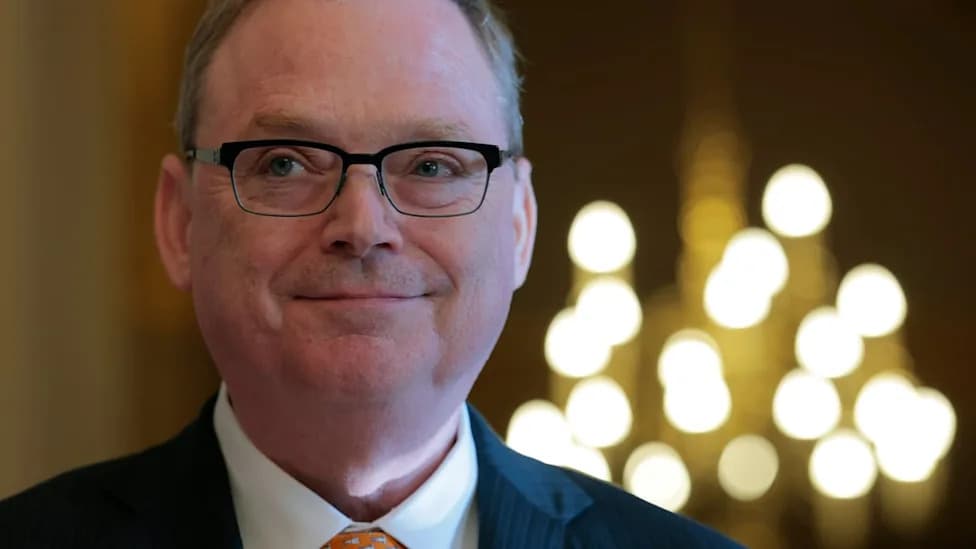
David Sacks, CEO of Zenefits, speaks during 2016 TechCrunch Disrupt in San Francisco, California, on 13 September 2016.Photograph: Beck Diefenbach/Reuters
David Sacks, a billionaire venture capitalist and former White House adviser on artificial intelligence and cryptocurrency, has emerged as a leading voice urging President Donald Trump to resist strong federal regulation of AI. Sacks argues that heavy-handed rules would undermine U.S. competitiveness in AI and that existing criminal and regulatory tools already give government substantial authority over tech companies.
Sacks' Role And Influence
Sacks is widely described as Trump’s most influential confidant on AI policy. He counseled the president toward a light regulatory approach, helped shape executive actions aimed at pre-empting state-level AI restrictions, and played a visible role in White House events, including an AI summit co-hosted with Trump in Washington. Although Sacks stepped down from his formal role as a 'special government employee,' he has remained close to the administration and continues to advocate policy positions consistent with his investments in AI startups.
Key Episodes
In December, the president signed an executive order that blocked state laws limiting AI and directed a federal taskforce to challenge state regulations — a move that, according to reporting, reflected Sacks' advice. In March the White House presented an AI policy urging Congress to pre-empt state rules, and in July Sacks and Trump hosted a public AI summit. During a live event, Trump called Nvidia CEO Jensen Huang to discuss AI regulation while Sacks was interviewing Huang onstage — an episode that underscored his proximity to both political and industry leaders.
Industry Debate And Pushback
The debate over regulation intensified after several researchers and technologists — including more than 100 signatories such as Geoffrey Hinton and Stuart Russell — called for independent third-party evaluations of advanced models. Sacks dismissed that proposal on social media as 'pseudoscience' and as an attempt at 'censorship and control.' He also described calls to slow model development, prompted in part by comments from an Anthropic researcher and a safety proposal from Anthropic CEO Dario Amodei, as politically motivated and prone to regulatory capture.
'If the unreleased models are scary enough that you think you should slow down, I support your decision to be responsible. But stop pretending you need anyone else's permission,' Sacks wrote in response to Amodei's proposal.
Background And Political Activity
Born in Cape Town in 1972, Sacks emigrated to the U.S. as a child, studied economics at Stanford and later co-founded Craft Ventures in 2017. The fund invests in a range of technology companies and reported roughly $3.3 billion in assets under management in 2023. Over the last decade Sacks has become more politically active, shifting from an early donation to Hillary Clinton's 2016 campaign to predominantly supporting Republican candidates and causes. He has hosted high-dollar fundraisers for Trump and helped found the All-In podcast, a prominent platform among tech investors.
Criticism And Public Opinion
Critics say Sacks' influence illustrates how wealth and connections can shape policy decisions, potentially sidelining public-safety concerns. Advocates for stronger oversight point to polls showing broad public support — including among Republicans — for federal action to ensure AI is developed and deployed safely. Some administration advisers reportedly urged a more cautious approach to AI, but the president has often sided with Sacks' recommendations.
Sacks and the White House did not respond to requests for comment.
Help us improve.