Homeowners are using limited-time group purchases to make heat pumps more affordable. By pooling demand, organizers secure bulk discounts — typically 10%–20%, or about $3,000–$6,000 per installation — which homeowners can combine with rebates and financing. The approach helps installers reduce marketing costs and smooth seasonal demand. Pilot programs from platforms like iChoosr and nonprofits such as Solar United Neighbors are expanding across U.S. metro areas.
Want a Better Price on a Heat Pump? Neighbors Buying Together Can Cut Costs
Last year, Marie Tai needed a more effective way to cool and heat her Boston condo. Her window air conditioners were struggling, summers were getting hotter, and she had just adopted a 16-year-old cat, Mittens, who needed a stable, comfortable indoor climate.
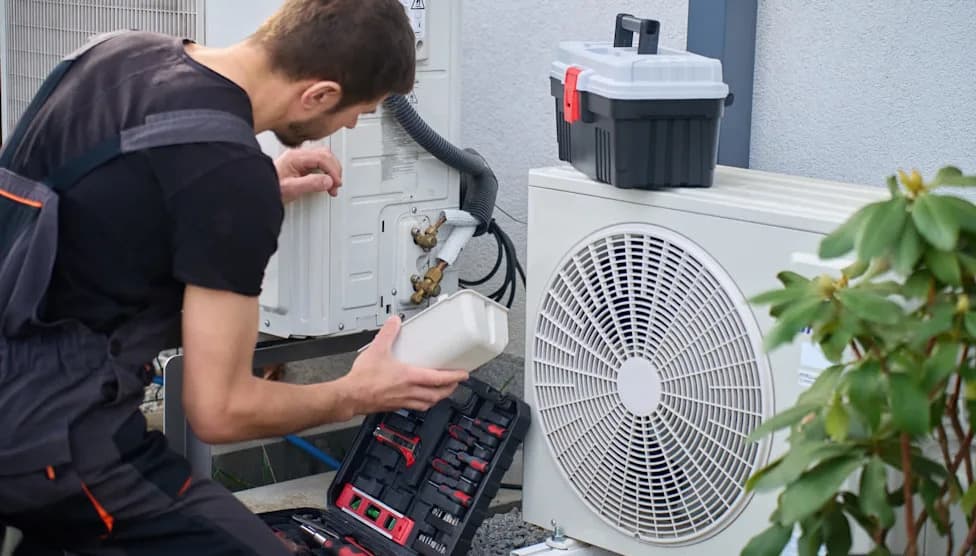
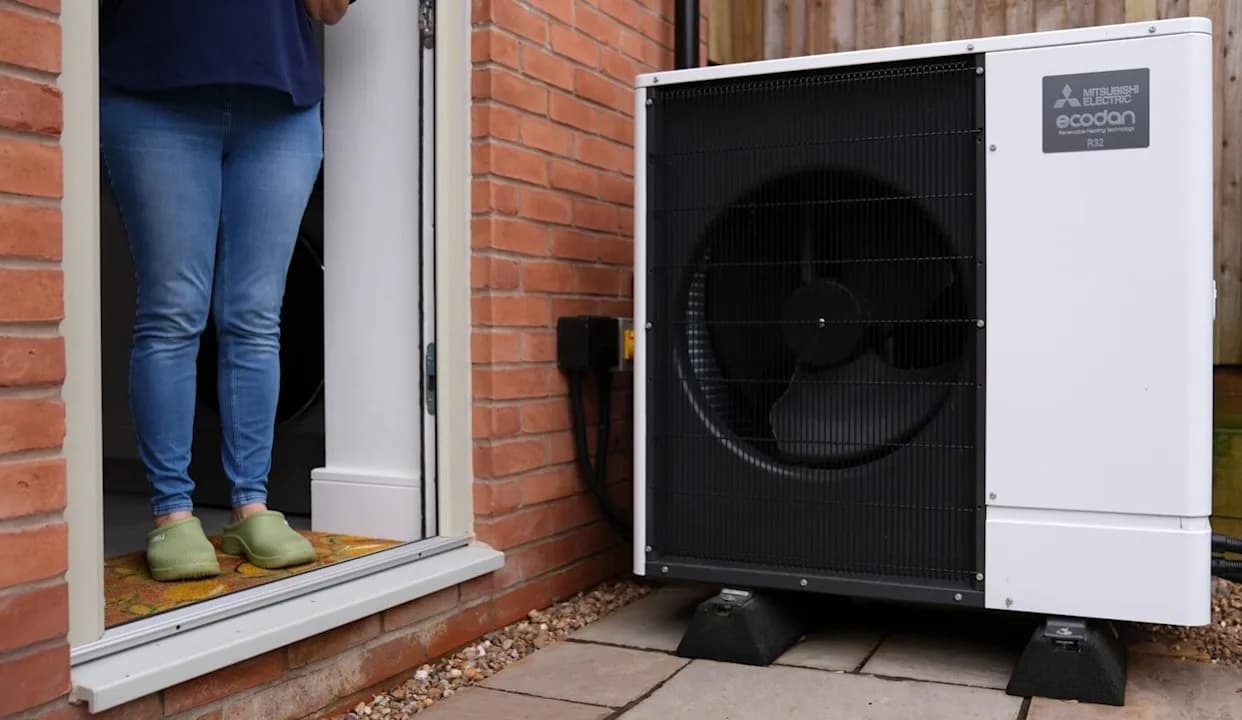
Tai had already considered installing a heat pump — an all-electric system that both heats and cools homes and reduces reliance on fossil fuels — but initial contractor quotes of roughly $28,000 to $40,000 for her 1,000-square-foot, two-bedroom unit felt prohibitive. After pausing the project, she found a different option through a Facebook post: a group-buy program run by Laminar Collective, a local startup that researches heat-pump technology and coordinates installations.
Group-buy programs pool customer demand so installers can buy equipment in bulk and spend less on marketing, passing savings to homeowners. After a home assessment, Tai signed up for a ductless minisplit system through Laminar for about $20,000 — thousands less than earlier quotes. She combined that price with an $8,500 state rebate and eight-year, 0% financing.
The switch has been transformative, Tai said: she no longer needs fuel oil in winter, her energy bills dropped by roughly $1,300 last year, the indoor units are quiet and filter the air (helping her allergies), and Mittens is comfortable and recovering. "I couldn't be happier," she said.
How Group Buys Work
These limited-time, demand-aggregation campaigns — run by nonprofits, contractors, or third-party platforms — typically secure discounts of about 10%–20%, often translating into $3,000–$6,000 in savings per installation. Enrollment windows usually remain open for several weeks to a few months while organizers collect sign-ups and invite vetted installers to bid. Customers receive individualized quotes before committing and can opt out without penalty.
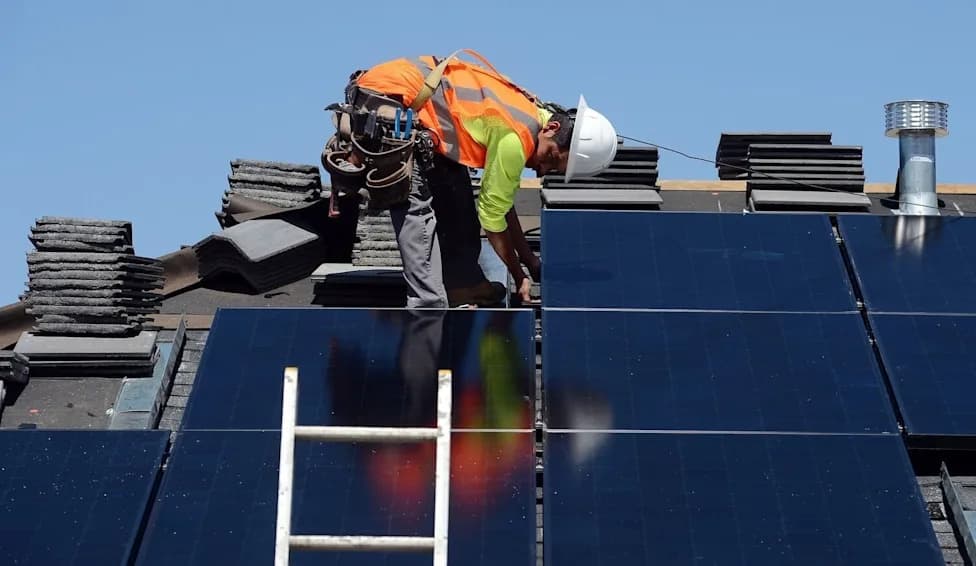
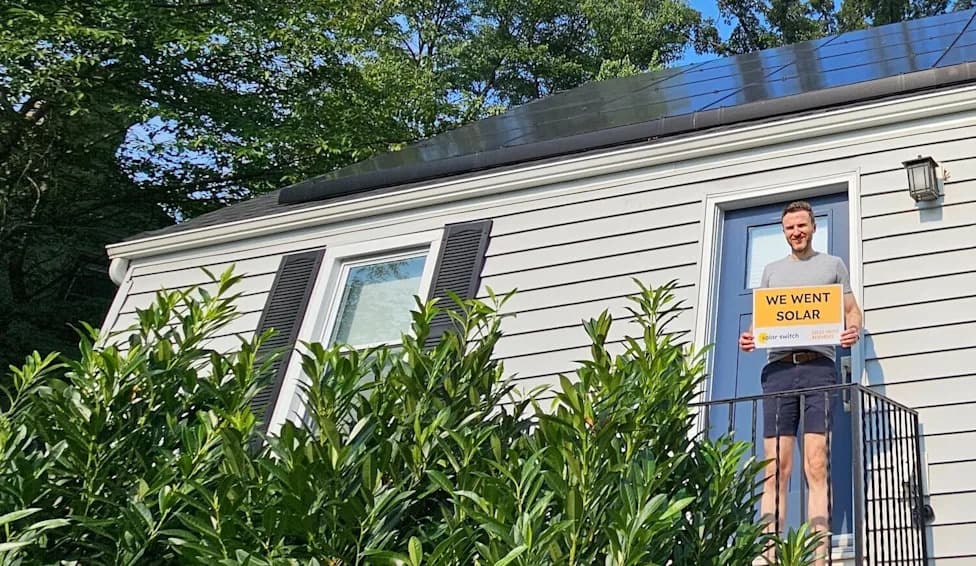
Group buys can be grassroots, contractor-led, or managed by a third party that vets installers through a competitive process. The model has precedent: Solar United Neighbors has coordinated group solar purchases since 2007, and similar collective approaches are now expanding to heat pumps.
Policy And Market Context
Upfront costs remain a barrier: whole-home heat-pump installations commonly range from $17,000 to $30,000 depending on home size, insulation, climate and other factors, according to electrification nonprofit Rewiring America. In recent months, federal policy changes reduced some electrification incentives — for example, Congress eliminated a $2,000 federal tax credit for residential heat pumps, and the administration restricted certain uses of home energy-efficiency rebates. Those shifts have made local and nonprofit-led programs more important for many homeowners.
Platforms, Pilots And Contractor Benefits
Third-party platforms and nonprofits are expanding group buys nationally. iChoosr, an international bulk-buy facilitator, partnered with Solar United Neighbors to launch its Switch Together platform in the U.S. After successful campaigns in the U.K. and the Netherlands, iChoosr ran pilot U.S. programs last year in the Colorado Front Range and the Washington, D.C., area, completing roughly 90 installations and later drawing more than 1,000 expressions of interest in follow-up rounds. Since 2023, iChoosr has helped more than 5,100 U.S. homeowners get solar or batteries via its platform.
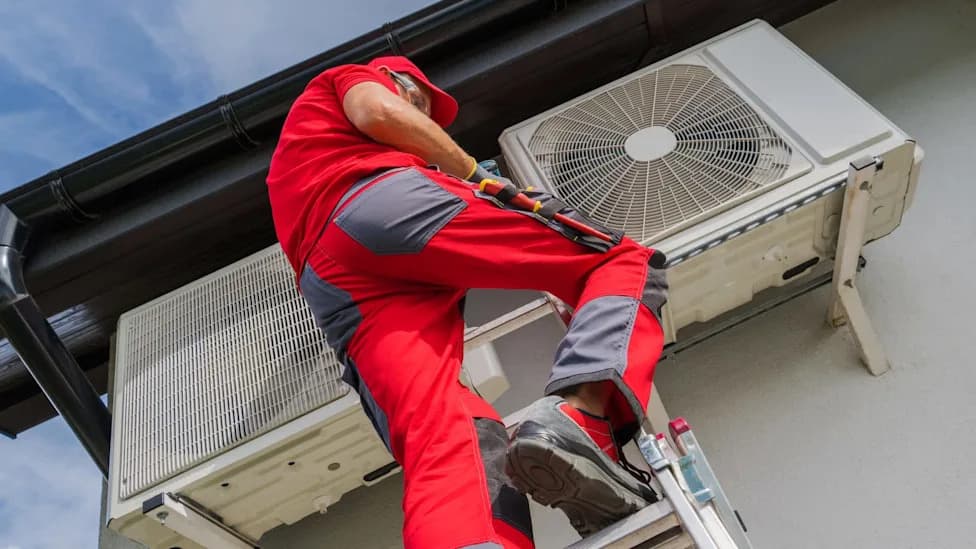
Contractors also gain: bulk programs reduce sales and marketing costs, create predictable, scheduled work during seasonal slowdowns and can lower per-project expenses. Elephant Energy estimated saving about $300 per project in its Colorado work with iChoosr. Vayu and VoltHub have run group buys in California and plan repeat campaigns because the model helps smooth demand and fill downtime.
How To Participate Or Start One
Interested homeowners who aren’t in a rush can sign up for existing programs or ask local officials to organize one. Partnerships with cities, counties or nonprofits can lend visibility and credibility: local governments can promote enrollment to constituents and help organizers reach enough participants to unlock better pricing.
Bottom line: If you can wait a few weeks to a few months and combine a group-buy price with available rebates and financing, you may reduce the upfront cost of electrifying your home and still realize operating-cost savings over time.
Help us improve.