PG&E launched SHARE, a new VPP in partnership with Google and Rewiring America, to recruit over 20,000 homes with Sunrun or Tesla batteries and Renew Home thermostats. Google has pledged about $14 million to underwrite initial costs and discounts on Carrier battery‑equipped HVAC units are being offered. Critics question whether SHARE addresses cost-allocation tied to Google’s planned 250‑MW San Jose facility and warn PG&E has a history of pilots that don’t scale. The program’s success will depend on whether funding turns into long-term operational change that keeps distributed resources available for the grid.
Will PG&E’s SHARE Program Finally Turn California Homes Into a Real Virtual Power Plant?
Should we get excited about California’s latest virtual power plant?
California has long been a natural laboratory for rooftop solar, home batteries and smart devices that could operate as virtual power plants (VPPs) to ease grid strain — yet the state has struggled to scale those resources. This month Pacific Gas & Electric launched SHARE (Smart Home Assets for Reliability and Efficiency), a new VPP effort in partnership with Google and the electrification nonprofit Rewiring America.
What SHARE Would Do
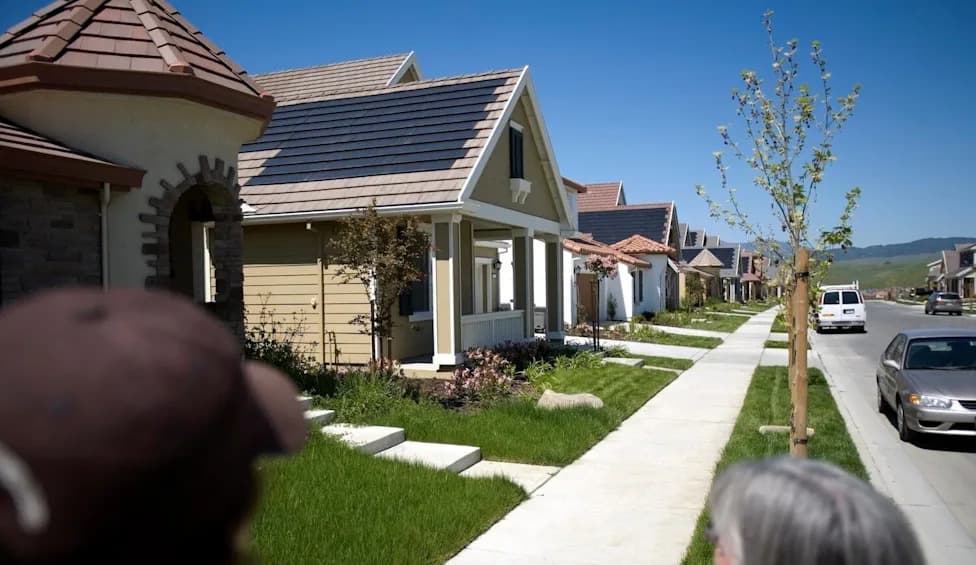
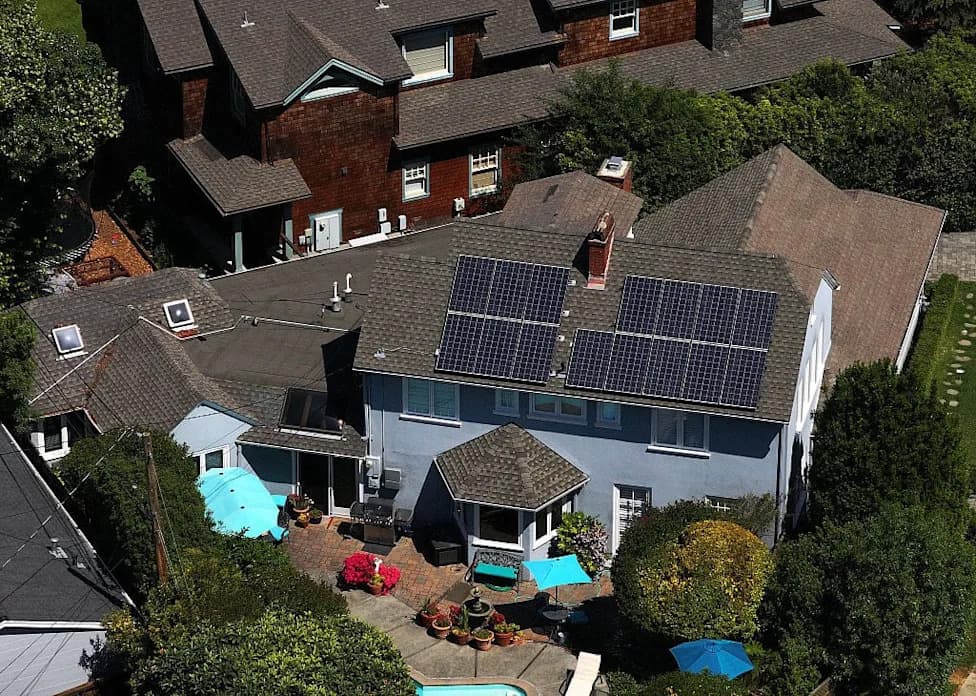
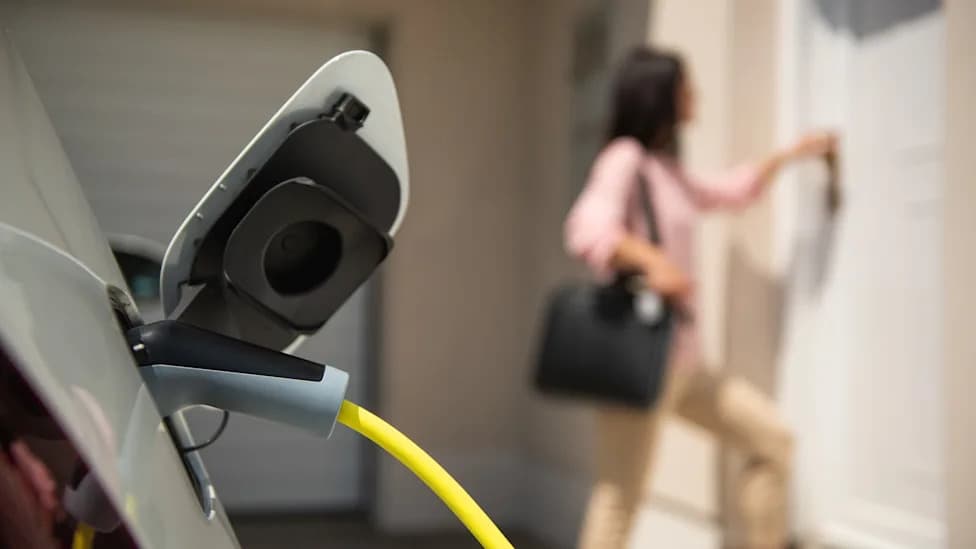
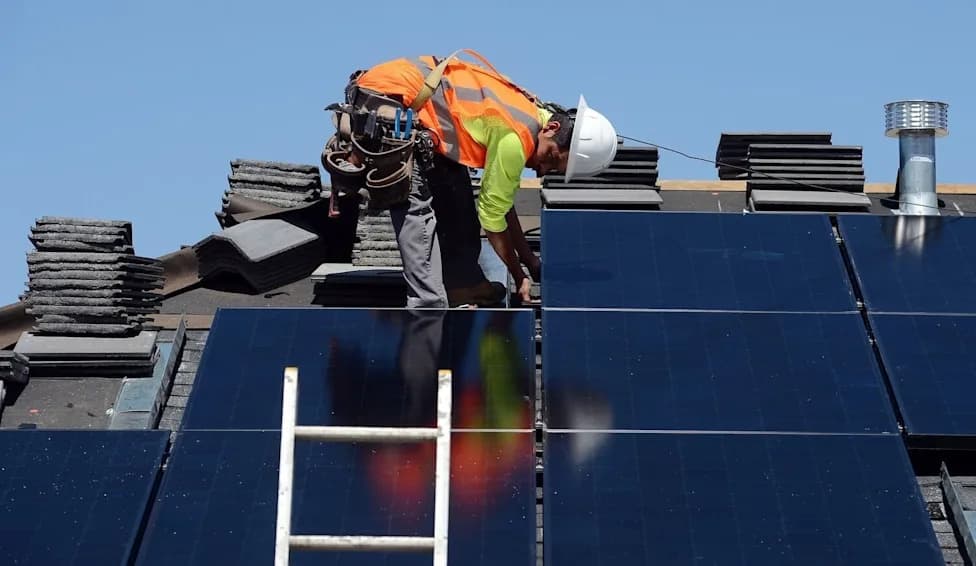
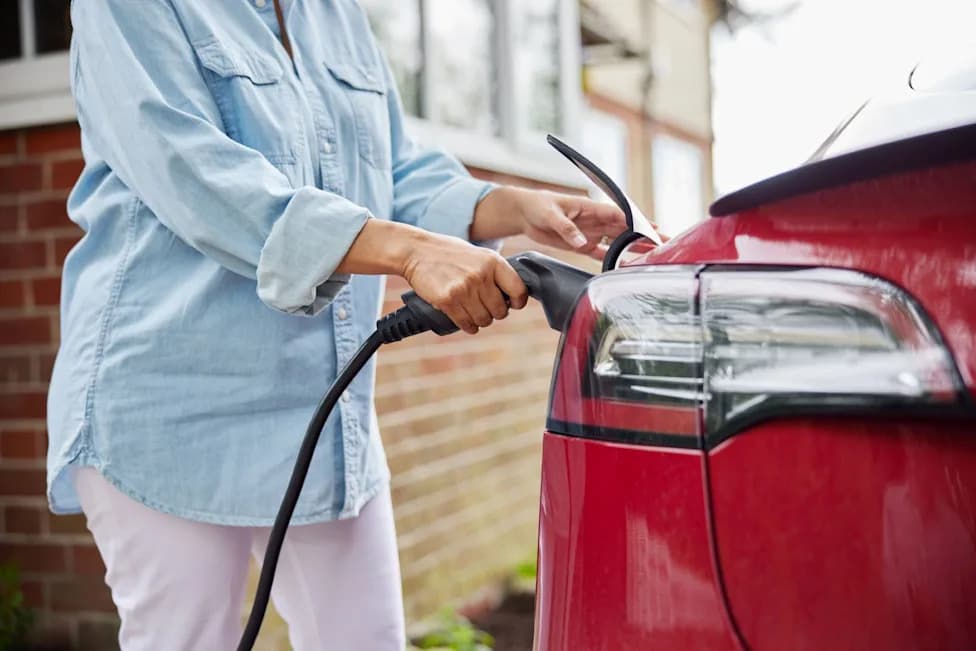
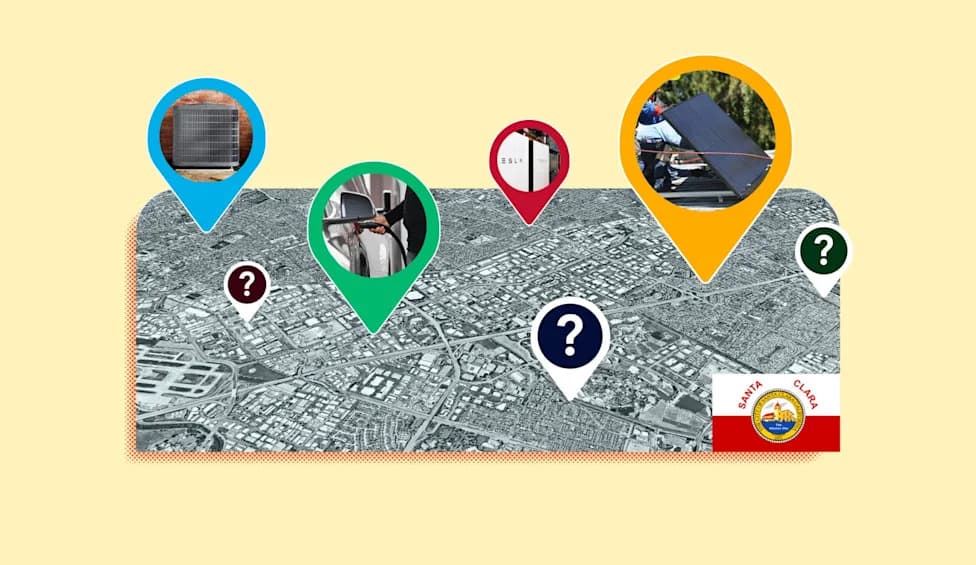
SHARE aims to recruit more than 20,000 customers who have Sunrun or Tesla solar-charged batteries or Renew Home smart thermostats, allowing PG&E to dispatch those devices to support the grid in exchange for an as-yet-unspecified incentive. Google and Rewiring America will also help bring new smart devices into homes, including Carrier’s battery-equipped HVAC units, with discounts of about $5,000 (and $10,000 for the first 25 customers).
Crucially, PG&E says program costs will not be passed to ratepayers. Rewiring America reports that Google has pledged to cover initial program costs, starting with roughly $14 million for phase one.
Why Critics Are Skeptical
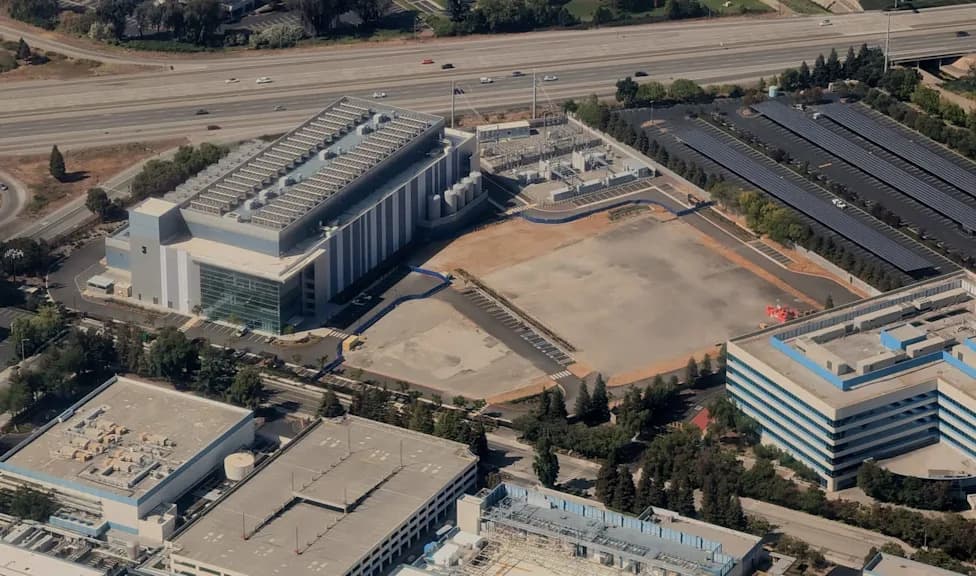
Despite assurances that SHARE is unrelated to corporate cost shifting, both Google and PG&E are embroiled in controversy over a planned 250-megawatt "cloud research and testing facility" Google proposes in San Jose. Opponents — including the Sierra Club and The Utility Reform Network — dispute how much of the grid-connection costs for that project should be borne by PG&E customers versus by Google itself.
That raises questions: Is SHARE a genuine effort to unlock distributed resources for the public good, or might it be used to reduce visible upgrade needs tied to a large corporate load — thereby shifting costs back onto utility customers? PG&E frames SHARE as a way to "unlock additional capacity on the regional electric transmission system," but critics worry the utility could still prefer booking upgrades on its balance sheet and recovering costs through rates.
“There are gigawatt-hours' worth of behind-the-meter batteries in PG&E's territory,” investor and VPP advocate Jigar Shah said, adding that data exist but lack standardized ways to serve neighbors and reduce grid costs. "None of those gigawatt-hours have a standard way to help their neighbors make the grid more efficient."
Track Record And Stakes
PG&E has announced VPP pilots before that have not always scaled. Regulators at the California Public Utilities Commission have been criticized for not enforcing stronger use of customer-owned resources. By contrast, jurisdictions such as Massachusetts, Puerto Rico, Utah and Vermont have built VPP networks from smaller starts.
PG&E counters that it has increased testing of home batteries, smart panels, EV chargers and advanced meters to defer costly grid upgrades. Trevor Udwin, PG&E’s VPP and grid optimization manager, told Canary Media that SHARE "adds a complementary, near-term pathway" to that work. Whether SHARE becomes a durable, cost-saving tool or another one-off pilot will depend on how the utility operationalizes the funding and integrates assets into system planning.
Policy Moves And Grid Safety
Meanwhile, California lawmakers have moved to make large computing facilities pay a greater share of the grid costs they cause. Senate Bill 886 and Assembly Bill 2383 require new cost-recovery rules for data centers of at least 25 MW, asking them to shoulder a reasonable portion of grid upgrades and related public-service costs. SB 887 creates voluntary "stretch goals" that can speed permitting for data centers that exceed environmental and grid-benefit standards.
Separately, the Moss Landing battery complex — being demolished after a major 2025 fire — experienced another blaze, prompting shelter-in-place advisories. Analysts say Moss Landing’s older battery chemistry and site design make it a poor proxy for safety risks across the newer battery fleet.
Why This Matters Now
There is also a practical, near-term risk: Tesla and Sunrun recently set a record for the largest home-battery VPP dispatch in California history, delivering 580 MW of peak power from more than 110,000 home batteries. But some programs that enrolled those batteries face defunding next year — just when California may need distributed resources most during an expected hot summer.
Keeping those batteries available for grid service — and ensuring the programs that recruit them are durable and well-integrated with planning and cost-allocation — will determine whether California truly captures the value of its distributed energy resources.
Personal note: I work from home, where my vigilant guardian Lily keeps the front door. Small comforts in a big energy transition.
Help us improve.