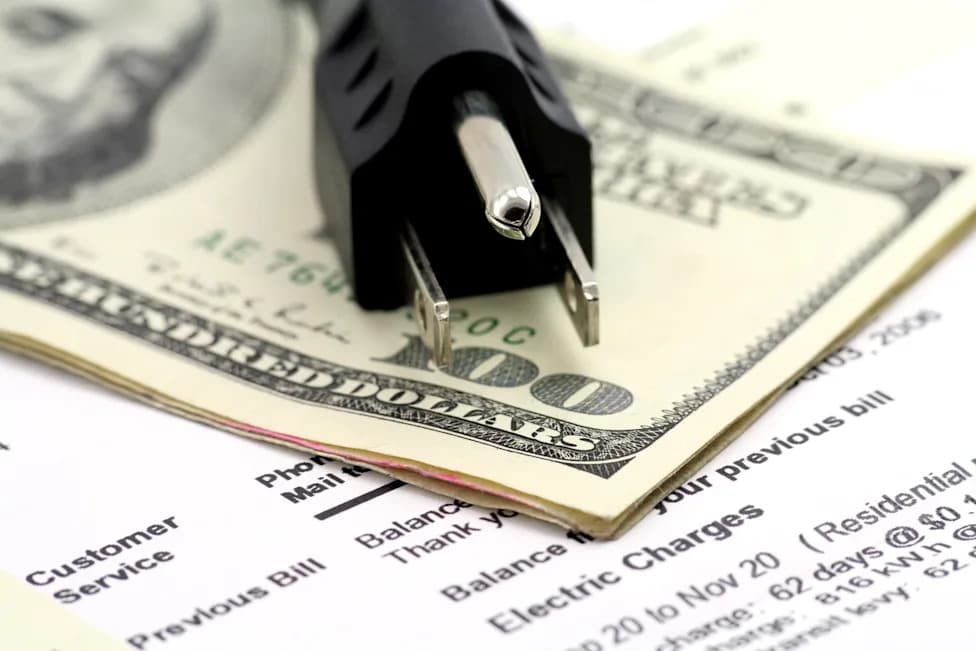
Massachusetts regulators approved deeper winter electricity discounts for more than 65,000 households with heat pumps, effective Nov. 1. The updated pricing expands a first-in-the-nation policy and follows July approvals for National Grid and Unitil. Last winter’s discounted rates saved customers over $37 million; analysts estimate the new rates could add about $9.8 million in savings for existing heat-pump customers. Advocates say the lower rates reduce cost barriers, encourage heat-pump adoption and support greenhouse-gas reductions.
Massachusetts Approves Steeper Winter Electricity Discounts for 65,000+ Heat Pump Homes
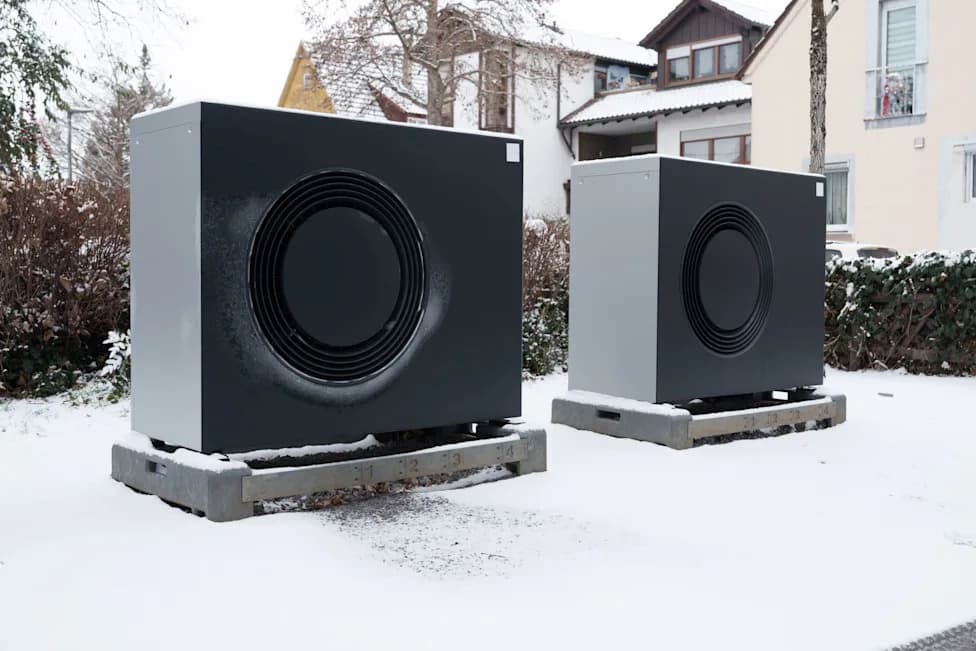
Photo Credit: iStock
More than 65,000 Massachusetts households that use heat pumps will receive deeper reductions in their winter electricity bills after state regulators approved steeper seasonal discounts that take effect on Nov. 1.
What Changed
In July regulators approved updated winter pricing for customers of National Grid and Unitil, expanding the state’s pioneering policy that requires major utilities to offer lower seasonal rates for homes that use heat pumps. The change builds on last winter’s discounted rates, which generated more than $37 million in total savings for eligible customers.
Estimated Additional Savings
Climate think tank Switchbox estimates that National Grid and Unitil customers who already have heat pumps could save an additional $9.8 million under the revised winter pricing. Regulators and advocates say the deeper discounts will both reduce household energy bills and make heat-pump conversions more attractive to homeowners weighing upfront costs.
Specific Rate Reductions
- National Grid: Transmission charge reduced from $0.055 per kWh to $0.02 per kWh for eligible households.
- Unitil: Transmission charge reduced from $0.042 per kWh to $0.015 per kWh for eligible households.
Why It Matters
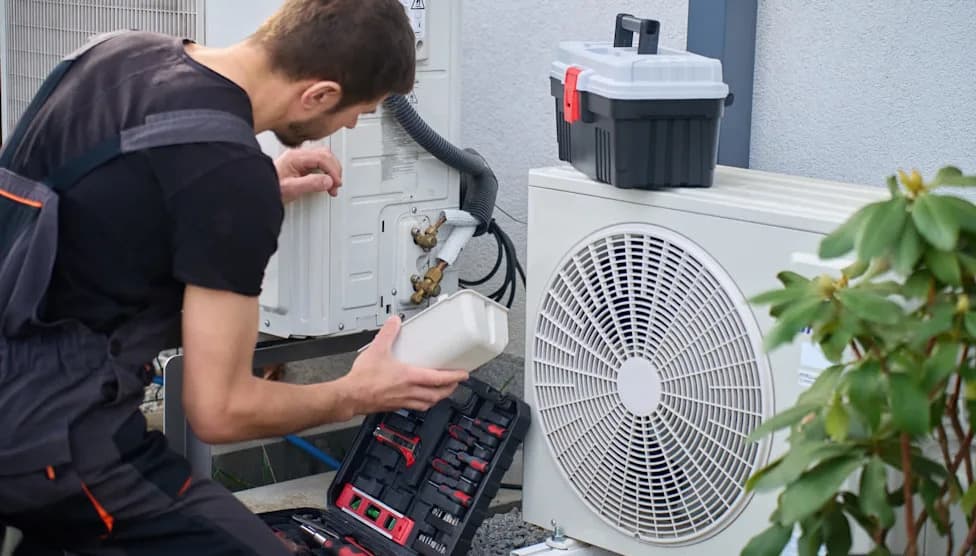
Unlike furnaces that burn oil or gas, heat pumps move heat into or out of a home and can both heat and cool efficiently. That dual function makes them a financially and environmentally attractive alternative to nonrenewable-fuel heating systems. Even with rebates and low-interest financing available, many homeowners worry about higher electric heating costs; Massachusetts’ program addresses that concern by locking in reduced winter rates for heat-pump households.
"Heat pump rates are important for customer fairness, but they're also really important to unlock the full greenhouse-gas reduction opportunities from heat pumps," said Alex Lopez, Senior Manager for Regulatory Policy at electrification nonprofit Rewiring America, as quoted by Canary Media.
Broader Context
Massachusetts remains the only U.S. state that requires major utilities to offer heat-pump-specific rates. However, Canary Media reports that similar policy ideas are gaining interest in other states as policymakers look for ways to accelerate electrification and cut residential emissions and energy costs.
Analyses from colder U.S. regions show the potential benefits: homeowners in Vermont, Maine and Minneapolis have reported notable bill reductions after switching to heat pumps, and researchers say wider deployment could meaningfully lower Americans’ heating costs and reduce greenhouse-gas emissions.
Practical Options for Homeowners
For homeowners evaluating upgrades, financing and service networks can ease the transition. Some comfort-plan programs offer $0-down financing and extended maintenance that can reduce upfront barriers and lower long-term operating costs. Pairing heat pumps with rooftop solar can further cut electricity bills and improve resilience; comparison services can help homeowners find installers and estimate system savings.
Bottom Line: The revised winter rates are intended to reduce operating costs for heat-pump households, strengthen the case for electrification, and help more Massachusetts residents save on home energy bills while cutting emissions.
Help us improve.