Seven towns in Hampshire and Franklin counties won roughly $8 million in Green Communities grants that will fund heat pumps, weatherization, windows, building controls and an electric van. Plainfield expects a $120,000 Town Hall heat pump to cost the town about $2,000 after stacking a state grant, Mass Save rebates and federal tax credits. Awards range from $30,000 to $250,000, and the Green Communities program has delivered $208 million since 2010, reducing municipal energy costs by over $30 million annually.
How Seven Massachusetts Towns Used Grants, Rebates and Tax Credits to Cut a $120K Heat Pump to $2,000
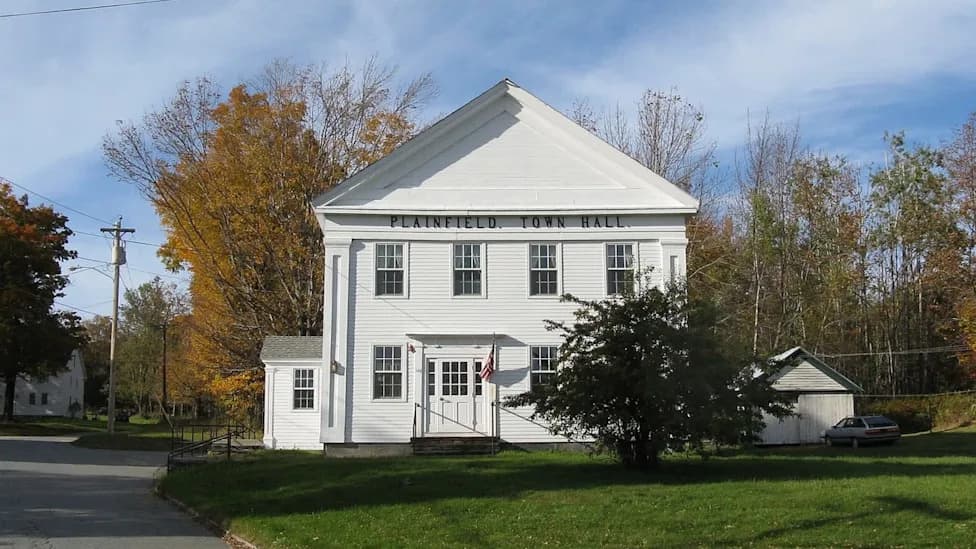
Photo Credit: Plainfield, MA
Seven towns in Hampshire and Franklin counties are combining state grants, utility rebates and federal tax incentives to lower municipal energy costs and improve public buildings, according to GazetteNet. This round of Green Communities awards totals roughly $8 million across Massachusetts and will fund heat pumps, weatherization, window replacements, building controls and one municipal electric vehicle.
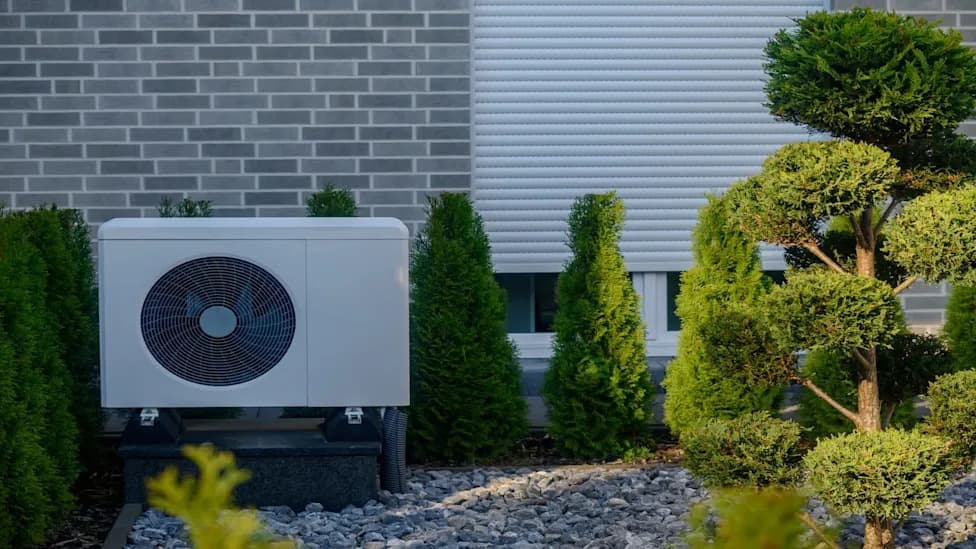
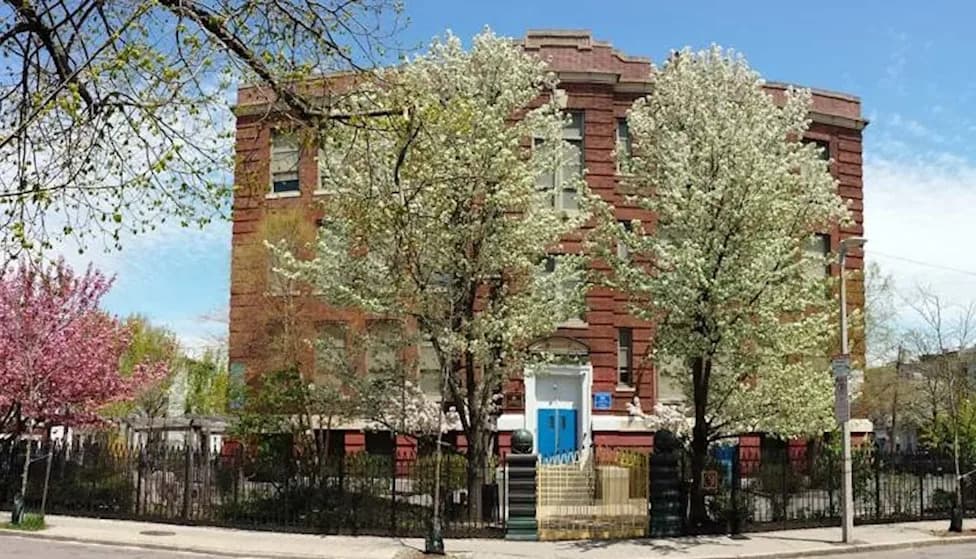
Plainfield provides a striking example: a Town Hall heat pump project estimated at about $120,000 is expected to leave the town responsible for roughly $2,000 after applying a $96,368 Green Communities grant, Mass Save rebates and available federal tax credits. Peter Lapointe, chair of Plainfield's Planning Board, said the new heat pump will replace an aging oil furnace and that the stacked incentives dramatically reduce the town's out-of-pocket cost.
"It's a significant savings," Lapointe said.
Who Got Funding and What It Will Do
The grants in this round were awarded to Amherst, Deerfield, Easthampton, Goshen, Leverett, Plainfield and Sunderland. Notable awards and planned uses include:
- Deerfield — $250,000: Building controls and energy-saving upgrades for municipal buildings, including Frontier Regional and Union 38 schools.
- Leverett — $186,115: Building management systems and weatherization for schools, libraries and other town properties.
- Sunderland — $172,997: Similar energy-efficiency upgrades in municipal facilities.
- Goshen — $173,486: Town Hall heat pump and new windows for town offices; added cooling will enable community use during extreme heat events.
- Amherst — $124,999: Air-sealing and weatherization at the North Fire Station.
- Plainfield — $96,368: Town Hall heat pump and energy-efficient windows for the library and police station.
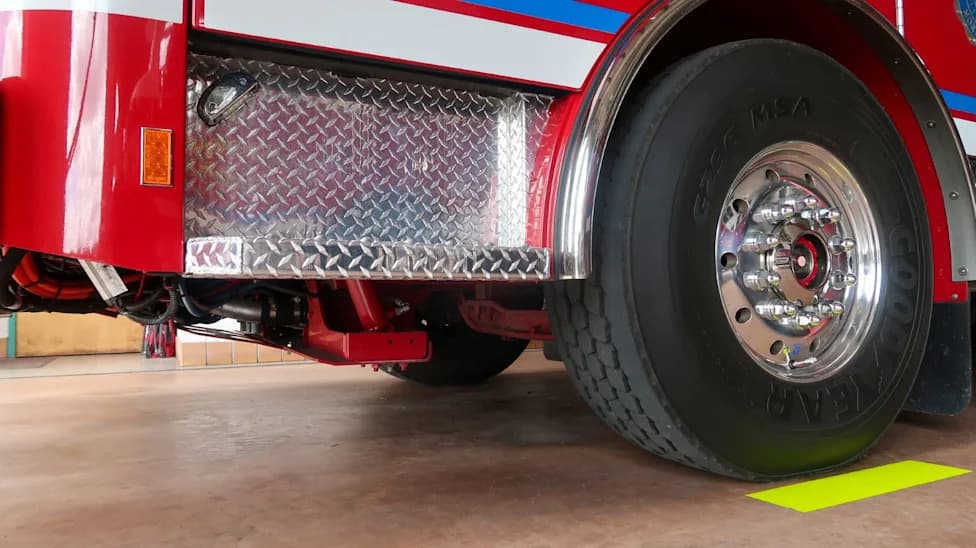
- Easthampton — $30,000: Half the cost of a new electric van for public works crews to reduce fuel costs.
Why Stacking Incentives Matters
Plainfield's low final price tag illustrates how combining funding sources can transform the economics of upgrades. State Green Communities grants paired with Mass Save rebates and federal tax credits can cut upfront costs and shorten payback periods, making deep retrofits and electrification projects feasible for small towns with limited budgets.
Since 2010, the Green Communities program has delivered about $208 million to municipalities statewide, which officials say has helped reduce municipal energy costs by more than $30 million annually.
Context: Broader Incentives and Examples
Similar incentive structures exist across the U.S.: summer rebate programs in Colorado have cut heat pump costs by as much as $12,000 in some cases; Lincoln, Nebraska, has offered roughly $5,800 in local incentives for new heat pumps; and some California programs have provided up to $11,500 for HVAC upgrades that install heat pumps. These examples show how local, state and federal discounts can stack to make clean-energy projects affordable.
Beyond heating and cooling, municipalities often invest in weatherization, efficient windows and building-management systems to reduce energy use and extend the life of facilities. Adding electric vehicles for municipal fleets is another common step to reduce fuel spending and emissions.
What This Means For Residents
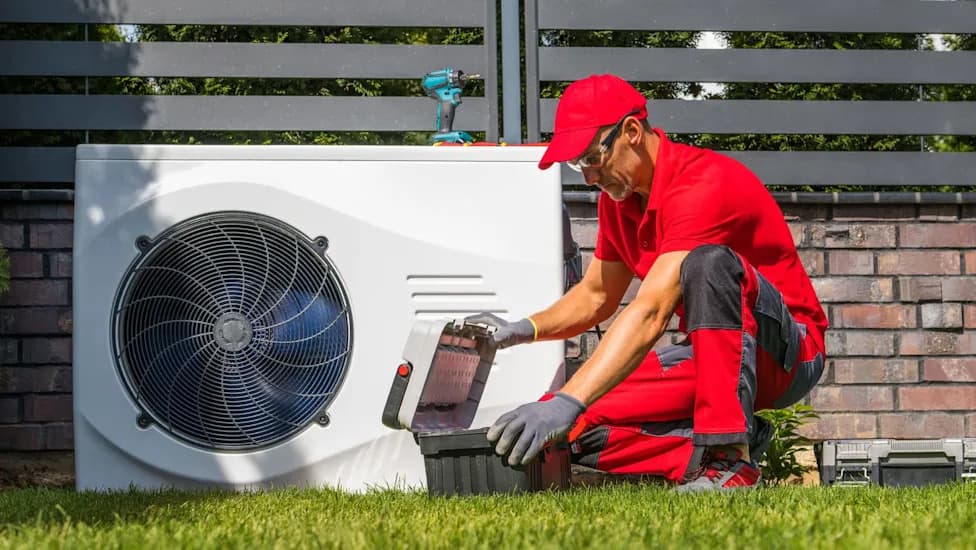
For homeowners and renters exploring similar upgrades, available incentives and utility programs can substantially reduce costs. Organizations and online marketplaces can help compare quotes for solar, batteries and heat pumps, but residents should verify incentives, contractor credentials and local program eligibility before committing.
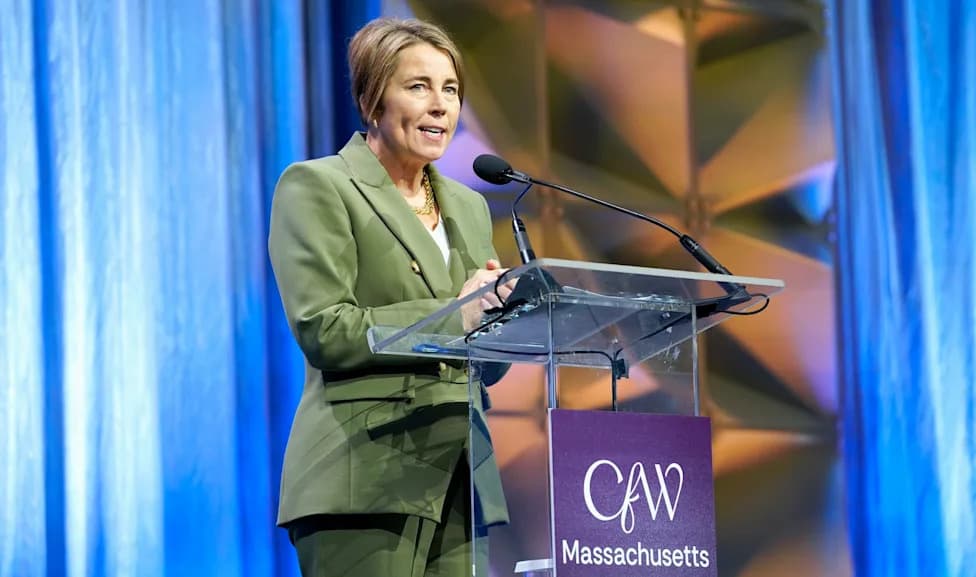
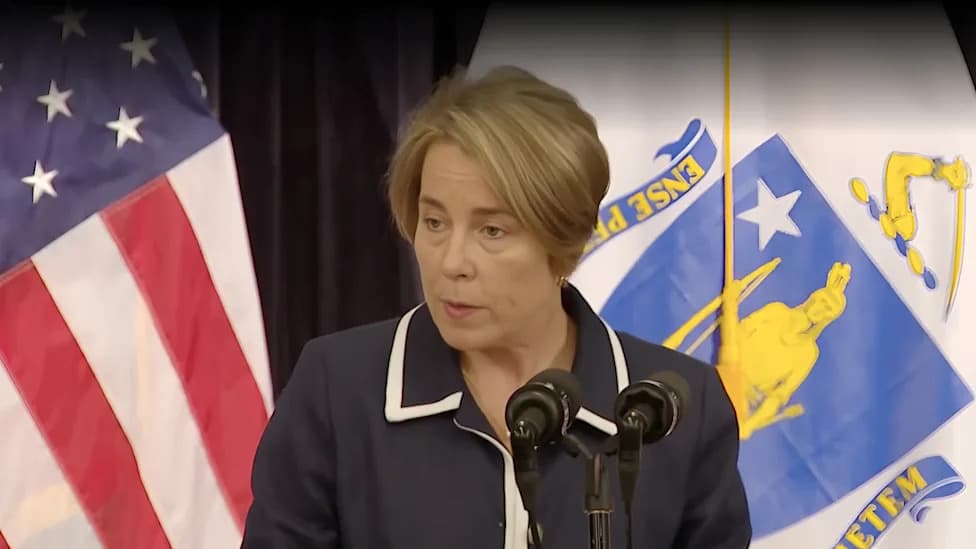
Governor Maura Healey said the administration is committed to helping cities and towns lower energy costs and make public buildings more efficient, calling these investments a way for communities to "make the most of every taxpayer dollar." Plainfield's example demonstrates why many municipalities are aggressively pursuing layered funding to make clean-energy upgrades affordable.
Help us improve.