California’s plan to install 6 million heat pumps by 2030 hinges on upgrading HVAC education as much as consumer uptake. The Heat Pump Ready program trains instructors through ESCO Institute courses and connects schools with manufacturer-backed equipment grants, increasing support from $8,000 to $15,000 in round three (starting Aug 15). Early results show growing reach — and program leaders say training instructors creates a lasting multiplier effect that will help close workforce gaps and counter installer misinformation.
California’s 6 Million Heat Pump Goal Starts In The Classroom: Training HVAC Instructors To Scale Adoption
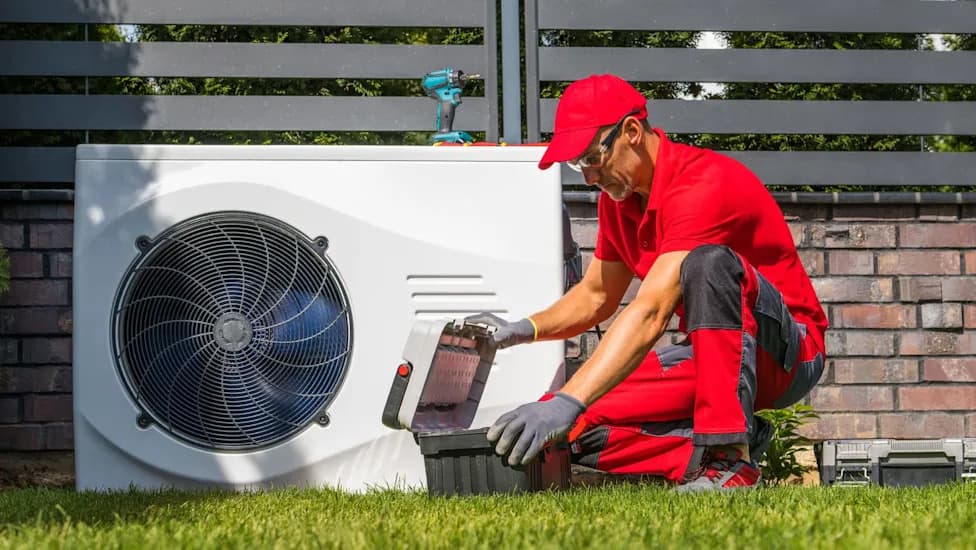
Photo Credit: iStock
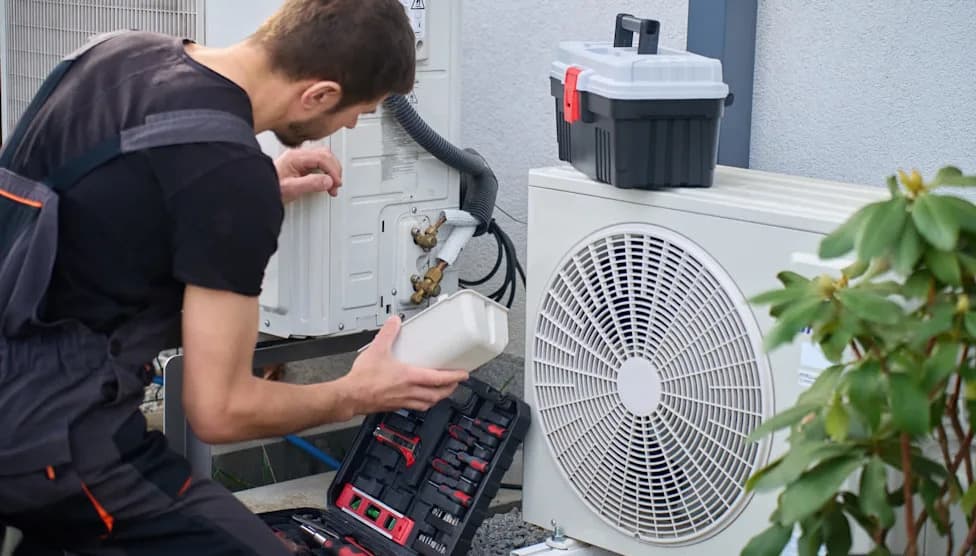
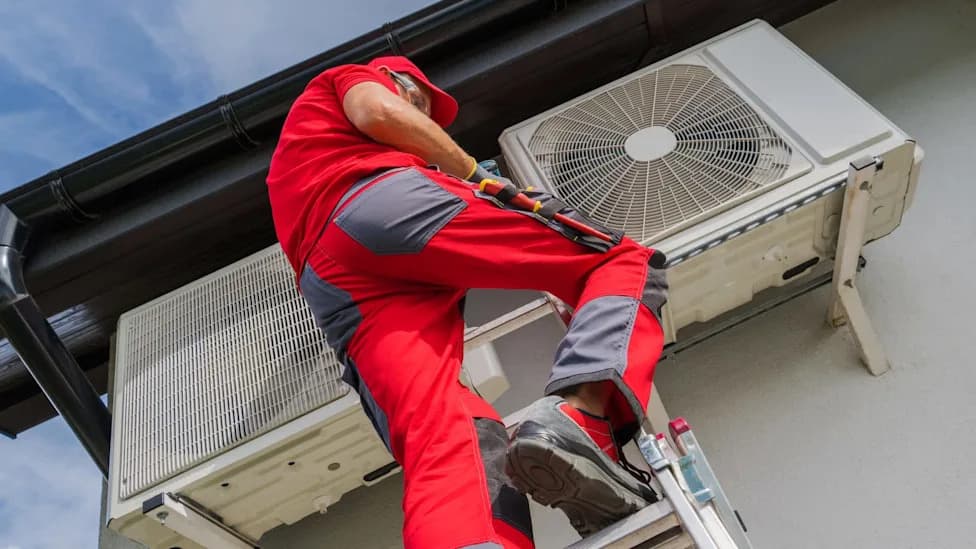
California's push to install 6 million heat pumps by 2030 is as much a workforce challenge as a consumer one. Success depends on whether HVAC instructors have modern equipment and up-to-date training to prepare the technicians who will install and service these systems.
Heat Pump Ready Targets a Key Bottleneck
Heat Pump Ready, a TECH Clean California program, addresses that gap by training instructors and equipping schools. The initiative partners with the ESCO Institute and manufacturers including Daikin, Fujitsu, LG, Mitsubishi, A.O. Smith, Bradford White and others to align classroom instruction with the systems students will encounter in the field.
Participating programs begin with ESCO Institute's 10-chapter High-Performance Heat Pump course for instructors. Eligible schools previously could receive up to $8,000 in equipment grants; round three, beginning August 15, will increase that support to $15,000 and add ESCO's heat pump water heater fundamentals course.
Why Instructor Training Matters
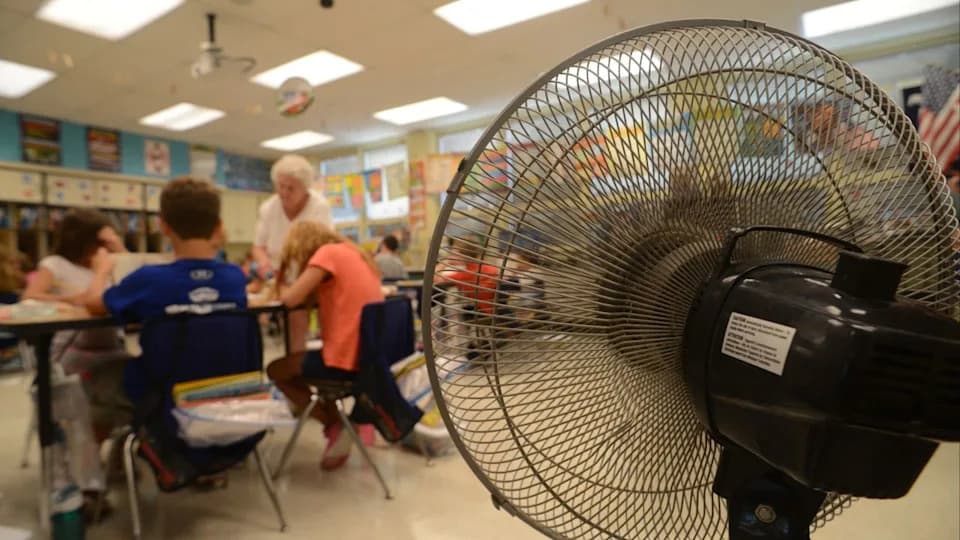
Without investments in up-to-date tools and instructor training, classrooms can remain stuck with decades-old systems. That leaves graduates unprepared, contractors scrambling to find skilled hires, and the broader workforce shortage unresolved.
"Many technicians in the field aren't yet aware of how these systems work, and we have a tremendous opportunity to change that by empowering HVACR educators," said Howard Weiss, president of ESCO Institute – HVAC Excellence.
Pepper Hunziker of Tre'Laine Associates LLC, a TECH Clean California workforce partner, adds that schools often receive older or donated equipment and instructors are not always trained on those systems, limiting effective hands-on teaching.
Early Results And Program Scale
Across the first two rounds, about 127 instructors participated at 79 school sites. TECH Clean California has funded equipment for 72 schools statewide, with 53 programs currently active. Program leaders estimate that round-one participating schools will train more than 700 students annually — a multiplier effect as each instructor teaches new cohorts year after year.
Manufacturers are helping run the training as well as funding it, ensuring students learn on commercially relevant systems and components.
Overcoming Misconceptions And Technical Barriers
Weiss and others say installer misinformation remains a barrier. Some technicians still believe heat pumps can’t handle cold climates, even though modern inverter-driven models operate effectively well below freezing. Weiss also noted that "heat pumps now outsell gas furnaces by nearly 35%."
Alongside training, schools need adequate facilities: sufficient training space, electrical capacity and robust verification methods to confirm instructors are qualified to teach modern heat pump technologies.
Model For Other States
Other regions are following suit. The Building Performance Foundation has launched Penn Heat Pump Pathways in Pennsylvania to recruit and upskill workers. Program leaders say Heat Pump Ready could be a replicable model showing how industry, manufacturers and educators can collaborate to update curricula and grow a capable workforce.
What This Means For Homeowners
As requirements and incentives shift — for example, Washington State requiring heat pumps in new homes — demand for qualified installers will rise. Advances in cold-climate heat pumps (including new models from manufacturers such as Lennox) and startups simplifying home conversions (like Quilt) are lowering technical and cost barriers, but only a trained workforce can deliver reliable installations and customer confidence.
- Program Impact: Trains instructors who then teach hundreds of students annually, creating a year-over-year workforce pipeline.
- Funding: Equipment grants increasing from $8,000 to $15,000 in round three (starting August 15).
- Industry Partners: ESCO Institute, Daikin, Fujitsu, LG, Mitsubishi, A.O. Smith and Bradford White are actively involved.
- Scale So Far: 127 instructors across 79 school sites; equipment funded for 72 schools (53 active).
- Technical Note: Modern inverter-driven heat pumps can perform well below zero, challenging old assumptions about cold-weather limits.
With improved instructor training, updated equipment in classrooms and collaboration across industry and education, California aims to accelerate deployment while reducing installer misinformation and workforce gaps — both critical to reaching the 6 million heat pump goal by 2030.
Help us improve.