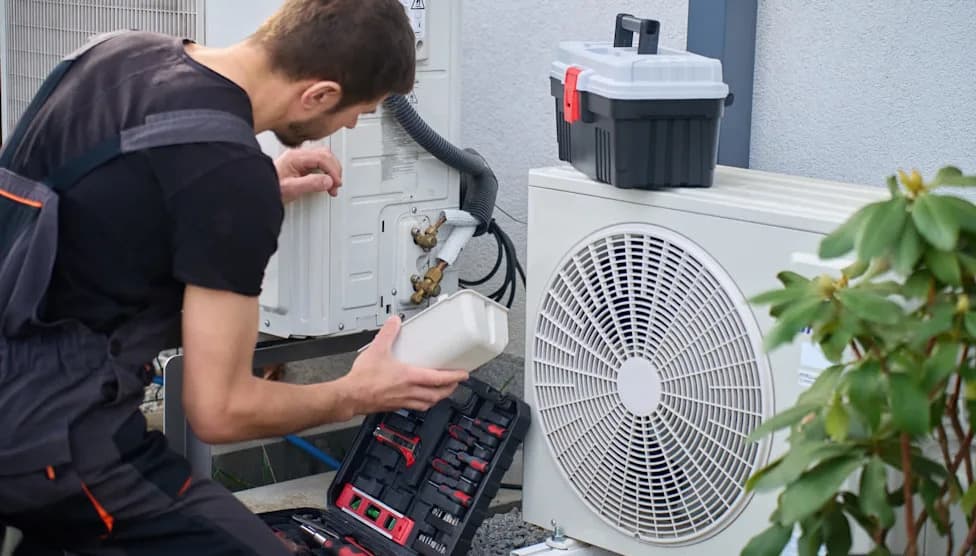
Everett replaced a failing steam boiler at its Ferry Street Fire Station with a high-efficiency electric heat pump system financed through grants, incentives and other funding so no extra cost fell on taxpayers. The upgrade is expected to cut natural gas use by about 3,546 therms and reduce CO2 emissions by roughly 12.21 tons annually, while saving about $1,500 a year in utility costs. The system also improves ventilation and filtration for firefighters, and fits into the city’s broader energy-efficiency program backed by Green Communities and National Grid incentives.
Everett Replaces Failing Boiler With High‑Efficiency Heat Pumps — No Cost to Taxpayers
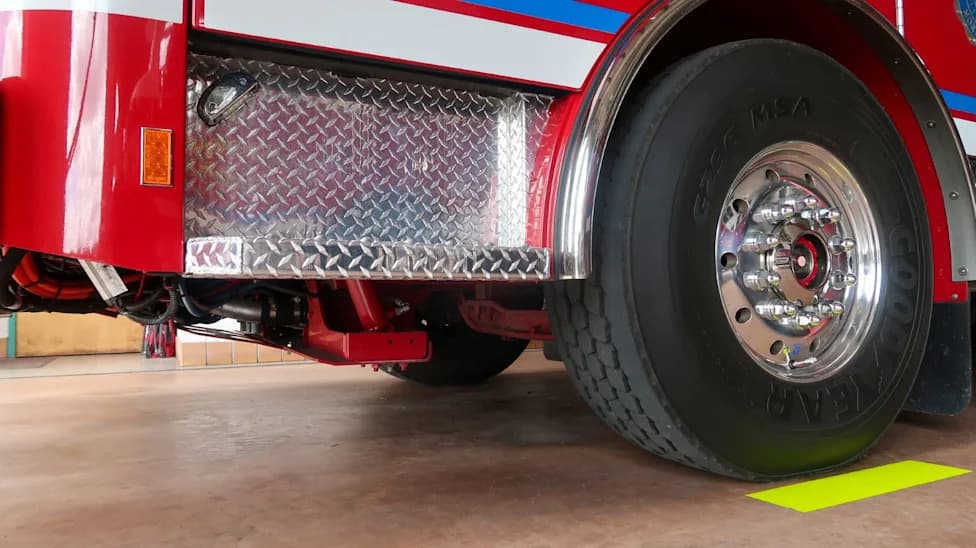
Photo Credit: iStock
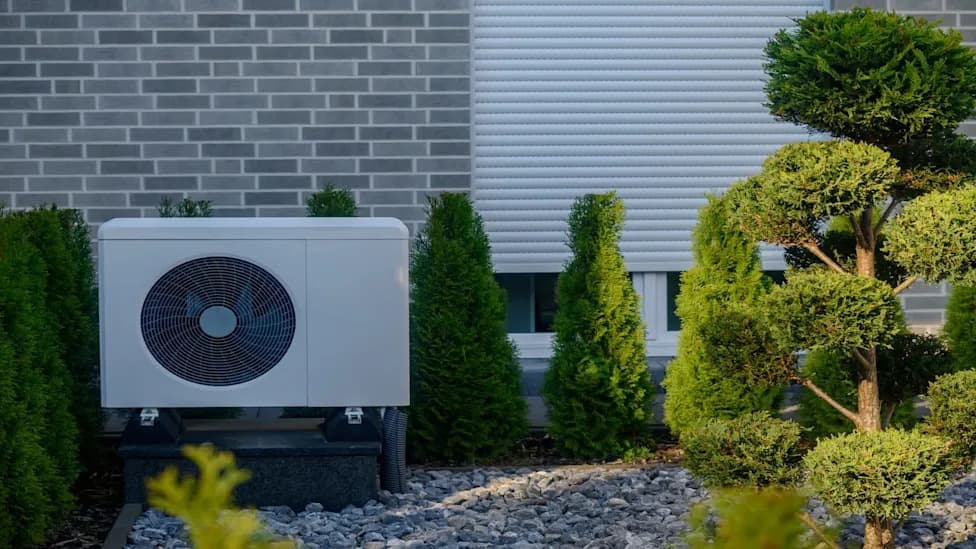
The City of Everett, just north of Boston, has completed an energy upgrade at its Ferry Street Fire Station, replacing a failing steam boiler with a high-efficiency electric heat pump system. City officials say the project was completed without any additional cost to local taxpayers by using grants, incentives and financing.
The retrofit followed the steam boiler’s failure in 2024. Instead of installing another fossil-fuel system, Everett chose an all-electric approach intended to improve indoor air quality and reduce the building’s greenhouse gas emissions and energy costs.
Energy, Emissions and Cost Savings
City estimates indicate the new system will cut natural gas consumption by about 3,546 therms per year and lower annual greenhouse gas emissions by roughly 12.21 tons of CO2 — roughly equivalent to burning about 1,374 gallons of gasoline. Everett projects about $1,500 in annual utility bill savings for the station.
Health and Comfort Benefits
Because fire stations operate around the clock and double as living quarters, temperature control, ventilation and indoor air quality are particularly important. The new heat pump system also supplies fresh air to offices and dormitory areas and uses filtration designed to reduce dust, mold spores, odors, smoke and emissions that can enter from the attached apparatus bay.
“Our firefighters spend long shifts at the station, so this building is more than just a place where they report for work. Having reliable heating and cooling and better air circulation makes a real difference in the environment our firefighters are working and living in every day,”
— Fire Chief Joe Hickey
Funding and Broader Municipal Strategy
Everett funded the upgrade through a combination of grants, incentives and financing. Since earning Green Community designation, the city says it has secured about $2.5 million through Green Communities programs and incentives from National Grid, supporting projects such as lighting upgrades, solar installations, energy-management software and heating-and-cooling improvements.
Overall, the city expects its efficiency initiatives to deliver more than $500,000 in annual savings across municipal operations. Officials also plan to apply for up to $500,000 through the Green Communities Fall Block Grant for additional building upgrades.
Local Example, Broader Trend
Everett’s approach reflects a broader shift as aging fossil‑fuel systems reach end-of-life: many building owners are weighing upfront costs, incentives and long-term savings when considering heat pumps and electrification. City officials say the financing mix used in this project could serve as a model for other municipalities and property owners facing similar decisions.
Help us improve.