Two California bills—SB 222 (Heat Pump Access Act) and AB 1738 (Remote Virtual Inspection Act)—aim to cut fees and speed permitting for rooftop solar, home batteries and heat pumps. If signed, homeowners could save a few hundred to more than $1,000 in upfront costs, while remote inspections could save an estimated $500 million statewide over three years. The measures also support California’s climate goals, including reducing emissions to 40% below 1990 levels by 2030 and deploying 6 million heat pumps. Gov. Newsom has not yet decided whether to sign the bills.
New California Bills Could Slash Upfront Costs for Rooftop Solar, Heat Pumps and Home Batteries
Photo Credit: iStock
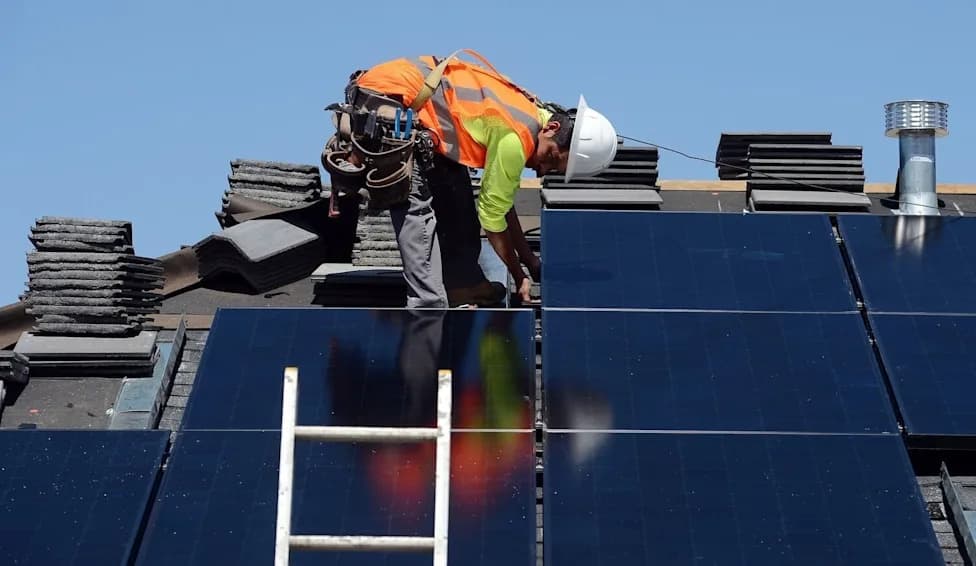
Two California measures waiting on Gov. Gavin Newsom’s desk would make it faster and less expensive for homeowners to install rooftop solar, home batteries, heat pumps and heat-pump water heaters across the state.
The state Legislature approved Senate Bill 222 (the Heat Pump Access Act) and Assembly Bill 1738 (the Remote Virtual Inspection Act). Industry observers have described both as “first-in-the-nation” efforts to streamline permitting and inspections for residential clean-energy projects, which could cut fees, shorten approval times and reduce contractor wait lists.
What the Bills Would Do
Heat Pump Access Act (SB 222): This bill seeks to standardize the requirements for installing heat pumps and heat-pump water heaters. Canary Media estimates the changes could shave roughly $400 from per-project fees and speed up approval timelines for installers and homeowners.
Remote Virtual Inspection Act (AB 1738): The bill would authorize remote or virtual inspections for HVAC and related energy projects, reducing the need for in-person visits by local inspectors. Canary Media estimates this shift could save Californians about $500 million over three years and ease long contractor wait times.
Why It Matters
- Households could avoid anywhere from a few hundred dollars to more than $1,000 in upfront project fees, depending on the upgrade and locality.
- Lower permitting and inspection costs are especially impactful in California, where electricity prices are among the nation’s highest.
- State-level action has grown more important as federal incentives for residential solar, batteries and heat pumps have been scaled back.
- Beyond individual savings, the bills are intended to support California’s climate goals, including a target to cut greenhouse gas emissions to 40% below 1990 levels by 2030 and to deploy 6 million heat pumps.
Next Steps
Gov. Newsom’s office has not yet indicated whether he will sign the bills; if approved before the end of September, changes could take effect promptly and help reduce both upfront project costs and long wait times for inspections.
Additional Resources
Homeowners nationwide still find rooftop solar one of the most effective ways to lower energy bills. Tools like EnergySage let consumers compare quotes and get free installation estimates; EnergySage reports potential savings of up to $10,000 on solar purchases and installations and provides a state-by-state cost map and incentive information.
Reporting credit: Canary Media.
Help us improve.