California's Legislature passed two bills to simplify permitting and inspections for rooftop solar, batteries and heat pumps and sent them to Gov. Gavin Newsom by the Sept. 30 signing deadline. SB 222 would standardize permitting, cap fees (at $150 for heat-pump water heaters and $200 for heat pumps) and limit projects to one permit. AB 1738 would require larger cities and counties to offer remote virtual inspections by Jan. 1, 2028, a change SPUR estimates could save Californians over $500 million in three years.
California Moves To Cut Red Tape For Heat Pumps, Solar And Home Batteries — Two Bills Could Slash Fees And Speed Installs
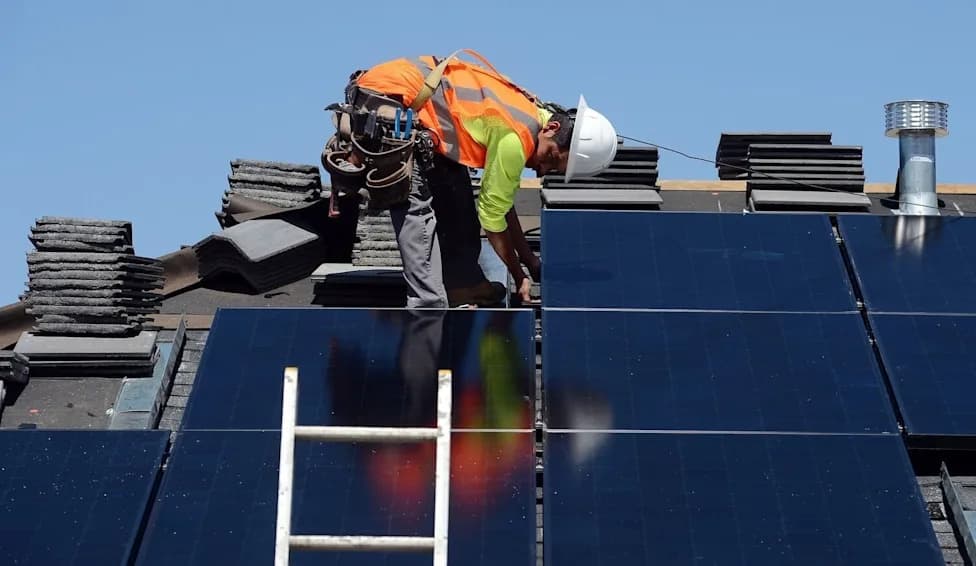
California moves to cut red tape for heat pumps, solar, and more
California lawmakers have approved two first-in-the-nation bills designed to make rooftop solar, home batteries, heat pumps, and heat-pump water heaters faster and cheaper to install. The Heat Pump Access Act (SB 222) and the Remote Virtual Inspection Act (AB 1738) now go to Gov. Gavin Newsom, who has until Sept. 30 to sign or veto them.
Why It Matters
Independent analyses and policy groups say the measures could save households hundreds to more than $1,000 in permitting and inspection fees per upgrade, on top of the ongoing energy-bill savings these technologies typically deliver. The reforms also support California's climate goals: the state aims to cut greenhouse-gas emissions 40% below 1990 levels and to deploy 6 million heat pumps by 2030.
SB 222: Heat Pump Access Act — Streamlined Permits
Under current rules, homeowners must obtain local permits before contractors can install heat pumps or heat-pump water heaters. Those rules vary across roughly 600 jurisdictions, sometimes requiring separate plumbing, electrical, and structural permits for a single installation. Research from the San Francisco Bay Area Planning and Urban Research Association (SPUR) found that that patchwork can add about $400 in avoidable fees.
What SB 222 would do:
- Require cities of 5,000+ population and counties of 150,000+ to offer expedited or instant permitting for heat-pump projects by July 1, 2028.
- Limit each project to a single permit to reduce duplication.
- Cap permit fees at $150 for heat-pump water heaters and $200 for heat pumps, unless a jurisdiction demonstrates higher costs to recoup.
- Prohibit homeowners associations from imposing bans or overly restrictive rules that block installations.
Supporters note SB 222 will reduce costs and speed installations, making air conditioning and efficient water heating more accessible — a growing priority as extreme heat events increase.
AB 1738: Remote Virtual Inspection Act — Faster, Smarter Inspections
Inspections are another common bottleneck: contractors report waiting two to six hours for in-person inspections that often take only five to 15 minutes. SPUR estimates those inefficiencies, plus travel and scheduling overhead, can add $600–$1,000 to each project.
What AB 1738 would do:
- Require cities with 50,000+ residents and counties with 150,000+ residents to offer remote virtual inspections by Jan. 1, 2028.
- Allow authorities to require in-person inspections when necessary for safety or code compliance.
- Enable homeowners and contractors to use smartphone video calls for routine checks, reducing wait times and travel costs.
At least 19 California jurisdictions already offer remote inspections, including Berkeley, Los Angeles County and San Diego. SPUR estimates AB 1738 could save Californians more than $500 million over three years based on current permitting data.
Context And Concerns
The bills come as Californians face some of the nation’s highest energy prices and after federal tax credits for home solar, batteries, heat pumps, and heat-pump water heaters were eliminated last year, a change advocates say makes state-level reforms more important.
"This is something that touches families' pocketbooks directly," said Nick Josefowitz, founder and CEO of energy-affordability nonprofit Permit Power. "We're just thrilled that the legislature in California acknowledged how important that is."
If signed, the laws could reduce a key set of administrative barriers that increase costs and slow adoption of clean-home technologies, while protecting homeowners from restrictive local rules. Gov. Newsom's decision by Sept. 30 will determine whether these changes take effect.
Help us improve.