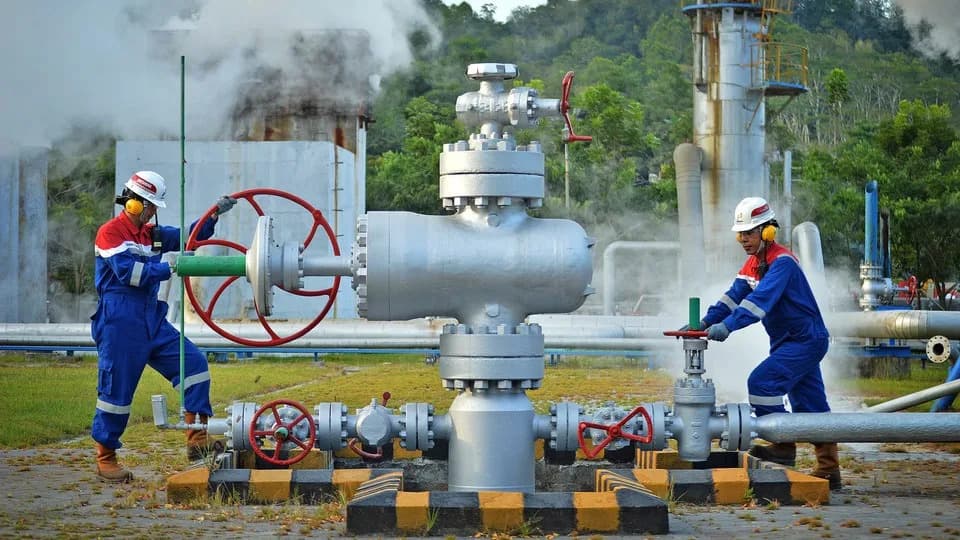
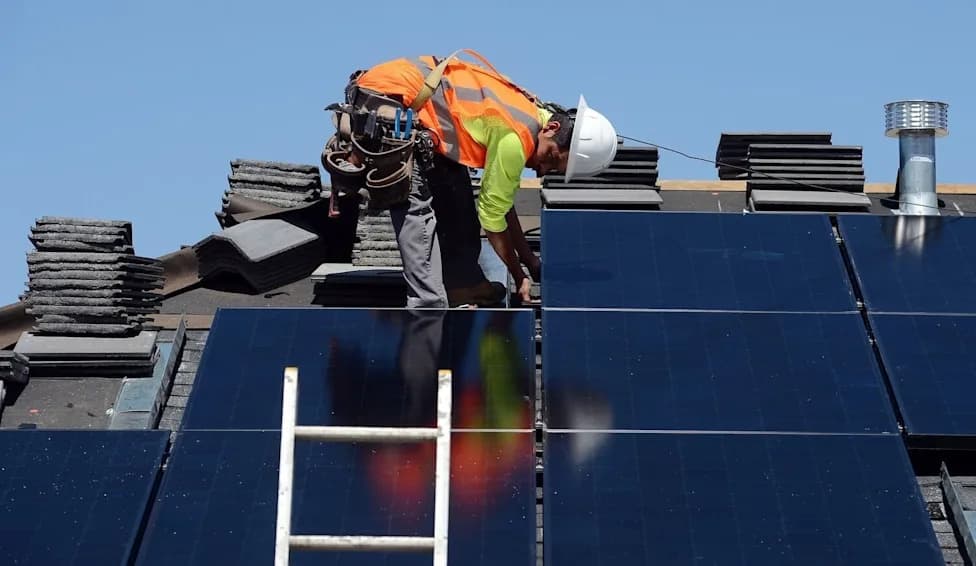
Fort Sill has retrofitted more than 1,700 family homes with geothermal heat pumps as part of a $63 million modernization led by Corvias and Ameresco, using equipment from ClimateMaster. The upgrades — which include smart thermostats, improved hot-water systems and advanced controls — are expected to reduce energy use by about 57% and save over $5 million annually. Funded through an Energy Savings Performance Contract (ESPC), the project is the third large residential geothermal deployment for this three-way partnership and showcases a broader shift toward efficient, resilient heating and cooling solutions.
Fort Sill Retrofit: Geothermal Heat Pumps Installed in 1,700+ Family Homes, Cutting Energy Use by ~57%

Photo Credit: iStock
Fort Sill, Oklahoma, has installed geothermal heat pumps in more than 1,700 family homes as part of a $63 million modernization designed to improve comfort and sharply reduce energy use across the base’s housing community.
Project Overview
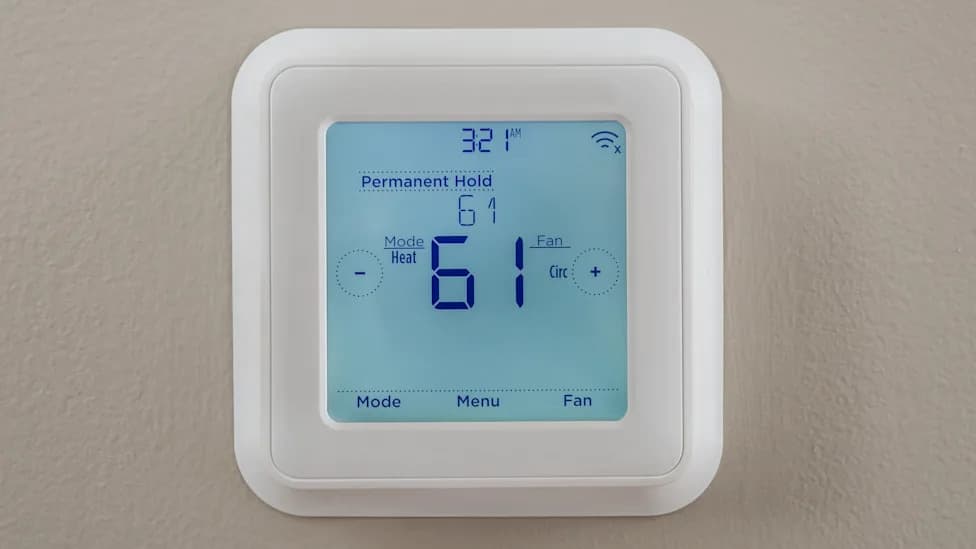
The modernization is led by Corvias in partnership with Ameresco, with ClimateMaster supplying the geothermal units. Upgrades include ground-source HVAC systems, smart thermostats, upgraded hot-water systems and advanced controls. ClimateMaster estimates the overhaul can reduce energy use across the housing community by roughly 57%, delivering more than $5 million in projected annual savings.
How It Works
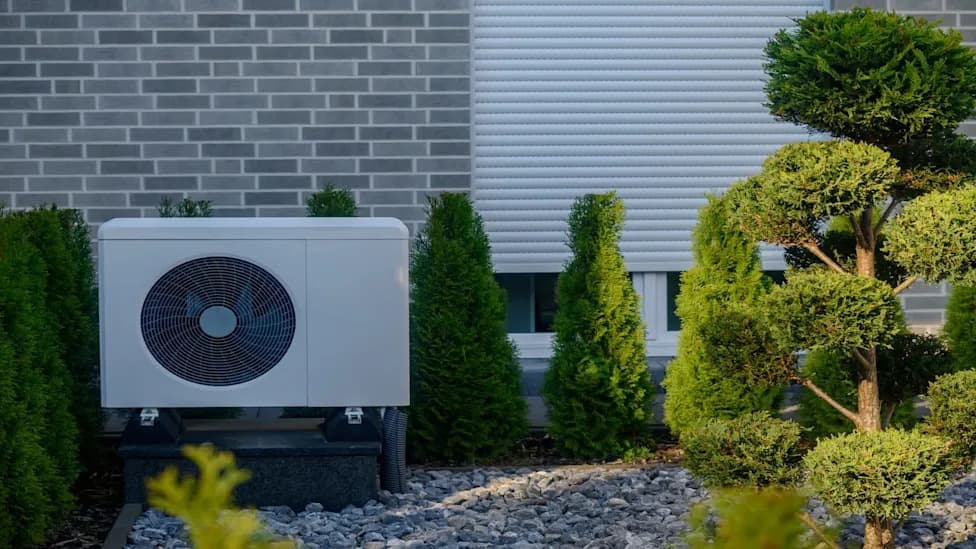
Geothermal (ground-source) heat pumps exchange heat with the ground, where temperatures remain relatively stable year-round. Because subsurface temperatures change far less than outdoor air, these systems can operate much more efficiently during extreme hot and cold weather, often using 40%–70% less energy than conventional HVAC systems.
Benefits for Residents and the Installation
- Steadier indoor temperatures in both summer and winter
- Lower operating costs and reduced energy waste
- Potentially lower maintenance needs and longer equipment life
- Improved resilience and modernization of aging housing infrastructure
Financing and Implementation
The work is being performed under an Energy Savings Performance Contract (ESPC), a mechanism that lets upgrades be financed through projected future energy savings rather than large upfront capital. That makes large-scale retrofits more feasible for extensive housing portfolios.
“We’re proud to partner with organizations like Ameresco and Corvias to help deliver innovative geothermal solutions that improve comfort, increase energy efficiency and strengthen the long-term resilience of military housing,” said Titian Burris, National Sales Manager for ClimateMaster.
Showcase Event and Broader Context
At a recent showcase, Army leaders, congressional representatives and industry partners toured ClimateMaster’s Oklahoma City manufacturing facility, observed drilling operations at Fort Sill and inspected a renovated home with the new systems. Fort Sill is the third military installation where Ameresco, Corvias and ClimateMaster have collaborated on a major residential geothermal deployment.
This project is part of a wider move toward geothermal and efficient heat-pump technologies across military and civilian settings. Related efforts include the U.S. Air Force’s first geothermal plant delivering on-site power and Pentagon-backed studies of dry-rock geothermal near Fort Bliss. In homes, heat-pump water heaters are another example of systems that lower bills by moving heat instead of generating it.
Overall, Fort Sill’s retrofit demonstrates how proven technologies and collaborative contracting approaches can deliver measurable energy savings, greater comfort for residents and improved long-term resilience for military housing.
Help us improve.