Israeli Prime Minister Benjamin Netanyahu will press President Trump in Washington to consider military contingencies if renewed U.S.–Iran talks fail and to ensure any agreement does not constrain Israel’s freedom of action. Israel plans to present intelligence warning Iran could rebuild its ballistic missile arsenal to roughly 1,800–2,000 missiles within weeks or months, though that figure has not been independently verified. The visit follows recent high‑level security exchanges and highlights disagreement over whether a U.S.–Iran deal should address only nuclear issues or also missiles and regional activities.
Netanyahu to Press Trump on Military Options as US–Iran Talks Resume, Cites Missile Warning
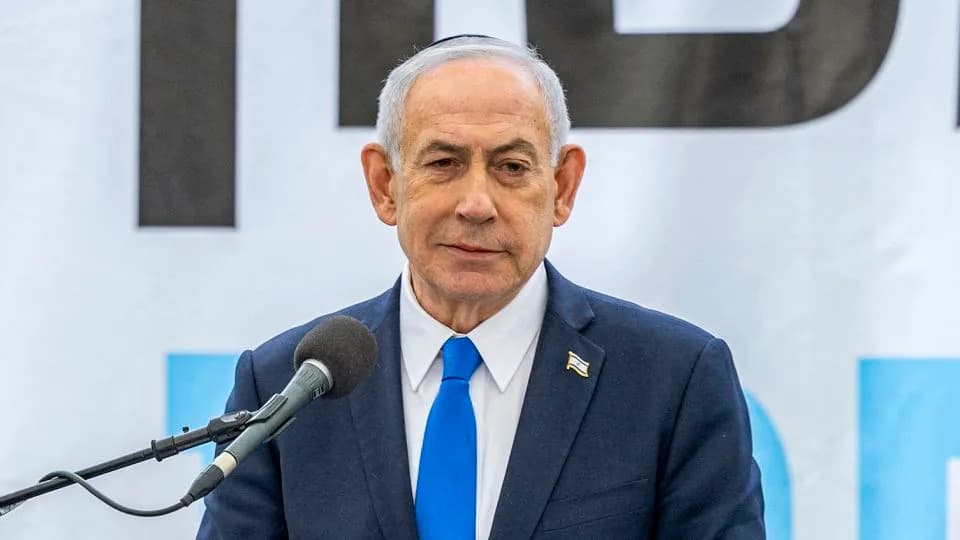
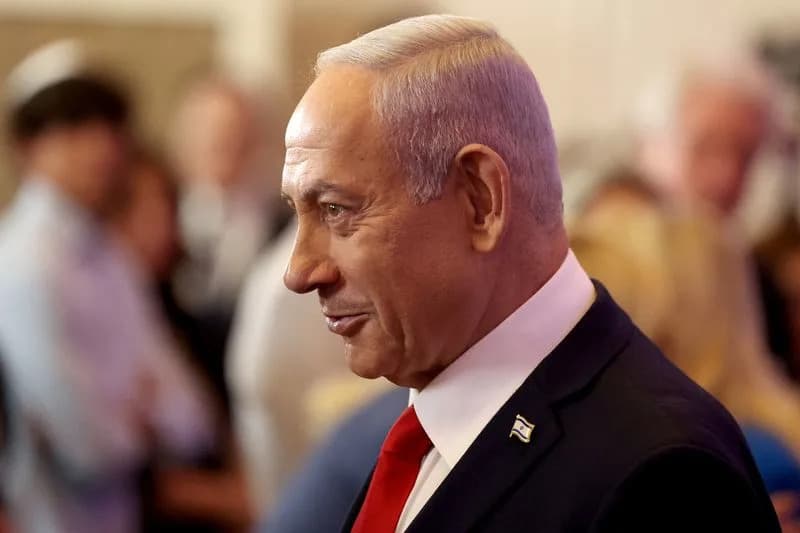
Israel's Prime Minister Benjamin Netanyahu speaks during the funeral of Israeli hostage Ran Gvili, whose remains were brought back to Israel on January 26, in the southern town of Meitar on January 28, 2026. - Chaim Goldberg/AFP/Getty Images
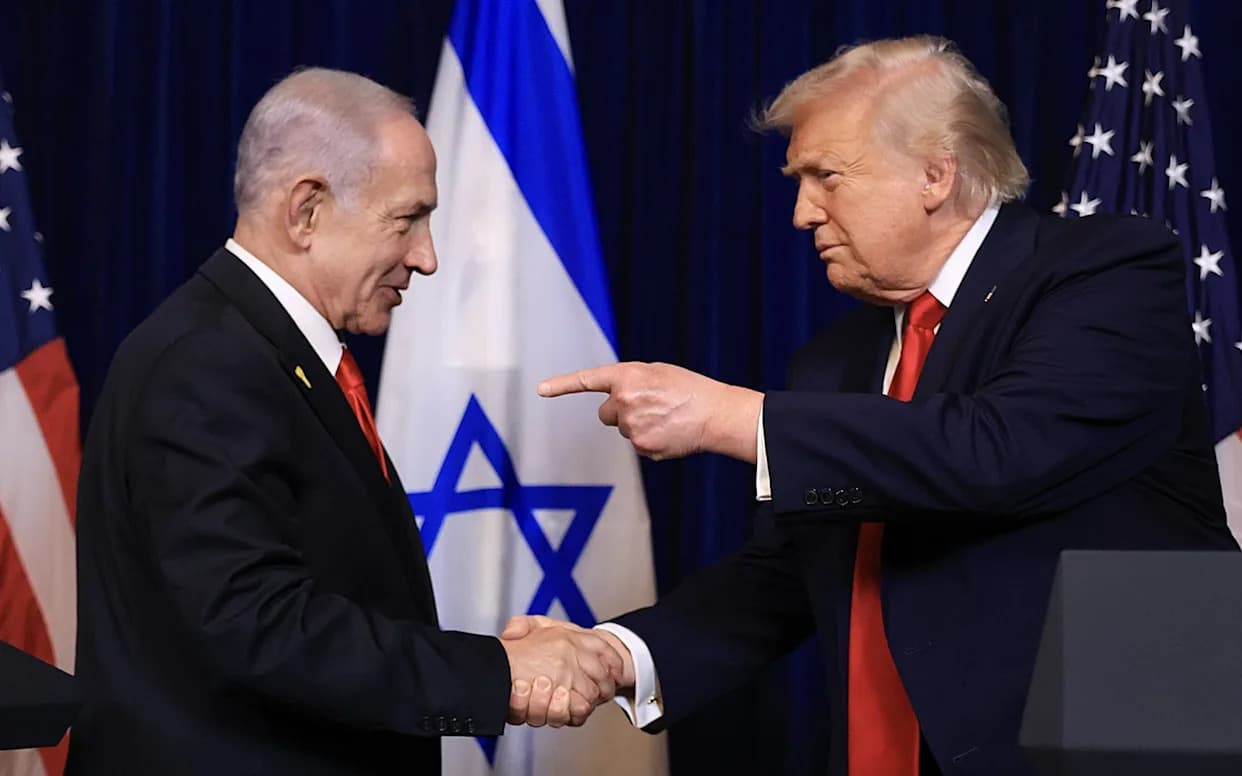
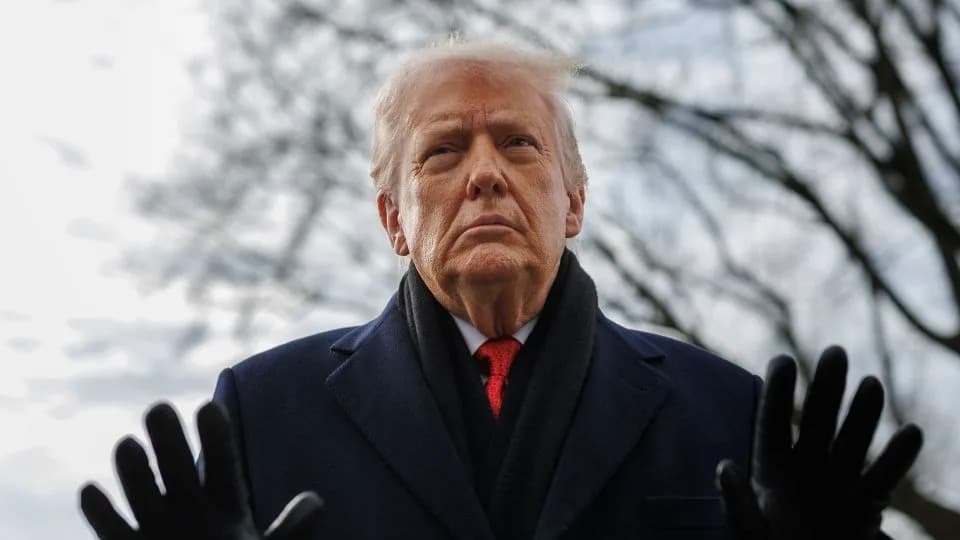
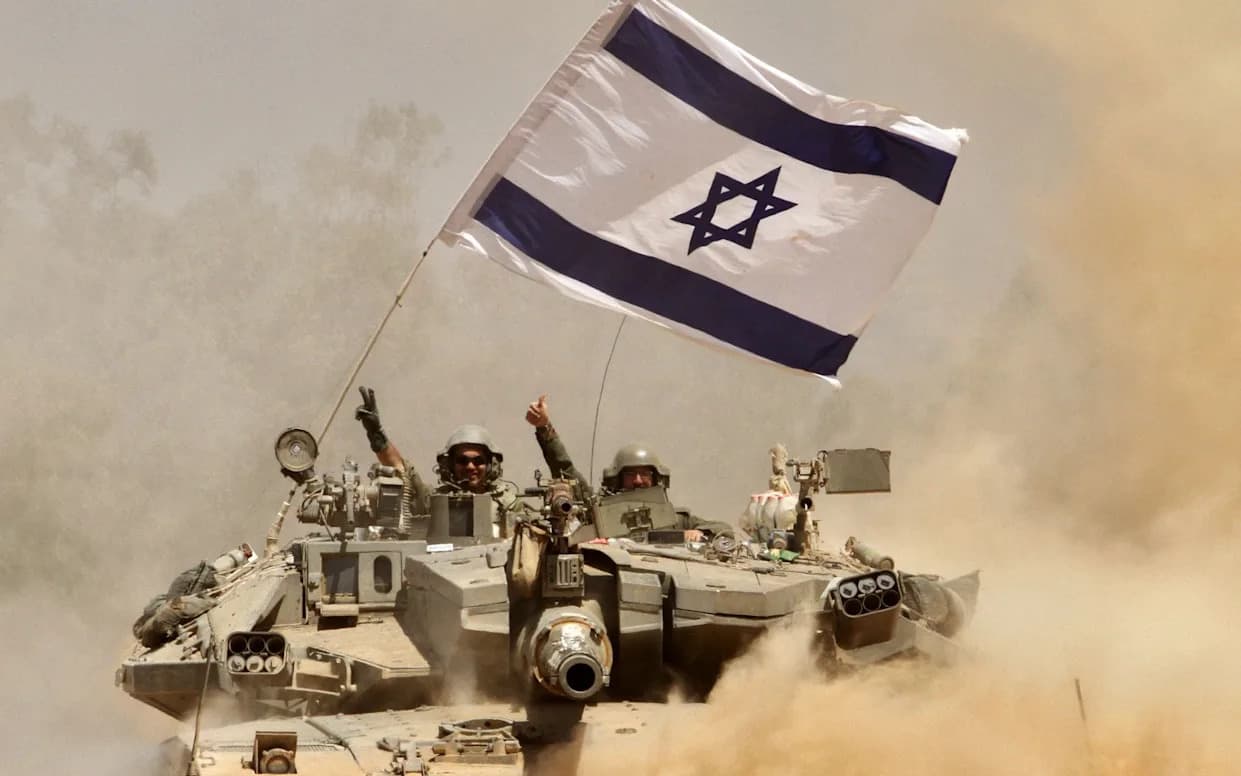
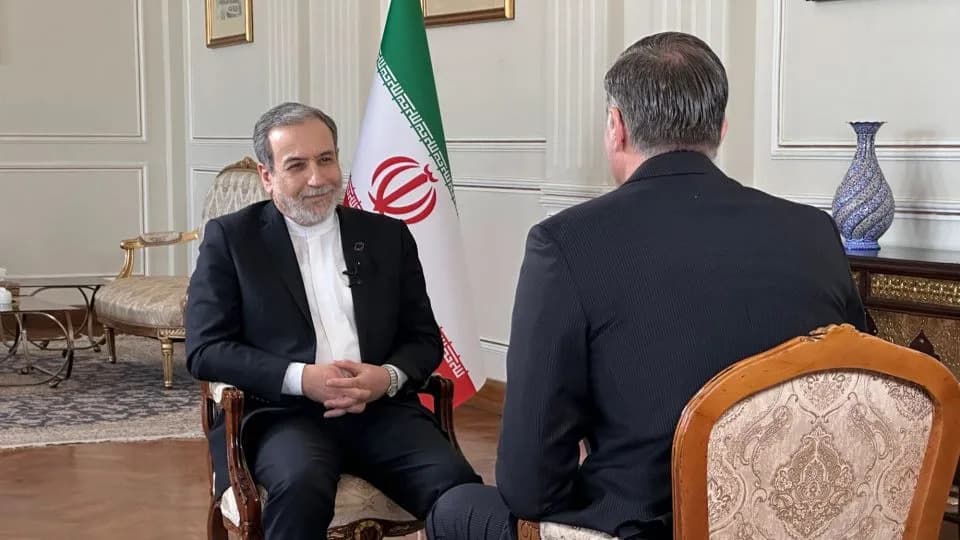
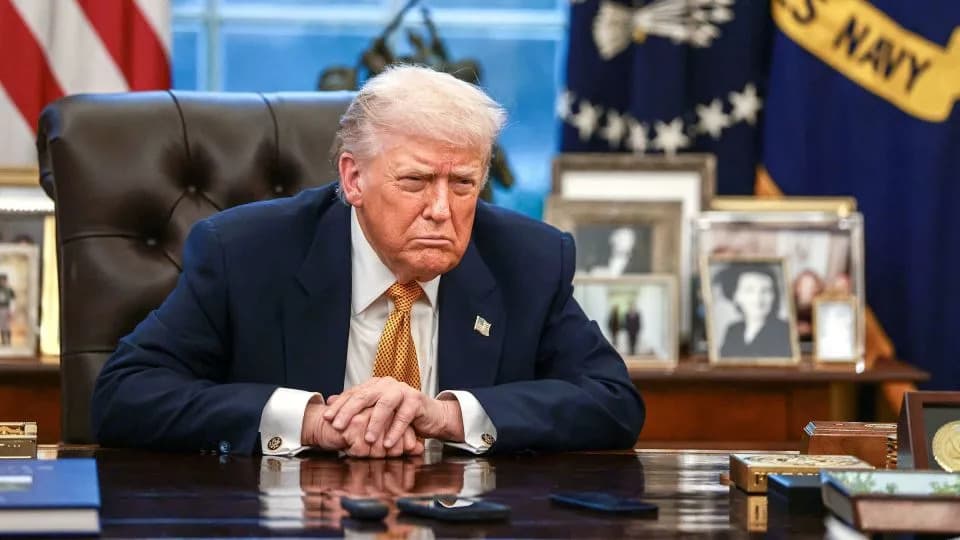
Israeli Prime Minister Benjamin Netanyahu will raise the possibility of military measures against Iran with U.S. President Donald Trump during a Washington visit this week, Israeli officials said, as renewed U.S.–Iran negotiations get underway. Israel is preparing contingency plans should talks fail and plans to present fresh intelligence assessments to Washington.
Key Concerns and Intelligence
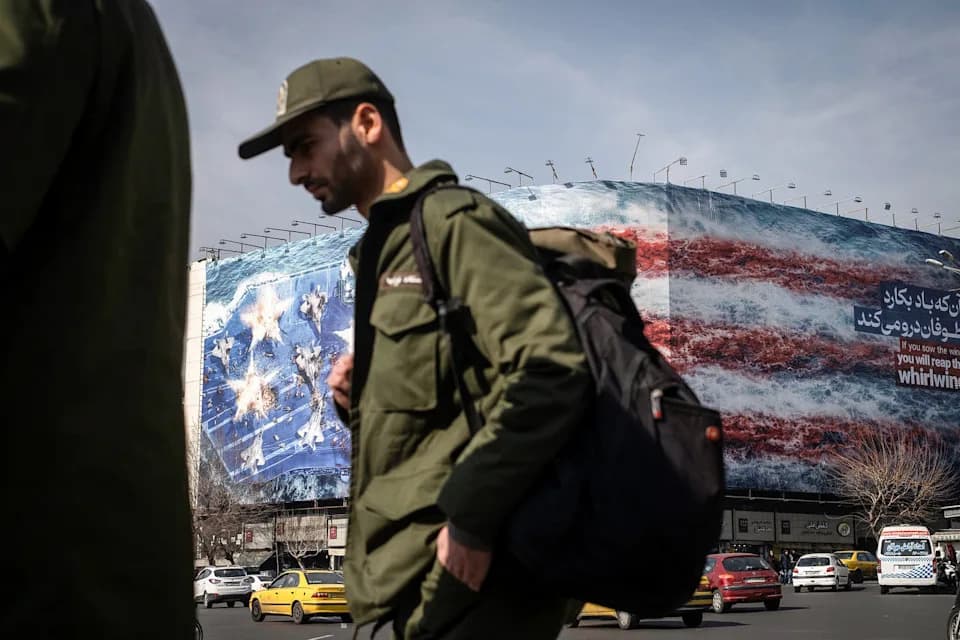
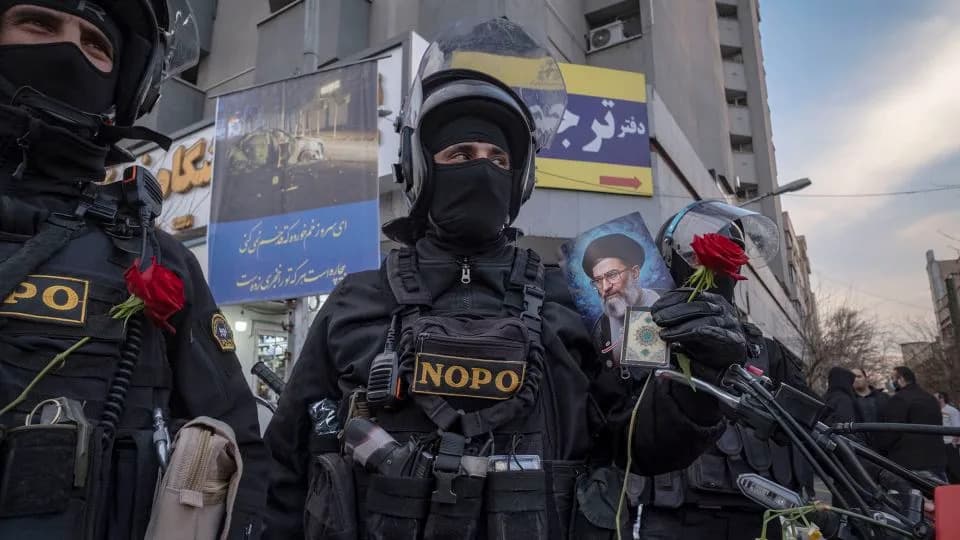
One Israeli source said Jerusalem remains skeptical that the nascent negotiations between Washington and Tehran will succeed, and is pushing to protect Israel’s strategic interests and preserve its freedom of military action under any potential deal. Israel plans to present what it calls new intelligence showing Iran could rapidly rebuild its ballistic missile inventory to roughly 1,800–2,000 missiles within weeks or months unless action is taken. CNN was unable to independently verify that estimate. Iranian officials say Tehran does not seek war but is prepared if necessary.
Diplomacy, Demands and Red Lines
Netanyahu intends to press Trump for assurances that any agreement will address more than just nuclear restrictions. Israel has urged the U.S. to insist that Tehran surrender its enriched uranium stockpile, cease enrichment, accept limits on its ballistic missile program and end support for regional proxy groups. Tehran has said it will negotiate only the nuclear dossier; President Trump has suggested he might accept a deal focused solely on nuclear limits, provided Iran does not obtain nuclear weapons.
Recent High-Level Exchanges and Regional Context
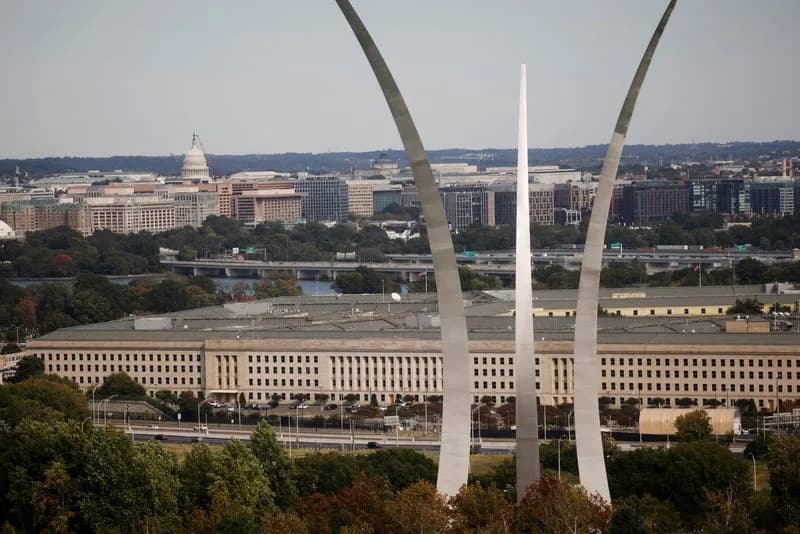
The trip follows a string of recent security exchanges: Israel Defense Forces Chief of Staff Lt. Gen. Eyal Zamir and Intelligence Division head Maj. Gen. Shlomi Binder visited the Pentagon last month, and presidential envoys Steve Witkoff and Jared Kushner met Netanyahu and senior Israeli security officials in Jerusalem. The visit was moved up at Netanyahu’s request, creating uncertainty about his attendance at an upcoming Board of Peace meeting that will consider a second phase of the Gaza ceasefire. Netanyahu continues to say Hamas must disarm before large-scale reconstruction in Gaza begins.
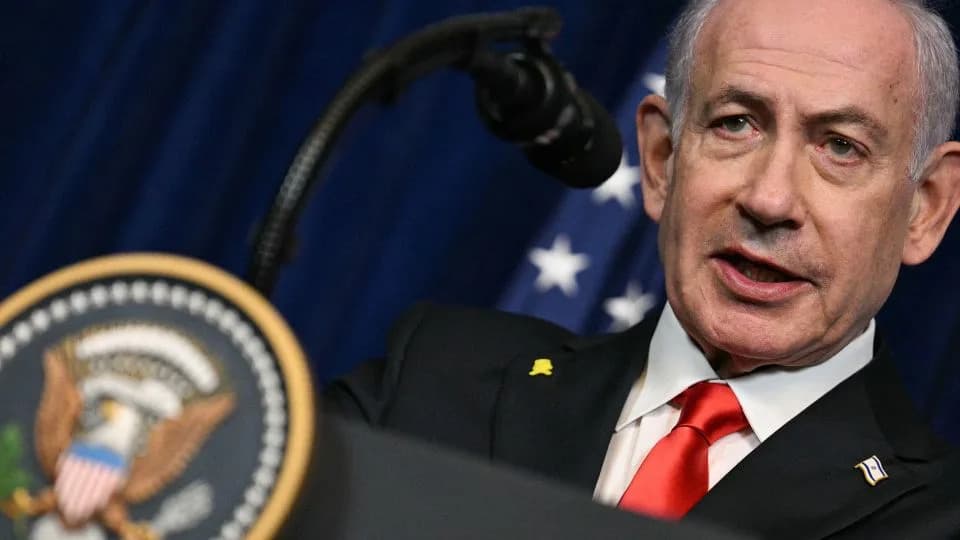
Netanyahu: "On this trip, we will discuss a series of issues: Gaza, the region, but first and foremost, the negotiations with Iran."
Observers say Netanyahu’s worst-case scenario would be a narrow deal that addresses only enrichment limits while leaving Iran’s missile and regional capabilities largely intact. Analysts and officials will be watching whether Washington’s negotiations with Tehran expand beyond the nuclear file and how any agreement would affect Israeli security planning.
Help us improve.