Iran has ordered the closure of dozens of private cafes, restaurants, galleries and shops after nationwide protests that began in late December. State media report that some business owners have been jailed and their assets seized, while critics say the measures target venues that supported demonstrators. Reported death tolls vary widely — from a government figure of 3,117 to far higher counts cited by independent monitors and a UN rapporteur — and the economy remains strained with the rial near record lows. Schools are still disrupted and security forces maintain a strong presence as diplomatic tensions with the US continue.
Iran Closes Dozens Of Private Cafes And Shops After Deadly Protests As Economy Strains
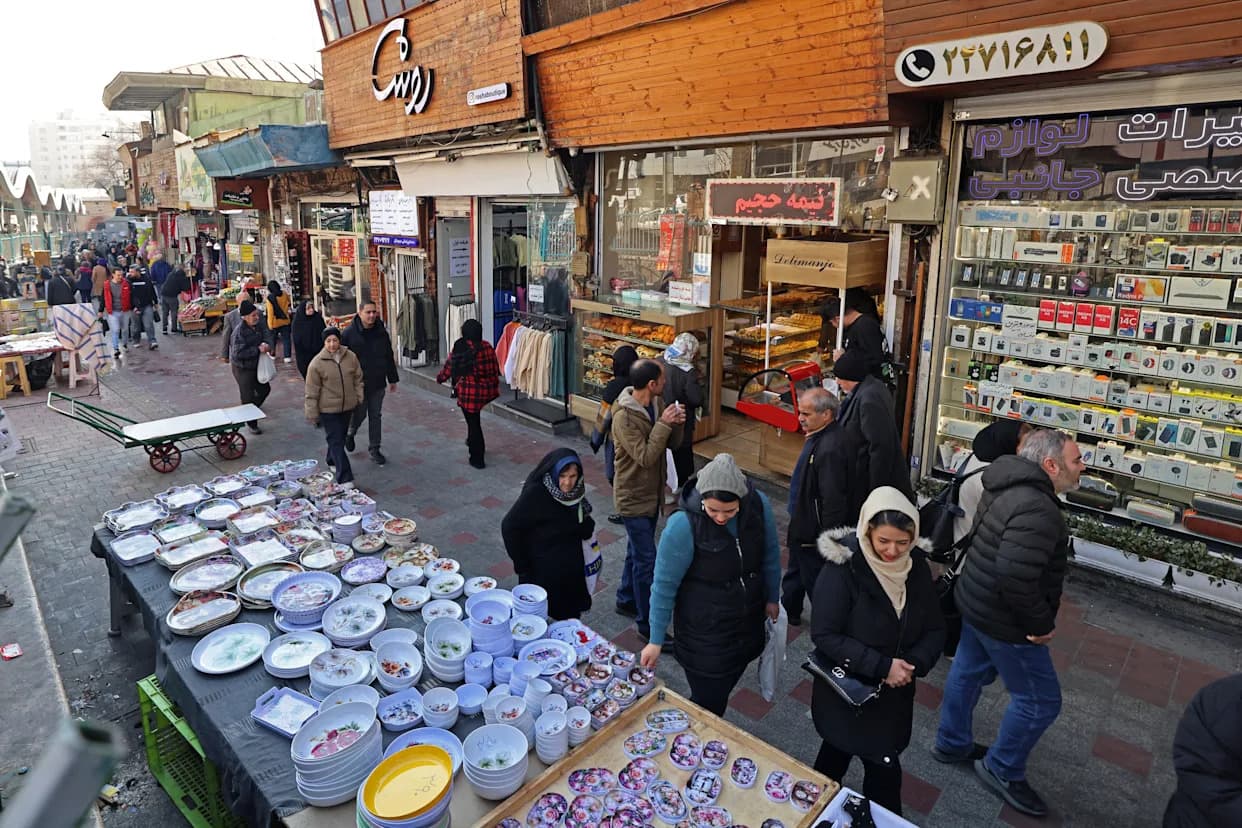
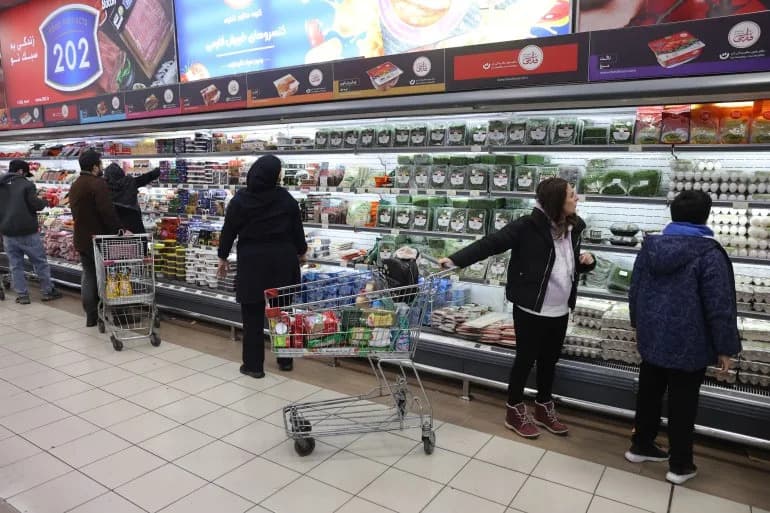
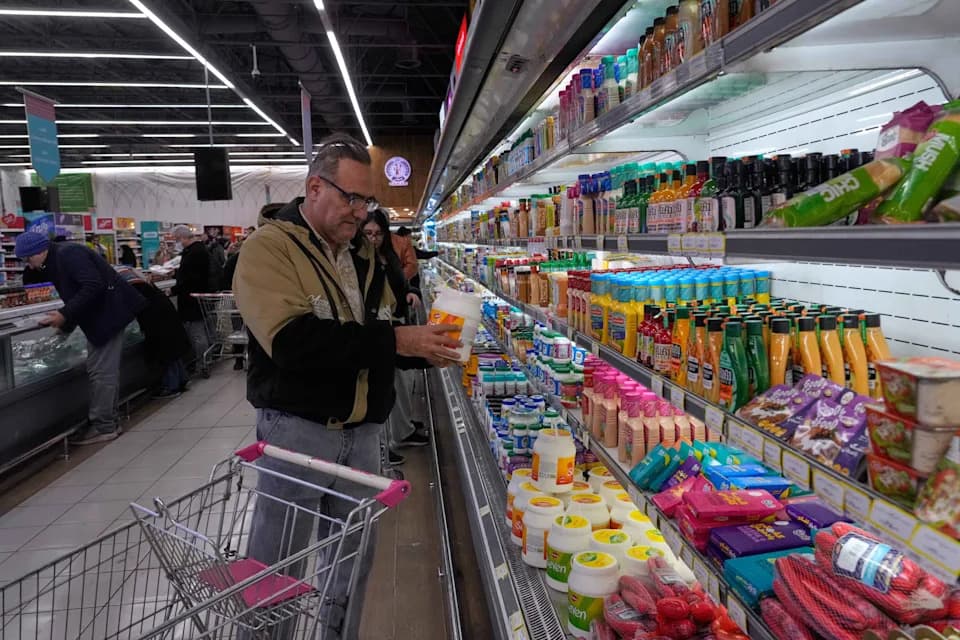
People shop at the stores in the Tajrish Bazaar in Tehran on January 28, 2026 [AFP]
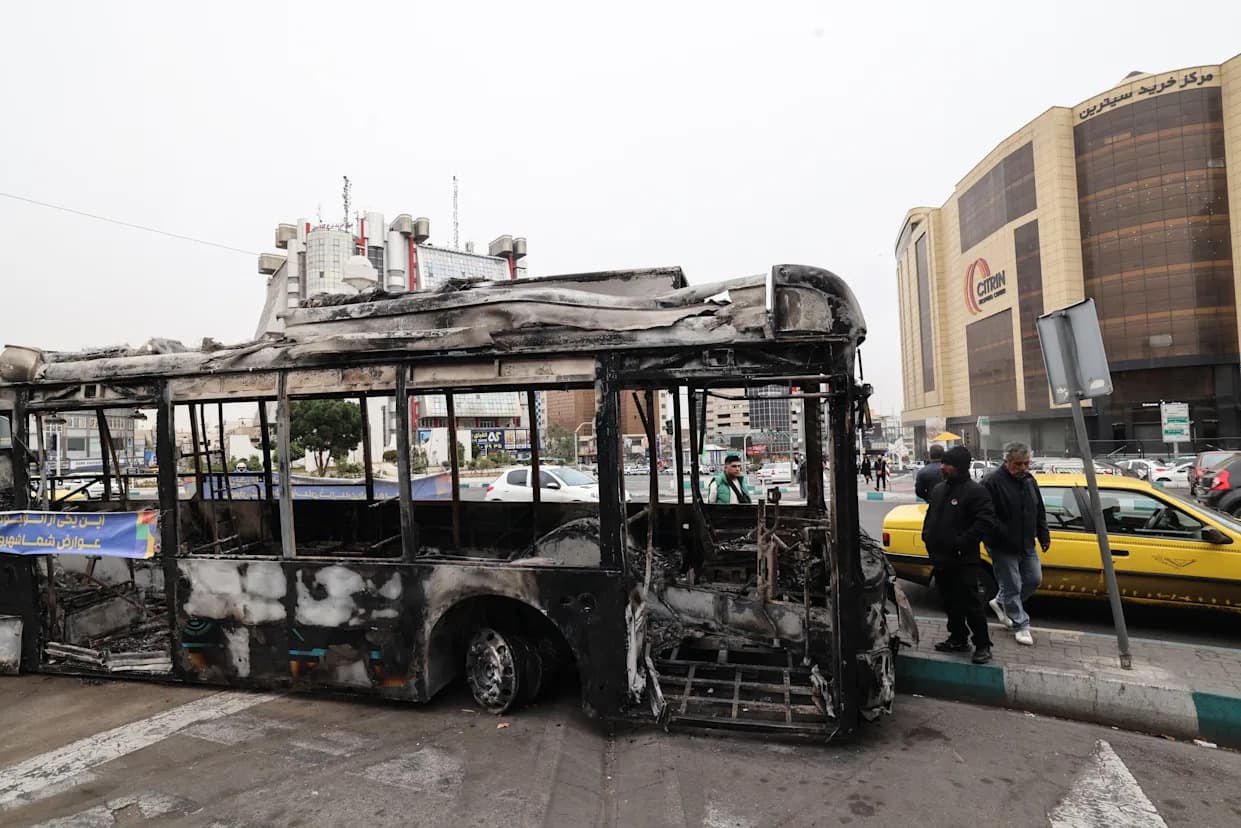
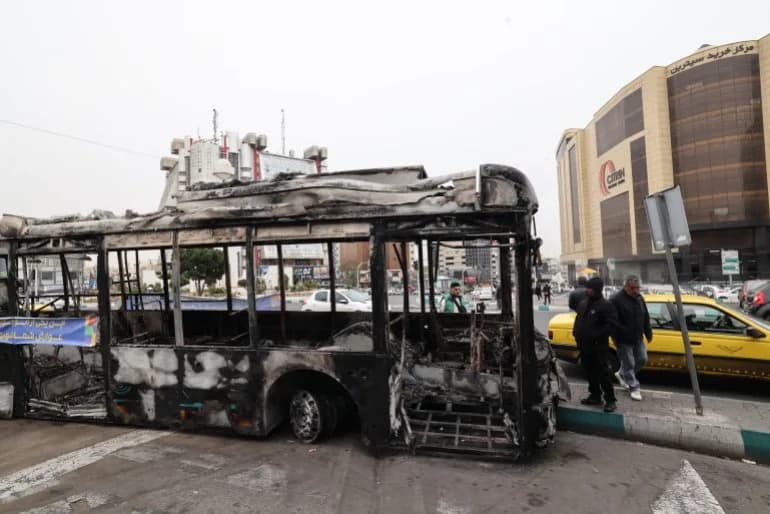
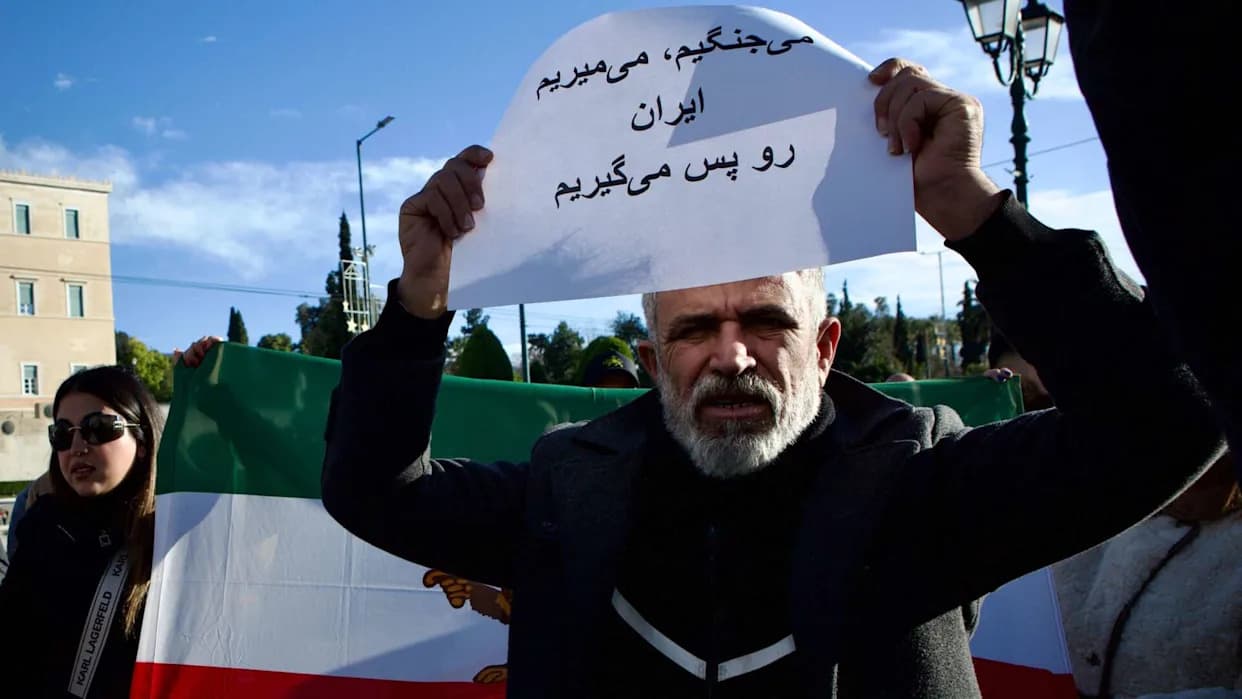
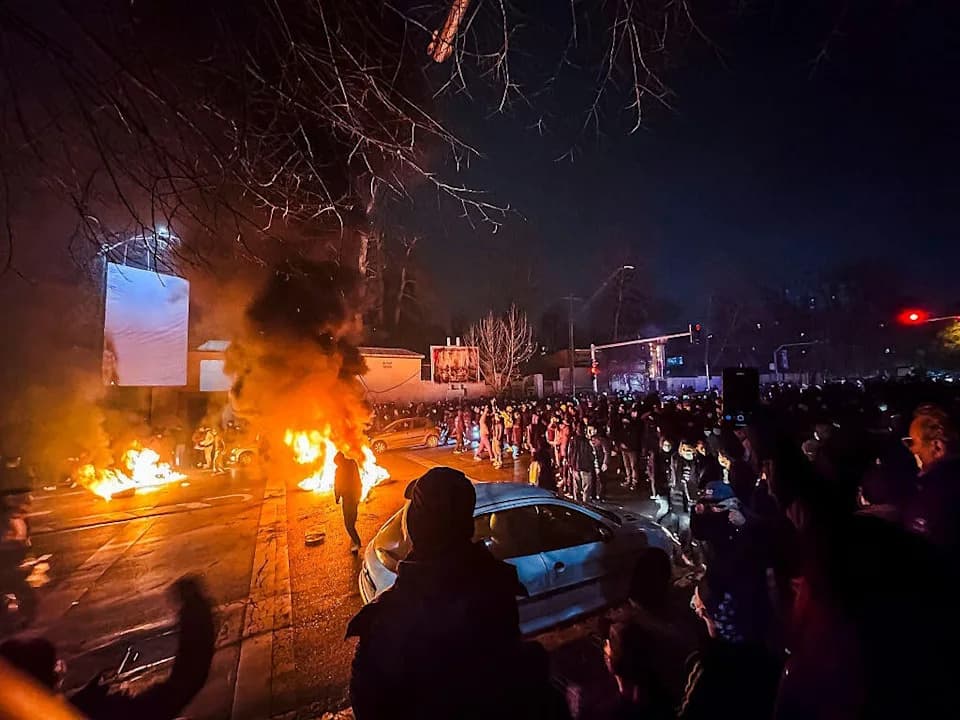
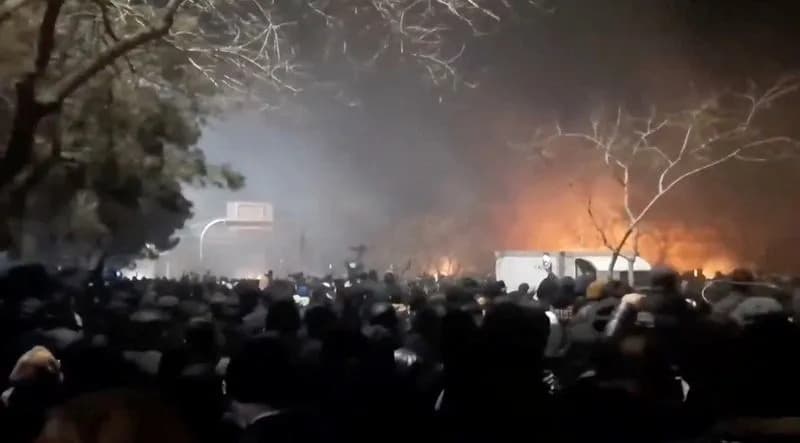
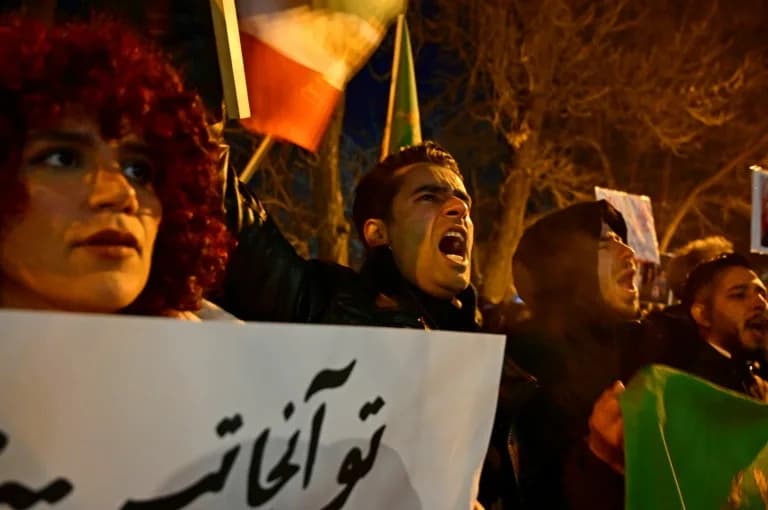
Iranian authorities have ordered the closure of dozens of privately owned businesses — mostly cafes, restaurants, galleries and small shops — after nationwide protests swept the country at the end of December. Officials say the moves respond to regulatory violations; critics contend they are punitive measures aimed at businesses that supported or sympathized with demonstrators.
Closures, Confessions And Crackdowns
Police and judicial bodies have provided little public explanation for the shutdowns. A police unit responsible for overseeing public spaces has sealed many venues in central and northern Tehran that were popular gathering places for young Iranians.
Notices posted to the social accounts of several closed establishments said their content was deemed "in violation of the country’s rules and not adhering to police regulations." Several businesses had either participated in strikes or posted social-media messages supporting the nationwide protests that began in late December.
On Monday the Fars news agency — linked to the Islamic Revolutionary Guard Corps — published an image of an alleged confession by private businessman Mohammad Ali Saedinia. The 81-year-old and his family, who ran a chain of cafes and food outlets, were reported by the judiciary to be jailed, with their businesses closed and assets seized to compensate for damage claimed during the unrest.
The alleged letter, as reported by state-affiliated outlets, includes an apology and a pledge by Saedinia and his son to participate in state-organized anniversary rallies.
Death Toll Disputes And Human Rights Concerns
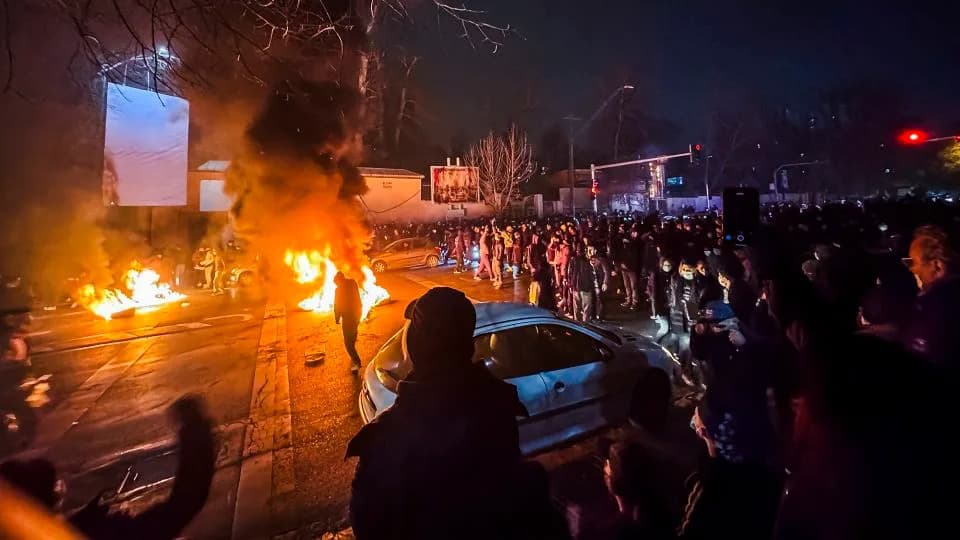
The Iranian government has reported 3,117 people killed during the unrest, blaming what it called "terrorists" and armed "rioters" backed by the United States and Israel. Independent monitors and human rights groups say the number is far higher.
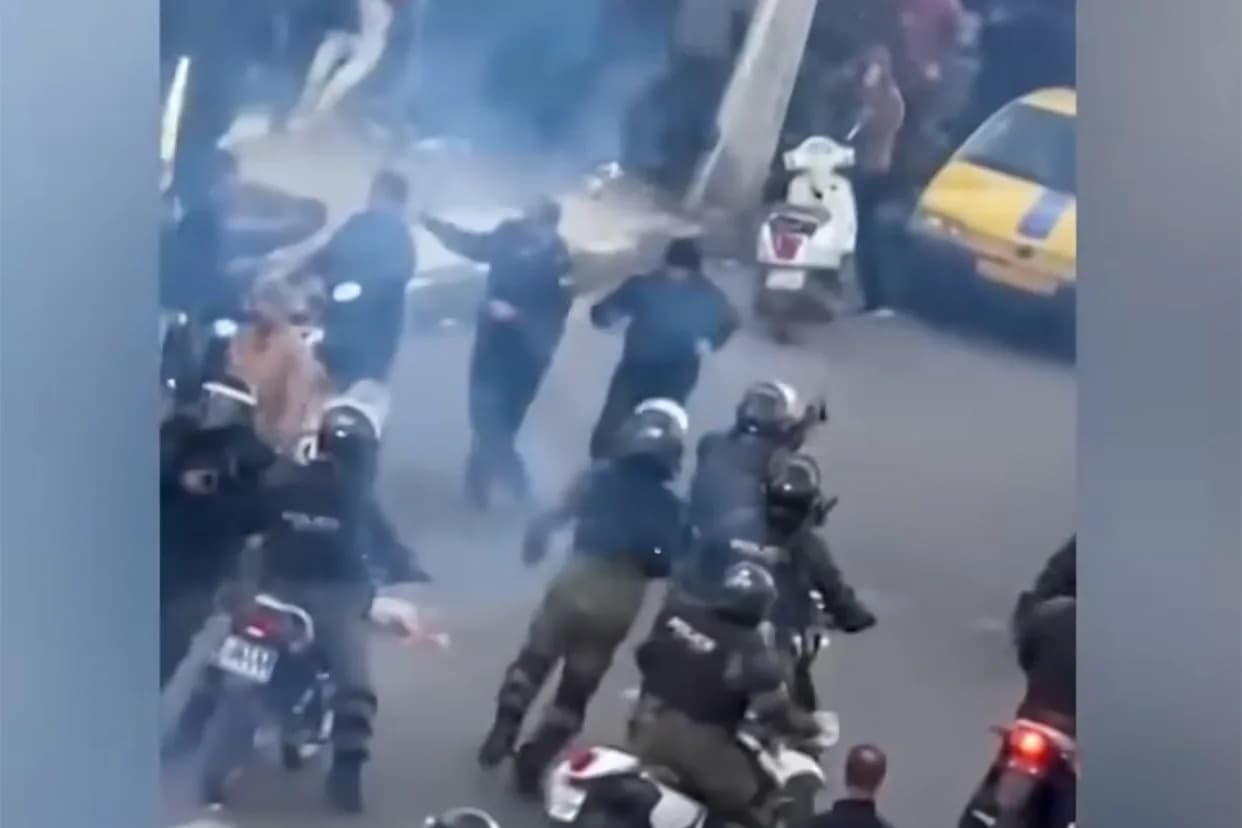
The US-based Human Rights Activists News Agency (HRANA) gave a higher figure, citing 6,964 fatalities with an additional 11,730 cases under investigation. The UN Special Rapporteur on Iran, Mai Sato, warned that more than 20,000 civilians may have died, noting that independent verification is hampered by heavy state internet filtering and restricted access. UN experts and human rights organizations have also documented widespread use of lethal force against demonstrators, including children, and raised alarm about raids on hospitals and arrests of medical personnel.
Economic Impact
More than a month after the protests began, Iran’s economy is under growing strain. The national currency, the rial, traded at roughly 1.62 million per US dollar on Tuesday — close to record lows seen last month. Market activity has not recovered to pre-protest levels.
In Tehran’s Grand Bazaar, most shops remain open but business is subdued. "After weeks of very low sales, we’re now at maybe 60 percent compared to before," a merchant selling imported electric motors told Al Jazeera. He said most transactions are being done in cash and that cheques have fallen out of use for one to two months.
Social Disruption And Security Presence
Schools and universities were closed during the unrest, and many parents remain reluctant to send children back, leaving classrooms nearly empty in some areas. Security forces continue to maintain a heavy presence in parts of Tehran, setting up checkpoints and patrolling commercial districts where the protests originally flared.
Authorities also detained leading reformist figures accused of working "for the benefit" of Israel and the United States; these arrests add to the thousands reported detained since the protests began.
Diplomatic Tensions
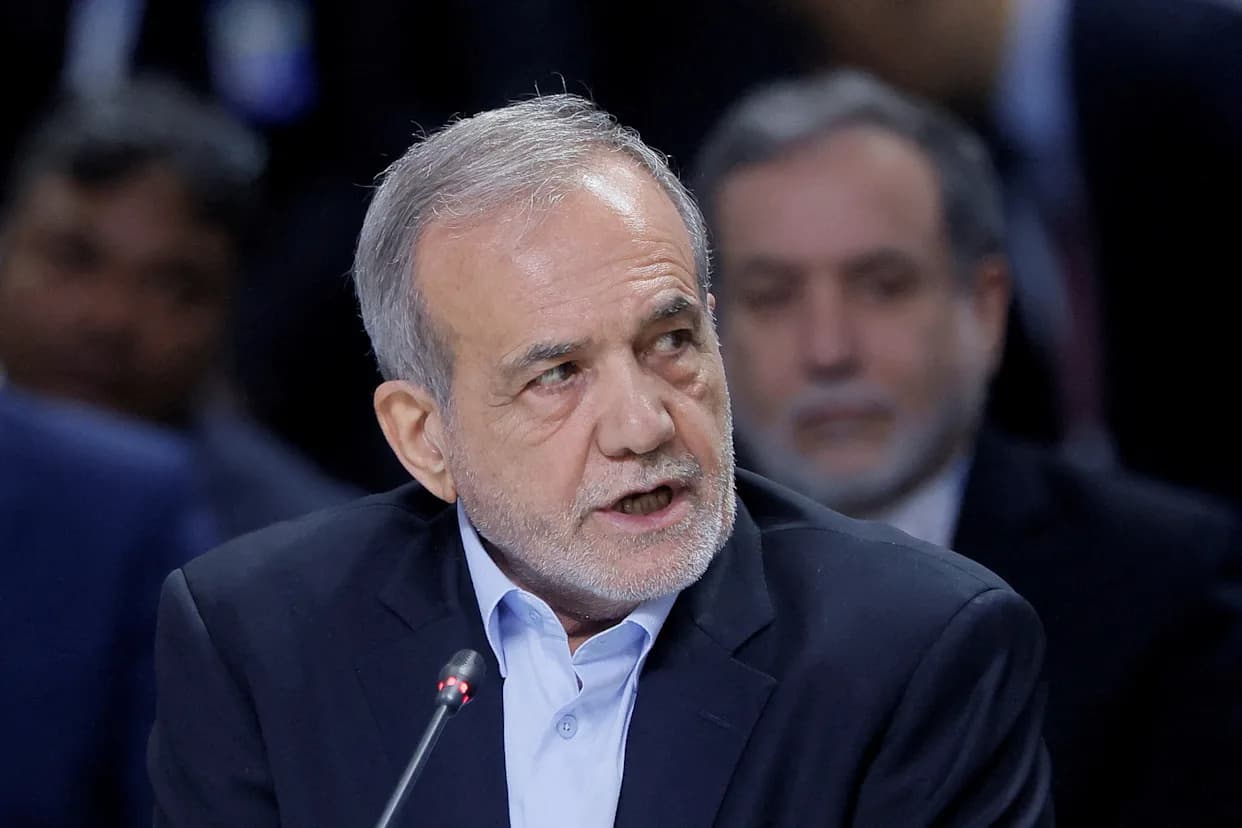
Despite elevated regional tensions, Iran and the United States engaged in indirect, Oman-mediated talks last week. Both sides, however, continued to exchange threats as the US increased deployments of warships and air defenses in the region. Iranian security chief Ali Larijani traveled to Muscat to meet Omani leaders while international attention focused on parallel diplomatic activity in Washington.
The situation remains fluid: economic pain, political repression, and competing narratives over the protests and their human cost are shaping a volatile environment in Iran as the state prepares for anniversary events of the 1979 revolution.
Help us improve.