Overview: Reps. Thomas Massie and Ro Khanna say what appear to be excessive redactions in DOJ-released Epstein files may be shielding 'at least six' individuals, including a U.S. citizen and a senior foreign official. Lawmakers reported encountering redacted names even during supervised 'unredacted' reviews and missing FBI 302 interview summaries. They are pressing DOJ to provide the required privileged log explaining redactions and to correct any over-redactions, and have left open the option of public hearings if the issue is not resolved.
Lawmakers Say Over-Redactions in Epstein Files May Be Shielding 'At Least Six' Men
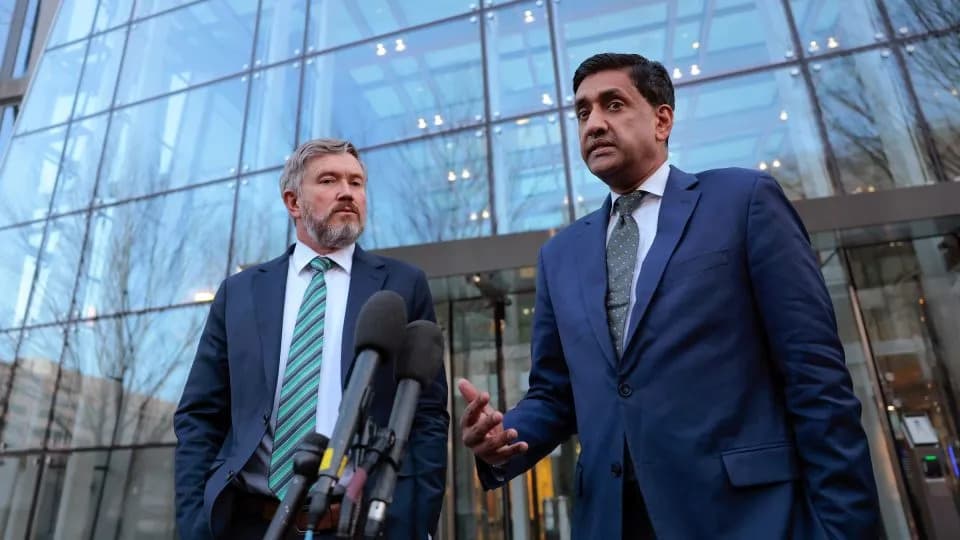
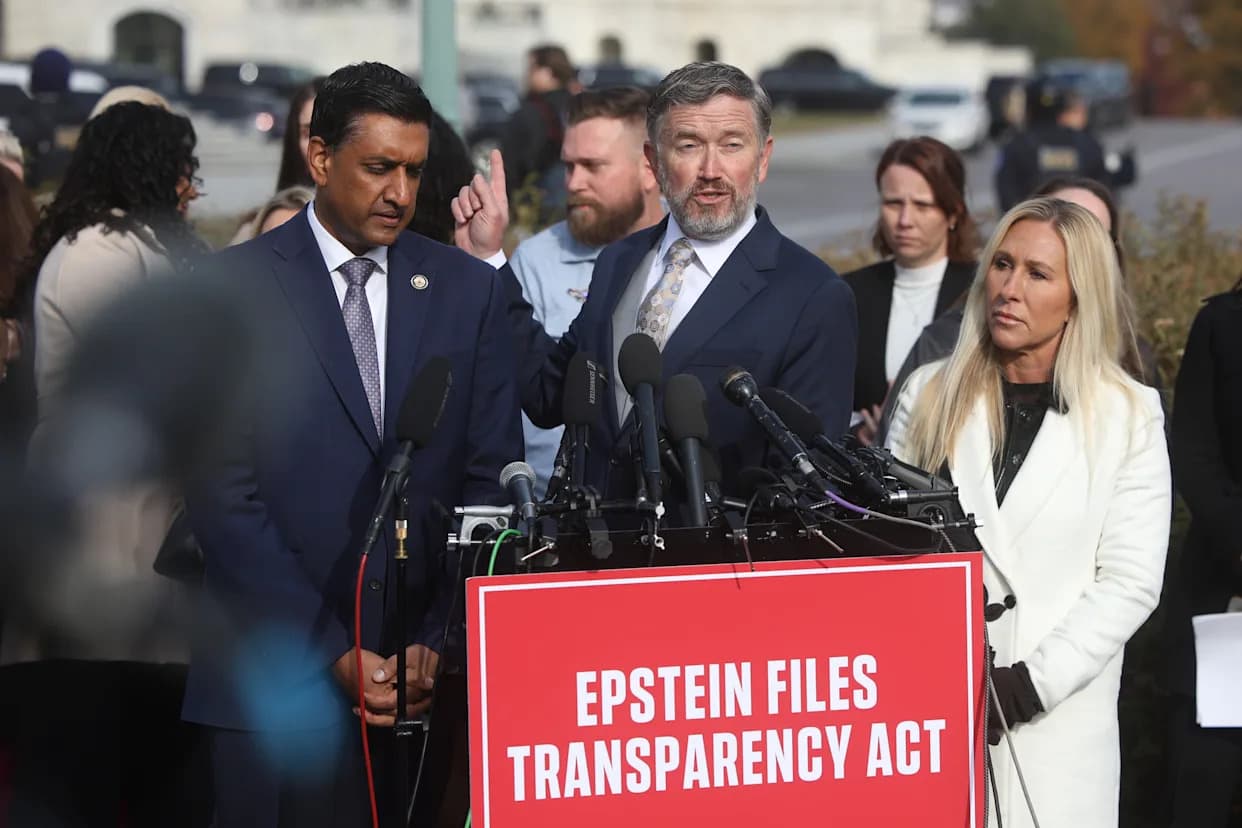
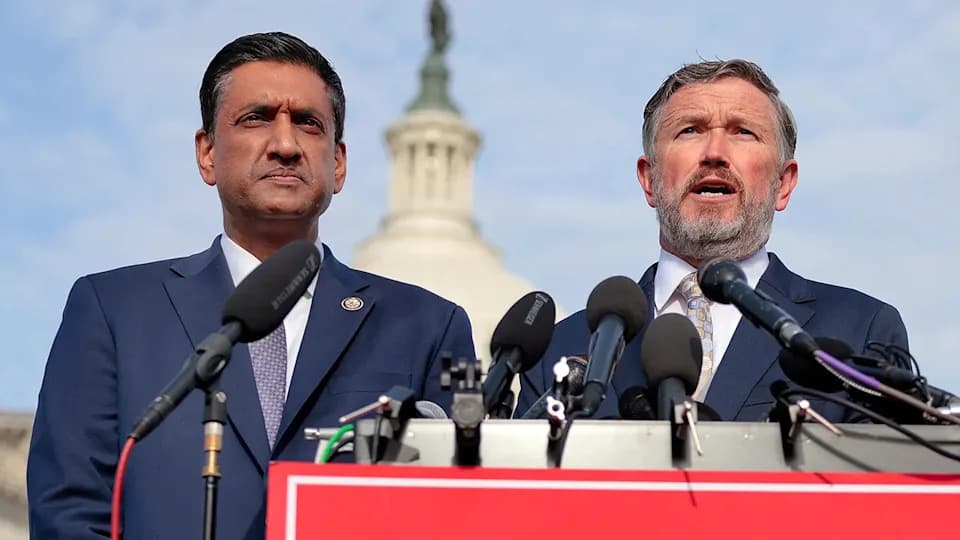
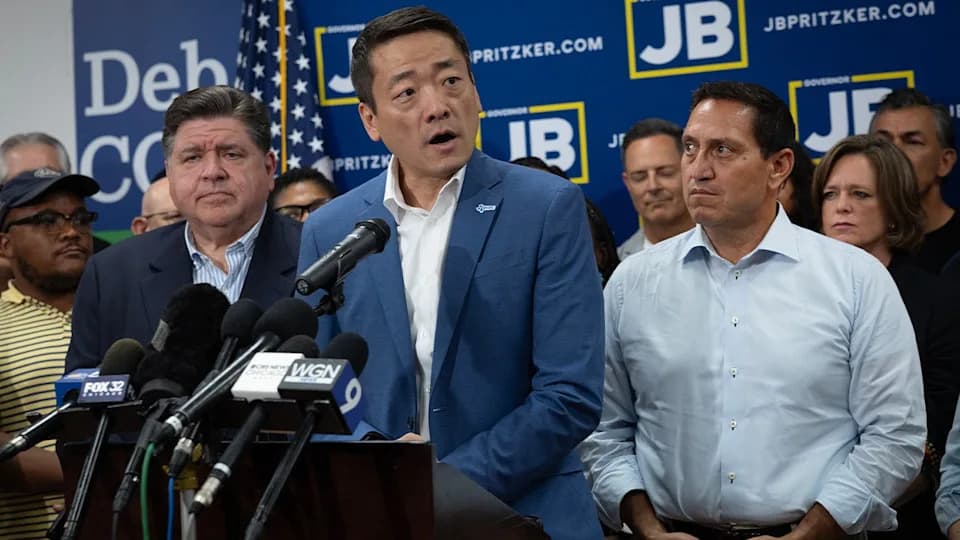
Reps. Ro Khanna and Thomas Massie speak after viewing unredacted Epstein files on February 9, 2026, in Washington, DC. - Heather Diehl/Getty Images
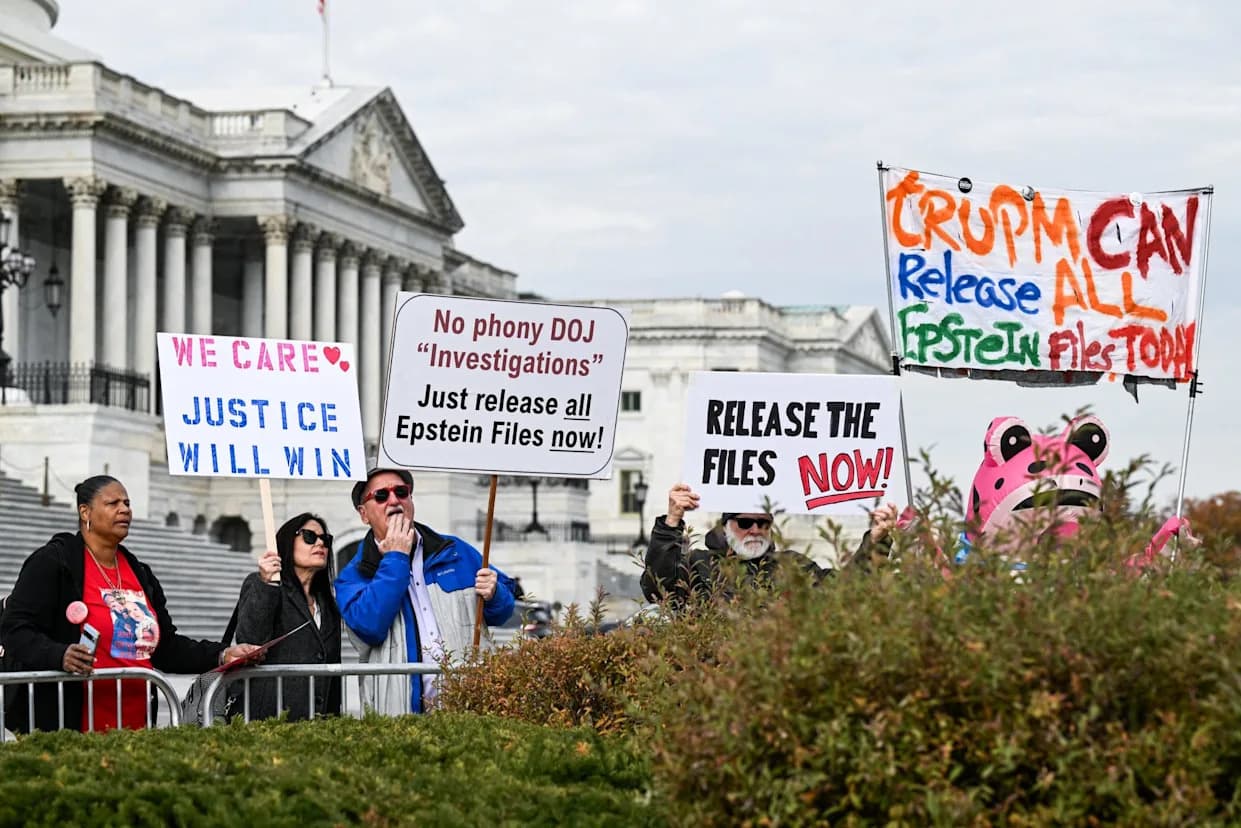
Reps. Thomas Massie (R-Ky.) and Ro Khanna (D-Calif.) told reporters that, after reviewing documents the Justice Department has made available so far in the Jeffrey Epstein matter, they believe excessive redactions may be protecting the identities of 'at least six' individuals whose inclusion in the files suggests potential wrongdoing.
What Lawmakers Saw
Massie said he found the names of at least six men redacted in places where their inclusion appears significant. He described the discovery as troubling and said 'it took some digging to find them.' The two lawmakers declined to reveal names publicly but said the group includes at least one U.S. citizen, one foreign national, and 'three or four' others whose nationalities were not immediately determined. Massie added that one person appears to be 'pretty high up in a foreign government,' and Khanna called another 'a pretty prominent individual.'
Massie: 'I would like to give the DOJ a chance to say they made a mistake and over-redacted, and let them un-redact those men’s names.'
Limits On The Review And Evidence Of Over-Redaction
The review occurs under strict conditions: members may not bring phones or staff, and there are only four computers available for lawmakers to inspect the files. Rep. Jamie Raskin (D-Md.) estimated that, at the current pace and access setup, it could take roughly seven-and-a-half years for members to review all the documents if all four stations were in use continuously.
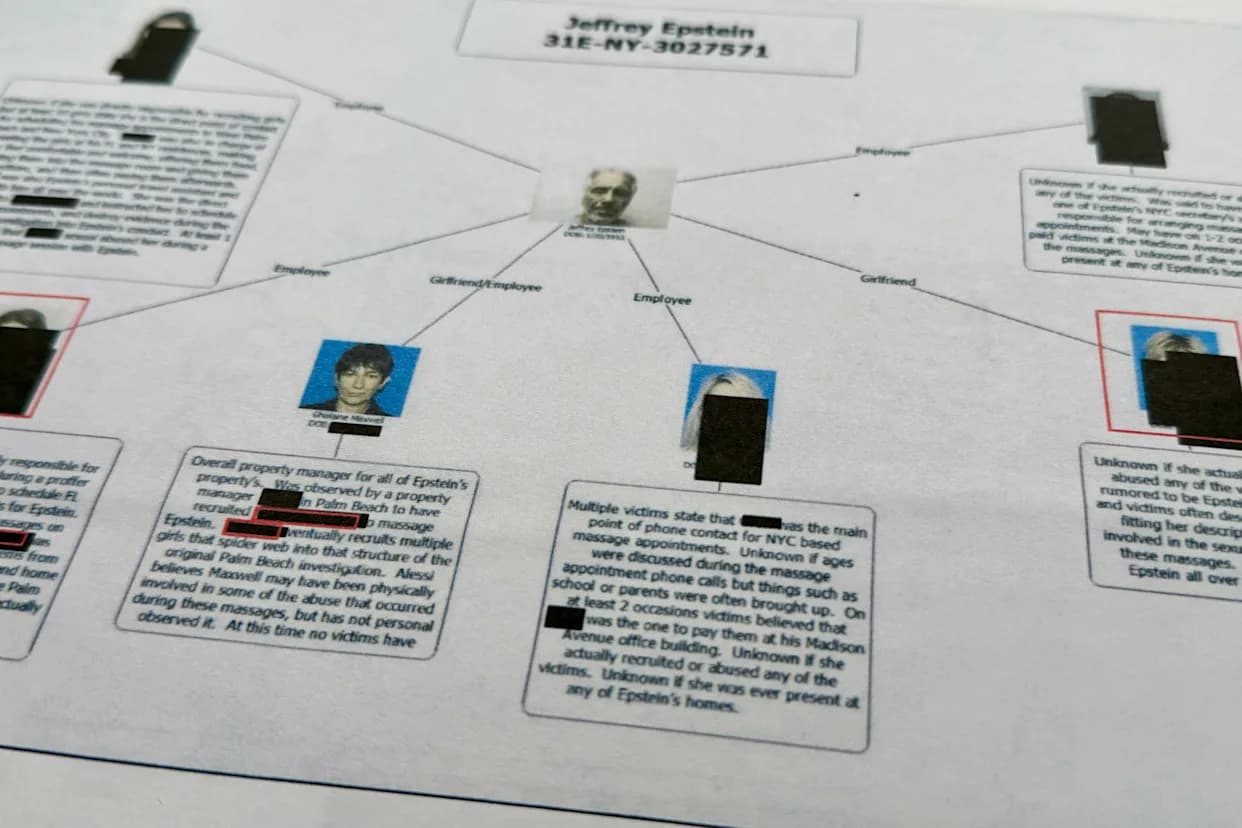
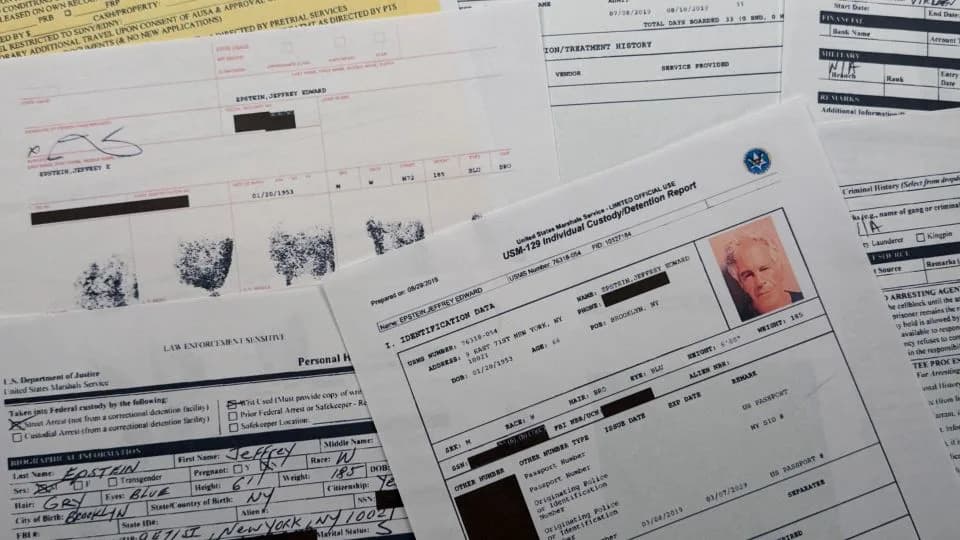
Lawmakers reported finding redactions even during this supervised viewing, and they questioned whether some documents had been produced to the Justice Department already redacted by the FBI or a grand jury. Several members described numerous instances of apparent over-redaction, including names that they said were not victim identifiers and therefore should not have been shielded under the law governing this release.
Specific Concerns
Members said FBI '302' interview summaries — forms agents use to record interviews with witnesses, victims or suspects — were not made fully available in unredacted form, a point of frustration for lawmakers seeking clarity. Rep. Jared Moskowitz (D-Fla.) emerged from the review saying the documents show 'lots of co-conspirators' and described the material as both disturbing and wide-ranging.
Rep. Raskin also said he saw former President Donald Trump's name redacted in places where, in his view, it should not have been, including a 2009 email thread between lawyers for Epstein and lawyers for Trump about Epstein's visits to Mar-a-Lago. Raskin paraphrased the email as saying Epstein was a guest at Mar-a-Lago but not a member of the club. Trump has denied wrongdoing related to Epstein and has not been charged in connection with the case.
Next Steps And Legal Requirements
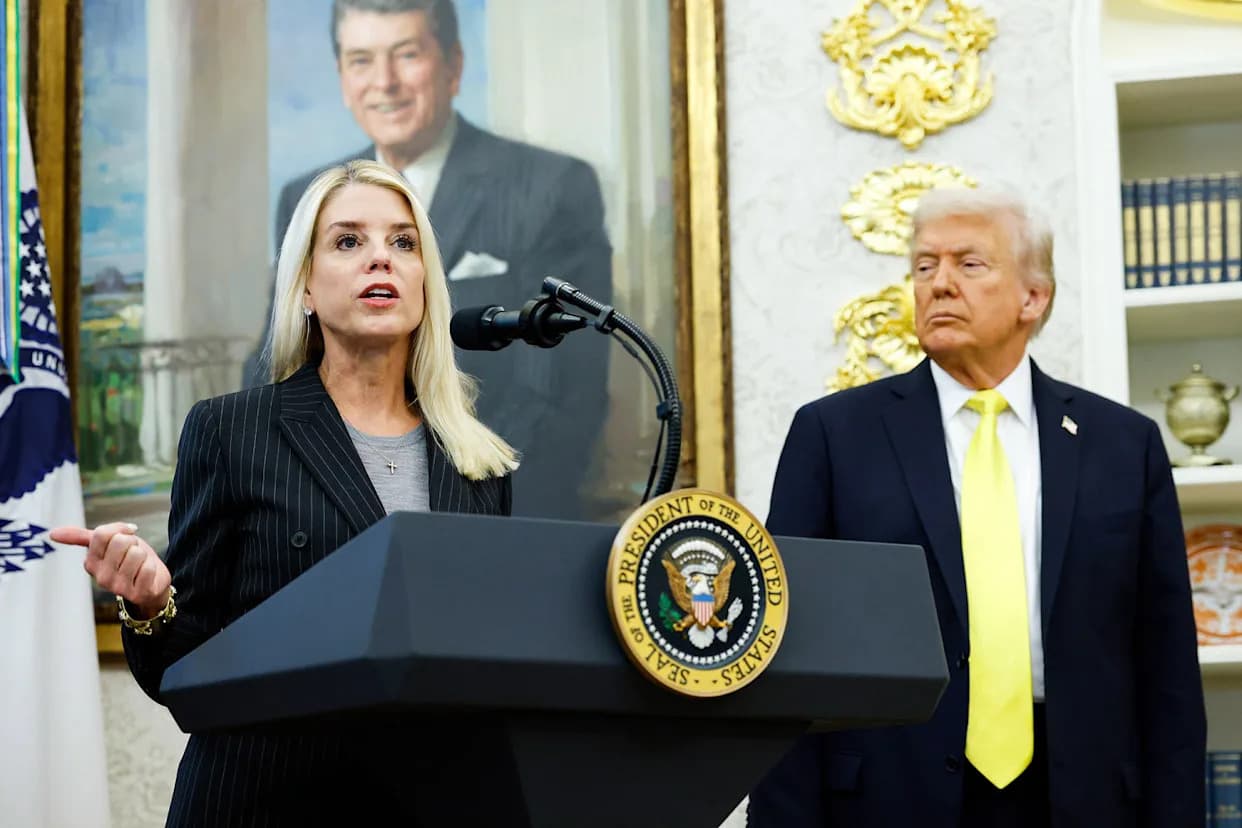
Massie and Khanna are urging the Justice Department to re-examine the redactions and to un-redact any names that were shielded in error. Under the statute governing this release, DOJ is required to provide Congress a privileged log explaining the basis for particular redactions; lawmakers say they have not yet received that log, which DOJ was compelled to supply within 15 days of the January 30 document release.
The lawmakers left open the possibility of revealing the identities in a committee hearing or on the House floor if the Justice Department does not remedy what they describe as over-redactions.
Context And Caution
All claims about potentially incriminating names come from lawmakers' descriptions of what they observed in the files. Those descriptions are allegations based on a preliminary review and do not constitute findings by prosecutors or a court. The Justice Department has authority and responsibility to balance transparency with legitimate legal protections, including active investigations and grand-jury secrecy. Lawmakers' next steps are likely to include pressing DOJ for the privileged log and seeking further review or public hearings if concerns remain.
Help us improve.