Alex Murdaugh's appeal of his 2023 murder convictions is before the South Carolina Supreme Court, focusing on alleged jury tampering by former clerk Rebecca 'Becky' Hill and the admission of extensive evidence about his separate financial crimes. The defense combines a challenge to a 2024 denial of a new-trial motion and direct appeals of trial rulings; the state says the evidence and verdict remain sound. Oral arguments are timed and livestreamed; the court will issue a written decision later, with outcomes ranging from affirmation to a new trial.
What To Know As Alex Murdaugh’s Murder-Conviction Appeal Reaches South Carolina Supreme Court
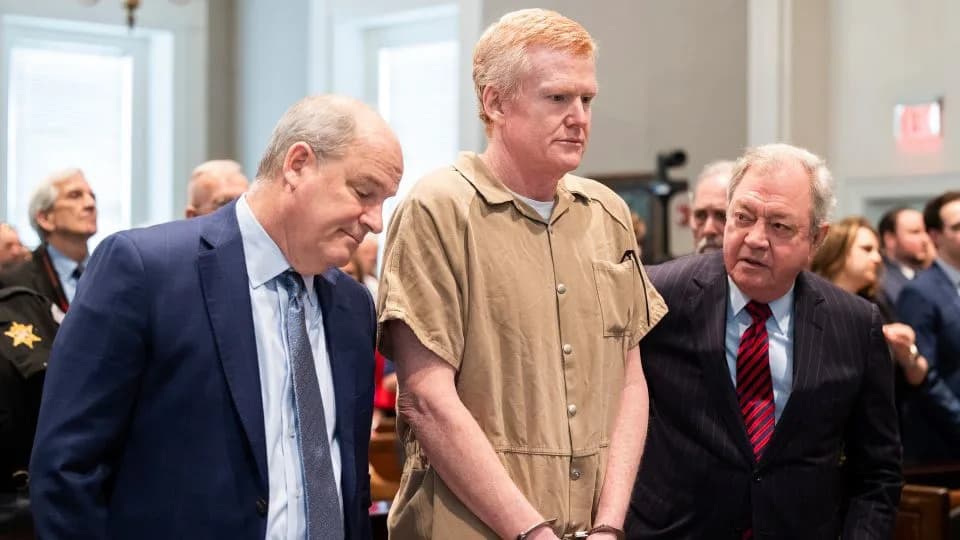
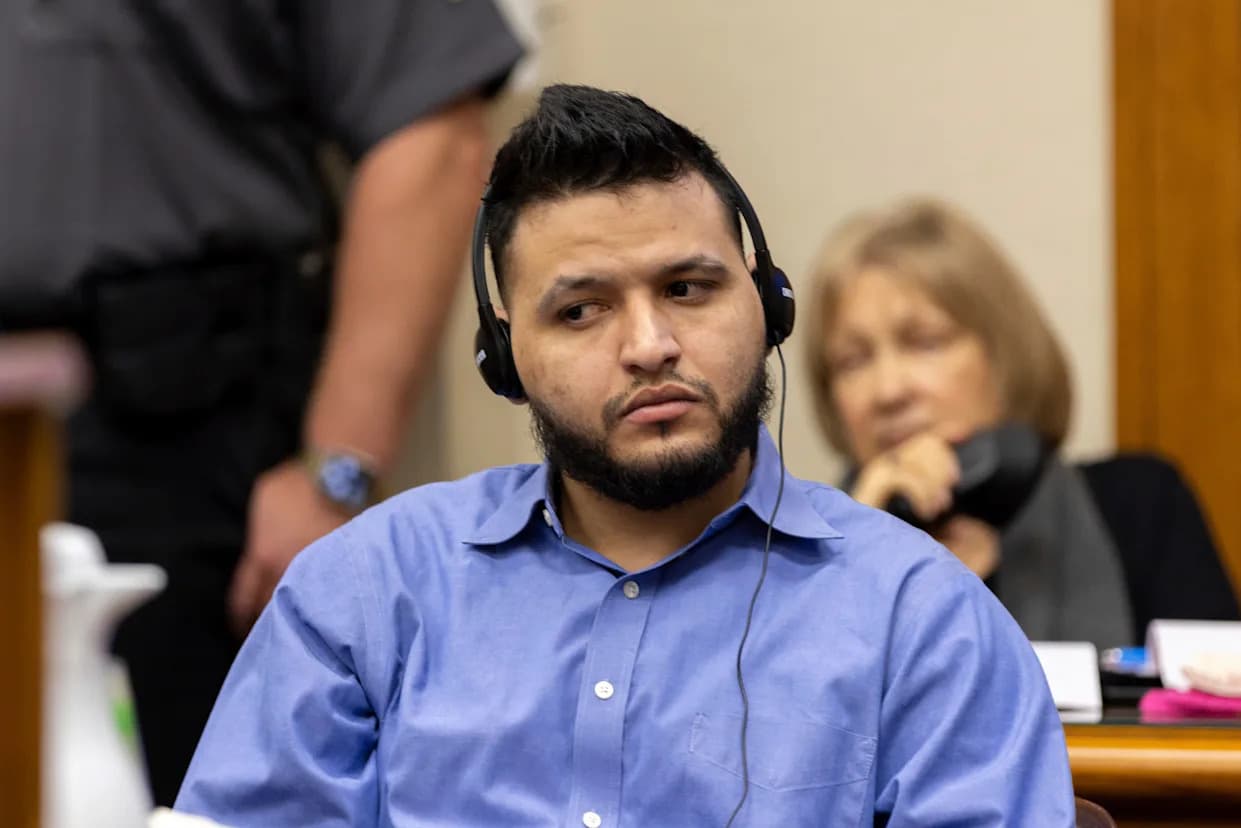
Alex Murdaugh – seen here flanked by his attorneys in March 2023 – is seeking a new trial to prove his innocence in the killings of his wife and son. - Joshua Boucher/Pool/The State/AP
South Carolina's so-called 'trial of the century' returns to the state's highest court as the South Carolina Supreme Court hears Alex Murdaugh's appeal of his 2023 murder convictions.
What’s At Issue
Oral arguments will focus on whether Murdaugh is entitled to a new trial based on two principal claims: alleged jury tampering by former Colleton County clerk of court Rebecca 'Becky' Hill, and the admission of extensive, potentially prejudicial evidence about Murdaugh's separate financial crimes. The defense combines two appeals: one challenging the 2024 denial of a new-trial motion and another contesting rulings made during the 2023 trial.
Background
Once a prominent heir to a Lowcountry legal dynasty, Alex Murdaugh was convicted in March 2023 of fatally shooting his wife, Maggie, and his 22-year-old son, Paul, at the family's hunting property in June 2021. A Colleton County jury returned guilty verdicts after a highly publicized six-week trial that also included testimony about alleged financial misconduct.

Former Colleton County Clerk of Court Rebecca "Becky" Hill listens during her guilty plea on Monday, December 8, 2025, in St. Matthews, South Carolina. - Jeffrey Collins/AP
Separately, Murdaugh pleaded guilty to dozens of federal and state charges tied to a yearslong scheme prosecutors say took roughly $9 million from clients and others. He is serving concurrent 40-year (federal) and 27-year (state) terms for those crimes in addition to the life sentences from the murder convictions.
Key Arguments In The Appeal
The defense argues that Rebecca Hill improperly interacted with or influenced jurors during the murder trial. After a one-day evidentiary hearing in January 2024, retired South Carolina Chief Justice Jean Toal denied a new trial, finding Hill's comments did not change the verdict but also describing Hill as not credible and attracted to the case by celebrity.
Hill was never charged with jury tampering and denied that allegation, but she later faced criminal counts including perjury tied to testimony at the evidentiary hearing; in December 2025 she pleaded guilty to perjury, obstruction of justice and misconduct in office. The state Supreme Court has added documents about those charges and her plea to the appellate record, which the defense says it will use to undermine Hill's denials.
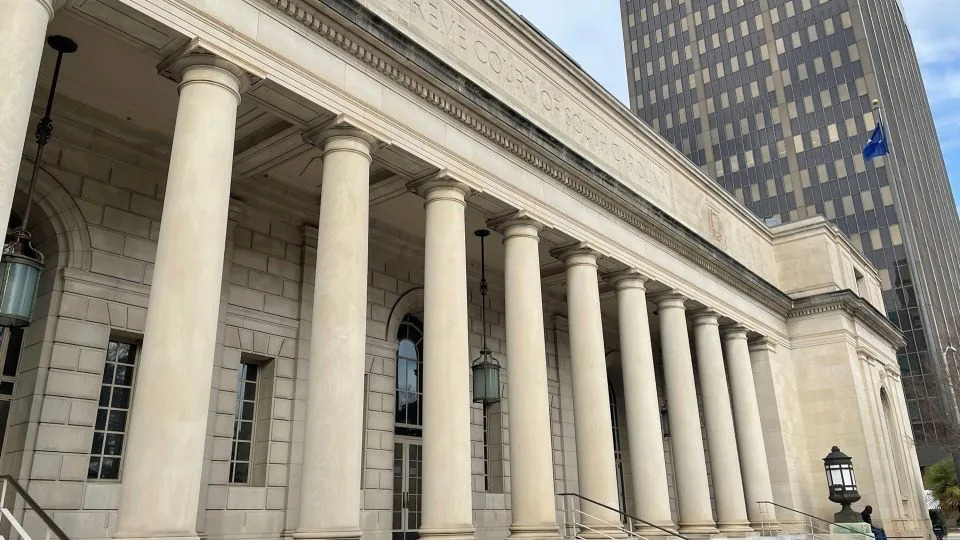
The South Carolina Supreme Court, seen here in Columbia, will livestream Wednesday's oral arguments in Alex Murdaugh's appeal. - James Pollard/AP
The defense also contends evidence and testimony about Murdaugh's financial crimes was unduly prejudicial and should have been limited or excluded. Prosecutors say that financial evidence was relevant to motive: they argued Murdaugh killed Maggie and Paul to prevent discovery of his schemes and stolen settlements.
Defense filings additionally allege investigative failures and prosecutorial misconduct, asserting those problems deprived Murdaugh of a fair trial. The prosecution maintains the convictions rest on overwhelming evidence and that any trial errors were not significant enough to overturn the verdicts.
Court Procedure, Timing And Who's There
Wednesday's oral arguments — no witnesses or new testimony — will begin around 9:30 a.m. in Columbia and will be livestreamed and open to the public on a first-come, first-served basis. Under a court order, each side is allotted 40 minutes total: 20 minutes on the jury-tampering issue and 20 minutes on alleged trial errors. Murdaugh's team will have an additional 10 minutes for a combined reply.
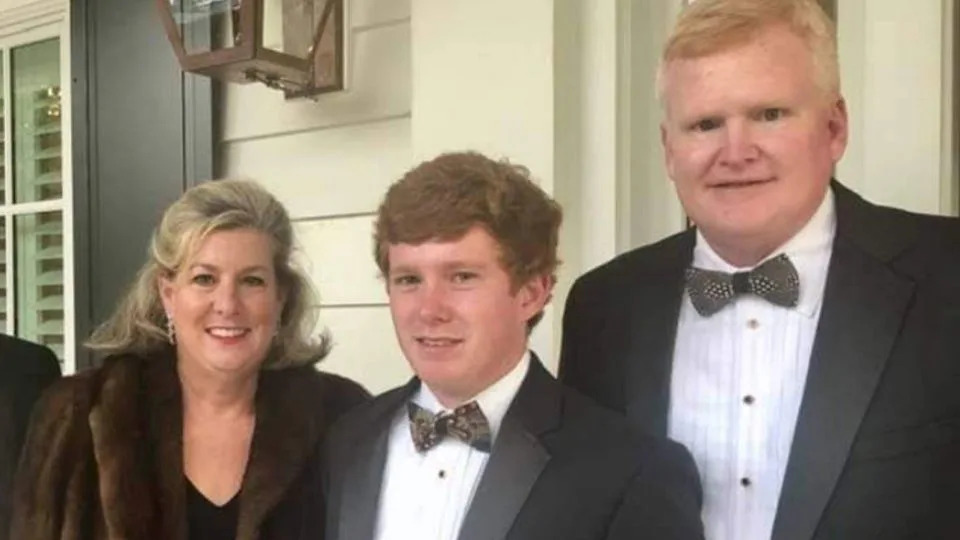
Alex Murdaugh, right, is seen with his wife, Maggie, and son, Paul. - Handout
Justices frequently ask questions during oral argument. Alex Murdaugh will not attend; his attorneys Dick Harpootlian, Jim Griffin and Phillip Barber are scheduled to argue. Senior Assistant Deputy Attorney General Creighton Waters, who led the prosecution at trial, will present the state's case; Attorney General Alan Wilson will be seated with him.
Possible Outcomes And Timing Of A Ruling
The South Carolina Supreme Court does not issue decisions from the bench. After oral arguments the justices will privately deliberate and later publish a written opinion. It could be months before a ruling appears, and there is no set deadline.
Three outcomes are possible: the court could affirm the convictions (leaving the life sentences intact), remand the case to a lower court for further proceedings, or reverse and order a new trial. If the convictions are reversed and a retrial is ordered, prosecutors would decide whether and how to proceed. Regardless of the court's ruling on the murders, Murdaugh will remain incarcerated because of the lengthy state and federal sentences for the financial crimes.
"This case was not built on the 'overwhelming evidence of guilt' the State claims, but on a foundation of investigative malpractice, prosecutorial misconduct, and corruption by an elected court official that denied Murdaugh his constitutional right to a fair trial." — Defense filing, Nov. 2025
The hearing will test competing arguments about fairness, prejudice and procedure in a case that has drawn national attention through documentaries, podcasts and other coverage.
Help us improve.