Shopkeeper Ali Zbeedat closed his Sakhnin shops after repeated shootings and a death threat, igniting protests across Israel. Tens of thousands rallied in Tel Aviv and Jerusalem demanding action against organised, mafia‑style gangs that activists say thrive amid poverty, unemployment and limited policing in Palestinian towns. Rights groups and politicians warn that entrenched criminal networks, informal financing and alleged protection for some suspects complicate enforcement, and officials have proposed a national task force in response.
Shopkeeper’s Defiant Closure Sparks Mass Protests Over Mafia‑Style Organised Crime in Israel’s Palestinian Towns
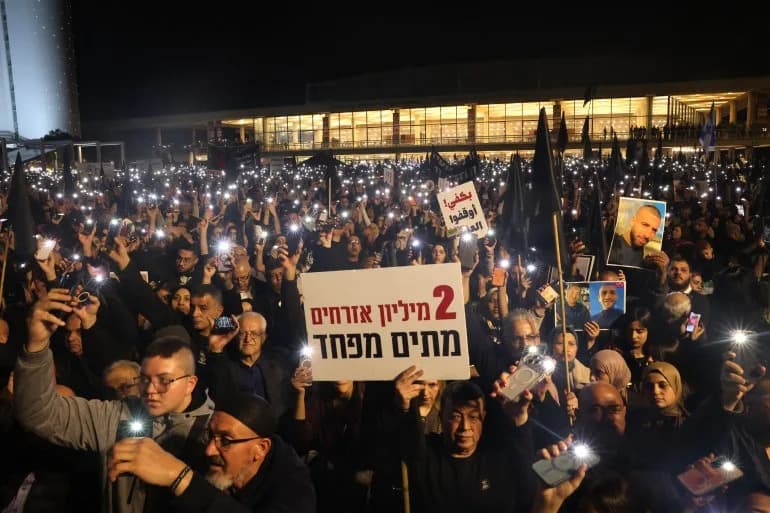
People hold placards and light their phone torches during a demonstration against rising crime rates against Palestinian citizens of Israel [Ahmad Gharabli/AFP]
On a January morning in Sakhnin, veteran shopkeeper Ali Zbeedat reached a breaking point. After four attacks on his family businesses and a direct death threat — "We know where you go and where you walk. We will kill you if you don’t finish what you’re supposed to" — Zbeedat closed his shops and said he would not reopen them.
From One Closure To Nationwide Outcry
Zbeedat’s decision resonated beyond Sakhnin. As more merchants shut their doors in protest, demonstrations spread to Tel Aviv and Jerusalem, where tens of thousands of people — Palestinian and Jewish Israelis alike — marched to demand stronger action against organised crime. Placards read "Enough Violence and Murder," "No More Silence," and "Arab Lives Matter."
Leaders, Rights Groups And Local Voices
"In 2025, 252 Palestinians were murdered in Israel, but that doesn’t tell you everything,"said Aida Touma-Suleiman, a Palestinian member of Israel’s parliament for the Hadash‑Ta'al alliance. She warned that the toll extends far beyond fatalities to thousands who live in fear or must spend large shares of income on protection.
Observers such as Hassan Jabareen, founder of the Arab rights group Adalah, describe life in many Palestinian localities as marked by state absence. "It’s Hobbesian," he said, paraphrasing Thomas Hobbes: life in those places can feel "nasty, brutish and short" when policing and public services are limited.
Economic Drivers And Social Conditions
Socioeconomic indicators underscore the challenges. Israel’s National Insurance Institute reports that about 38% of Palestinian households live below the poverty line, and roughly half of Palestinians say monthly expenses exceed income. Official 2024 employment figures show about 54% of Palestinian men and 36% of Palestinian women in Israel were employed, levels that activists say fell further following restricted access to the occupied West Bank after the 2023 Gaza conflict.
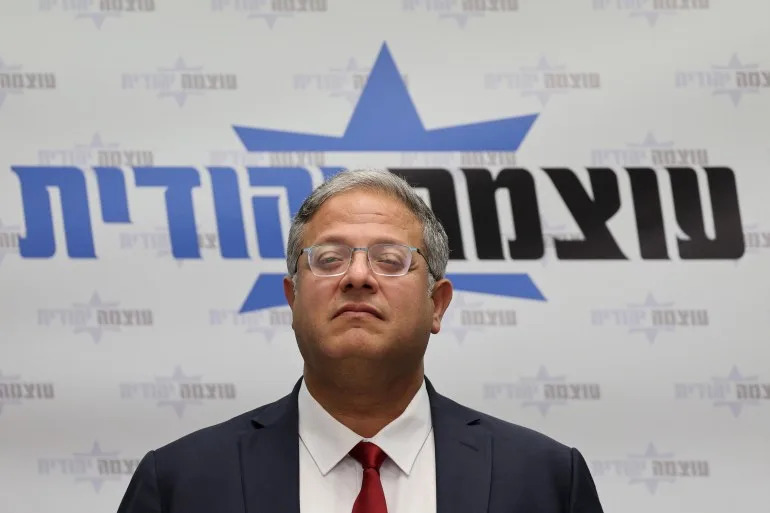
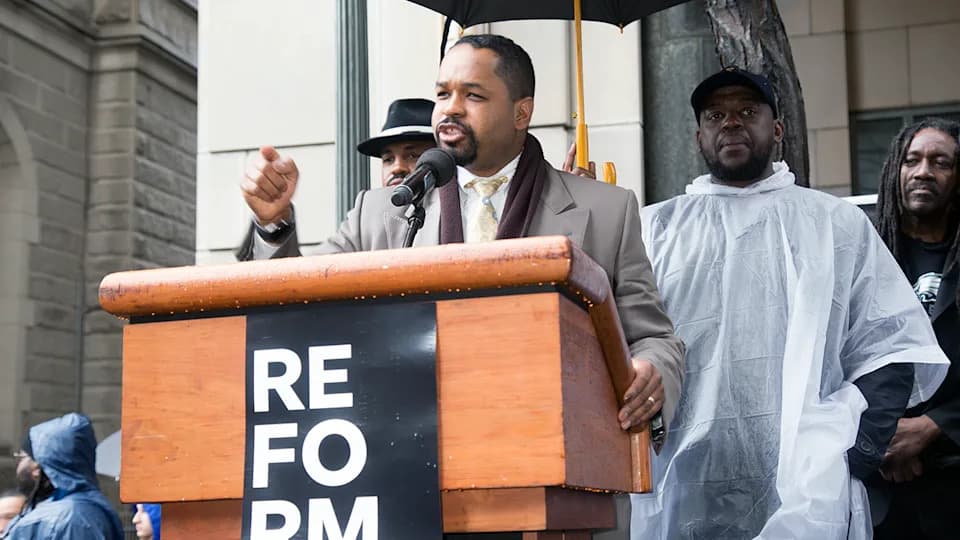
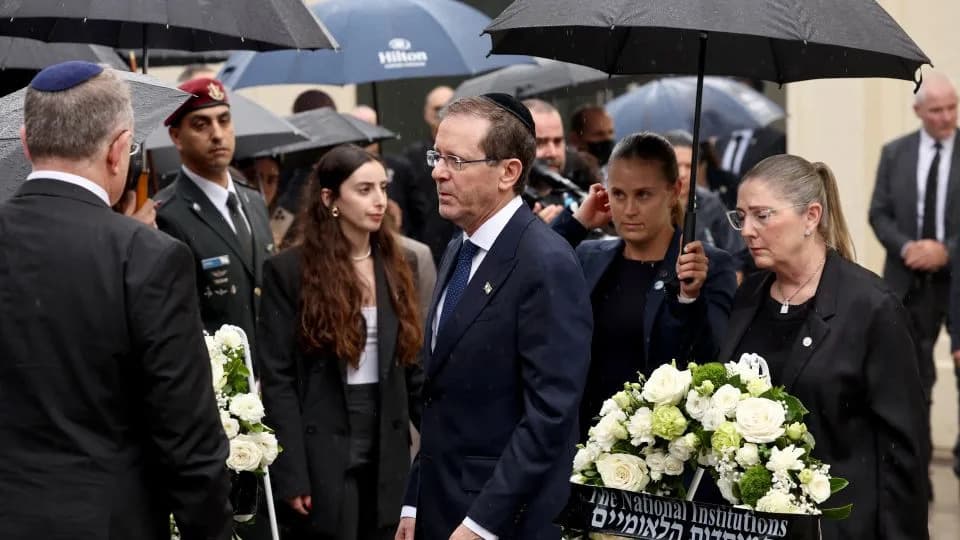
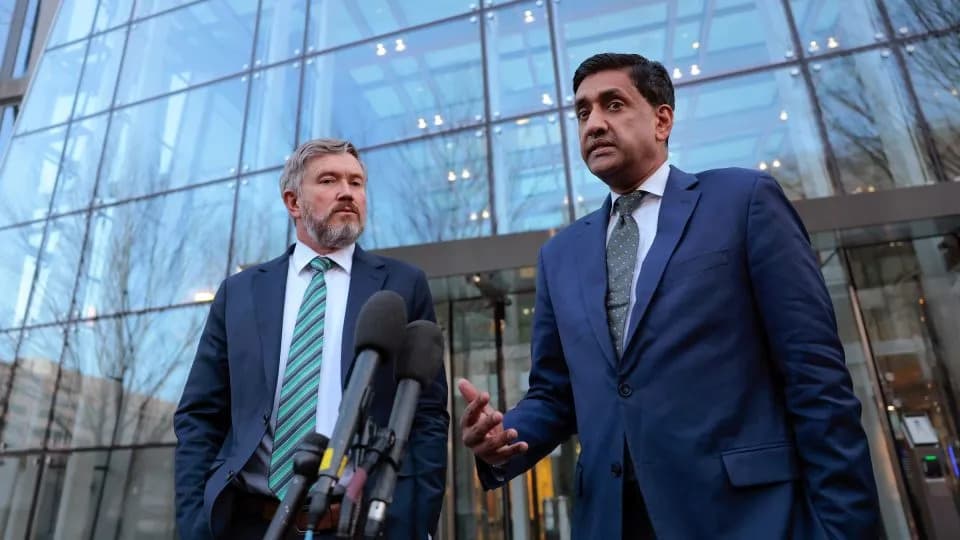
Itamar Ben-Gvir is reported to be in charge of a task force investigating the problem [File: Abir Sultan/EPA]
These conditions create fertile ground for organised criminal networks, critics say. Some former residents who worked on the margins of Israeli society returned with the know‑how to build organised groups in their hometowns, often in places with few local police stations.
Scale And Nature Of The Criminal Networks
Protesters and rights groups describe gangs operating across cities and towns with hierarchical structures, informal financing systems and diversified criminal portfolios. "They have their own banking systems and give out loans," Touma‑Suleiman said, noting that only about 20% of Palestinians typically qualify for loans from Israeli banks. She also alleged criminal trade in drugs, weapons and control over contracting companies, which can distort local economies.
Activists have also accused state actors of uneven responses, and some allege that certain families implicated in organised crime benefit from informal protection by security services. Al Jazeera contacted the prime minister’s office and the Shin Bet for comment but had not received a response at the time of reporting.
Political Reaction And Next Steps
Under public pressure, Prime Minister Benjamin Netanyahu reportedly considered naming National Security Minister Itamar Ben‑Gvir to lead a national task force to tackle the problem. The move drew mixed reactions given Ben‑Gvir’s polarising politics and critics’ concerns about law enforcement priorities.
Human Cost
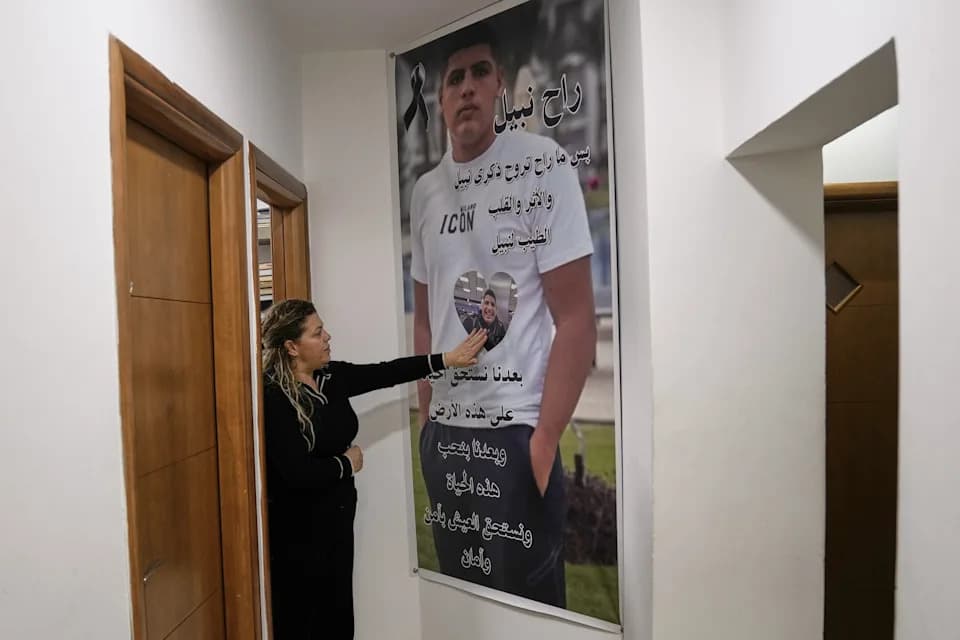
Rights advocates stress the everyday consequences for children and families. As Jabareen put it, one boy in a well‑served Jewish town will likely sleep easily and attend school without fear; another boy in an underpoliced Palestinian town may be kept awake by gunfire and worry about targeted attacks during routine trips.
The protests triggered by Zbeedat’s closure have focused renewed attention on long‑standing grievances over underinvestment, policing and the spread of organised crime in Israel’s Palestinian communities. Whether public demonstrations will translate into sustained, effective policy changes remains an open question.
Help us improve.