On 22 January, National Park Service workers removed 34 panels about people enslaved at the President’s House in Philadelphia to comply with the White House executive order “Restoring Truth and Sanity to American History.” The action is part of a broader effort that has flagged exhibits at sites including Little Bighorn, Muir Woods, and the Medgar and Myrlie Evers home. Philadelphia sued, and Judge Cynthia M. Rufe blocked further changes to the President’s House on 2 February. Historians, tribal leaders and preservation advocates say the removals erase well-researched Indigenous and Black histories, damage the NPS’s credibility, and make place-based public history less accessible.
‘So Shameful’: National Park Exhibits Removed Under Trump’s History Order Spark Legal Fight and Outcry
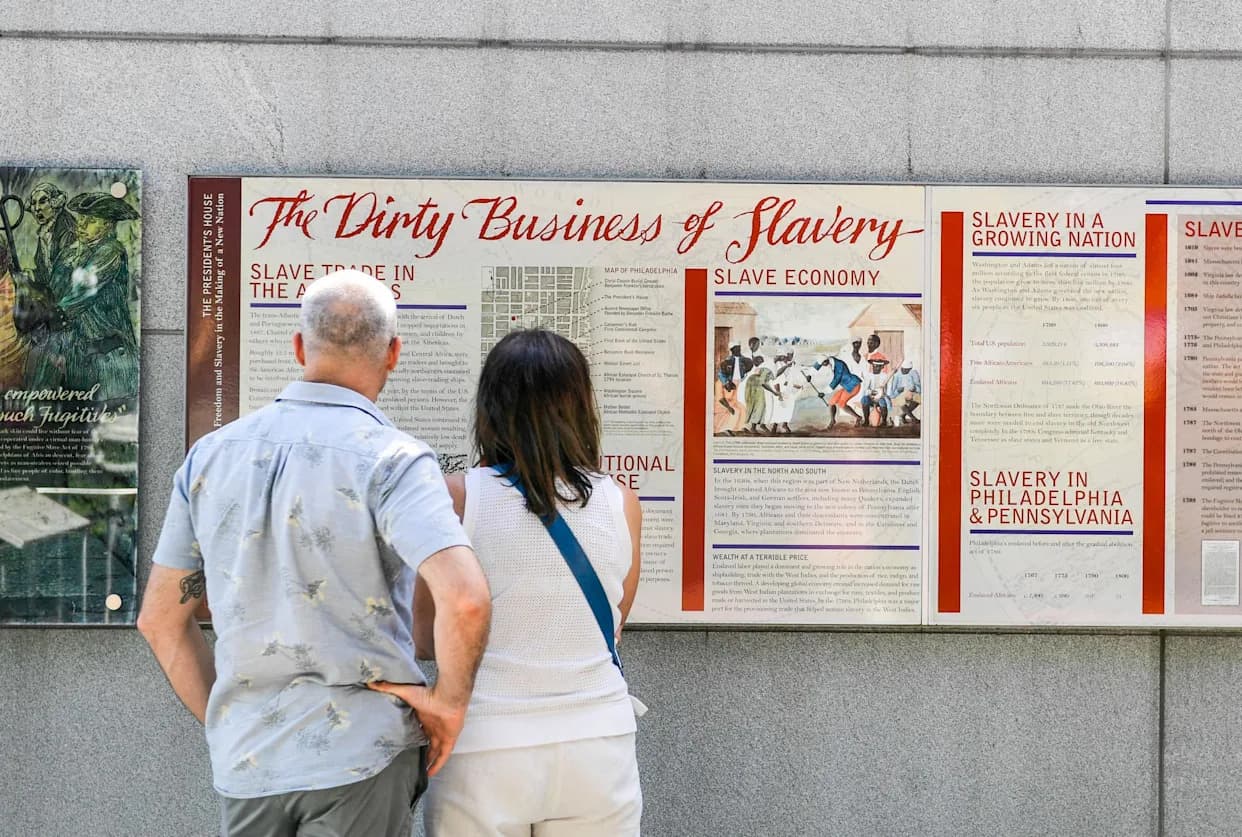
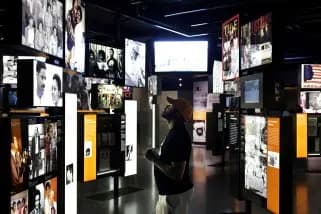
Tourists inspect a display entitled 'The Dirty Business of Slavery' at the President's House on 9 August 2025 in Philadelphia, Pennsylvania.Photograph: Matthew Hatcher/Getty Images(Photograph: Matthew Hatcher/Getty Images)
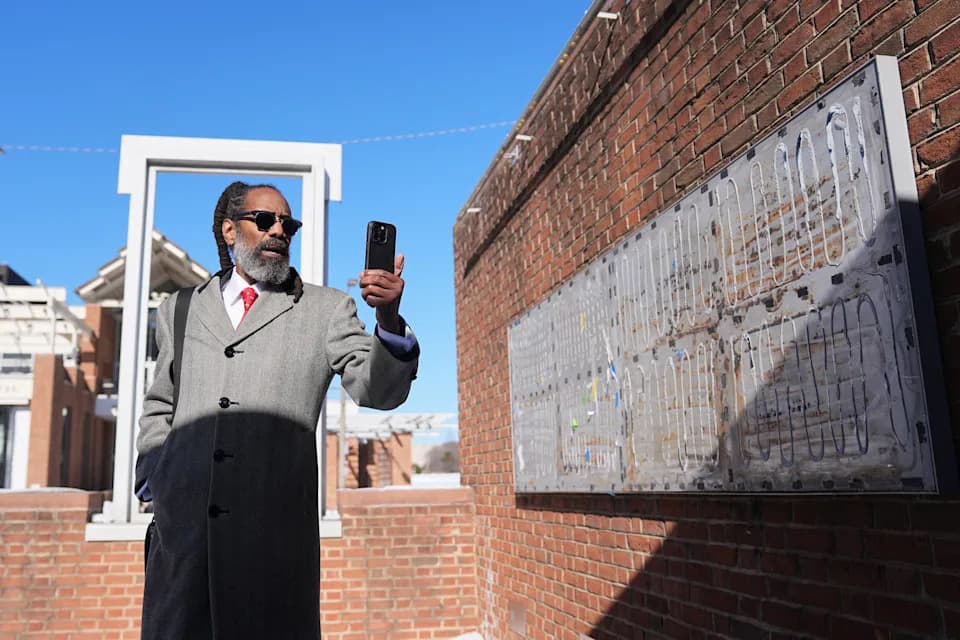
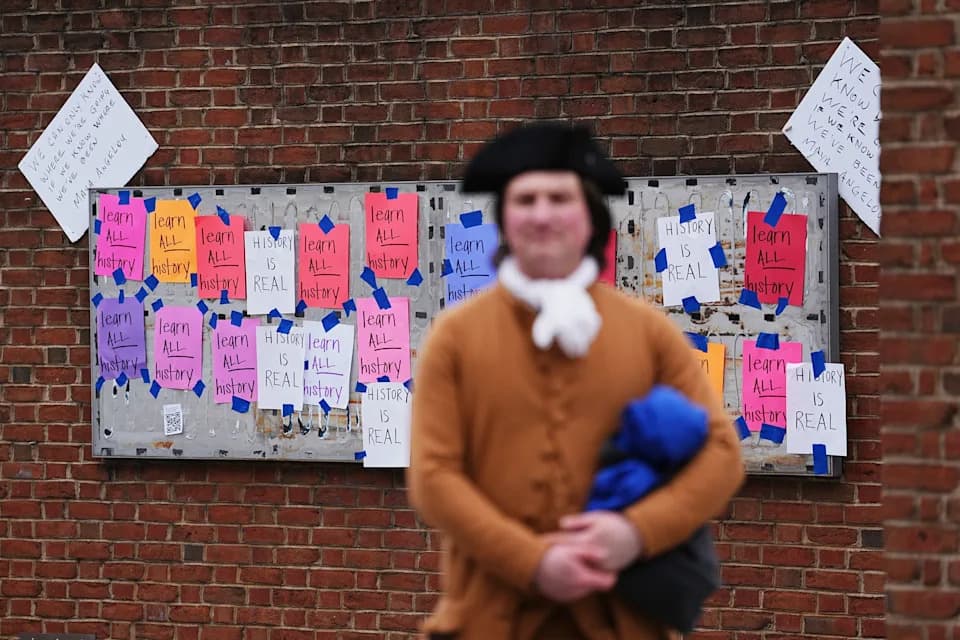
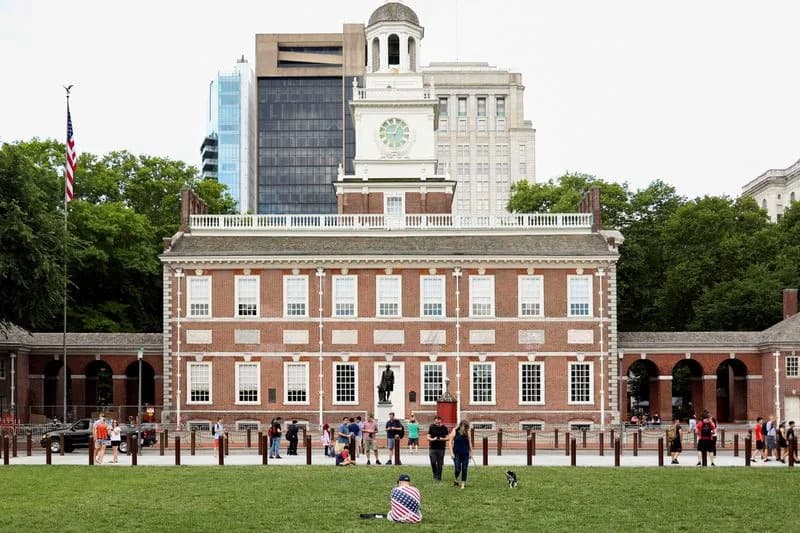
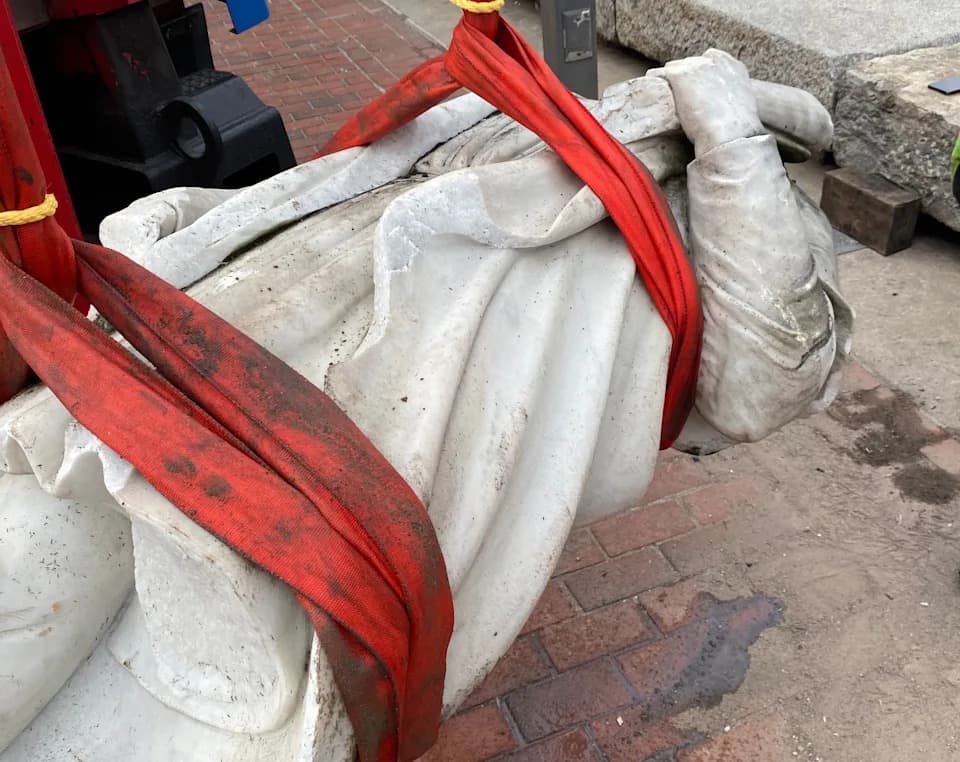
Blank spaces now mark where panels about enslavement once lined the walls of the President’s House in Philadelphia. On 22 January, National Park Service workers removed 34 informational panels by hand tools to comply with a presidential executive order aimed at reshaping how American history is presented. The panels — which told the stories of people enslaved by George Washington while Philadelphia was the U.S. capital in the 1790s — have been placed in storage, and videos at the site were also taken down.
What Was Removed and Why
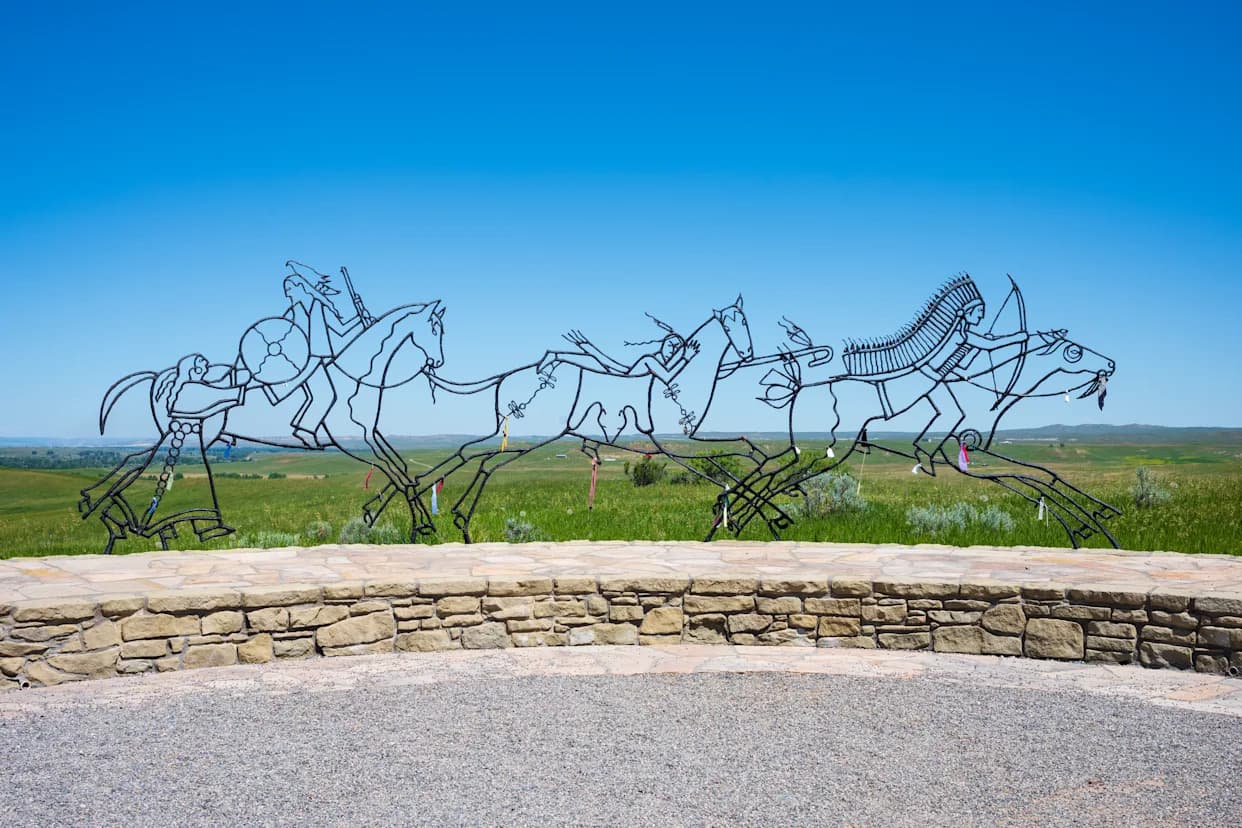
The removals are part of a nationwide effort to align public exhibits with former president Donald Trump’s executive order, “Restoring Truth and Sanity to American History,” issued on 27 March 2025. Park officials have flagged plaques, displays and interpretive panels at more than a dozen sites. Among those targeted are two exhibits at Little Bighorn Battlefield National Monument that address Indigenous history and the 1876 battle; climate-change signage at Muir Woods National Monument in California; and visitor brochures at the Medgar and Myrlie Evers Home National Monument in Mississippi that described Medgar Evers’s killer as racist.
Legal Challenge And Official Response
The city of Philadelphia sued the federal government in the U.S. District Court for the Eastern District of Pennsylvania, asking the court to restore the exhibit and to bar further alterations. On 2 February, Judge Cynthia M. Rufe issued an order blocking the government from making additional changes to the President’s House until the court resolves the dispute.
“Following completion of the required review, the National Park Service is now taking appropriate action in accordance with the order,” a Department of the Interior spokesperson said in an email, urging the city to focus on local issues instead of filing what the department called frivolous lawsuits.
Reactions From Historians, Advocates, And Tribal Leaders
Critics say the removals undermine the National Park Service’s credibility as a public historian and diminish visitors’ ability to engage with tough but essential parts of the nation’s past. Ed Stierli of the National Parks Conservation Association warned that the action will make it harder for the public to access a full, place-based accounting of the nation’s founding and of marginalized histories.
Dr. Leo K. Killsback, a Northern Cheyenne historian who designed Cheyenne-focused panels at Little Bighorn in 2014, called the executive order divisive and said removing well-researched Indigenous histories amounts to cultural erasure. “Native voices have been ignored, marginalized or devalued for so long,” he said, adding that erasing history is an affront to human rights and to collective cultural progress.
Dr. Rasul Mowatt, a sociology and anthropology professor, noted the recent progress in acknowledging Black and Indigenous histories at federal sites and warned that the new directive reverses that trend. He emphasized that placards and monument signage must convey complex histories concisely but honestly, and that removing facts truncates public understanding.
Impact On Park Staff And Public Memory
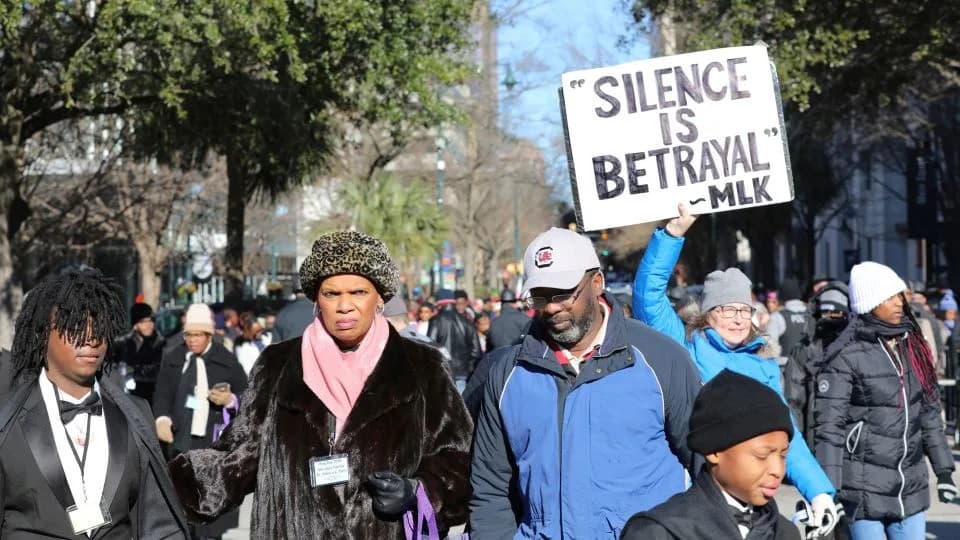
Park employees have reportedly been pressured to remove or alter content to avoid conflicts with the administration’s order, a change critics say is demoralizing and risks silencing trained interpreters whose work helps visitors understand historical context where events actually occurred. The removals have stirred heightened concern ahead of the U.S. 250th anniversary on 4 July, a moment when many advocates hoped national sites would present balanced narratives that acknowledge both achievements and injustices.
Supporters of preserving the exhibits argue there is unique power in learning about difficult histories in the locations where they happened — an experience that differs from reading the same content online or in a book. With panels and videos removed from highly trafficked spaces near the Liberty Bell Center, some fear visitors will lose that context and immediacy.
What Happens Next
The court’s injunction halts further changes to the President’s House while legal proceedings continue. The broader dispute over the executive order and flagged displays at other national monuments will likely play out in additional reviews, Congressional oversight, and possible further litigation as advocates, historians, tribal nations, and federal officials grapple over how public history is presented in national parks.
Help us improve.