The FBI assembled a 21-slide presentation and supporting materials that compiled anonymous, often unverified tips about people connected to Jeffrey Epstein as pressure mounted to release the files. Prominent names—including Donald Trump, Bill Clinton, Andrew Mountbatten-Windsor, Leon Black and Harvey Weinstein—appeared in the materials, but many claims were not corroborated and some were referred to local authorities for lack of federal evidence. The DOJ has said it will not pursue new federal charges based on the files.
FBI Compiled Unverified 'Salacious' Tips About Epstein Associates As Pressure Grew To Release Files
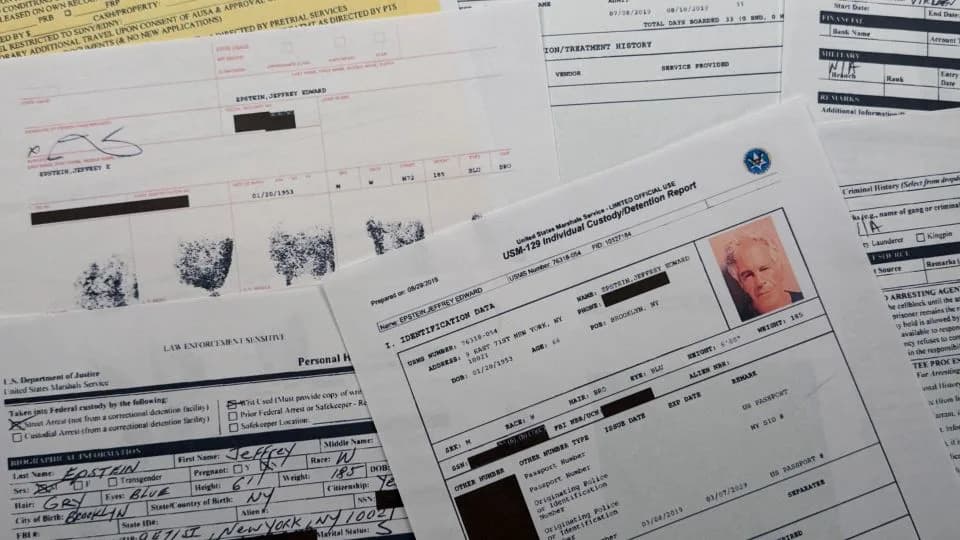
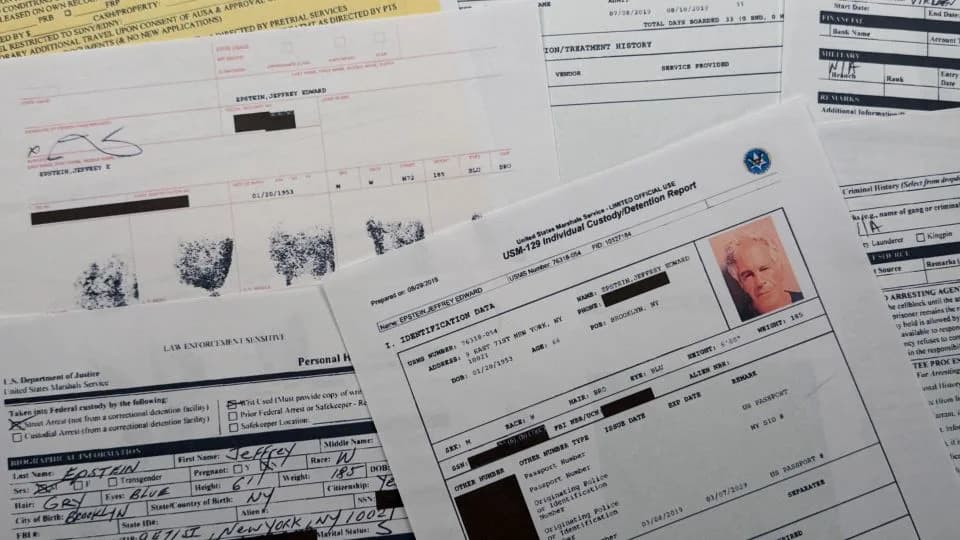
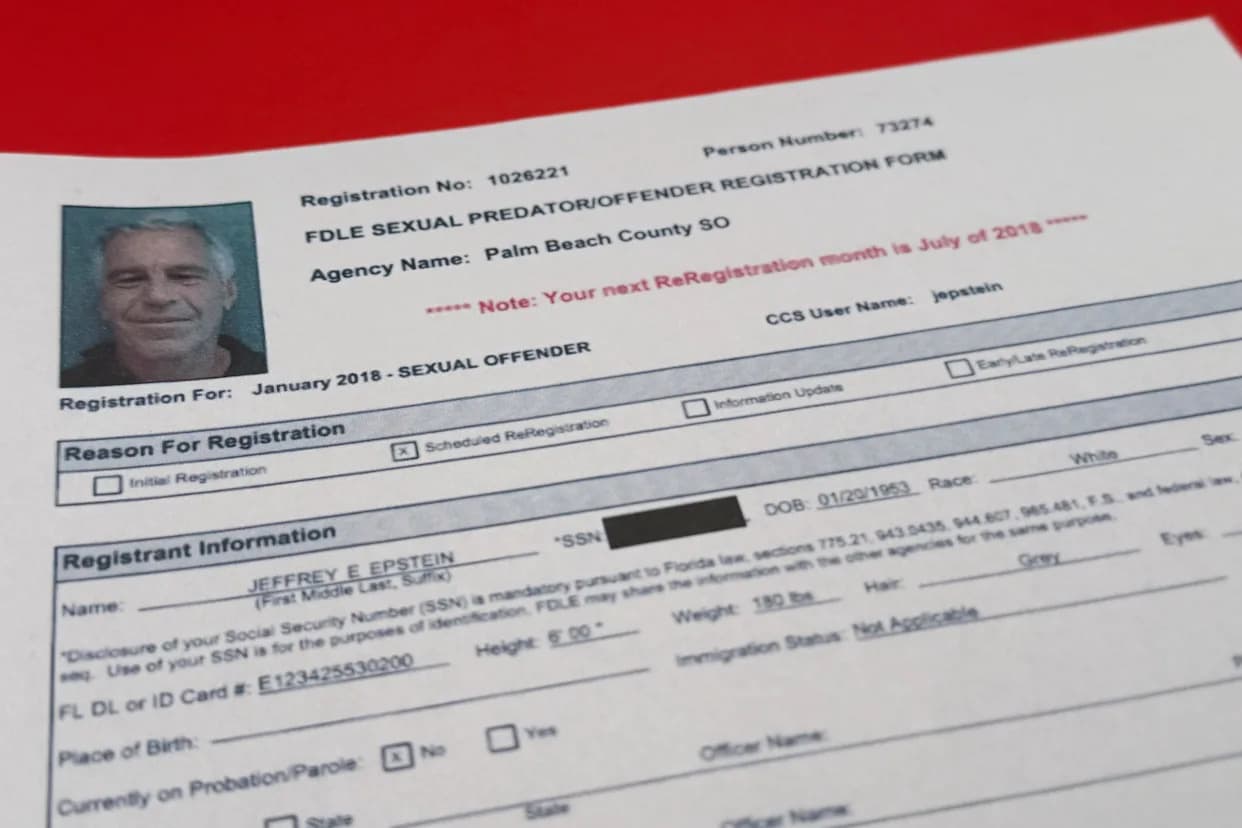
A document that was included in the US Department of Justice release of the Jeffrey Epstein files is photographed Sunday, Feb. 1, 2026, shows the report when Epstein was taken into custody on July 6, 2019. - Jon Elswick/AP
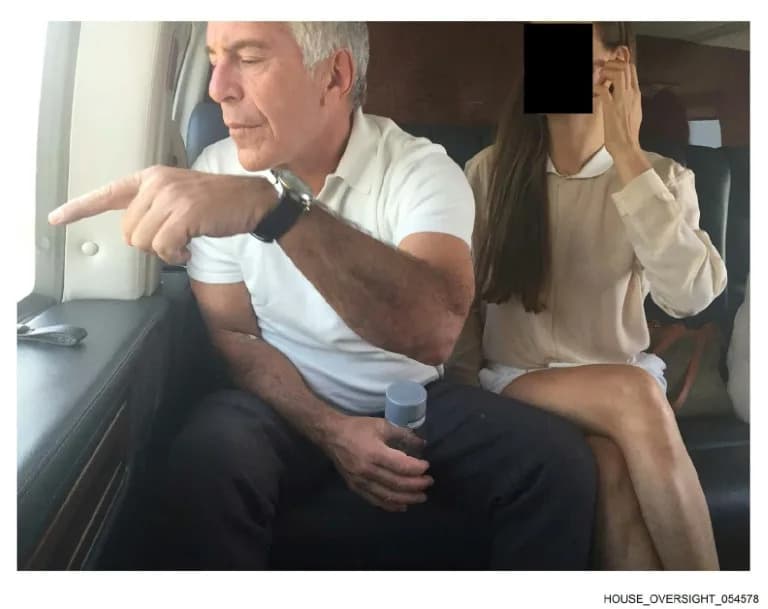
As pressure mounted last year for federal authorities to release records tied to Jeffrey Epstein, FBI staff compiled a 21-slide presentation and related materials that collected anonymous tips and what one agent described as "salacious" allegations about men connected to Epstein.
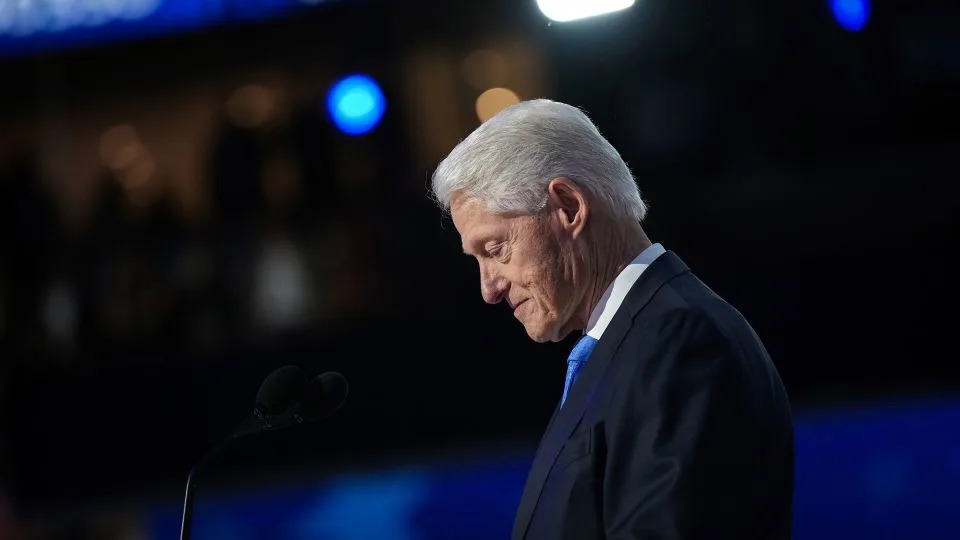
Former US President Bill Clinton speaks on stage during the third day of the Democratic National Convention at the United Center in Chicago, Illinois, on August 21, 2024. - Andrew Harnik/Getty Images/File
What The Presentation Showed
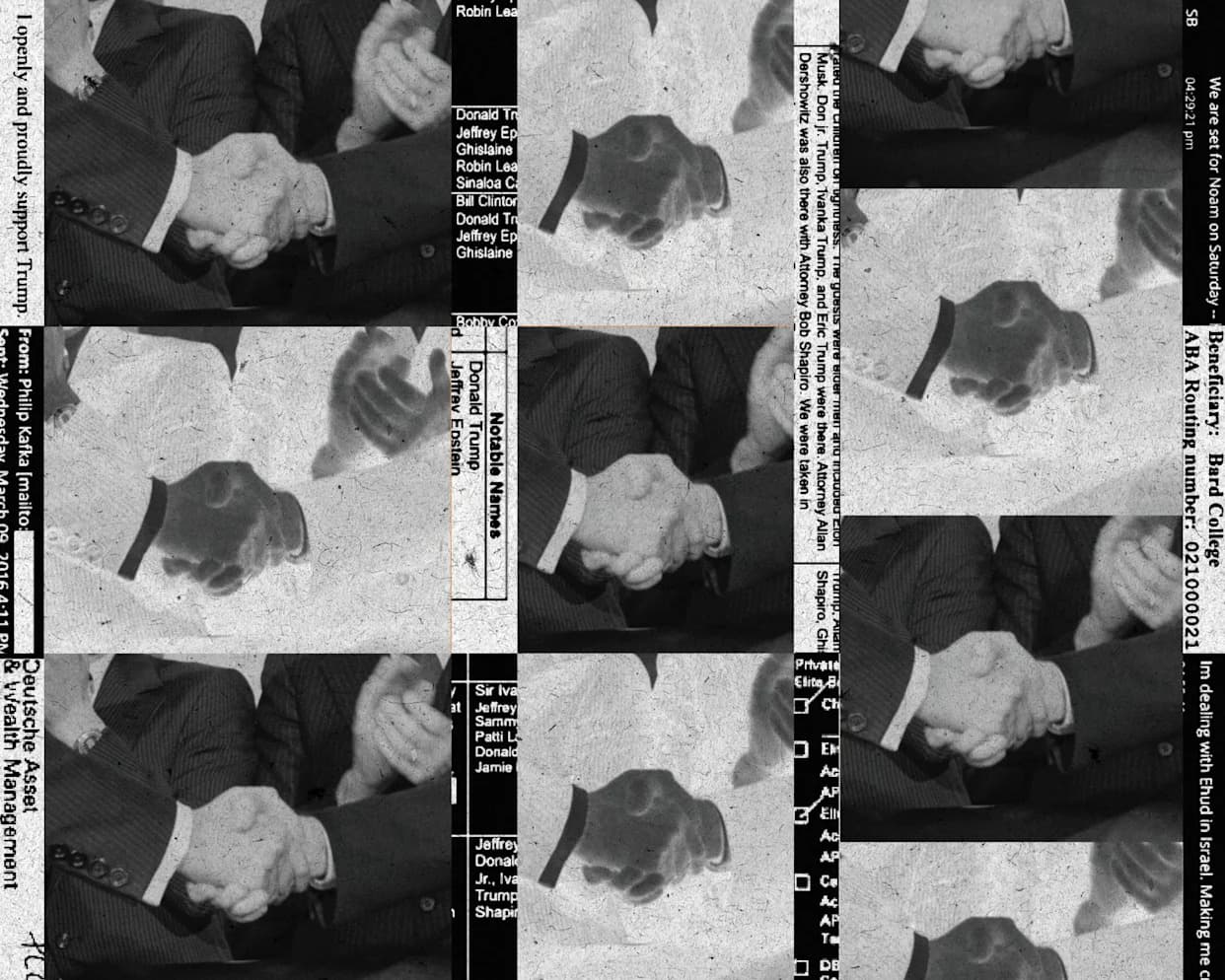
The presentation—released with more than 3 million documents from the Epstein files—summarized federal investigations into Epstein, his 2019 death, and the prosecution of his associate Ghislaine Maxwell. One slide reproduced a list of about a dozen "prominent names" and noted that "numerous" anonymous tips had been submitted to the FBI tip line. Some tips included allegations of sexual misconduct; others only described associations with Epstein.
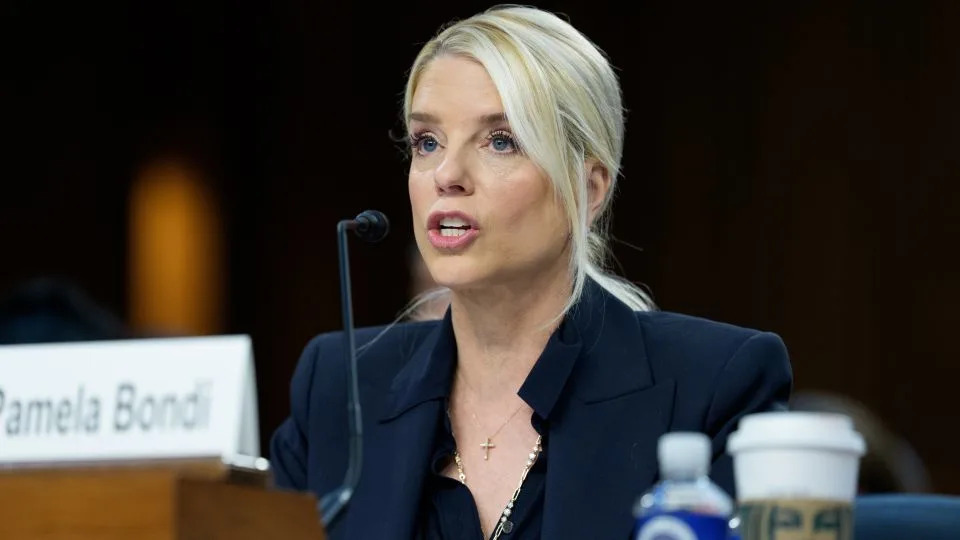
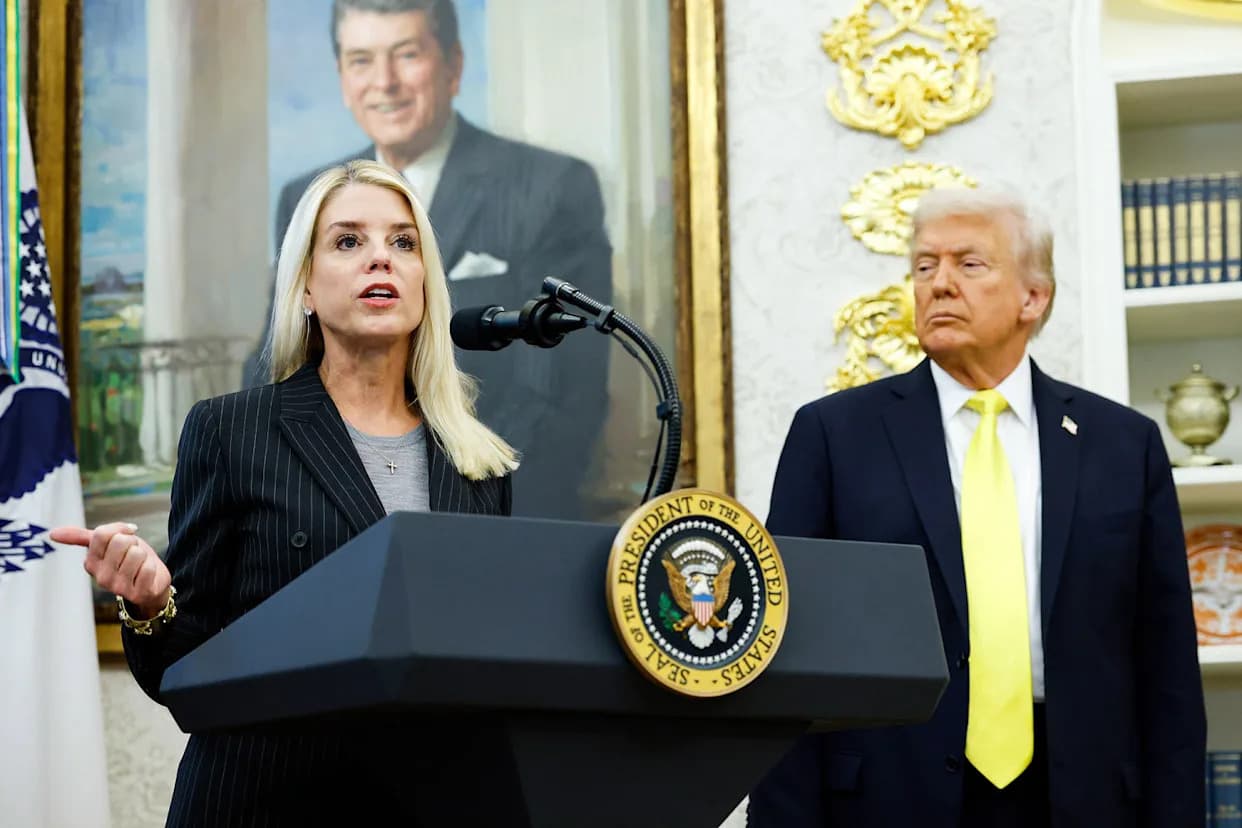
US Attorney General Pam Bondi testifies during a Senate Judiciary Committee hearing in the Hart Senate Office Building on Capitol Hill in Washington DC, on October 7, 2025. - Aaron Schwartz/Sipa USA/AP
Who Was Named
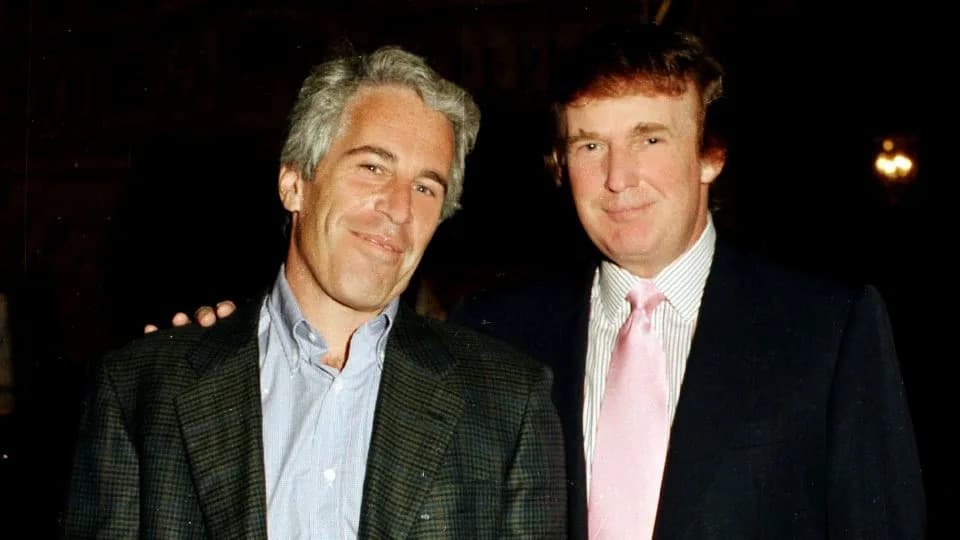
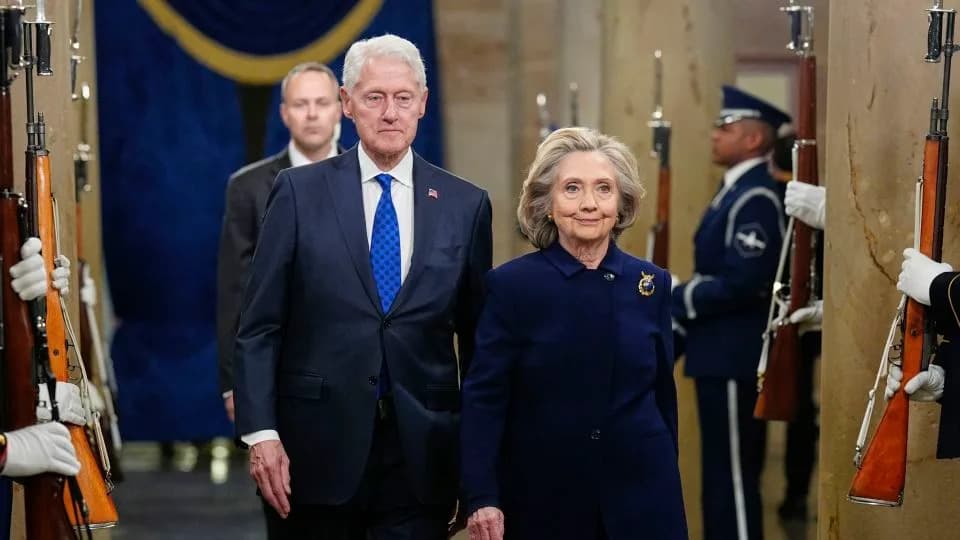
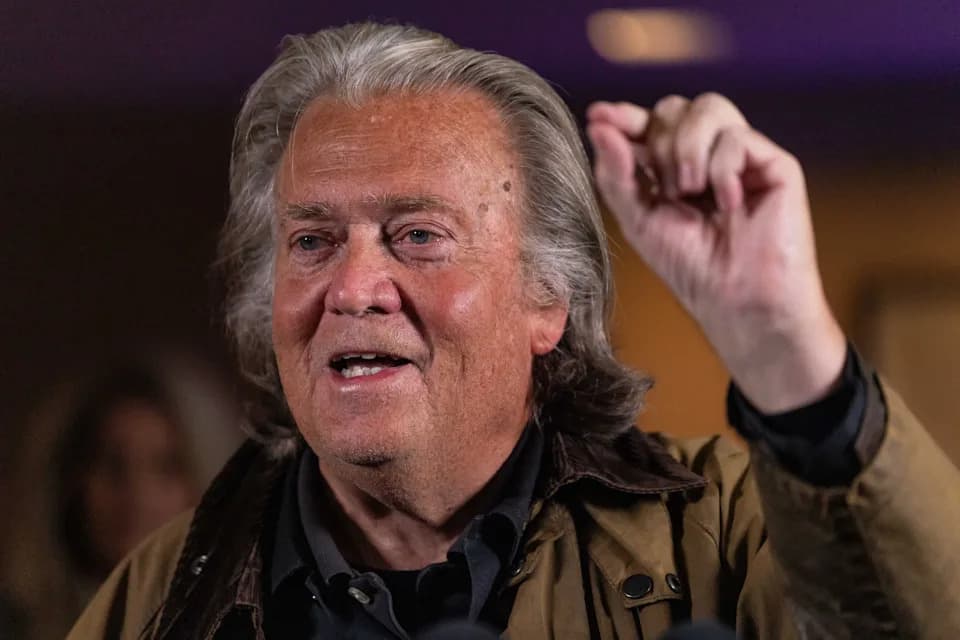
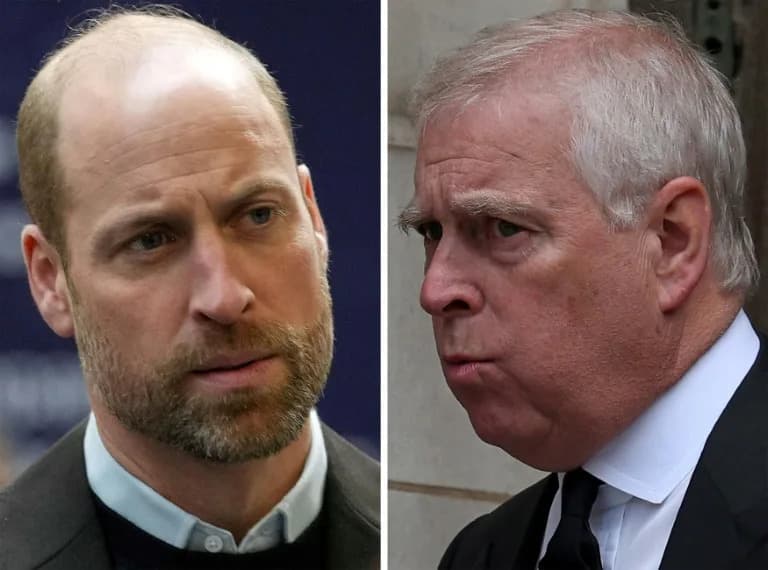
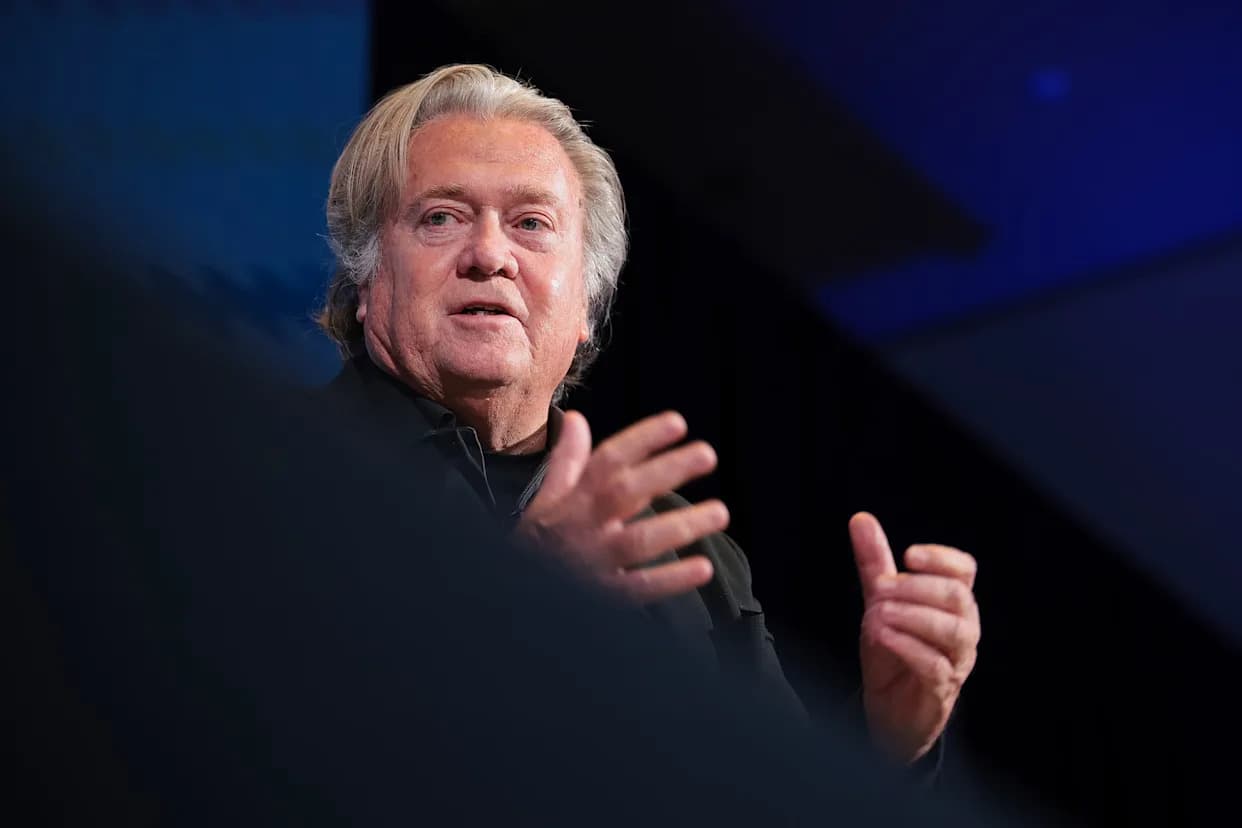
The list included high-profile figures such as President Donald Trump, former President Bill Clinton, Andrew Mountbatten-Windsor (formerly Prince Andrew), billionaire Leon Black and film executive Harvey Weinstein. All have appeared in prior public reporting about Epstein and have denied wrongdoing tied to those reports.
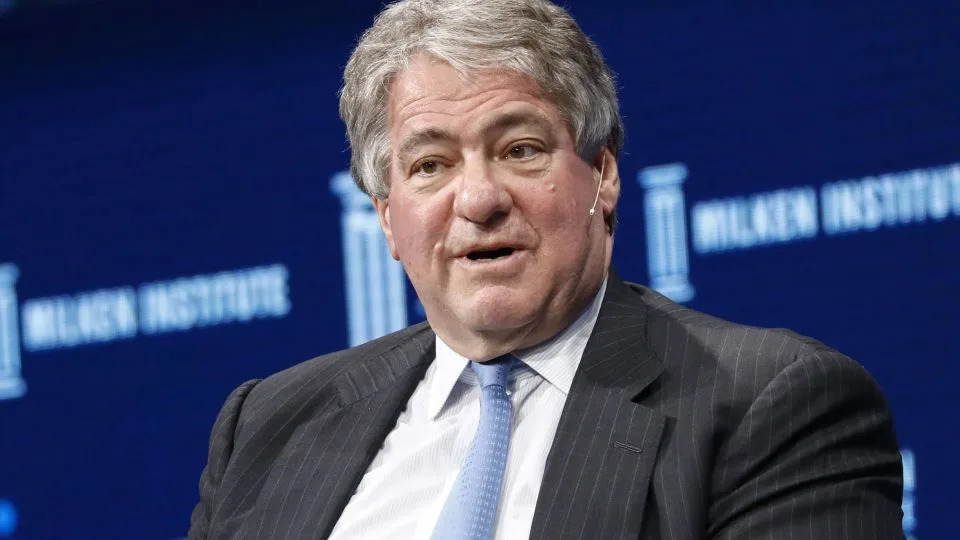
Leon Black, chairman and chief executive officer of Apollo Global Management LLC, at the Milken Institute Global Conference in Beverly Hills, California, on May 1, 2018. - Patrick T. Fallon/Bloomberg via Getty Images
Verification And Legal Outcome
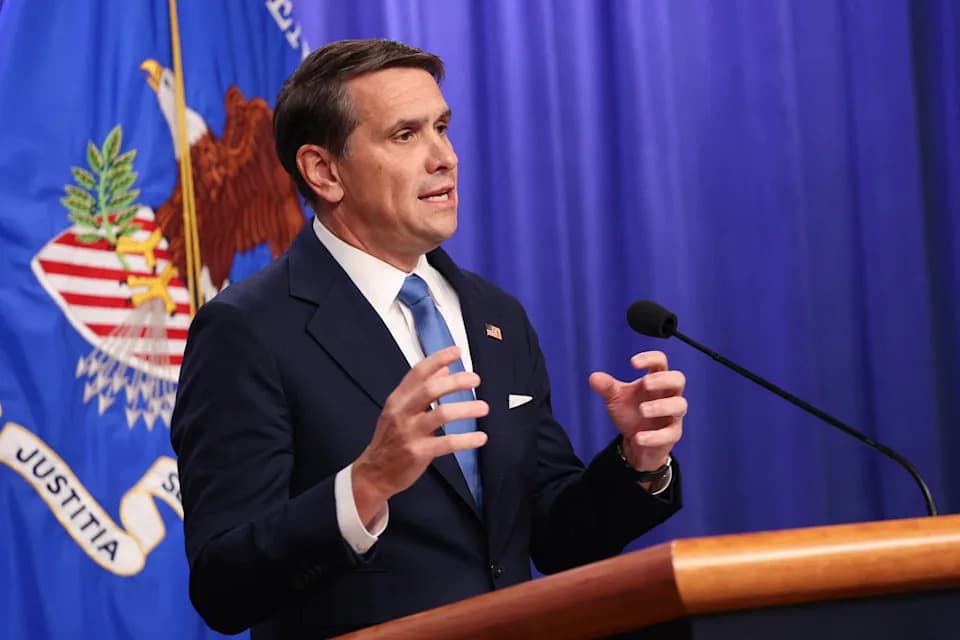
The presentation and related emails do not make clear what steps, if any, were taken to corroborate the claims. An unsigned Justice Department memo issued July 7, 2025 reiterated that there was no separate "client list" and restated that Epstein died by suicide in 2019. Deputy Attorney General Todd Blanche later told CNN the department would not pursue new charges related to Epstein, saying the files did not contain material that warranted additional federal prosecutions.
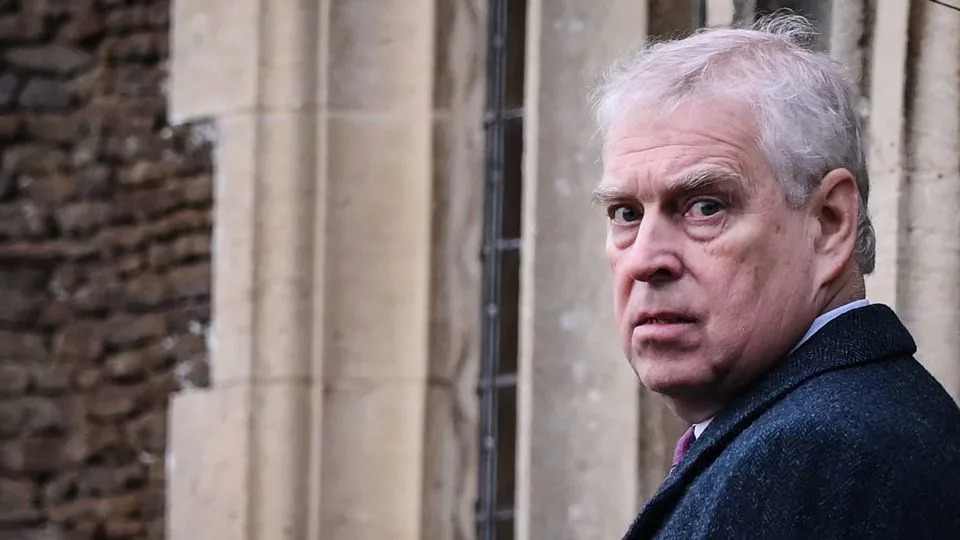
Andrew Mountbatten-Windsor reacts as he arrives for the Royal Family's traditional Christmas Day service at St Mary Magdalene Church in Sandringham, Norfolk, on December 25, 2022. - Daniel Leal/AFP/Getty Images
What The Emails Said
In mid- and late-July 2025, FBI email traffic summarized material recovered from Epstein's devices, evidence seized, and victims' reports. One brief summary indicated that at least four or five victims had named unnamed men as alleged abusers; those matters were referred to local law enforcement because investigators believed there was insufficient evidence for federal charges. Another July email requested short summaries of "salacious statements" about 13 people; elements of those summaries were folded into the 21-page presentation produced by the FBI's Child Exploitation and Human Trafficking Task Force.
Responses From Parties Named
The Justice Department and the White House described many of the released allegations as unverified and sensationalist. Representatives for several named individuals denied the claims. Leon Black's lawyer pointed to an independent review by the Dechert law firm—more than 60,000 documents reviewed and 20-plus interviews—which concluded Black's payments to Epstein were for estate-planning and tax advice and that he had no awareness of Epstein's crimes. A spokesperson for Weinstein noted the references were unverified tip-line reports, not findings or sworn testimony.
Why This Matters
The disclosures underscore the difficulty of separating unverified tips from corroborated evidence in large document dumps and the risk that speculative claims can complicate public understanding of high-profile investigations. Congress had legislated for broader transparency, prompting the releases; yet officials emphasize that tip-line submissions are not proof and that the Justice Department sees no basis for new federal prosecutions tied to these files.
Bottom line: The FBI compiled a dossier of anonymous, largely unvetted tips naming prominent individuals in the Epstein files, but officials say the material did not provide a basis for new federal charges.
Help us improve.